Fish behavior-tracking tech aims to curb aquafeed wastage
Overfeeding is a waste stream for aquaculture. Underwater cameras in pens help, but a company mixing hydroacoustics and machine learning has another idea.




Verona, Italy-based ColomboSky’s satellite monitoring tool provides early detection of approaching water threats specifically for marine aquaculture.
Overfeeding is a waste stream for aquaculture. Underwater cameras in pens help, but a company mixing hydroacoustics and machine learning has another idea.

We're posting all six presentations from the exciting session, "Thoughts on the Future of Aquaculture." This week's speaker is Isaac Fraynd of Netherlands-based impact investment firm Aqua-Spark.
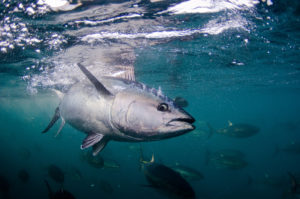
Bluefin tuna may be the most prized fish in the ocean. If hon-maguro sashimi is to remain chic, closed-cycle aquaculture may help keep it on menus.
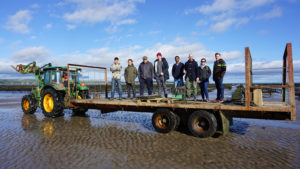
For entrepreneurs in the Hatch accelerator program, the process of attracting investors to herald a new growth curve is an intense and immersive one.
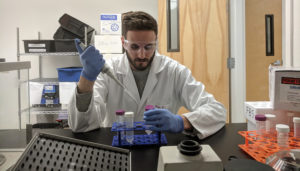
Companies growing meat in laboratories need to overcome challenges including cost, regulation and consumer acceptance. Proponents believe there’s a place in the market for lab-grown fish meat.

Over the next six weeks, we'll post each of the presentations from the exciting and fast-paced session, "Thoughts on the Future of Aquaculture in the PechaKucha Style."
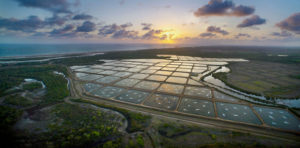
Australian aquaculture gets some needed attention later this month when Fish 2.0 holds a regional workshop focused on innovation and investment in Melbourne.
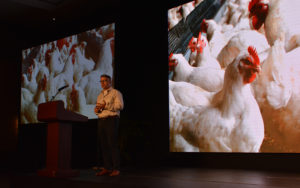
At the Global Aquaculture Alliance’s annual GOAL conference in Guyaquil, Ecuador, unfamiliar topics gave aquaculture industry leaders something to chew on.
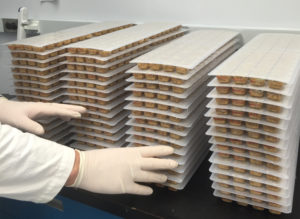
Un producto de vacuna administrado por vía oral es muy prometedor para la acuacultura, y la empresa emergente VakSea con sede en Maryland está a punto de ofrecerlo. Sintiendo una gran oportunidad, el enfoque de la compañía ha girado hacia el camarón.

Chilean biotech firm says its natural feed additive, Futerpenol®, reduces or eliminates the need for antibiotics in farmed salmon and trout by stimulating the immune responses of the fish.
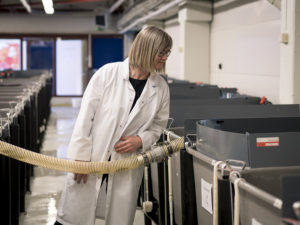
The CEO of AquaGen knew that the Norwegian research group’s work in genomics was key to the salmon industry’s future. And that was before she even worked there.
An orally administered vaccine product holds great promise for aquaculture, and Maryland-based startup VakSea is on the cusp of providing one. Sensing a major opportunity, the company’s focus has pivoted to shrimp.
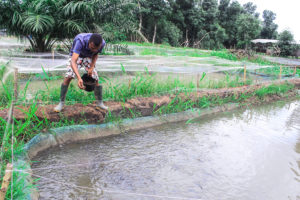
The 28-year-old founder and CEO of Tajin Farms – a catfish supplier and processing operation in Warri, Delta State – talks about his humble beginnings and bold plans for aquaculture in Africa.
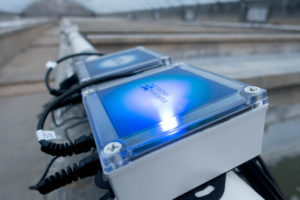
Zach Stein, CEO and cofounder of Silicon Valley-based Osmo Systems, thinks it’s time aquaculture embraces rapid change through technology. His startup aims to help aquaculture operators automate water quality monitoring systems.

Stronger America Through Seafood aims to influence federal policymakers to create guidelines that would give offshore aquaculture a chance to show its potential.