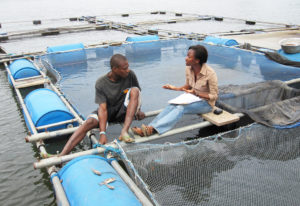
A look at tilapia aquaculture in Ghana
Aquaculture in Ghana has overcome its historic fits and starts and is helping to narrow the gap between domestic seafood production and consumption. Production is based on Nile tilapia.



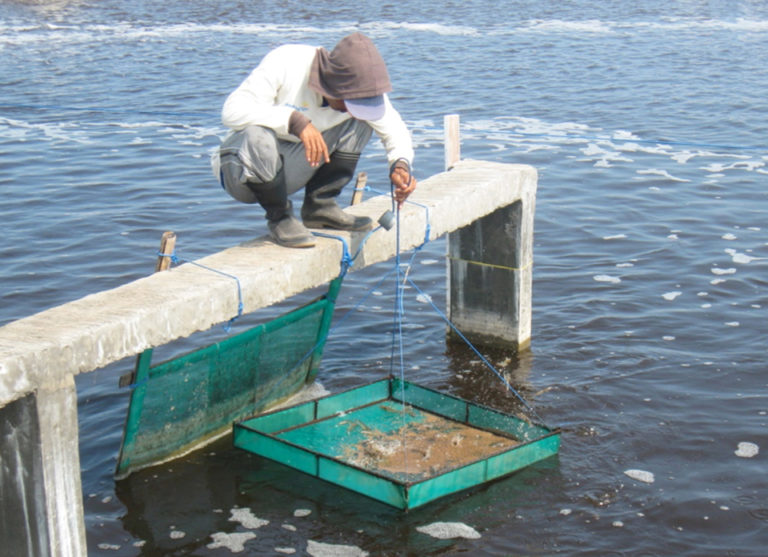
To ensure optimal water quality and clean pond bottoms at shrimp farms, choosing consistently good-quality feed and close monitoring of feed trays supported by a proven feeding guide are recommended practices to control the amount of feed applied to ponds.
Aquaculture in Ghana has overcome its historic fits and starts and is helping to narrow the gap between domestic seafood production and consumption. Production is based on Nile tilapia.
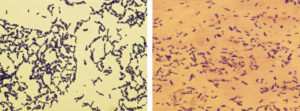
As wide use of antibiotics has led to antibiotic resistance in fish pathogens, vaccines present an alternative control method to prevent bacterial diseases.
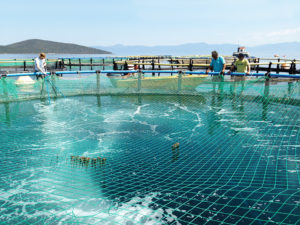
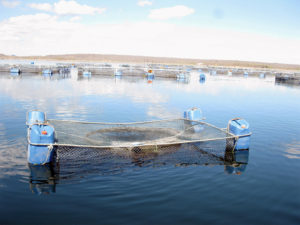
Traditional sea cage culture typically relies on natural water exchange to replace oxygen consumed by fish, which may not provide sufficient oxygen – especially during seasonal periods of high temperature.
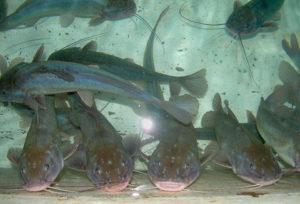
Clove oil and eugenol have been recommended and used as anesthetics for several fish species. Moreover, these products have received the attention of researchers because of their chemo-preventive effects, as well as their anti-inflammatory and antioxidant properties.
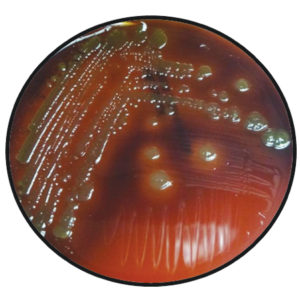
Since Vibrio samples often degrade during transport, the authors analyzed nucleic acids (FTA) cards as a simplified, shelf-stable collection method for the preservation of genetic material from water samples.
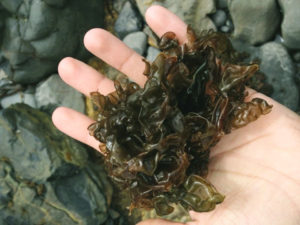
In a study, Atlantic salmon fed diets with red seaweed had significantly higher levels of antiviral activity against the infectious salmon anemia virus than fish fed a control diet.
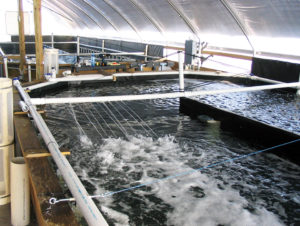
The potential shrimp aquaculture has for significant improvements in performance through improved genetics and nutrition will not be fully expressed unless appropriate feeding methods are practiced.
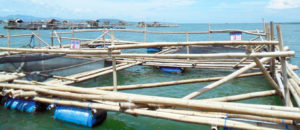
A demonstration conducted at a milkfish farm in southern Philippines by the United States Soybean Export Council Soy-In-Aquaculture program highlighted the use of extruded floating feeds with satiation feeding management and principles of low-volume, high-density cage production.
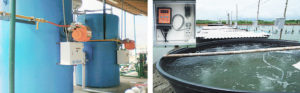
Applied to shrimp postlarvae at Thai and Latin American farms, a thermal treatment of constant water temperature increased final survival rates.
A recent study that evaluated the benefits of using probiotics with a balanced mixture of Bacillus bacteria strains to inhibit pathogenic bacteria in tilapia.
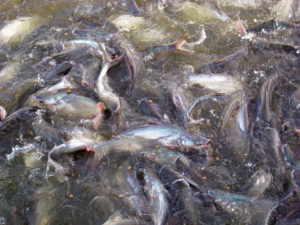
Trials show that supplementation with amino acids could reduce protein levels from a typical 28 percent to 23 percent in pangasius diets.
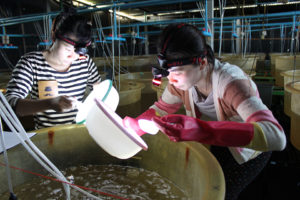
Easily digested, live artemia offer important animal health benefits and improved performance when included in feeding regimes for larval shrimp. Pilot and commercial-scale trials have confirmed that artemia can be partially replaced in shrimp feeding.
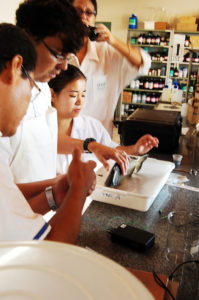
Survey participants also indicated that, in general, Brazil’s fish-farming industry is addressing elements of animal welfare to some degree, but can improve.
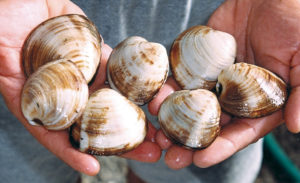
The rapid cooling of harvested quahog clams to achieve the product temperatures required by regulators and dealers can often result in mortalities due to thermal shock.
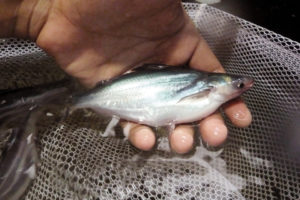
As examined in various studies, potassium diformate can improve the growth and health status of pangasius when the dietary acidifier is included in feed.