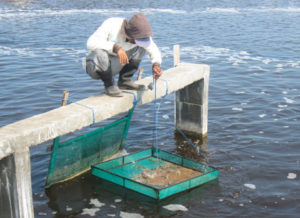
Amino acid supplementation reduces protein levels in pangasius diets
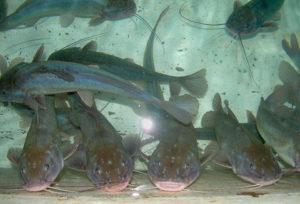
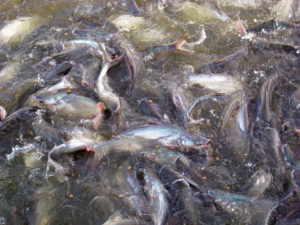
Trials show that supplementation with amino acids could reduce protein levels from a typical 28 percent to 23 percent in pangasius diets.
A recent study that evaluated the benefits of using probiotics with a balanced mixture of Bacillus bacteria strains to inhibit pathogenic bacteria in tilapia.
Trials show that supplementation with amino acids could reduce protein levels from a typical 28 percent to 23 percent in pangasius diets.
Easily digested, live artemia offer important animal health benefits and improved performance when included in feeding regimes for larval shrimp. Pilot and commercial-scale trials have confirmed that artemia can be partially replaced in shrimp feeding.
Survey participants also indicated that, in general, Brazil’s fish-farming industry is addressing elements of animal welfare to some degree, but can improve.
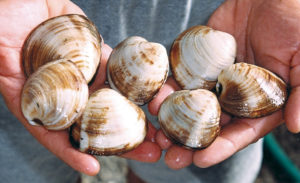
The rapid cooling of harvested quahog clams to achieve the product temperatures required by regulators and dealers can often result in mortalities due to thermal shock.
As examined in various studies, potassium diformate can improve the growth and health status of pangasius when the dietary acidifier is included in feed.
YY male tilapia technology, based on the genetic manipulation of sex, provides a robust, reliable method of achieving male fish. It avoids the use of hormones and maintains strain purity in genetically normal males.
A range of alternative products is available to improve animal health and water quality, and control pathogen loads. Beneficial microbes produce antimicrobial compounds and suppress pathogen proliferation.
The development of polymerase chain reaction testing to detect the bacteria that cause EMS is important, but confirmation by bioassay of presumptive positives to ensure pathogenicity is a prudent intermediate step.
1-monoglycerides are known for their antibacterial and antiviral effects in the human pharmaceutical and animal husbandry industries. As a substitution for the preventive use of antibiotics, these molecules are being evaluated in the fight against AHPND.
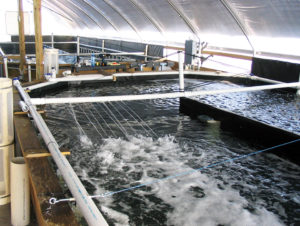
Highly controlled tank and raceway systems can help farmers raise postlarval shrimp to larger sizes before stocking in grow-out ponds. Raceways have recently been implemented for EMS management.
Research at the Oceanic Institute has been successful in overcoming bottlenecks associated with rearing small-mouthed fish larvae by finding a suitable first feed. Early work on the calanoid copepod Parvocalanus crassirostris focused on parameters necessary for successful maintenance of stock cultures.
In targeting grouper for new and sustainable farming technology, the authors developed an oral vaccine to control nervous necrosis virus (NNV) infection at the larval stage and multivalent injective bacterial and viral vaccines for the grow-out stage.
Shrimp-breeding programs release only a small fraction of their genetic material when they sell seed to clients for grow-out. This protects their large investment in developing the stocks so clients return for their next batch of seed instead of breeding the stocks themselves.
Iron compounds in fish contribute significantly to lipid oxidation in addition to oxidation mediated by enzymatic activity. The main iron-containing compounds are myoglobin and hemoglobin.
In a study, the authors evaluated the immune responses and host protection of hybrid catfish and channel catfish against the ich parasite (Ichthyophthirius multifiliis).