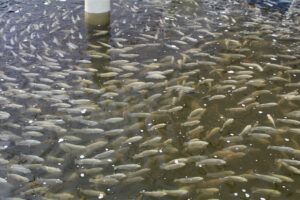
Assessing the bacterium Enterococcus faecium as a probiotic for Nile tilapia
E. faecium is a potential probiotic for Nile tilapia, showing improved growth rates, reduced mortality in a challenge with S. agalactiae.



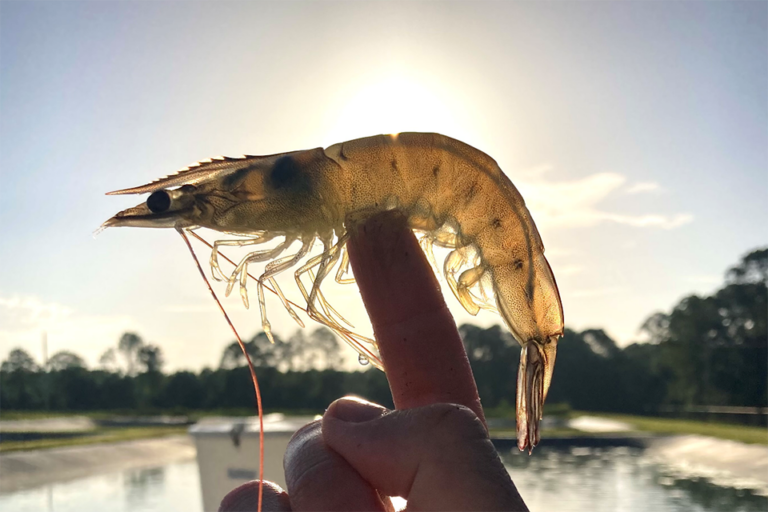
The addition of fish hydrolysate to soy-optimized diets can increase feed-response intensity in L. vannamei in semi-intensive pond culture.
E. faecium is a potential probiotic for Nile tilapia, showing improved growth rates, reduced mortality in a challenge with S. agalactiae.
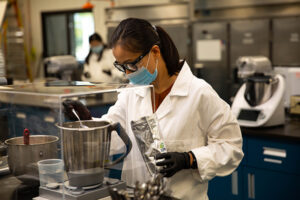
Archer Daniels Midland has opened its Aquaculture Innovation Lab at the Animal Nutrition Technology Center in Decatur, Ill., USA.
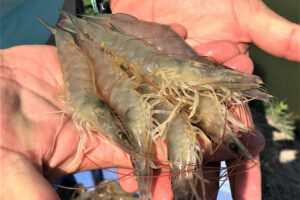
Water salinity greatly influences the bacterial composition of shrimp farms, with some shifts in Vibrio populations increasing the risk for disease.
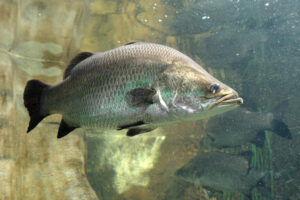
Selection strategies to improve Asian sea bass lines, development of elite lines, practical advice and considerations for further improvements.
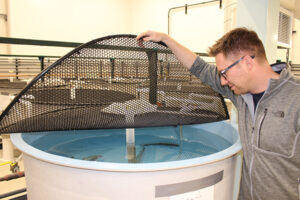
The University of Waterloo has opened a new research facility to study the effects of climate change on fish stress.
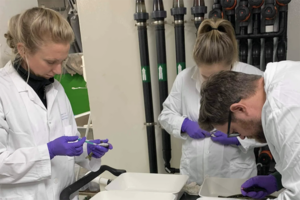
Benchmark Animal Health and Cermaq are developing vaccines for Tenacibaculum bacteria, thanks to a grant from the Research Council of Norway.
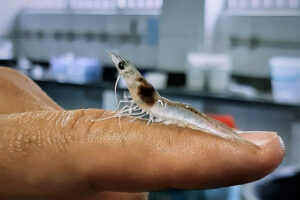
Authors evaluate L. vannamei PL performance in a synbiotic nursery with rice and wheat bran as carbon sources in seawater and low-salinity water.
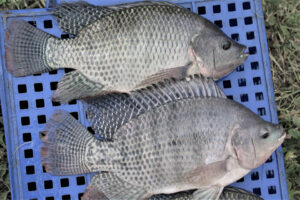
Genomic prediction markedly outperformed pedigree-based prediction, highlighting the potential to improve feed efficiency traits in Nile tilapia.
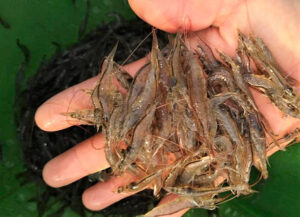
An assessment of seven insect meals demonstrates their high potential as protein sources to replace fishmeal in diets for L. vannamei.
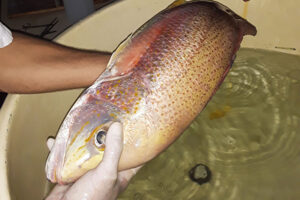
Costa Rica's Martec has partnered with Scottish genetics company Xelect to ramp up production of spotted rose snapper through modern techniques.
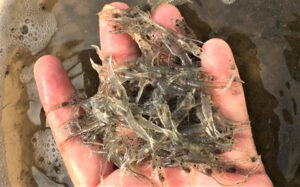
Assessing the B. velezensis BV007 supplement to promote growth, enhance immune response and modulate intestinal microbiota of L. vannamei shrimp.
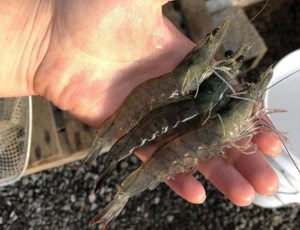
Algae and other biological aggregates, or the “natural productivity” in shrimp biofloc rearing systems, can contribute greatly to aquafeed efficiency.
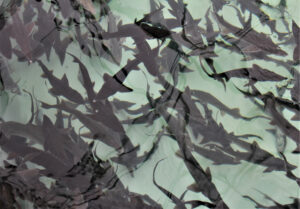
Assessment of the effects of black soldier fly meal in juvenile Siberian sturgeon diets shows low feed acceptance at high levels.
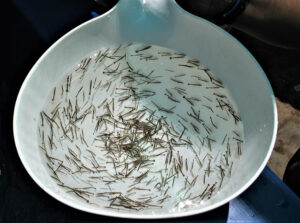
Microbial colonization in developing P. monodon could be shaped by different host developmental stages, diets, physiologies and immune statuses.
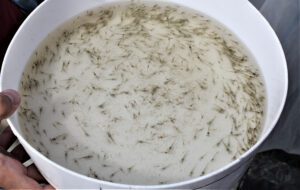
An evaluation of L. vannamei fed diets with spray-dried animal plasma showed significant improvement in overall health and resistance to infection.