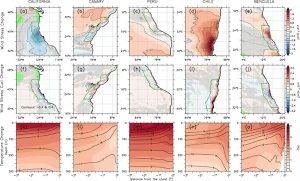
Scientists tap supercomputer to understand the impact of climate change on fisheries
Researchers are seeking to understand how the impact of climate change will impact fisheries in the U.S. and around the world.



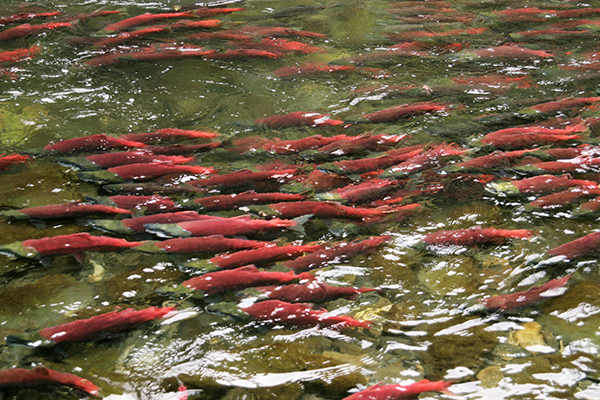
The EPA says it will protect Bristol Bay in Alaska – home to one of the world’s most valuable wild salmon fisheries – by vetoing the Pebble Mine project.
Researchers are seeking to understand how the impact of climate change will impact fisheries in the U.S. and around the world.

The extinction risk of sharks and rays can be significantly reduced with effective fisheries management and policies, says a Virginia Tech study.
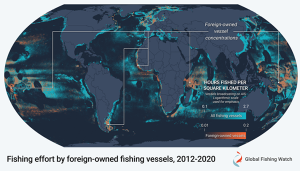
A study led by Global Fishing Watch provides new insight into potential IUU fishing behavior that could help improve fisheries management.
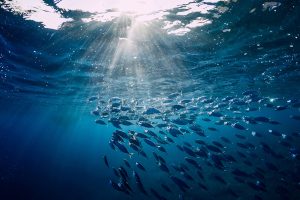
Sustainable Fisheries UW offers a rundown of the IUCN Red List and how tunas and billfishes benefit from strong fisheries management.

Fishery cooperatives promote economic growth by increasing harvests, improving fisheries and developing a sustainable environment and economy.

Complex multispecies fisheries, like many in Southeast Asia, are difficult to manage and require an unconventional approach to certification.
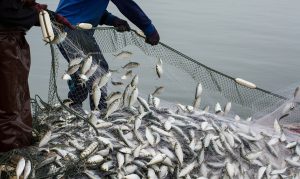
To better monitor IUU fishing, watchdogs are turning to tracking devices, satellites and even artificial intelligence.

A new study has outlined recommendations for helping U.S. fisheries and fishing communities adapt to the effects of climate change.
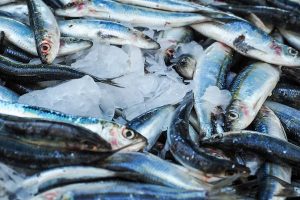
The EU reached an agreement with northeast Atlantic coastal states, UK and Norway on the shared fisheries management of key stocks in 2023.

The Arctic Pearl scallop-fishing vessel is equipped with new technology that is sensitive to the ocean-bottom ecosystem of the Barents Sea.

Gulf of Cádiz fishers are using the ProPesca fisheries management app to responsibly oversee fisheries and ensure their livelihoods.
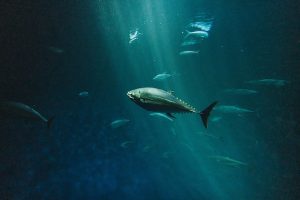
Regional fishery management organization adopts modernized fisheries management plan for Atlantic bluefin tuna that could help replenish fish stocks.
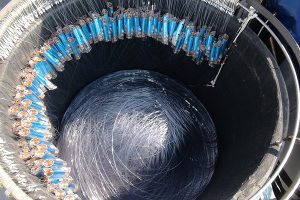
Research shows that SharkGuard, an electric-pulsed device that attaches to longline fishing rigs, can significantly reduce shark bycatch.
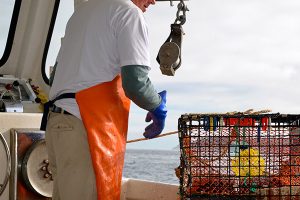
Maine’s governor and Congressional delegation say activists with an "axe to grind" led to the Marine Stewardship Council's decision to suspend Maine lobster’s certification.
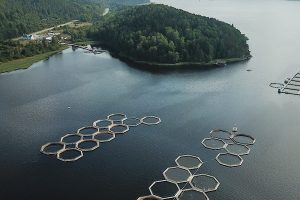
A UBC study says the world 'needs aquaculture' but rebuilding declining wild fish stocks is essential to achieving global food security.