


Survey finds widespread workplace safety concerns among Norway’s aquaculture labor force

Despite high job satisfaction, 85% of service vessel employees reported near misses, while many aquaculture workers expressed health concerns
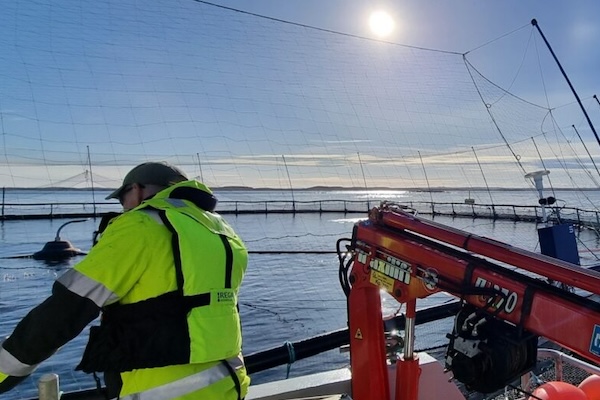
A survey of Norway’s aquaculture workforce found that 85 percent of service vessel employees had experienced near-miss incidents in the previous two years, highlighting workplace safety concerns in an industry where most laborers report satisfaction with their jobs.
The findings come from workplace health, safety and environment (HSE) surveys conducted by SINTEF Ocean and the Norwegian University of Science and Technology (NTNU). The research included responses from 1,962 employees in fish farming, shipping, service vessel operations and supplier companies, along with 349 employees in salmon slaughterhouses and processing facilities.
Among respondents in the farming, vessel and supplier group, 86 percent said they found fulfillment at work always or most of the time, while nearly two-thirds expected to remain in the industry five years from now.
However, approximately two-thirds were concerned that their working environment could negatively affect their health, and nearly half worried about workplace accidents. Overall, 66 percent reported experiencing a near-miss incident within the previous two years, rising to 85 percent among service vessel employees.

“The survey results indicate that aquaculture is an industry where employees enjoy their work, but at the same time experience many working environment challenges,” said Trine Thorvaldsen, a senior research scientist at SINTEF.
The survey also found that 35 percent of respondents reported inadequate maintenance affecting safety, 29 percent said production took precedence over safety considerations and 27 percent experienced pressure to work in potentially unsafe ways.
The survey of farming, vessel and supplier employees followed an earlier assessment conducted in 2023.
“Unfortunately, we don’t see any significant improvements from the previous survey,” said Claus Jervell of Fellesforbundet, Norway’s United Federation of Trade Unions.
Study indicates that IUU fishing makes fishers’ jobs even more dangerous
A separate survey of salmon slaughterhouse and processing employees, conducted for the first time, identified similar concerns. Among those respondents, 71 percent worried about the potential health effects of their working environment, 42 percent reported near-miss incidents and 42 percent said production considerations took precedence over safety.
Language differences were another concern, with 51 percent reporting that dangerous situations could arise when multiple languages were used in the workplace.
“The results show that employees who slaughter and process salmon experience several stressors that can affect their health, well-being and safety over time,” said Trond Kongsvik, a professor at NTNU. “For example, more than half of the employees point to language differences as a challenge.”
The survey also identified limited worker involvement in safety-related decisions. Nearly 40 percent of respondents said they were not involved in risk assessments or equipment purchasing, while 43 percent did not participate in developing new procedures.
A separate qualitative study by SINTEF Ocean examined safety during operations involving fish farming companies and contracted support vessels. Based on interviews with 20 participants and workplace observations, the study found that collaboration between companies could introduce additional risks, particularly during delousing operations involving heavy equipment and simultaneous activities.
Researchers identified differences in operational planning, procedures, criteria for stopping work and incident reporting. Other risk factors included staffing shortages, high employee turnover, inadequate training and pressure to continue operations.
“Good planning, clear roles and a shared understanding of risk are crucial for safety when several companies collaborate on complex operations,” said Siri Holen, a research scientist at SINTEF Ocean. “The study shows that this is an area where the industry has significant potential for improvement.”
The researchers said the findings could help aquaculture companies identify workplace risks and strengthen preventive health and safety measures.
Now that you've reached the end of the article ...
… please consider supporting GSA’s mission to advance responsible seafood practices through education, advocacy and third-party assurances. The Advocate aims to document the evolution of responsible seafood practices and share the expansive knowledge of our vast network of contributors.
By becoming a Global Seafood Alliance member, you’re ensuring that all of the pre-competitive work we do through member benefits, resources and events can continue. Individual membership costs just $50 a year.
Not a GSA member? Join us.
Author

Related Posts
Responsibility
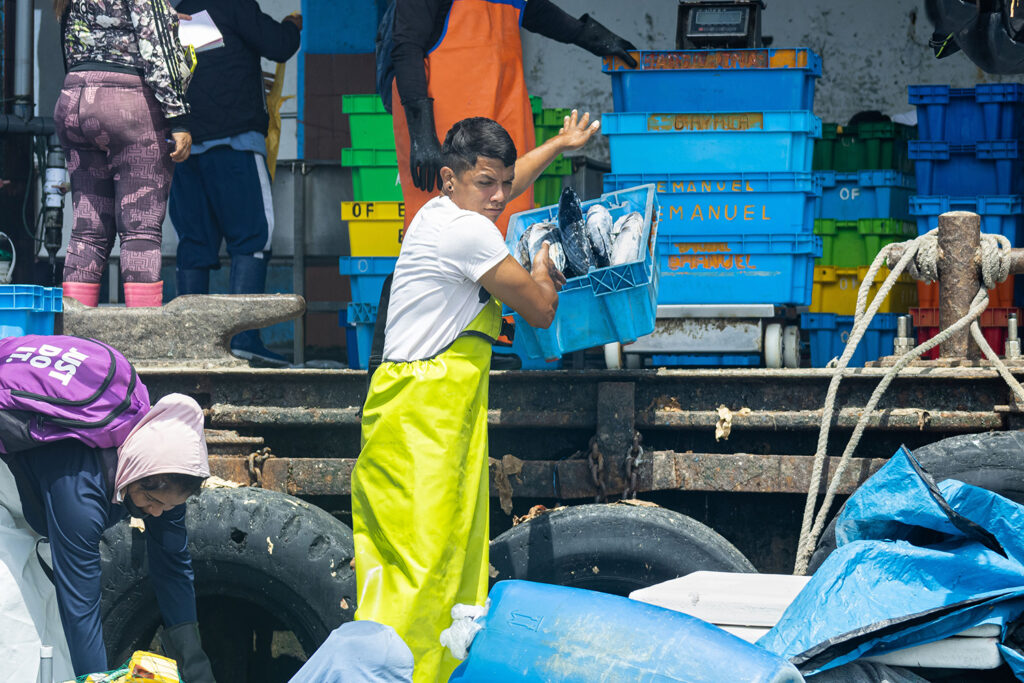
Grievance systems exist for seafood workers, but they’re infrequently used. What is industry missing?
The seafood industry has worked to identify abuses in supply chains, but grievance systems remain underused, prolonging the problem of forced labor.
Responsibility
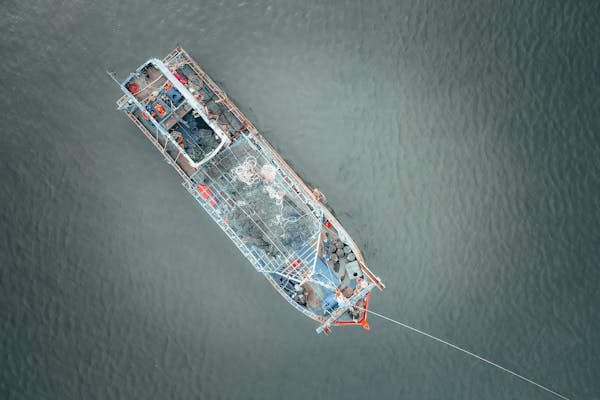
ILO survey finds forced labor risks persist in Southeast Asian fisheries
ILO survey finds 13 percent of migrant fishery workers in Southeast Asia face forced labor, with highest risks at sea.
Responsibility
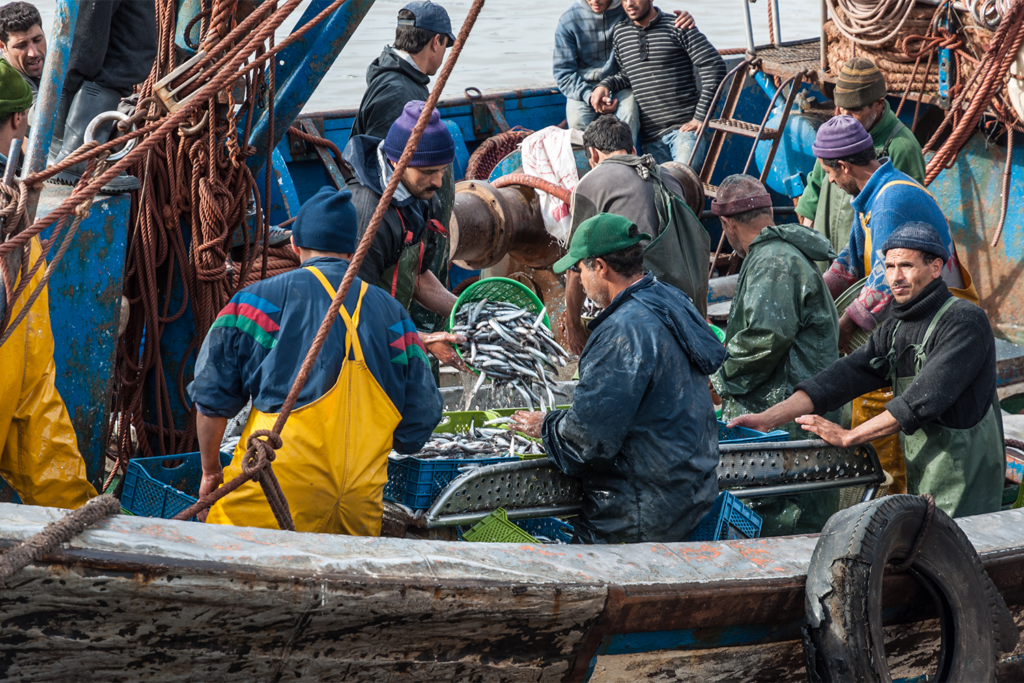
How can the fishing industry address forced labor, with the scope more in focus?
The Financial Transparency Coalition reported that IUU fishing and forced labor often go hand-in-hand and that greater transparency is key.
Fisheries
Why WiFi? A connectivity crisis is a threat to fishing crews’ well-being
A lack of affordable and reliable Wi-Fi for crews jeopardizes their well-being and exposes them to exploitation and illegal fishing practices.