


Marine plastic pollution cuts Vietnamese fishers’ income by 25 percent, study finds

Study finds marine plastic pollution costs Vietnamese fishers about $3,400 per vessel annually, with the greatest impacts concentrated in the Mekong Delta

Marine plastic pollution is costing small-scale fishers in Vietnam an estimated 25 percent of their annual income, according to a recent study.
Researchers found that marine plastic debris imposes costs of roughly $3,400 per vessel – equivalent to about 12 percent of annual vessel revenue and 25 percent of vessel owners’ income – in fishing communities near the Mekong and Red River deltas. The study was based on interviews with 199 fishers, verification surveys with an additional 94 fishers and audits of debris collected in fishing nets.
According to the study, more than half of the economic impact was linked to lost fishing time. Additional costs stemmed from reduced catch efficiency, labor required to remove plastic from catches and nets, gear repairs and efforts to clear plastic debris from vessel propellers.
The impacts were not evenly distributed across regions. Fishers in Ben Tre province near the Mekong Delta faced the greatest burden, with plastic-related costs equal to roughly 18 percent of annual vessel revenue, compared with about 10 percent in Hai Phong and Nam Dinh.
![Ad for [Aquademia]](https://www.globalseafood.org/wp-content/uploads/2025/07/aquademia_web2025_1050x125.gif)
According to the researchers, lower-income fishers in the Mekong Delta are particularly vulnerable because they operate in areas with higher concentrations of plastic pollution while generating lower revenues and catches than their northern counterparts.
Beyond the economic costs, the study documented safety concerns associated with marine debris. Nearly half of the surveyed fishers reported incidents involving ropes, nets and other debris becoming entangled in vessel propellers. Researchers said fishers described injuries – and in some cases, fatalities – linked to efforts to remove debris while at sea.
Microplastics in fish found in one-third of samples from remote Pacific islands
Furthermore, plastic pollution also appears to be a persistent operational challenge. Sixty-three percent of fishers surveyed said they encountered plastic debris in their nets during nearly every haul, while another 18 percent reported encountering plastics in more than half of their fishing trips.
The study found that consumer plastics, such as bags, bottles and single-use items, were among the most encountered forms of debris, although heavier items recovered from fishing gear were often linked to fishing activities. Researchers also identified river mouths and coastal areas as key plastic pollution hotspots, particularly during the rainy season when waste transported from land increases.
To help address the problem, the researchers discussed the potential of incentive-based “fishing for litter” programs that compensate fishers for bringing marine debris back to shore rather than discarding it at sea. Most fishers surveyed expressed interest in participating in such initiatives.
The researchers said the findings could help guide future efforts to reduce marine plastic pollution while supporting fishing communities most affected by its economic impacts.
Now that you've reached the end of the article ...
… please consider supporting GSA’s mission to advance responsible seafood practices through education, advocacy and third-party assurances. The Advocate aims to document the evolution of responsible seafood practices and share the expansive knowledge of our vast network of contributors.
By becoming a Global Seafood Alliance member, you’re ensuring that all of the pre-competitive work we do through member benefits, resources and events can continue. Individual membership costs just $50 a year.
Not a GSA member? Join us.
Author

Related Posts
Responsibility
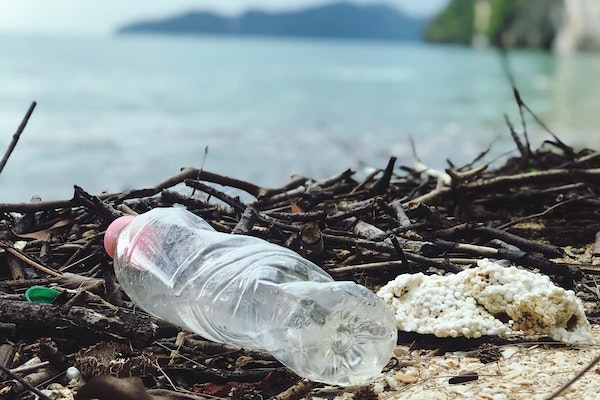
Is biodegradable plastic harmful to fish?
Although less harmful, a new study reveals that fish exposed to biodegradable plastics experienced impaired escape performance.
Responsibility
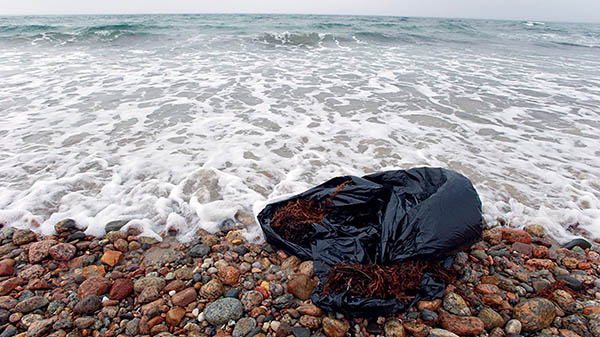
Study: Plastic waste endangers ocean ecosystems
Minderoo-Monaco Commission: Plastic waste is the cause of "significant" harm to humans, the economy and the environment, especially the ocean.
Responsibility
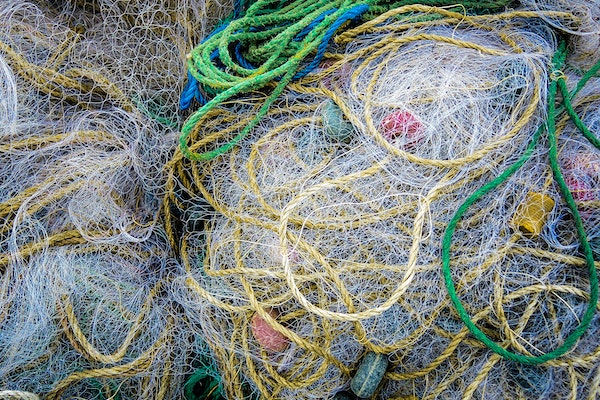
Can marine plastic from fisheries and aquaculture be upcycled into new things?
A SINTEF project is investigating how marine plastic used in fisheries and aquaculture can be turned into new products.
Responsibility
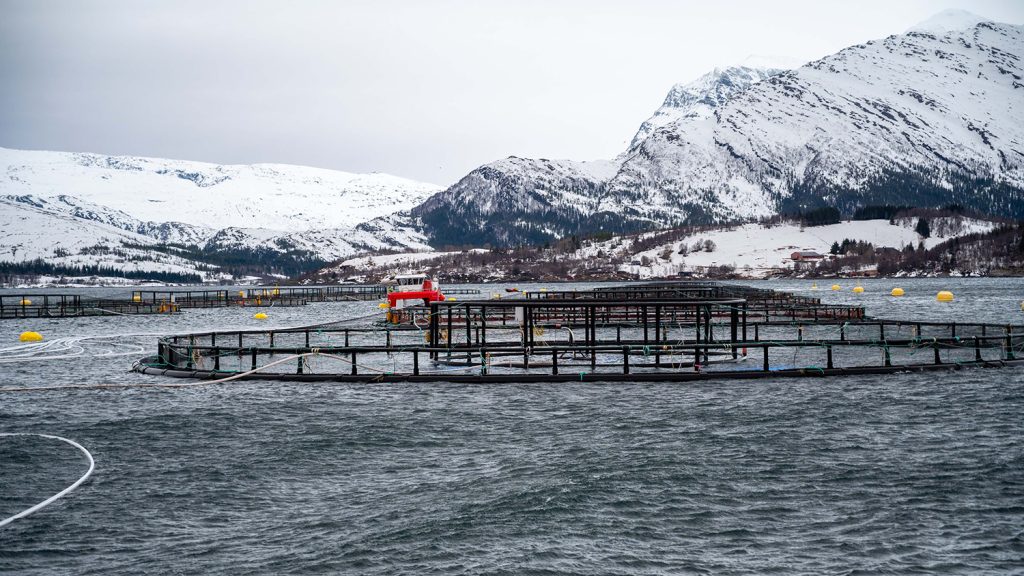
‘Why not make an entire pen?’ Aquaculture equipment company putting recycled plastic to the strength test
Aquaculture equipment specialist AKVA group and collaborators are building the world’s first aquaculture pens made entirely from recycled plastic.