


EU seafood alliance calls for aquatic foods to be included in European protein strategy

Alliance urges EU Commission to recognize seafood in the EU’s protein strategy and create a Blue Foods Action Plan
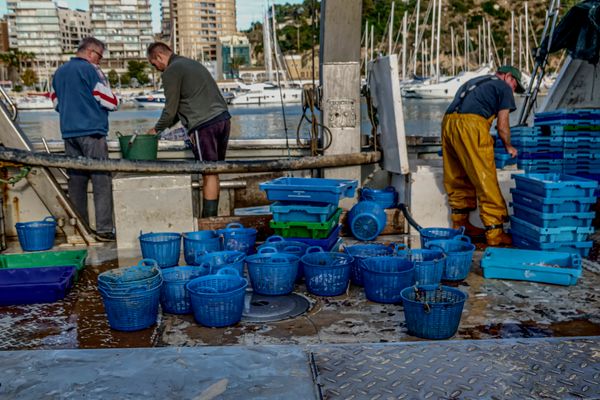
The European Union Seafood Alliance (EUSeA) is calling on the European Commission to include aquatic foods in the EU’s protein strategy after fisheries, aquaculture and seafood processing were omitted from the Commission’s new plan to strengthen Europe’s food system. It is also urging the Commission to include an EU Blue Foods Action Plan in the forthcoming Fisheries and Aquaculture Vision 2040.
The EU Commission’s new protein strategy aims to make Europe’s food system more resilient, reduce dependence on imports and support sustainable food production. While welcoming those goals, EUSeA said the strategy overlooks seafood’s role in providing protein and supporting food security.
“Seafood must be part of Europe’s protein conversation,” EUSeA wrote in a press release. “If the EU wants a resilient, sustainable and strategically autonomous protein system, aquatic foods cannot remain at the margins. Fisheries, aquaculture, processing and trade are part of Europe’s food security and competitiveness agenda.”
According to EUSeA, aquatic foods are nutritious sources of high-quality protein that also support jobs, coastal communities and trade while contributing to a more resilient food system. It said fisheries and aquaculture should receive the same strategic recognition as livestock, which the Commission has increasingly described as important to Europe’s food security.
![Ad for [BSP]](https://www.globalseafood.org/wp-content/uploads/2025/07/BSP_B2B_2025_1050x125.jpg)
“The recent shift in the Commission’s approach towards livestock is particularly noteworthy,” the EUSeA wrote. “Whereas livestock was long considered mainly a source of emissions, it is now recognized as a critical element for Europe’s food security. Fisheries and aquaculture deserve the same strategic recognition.”
Cambodia designates aquatic foods a national priority in new development roadmap
EUSeA said the Fisheries and Aquaculture Vision 2040 should recognize the role of aquatic foods in Europe’s food system and better integrate fisheries, aquaculture and seafood processing into the EU’s broader protein strategy. It said those sectors are currently excluded from the EU’s protein and livestock plans despite contributing to Europe’s food and feed supply.
The group also highlighted opportunities to make better use of fisheries and aquaculture byproducts. It pointed to several EU-funded initiatives exploring ways to turn seafood byproducts into food ingredients, cosmetics, packaging, fertilizers and other products, while creating new markets for invasive species and species with little or no commercial value.
EUSeA said it is ready to work with the EU Commission on the Fisheries and Aquaculture Vision 2040 and future protein policies to ensure aquatic foods are included alongside other protein sources.
“We want to ensure that Europe’s food and protein strategy reflects the full diversity of responsible protein sources available to European consumers,” wrote EUSeA.
Now that you've reached the end of the article ...
… please consider supporting GSA’s mission to advance responsible seafood practices through education, advocacy and third-party assurances. The Advocate aims to document the evolution of responsible seafood practices and share the expansive knowledge of our vast network of contributors.
By becoming a Global Seafood Alliance member, you’re ensuring that all of the pre-competitive work we do through member benefits, resources and events can continue. Individual membership costs just $50 a year.
Not a GSA member? Join us.
Author

Related Posts
Responsibility
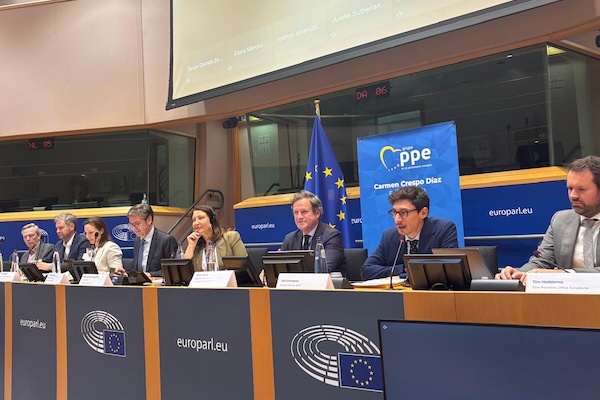
‘Europe must act now’: Coalition urges EU to adopt blue foods action plan to address food security risks
Fisheries and aquaculture groups urge European Commission to adopt a blue foods action plan to address production and food security risks.
Innovation & Investment
France receives big financial boost to develop aquaculture and seafood sectors
France has received €567 million in funding from the European Commission to help develop the aquaculture and fisheries sectors.
Responsibility
European Commission activates crisis measures to support seafood sectors impacted by Ukraine-Russia war
The European Commission has activated new crisis measures to support the seafood sectors impacted by the Ukraine-Russian war.
Responsibility
European Commission launches platform to promote algae production
The European Commission is launching EU4Algae – a European algae stakeholder platform – to expedite the algae industry's development.