Fisheries
Canada invests in ghost fishing gear removal and marine ecosystem protection
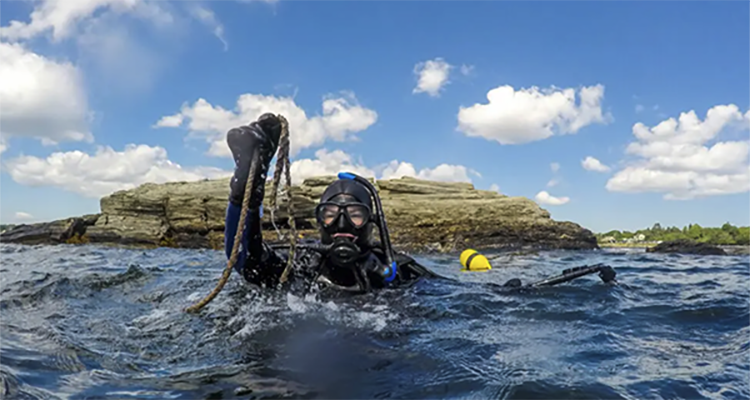
Canada is investing $10 million over three years to remove ghost fishing gear and support marine ecosystem protection.


Fisheries
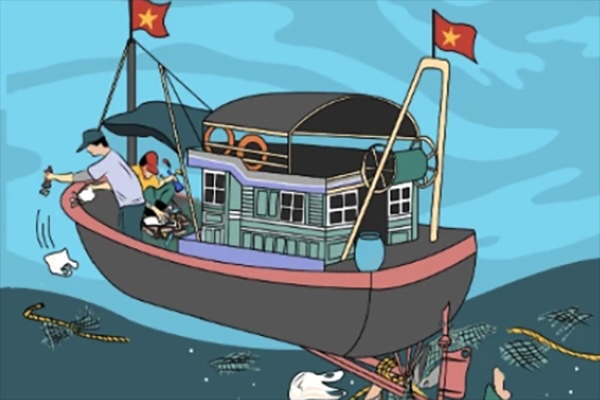
In Vietnam, marine plastic pollution cuts the income of small-scale fishers by 25 percent and costs about $3,400 per vessel annually.
Fisheries
Canada is investing $10 million over three years to remove ghost fishing gear and support marine ecosystem protection.
Innovation & Investment
Scientists are upcycling seafood waste – from shells to fishing nets – into fuel and infrastructure, pointing to new value streams.
Fisheries
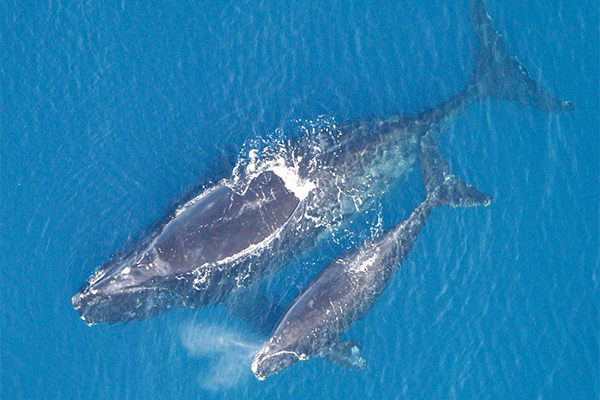
Canada unveils a five-year whalesafe fishing gear strategy aimed at reducing whale entanglements while supporting sustainable fisheries.
Innovation & Investment
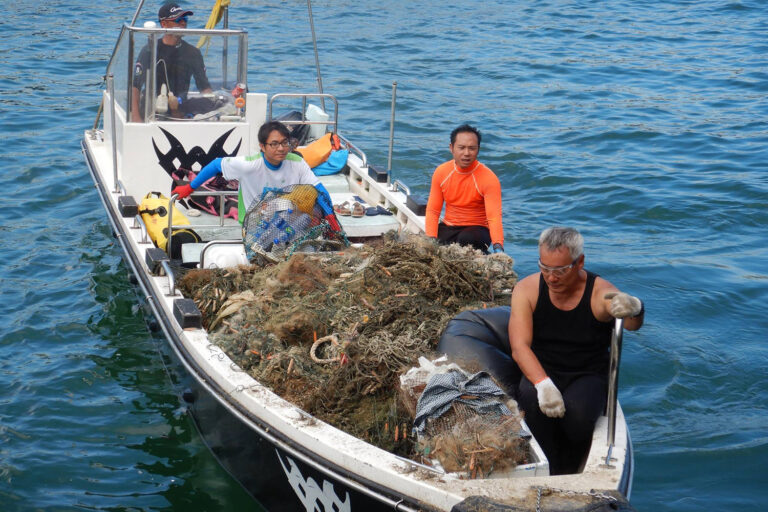
An initiative launched in Germany to deploy AI to find ghost fishing gear uses existing high-resolution sonar data from the seabed.
Fisheries
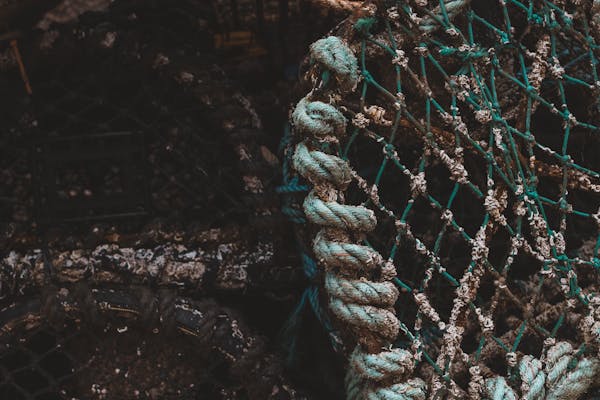
Scientists in Norway are developing biodegradable fishing gear to reduce plastic pollution in the ocean and prevent harmful microplastics.
Fisheries
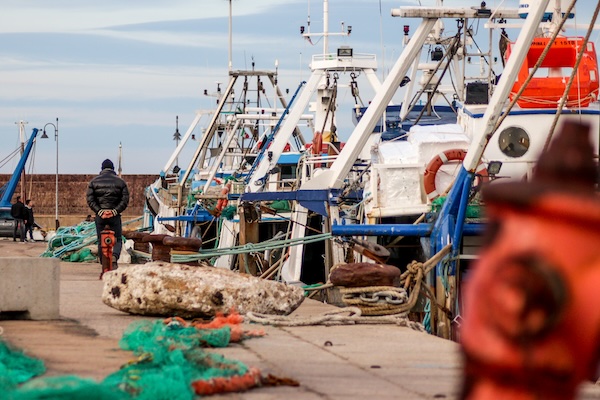
A new project seeks to develop circular fishing gear and port solutions to reduce marine plastic pollution and support responsible fisheries.
Responsibility
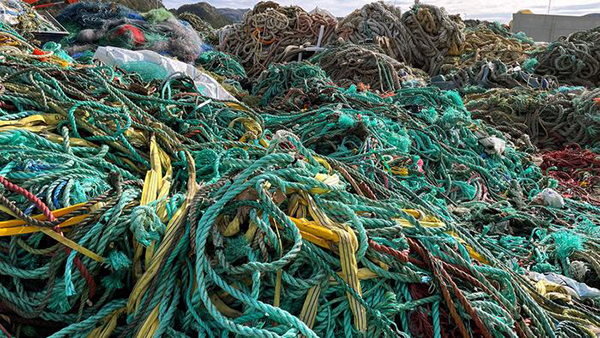
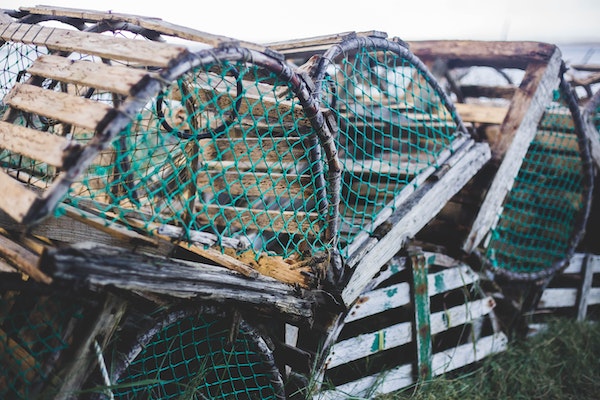
A new study estimates how much fishing rope is lost in Norway and examines how the Norwegian fisheries sector handles ropes.
Responsibility
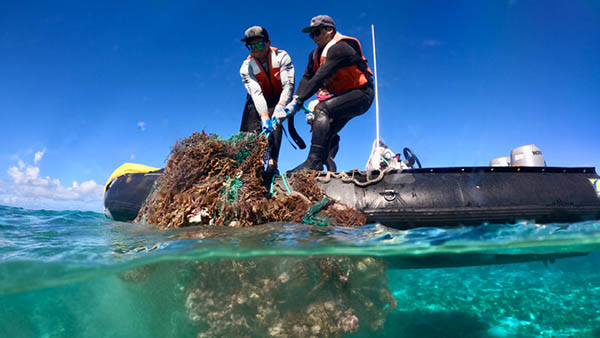
Scientists hauled in almost 55,000 pounds of ghost fishing gear from the seafloor – an estimated economic loss of $240,000 yearly.
Responsibility
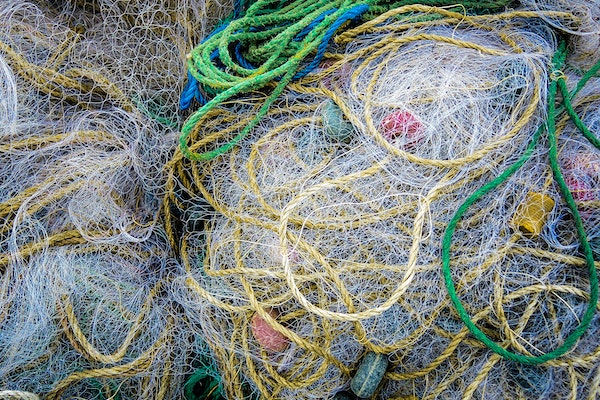
NOAA Sea Grant will support projects to remove and recycle marine debris, improve fishing net technology and develop community partnerships.
Responsibility
A SINTEF project is investigating how marine plastic used in fisheries and aquaculture can be turned into new products.
Responsibility
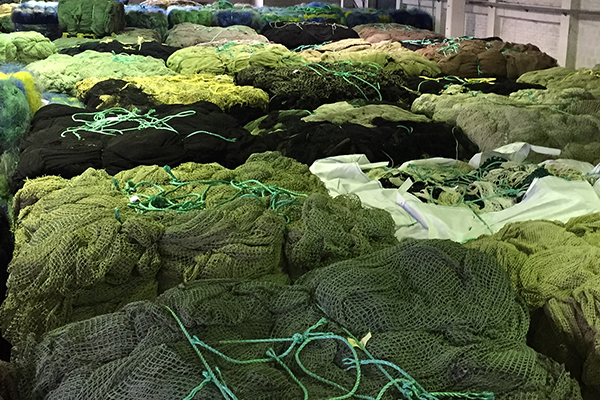
Egersund Net has helped recycle 17,000 metric tons of aquaculture equipment over 12 years, saving an estimated 51,000 metric tons of CO2.
Fisheries
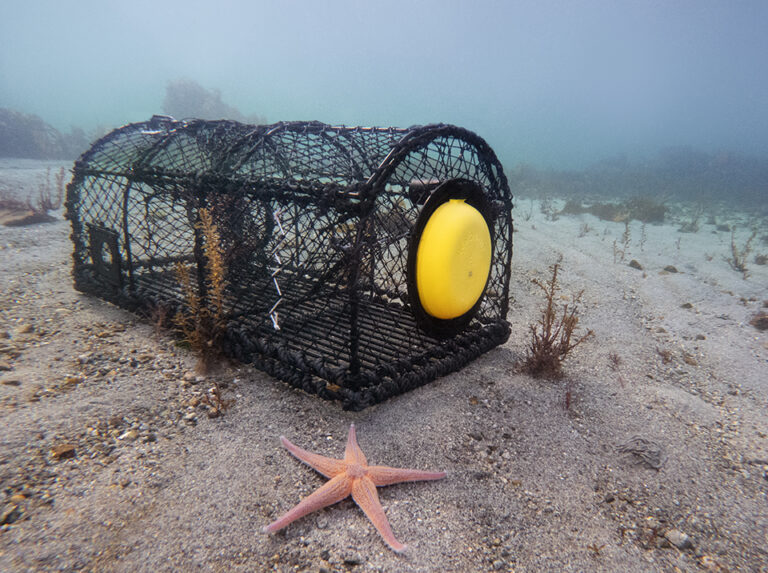
The global ghost fishing problem has negative environmental and economic impacts, but new technology could help locate and retrieve lost fishing gear.
Fisheries
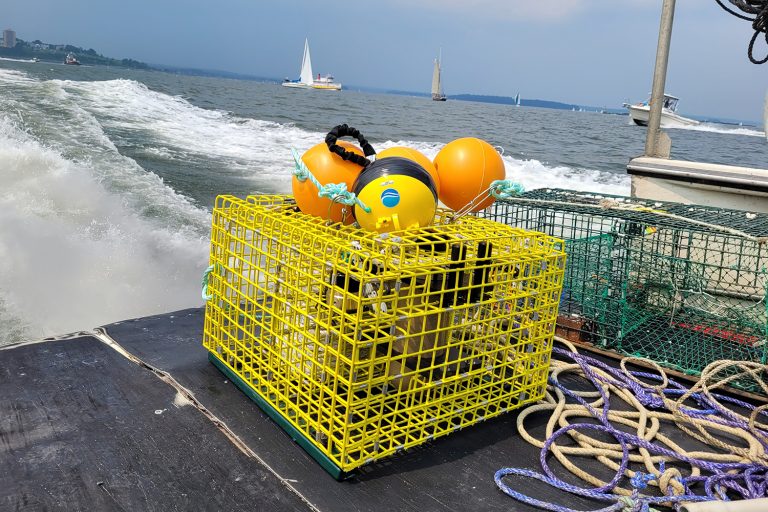
Ropeless fishing gear can prevent whale entanglements and reduce the amount of discarded or lost fishing equipment but the cost is a limiting factor.
Fisheries
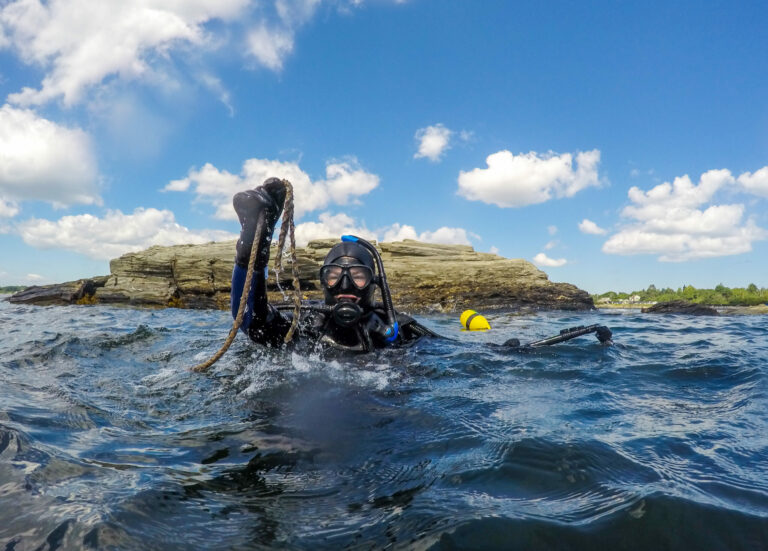
Abandoned, lost or discarded fishing gear can inflict damage on marine life and the ocean, but what's the economic cost of ghost gear?