


Illuminating the way: How light technology is reshaping fisheries

‘Disco Scallops’ aren’t the only seafood being harvested more economically and with less bycatch and seabed damage by using customized lights
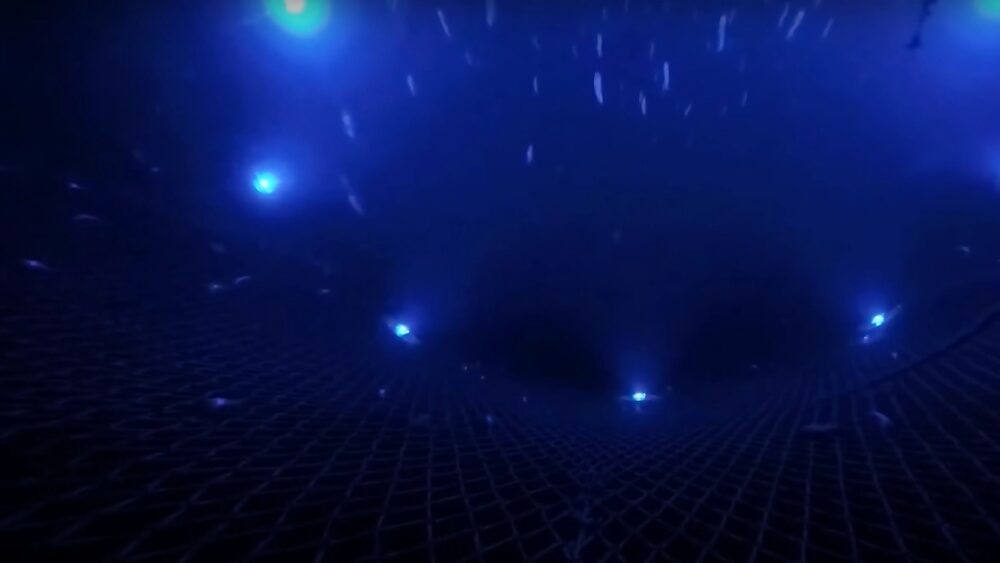
From illuminated pots and escape devices to pumping systems for krill, researchers and technology developers are exploring how specific light wavelengths, intensities and deployment methods influence fish behavior.
Done correctly, proponents argue, light technology could help fisheries become more selective, reduce bycatch, limit seabed impact and unlock new, complementary fishing opportunities at a time when many fleets are under intense economic pressure.
Insights shared with the Advocate by underwater camera specialist CatchCam, Norwegian technology developer Harvish and the U.K.-based Disco Scallops Initiative highlight both the promise – and the current limits – of using light as a fisheries tool.
All insist that seeing the sea differently is key.
![Ad for [Aquademia]](https://www.globalseafood.org/wp-content/uploads/2025/07/aquademia_web2025_1050x125.gif)
“Fish have eyes, but we don’t always design fishing gear with that in mind,” said Tom Rossiter, co-founder of CatchCam. “We tend to think like humans, not like fish.”
Light behaves very differently underwater than it does in air. As sunlight penetrates the water column, longer wavelengths such as red and orange are absorbed first, leaving blue light dominant at depth. Artificial light can therefore reintroduce colors and intensities that animals may not otherwise encounter, triggering attraction, avoidance or altered swimming behavior.
Crucially, those responses are species-specific and context dependent. Season, depth, turbidity, reproductive cycles and stress all influence how fish and invertebrates react – one reason why light has delivered mixed results in some fisheries and strong outcomes in others.
Another key distinction is between mobile fishing and static or low-disturbance gear, Rossiter explained.
Mobile gears such as trawls and dredges introduce what he describes as “chaos”: noise, pressure changes, turbulence and physical disturbance. In those conditions, fish behavior becomes erratic.
“When animals are stressed, they don’t behave naturally,” he said. “That makes it very hard to get a consistent, repeatable response to light.”
Static gear, by contrast, creates a calmer environment. Pots, traps and stationary systems allow animals to approach under relatively benign conditions, making behavioral cues such as light far more effective. This perception underpins much of the recent progress in light-based fishing and is central to both krill pumping trials in Norway and scallop potting experiments in the United Kingdom.
‘Disco Scallops’ as a proof of concept
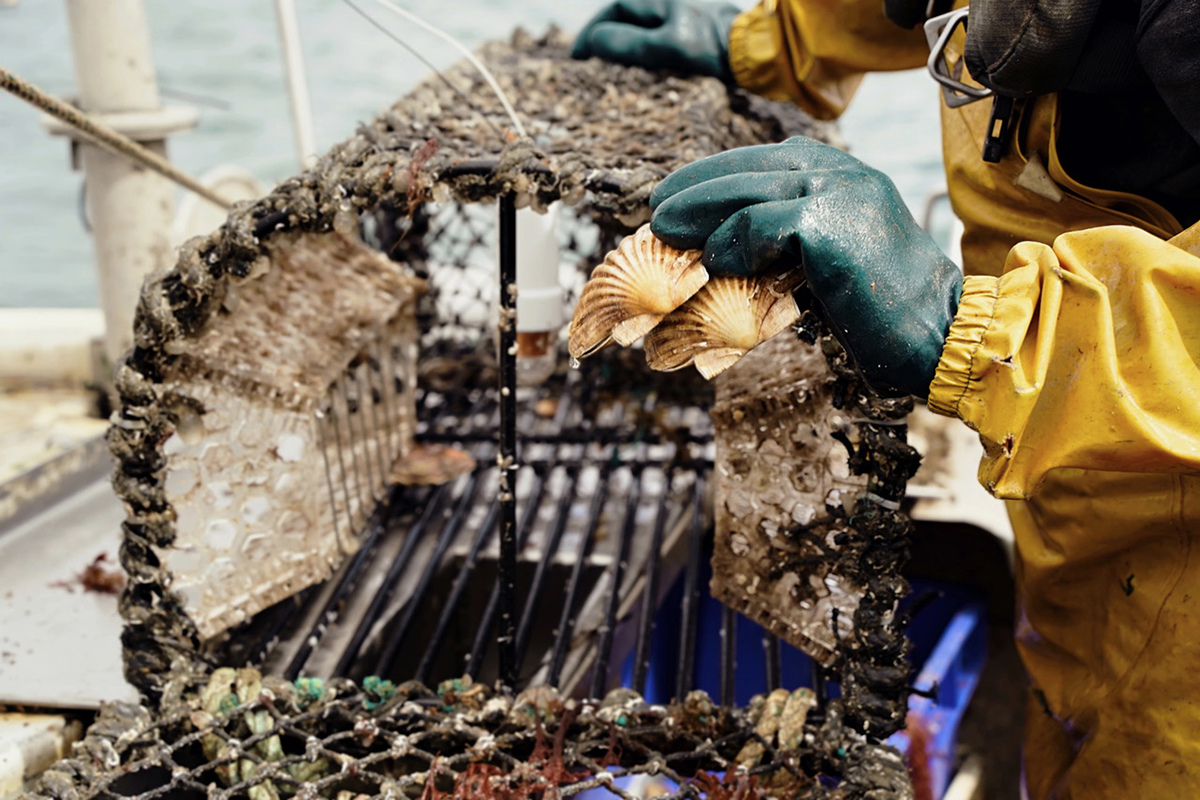
An example of light being used in a static fishery is the Disco Scallops Initiative – a partnership of engineers, marine scientists and food innovators. It uses low-intensity LED lights inside pots to attract scallops without dredging the seabed.
The project followed on the heels of the observation that scallops were being caught in LED-lit crab pots. A reimagined supply chain that distinguished pot-caught scallops from dredged scallops ensued, and with it, a new offshoot of sustainable shellfish fishing was created.
Project rep Rachel Walker-Boggis clarified the idea was not to replace existing fisheries but to diversify low-impact options.
“Hand-dived scallops make up less than 5 percent of the market,” she said. “What we’re doing is widening that pool so there’s another option for people who want scallops that they feel good about eating.”
While uptake among fishermen has been sluggish – largely due to seasonality and the cautious economics of inshore fleets – Walker said the interest from chefs and restaurants was strong and immediate.
“That, in itself, proves there’s demand for this kind of product,” she said. “The challenge is matching that demand with reliable supply.”
The project has also highlighted a familiar tension in fisheries innovation: Supply chains and consumers often move faster than policy and regulation. Potting scallops has gained a seat at the policy table in England, but progress remains incremental.
“These things are slow,” Walker said. “You’ve got fishermen willing to try something different, supply-chain companies that see the value and restaurants responding to consumer interest, but if management frameworks don’t adapt, it becomes very hard to scale.”
Harvish and light-based krill harvesting
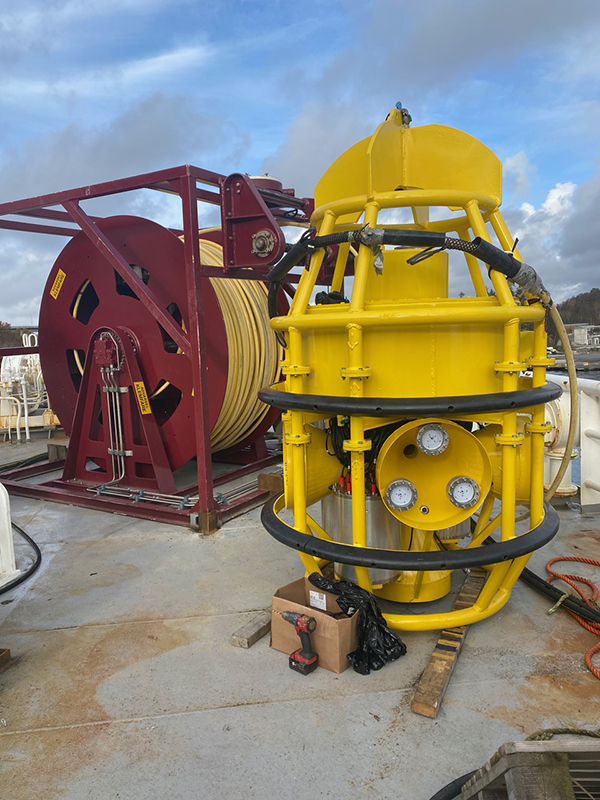
Harvish’s work on krill offers another example of how light can be deployed in a controlled, low-impact way.
Krill are regarded to be among the most responsive species to artificial light, known in some areas to gather in dense swarms within a matter seconds. This responsiveness makes it a compelling candidate for light-based harvesting and helps explain Harvish’s focus.
Rather than trawling, the company has developed a system that uses species-specific blue light to attract krill, which are then gently pumped aboard. The approach is designed to minimize bycatch and physical damage while preserving product quality.
“When we tested the first system in Iceland, scientists from the Marine Research Institute were onboard,” said Monica Langeland, a fisheries biologist working with Harvish. “They estimated bycatch at around 0.03 percent.”
Video footage showed krill arriving on deck alive and intact – an important distinction in a fishery where conventional trawling often results in crushed animals that begin decomposing almost immediately.
A key design improvement in the second-generation system was positioning the light directly inside the mouth of the pump. “Now the animals go exactly where we want them to go,” Harvish Co-founder Rolf Kobbeltvedt explained. The wavelength used closely matches the blue bioluminescence krill naturally produce themselves, making the stimulus familiar rather than disruptive.
The company believes similar principles could eventually apply to other small pelagic or mesopelagic species, provided their behavioral responses are properly understood.
Can solar-powered net lights cut sea turtle bycatch without reducing target catch?
Selectivity and bycatch reduction
Reducing bycatch is a central theme across light-based innovations. CatchCam’s Pisces system was originally developed as a behavioral selection tool, using illuminated escape routes to encourage unwanted species or undersized fish to leave fishing gear voluntarily. The system allows operators to adjust color, intensity and flashing patterns, making it particularly valuable for research.
While Pisces has seen limited commercial uptake – largely due to cost – it has helped establish a critical point: Light can influence behavior, but only when conditions allow animals to respond naturally.
That same principle underpins Disco Scallops. “Scallops won’t appear where they don’t exist,” Walker said. “The light doesn’t create scallops – it just gives them a reason to move.”
Neither CatchCam, Harvish nor Disco Scallops presents light technology as a universal solution. Instead, all three emphasize its role as a complementary tool, particularly for vessels facing reduced quotas, spatial restrictions or rising costs.
“There are a lot of boats tied up for months at a time,” said Kobbeltvedt. “If they can add a seasonal fishery using a plug-and-play system, that changes the economics.”
Walker echoed that view from a U.K. inshore perspective. “Fishermen have been burned before,” she said. “Asking them to invest in new gear is asking for trust. That only comes if systems are flexible, low-risk and supported by management.”
Data, AI and next phases
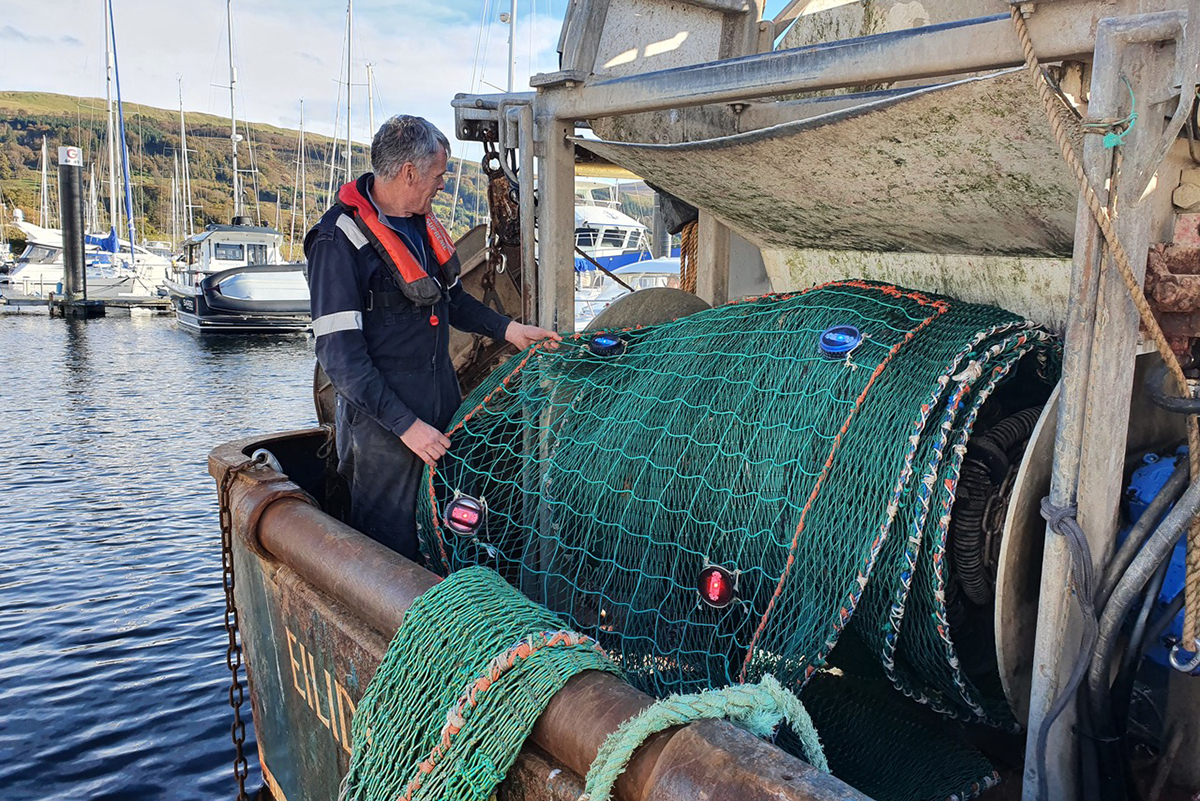
Looking ahead, developers see light technology increasingly intersecting with data analytics, sensors and artificial intelligence.
Harvish is already combining light-based harvesting with autonomous sail-drone surveys to map krill distributions at a fraction of the cost of traditional research vessels. CatchCam, meanwhile, sees AI as a way to process vast volumes of underwater video and behavioral data.
Fish behavior is influenced by countless variables and human operators can only process so much information. Machine learning offers a way to identify patterns, adjust light deployment dynamically and move closer to the elusive “sweet spot” fishers are always chasing.
Collectively, Disco Scallops, CatchCam and Harvish point to a broader shift in fisheries innovation – from force to behavioral understanding. By using light to guide rather than chase, attract rather than disturb, these technologies suggest a future where fishing is not only more selective and sustainable, but also more economically resilient.
“There’s no silver bullet,” Rossiter said. “But if you remove chaos and start working with animal behavior instead of against it, light becomes a very powerful tool.”
Now that you've reached the end of the article ...
… please consider supporting GSA’s mission to advance responsible seafood practices through education, advocacy and third-party assurances. The Advocate aims to document the evolution of responsible seafood practices and share the expansive knowledge of our vast network of contributors.
By becoming a Global Seafood Alliance member, you’re ensuring that all of the pre-competitive work we do through member benefits, resources and events can continue. Individual membership costs just $50 a year.
Not a GSA member? Join us.
Author
-

Jason Holland is a London-based writer for the international seafood, aquaculture and fisheries sectors. Jason has accrued more than 25 years’ experience as a B2B journalist, editor and communications consultant – a career that has taken him all over the world. He believes he found his true professional calling in 2004 when he started documenting the many facets of the international seafood industry, and particularly those enterprises and individuals bringing change to it.
Related Posts
Fisheries
Good fences make good fisheries: Alaska flatfish fleet mitigates orca bycatch via innovation
The “orca fence,” designed to mitigate accidental catch of killer whales, is showing positive results after only a couple years of use.
Fisheries
‘Catching salmon is our worst nightmare’: Alaska’s pollock industry’s bycatch solutions are driven by technology – and emotions
Reducing king and chum salmon bycatch in Alaska’s pollock fishery has required an industrywide effort with data sharing and new technology. Is it enough?
Intelligence
‘Through science, there’s no question’: How evidence-based transparency is changing seafood traceability
ORIVO, a science-based testing and certification service for the global feed and supplement industry, aims to change seafood traceability.
Fisheries
‘We were just looking for a way to fish better’: How one partnership is reinventing commercial fishing nets to reduce bycatch and improve animal welfare
Precision Seafood Harvesting’s novel reimagining of commercial fishing nets provides innovative solutions to both bycatch and animal welfare issues.