


Analysis: How the Middle East conflict is already pressuring global seafood markets

Rabobank analyst Gorjan Nikolik sees disrupted trade routes and shifting demand reshaping markets over time
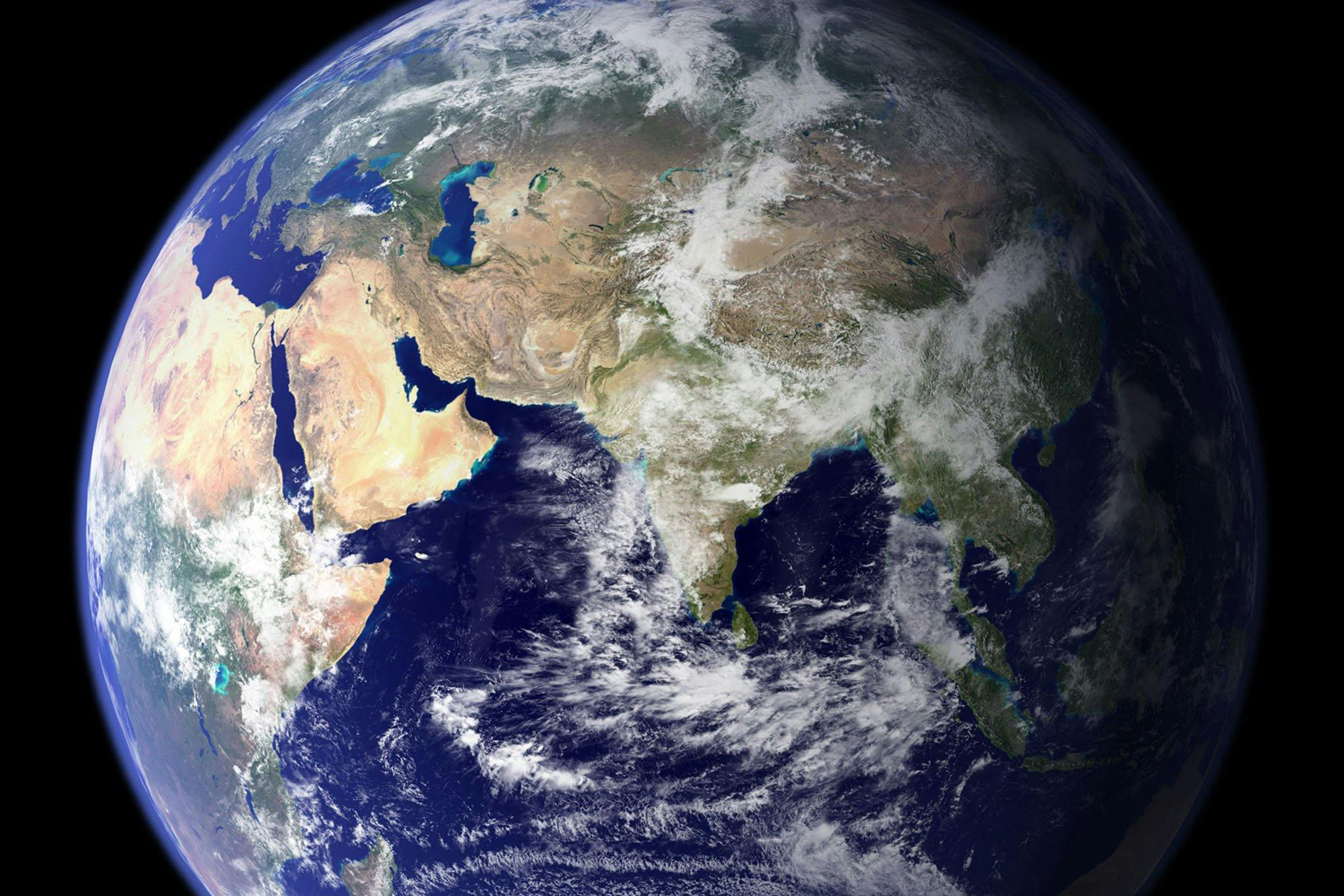
As war escalates in the Middle East, the economic impacts are spreading far beyond the region. Oil is moving sluggishly through the Strait of Hormuz – a narrow passage through which roughly one-fifth of the world’s supply travels – driving energy prices higher and straining global supply chains.
What starts in energy markets is felt elsewhere, as the Middle East is also a major hub for fertilizers, petrochemicals, feedstocks and food. The impacts of the conflict are already showing up in everyday costs. In the United States, gasoline prices increased more than 20 percent in the past month, while diesel – the fuel that moves food and goods – jumped more than 30 percent.
According to an exclusive global analysis from Rabobank shared with the Advocate but not publicly available, those pressures are now reshaping seafood markets, with impacts expected to build over time.
“You have the direct impacts – like the cost of fuel,” said Gorjan Nikolik, senior global seafood specialist at Rabobank. “Then you have the impacts that take time to get into prices.”

Energy costs spike
The most immediate impact is energy. Fuel is a core input across the seafood value chain, from vessels at sea to land-based farms. In wild-capture fisheries, Nikolik noted that fuel represents 15 to 30 percent of operating costs in capture fisheries, with older and more energy-intensive fleets, such as bottom trawlers, feeling the most pressure, whereas pelagic midwater trawlers and newer, more fuel-efficient vessels are less impacted.
Aquaculture is also exposed, as energy is required for pumping, aeration and feeding systems, while rising fuel costs are feeding into the price of key inputs. Shrimp farming, Nikolik said, has energy requirements, specifically mentioning the use of paddle wheels to aerate ponds.
Fertilizer markets – closely tied to both energy and Middle Eastern supply – are also tightening, pushing up aquafeed and production costs more broadly.
“The Middle East is a major exporter of fertilizer, and it also uses certain ingredients that come from hydrocarbons,” said Nikolik. “It’s a double impact there.”
Global trade traffic slows
Slow transport adds another layer of pressure. Airspace restrictions and rerouted flights increase both costs and transit times for seafood shipments, particularly for fresh, high-value products.
“Europe exports a lot of seafood to Asia by air – from Norway, Scotland, the Faroe Islands,” said Nikolik. “Now it’s not only much more expensive but also disrupted. It’s harder to get there and may require different routes.”
For exporters, where speed and freshness are critical, those disruptions can quickly translate into higher costs or reduced market access.
“Some routes are still manageable – such as via the North Pole to Japan,” Nikolik said. “But getting to South China, Singapore or Hong Kong is much more difficult.”
As vessels take longer routes and fewer are available, capacity tightens – potentially driving up costs.
“When you have a capacity problem, you have a cost problem,” Nikolik said.
The price impact will be slower, longer
While fuel costs have surged almost immediately, the implications for seafood prices are expected to unfold more gradually, working through the supply chain over time. Production cycles alone can delay the impact.
“Shrimp could be three to five months, but salmon is three years,” said Nikolik. “Even a tuna caught today can move through wholesale and distribution for up to a year before it’s processed and reaches the consumer.”
The industry’s structure means price increases aren’t passed on all at once. Instead, they tend to trickle down – from producers to processors to buyers – often lagging behind existing contracts.
“One part of the value chain gets a price impact, passes it on partially, and then later contracts reflect the full price,” Nikolik said. “Even retailers, depending on the product, may only reset prices a few times a year. It’s a very long cycle.”
That staggered process can stretch the impact over several years, creating a slower but more persistent rise in prices.
“It’s almost like a wave,” said Nikolik. “That’s how we envision the impact.”
‘We are not going to get rid of our fresh seafood cases’ and other insights on inflation from SENA
Seafood demand could soften
Rising costs could weigh on demand, as higher fuel and food prices eat into consumers’ disposable income, particularly in price-sensitive markets. Seafood consumption tends to respond quickly to those pressures.
“If people are pushed in their wallet, there is a disposable income crunch,” Nikolik said. “You often see a movement out of fresh seafood and restaurants into cheaper options.”
Tourism – another key driver of seafood demand – is also expected to slow as travel becomes more expensive and less predictable. “More expensive flights mean less tourism,” Nikolik said.
Taken together, the combination of rising costs and softer demand presents a more challenging outlook for the seafood sector.
“You have inflation combined with higher prices, but at the same time, there’s a demand drop,” Nikolik said. “If you add it up, the outlook could be quite negative.”
While some impacts are already visible, others are still working their way through the system – and may continue to do so for years.
“We’re thinking about a global impact that could range from now until three, four, five years,” Nikolik said.
But could sustained pressure from fuel costs push the industry toward greater utilization of renewable energy? As fuel prices rise, similar shocks have already accelerated investment in electrification and alternative energy. For seafood, where fuel is a major cost input, that pressure could gradually reshape how products are harvested, farmed and transported.
And while the outlook remains uncertain, the seafood industry has shown it can pivot.
“If energy costs remain high, companies will look for ways to reduce that exposure,” Nikolik said. “The industry is super creative – they’ll find ways to adapt.”
Now that you've reached the end of the article ...
… please consider supporting GSA’s mission to advance responsible seafood practices through education, advocacy and third-party assurances. The Advocate aims to document the evolution of responsible seafood practices and share the expansive knowledge of our vast network of contributors.
By becoming a Global Seafood Alliance member, you’re ensuring that all of the pre-competitive work we do through member benefits, resources and events can continue. Individual membership costs just $50 a year.
Not a GSA member? Join us.
Author
-

Lisa Jackson is a writer based in Hamilton, Canada, who covers a range of food and environmental issues. Her work has been featured in Al Jazeera News, The Globe & Mail and The Toronto Star.
Related Posts
Intelligence
After a turbulent 2023, ‘signs of optimism’ ahead for global seafood production
Rabobank's annual seafood production report suggests a more optimistic production outlook for 2024 compared to 2023.
Innovation & Investment
Aquaculture is winning, Rabobank analyst explains
Aquaculture is the “winning protein,” according to a new Rabobank report that its author, Gorjan Nikolik, said is intended to draw the bank’s agro-industry clients to opportunities in the fish farming business.
Innovation & Investment
A salmon farm in Dubai, because of course
Last year Dubai-based Fish Farm LLC sold the first batch of salmon to be born and bred in the United Arab Emirates. More are certainly coming.
Responsibility
‘They thought we were crazy’: Behind one Faroe Island salmon farmer’s bold stance to reduce its carbon emissions
Hiddenfjord executive’s insistence that “fish should never fly” flies in the face of industry norm. This Faroe Island salmon company intends to do things greener.