


Aquaculture potential and challenges for arapaima, the Amazon giant redfish, part 1: Historical perspectives

Valuable insights for the remarkable arapaima and its introduction to aquaculture
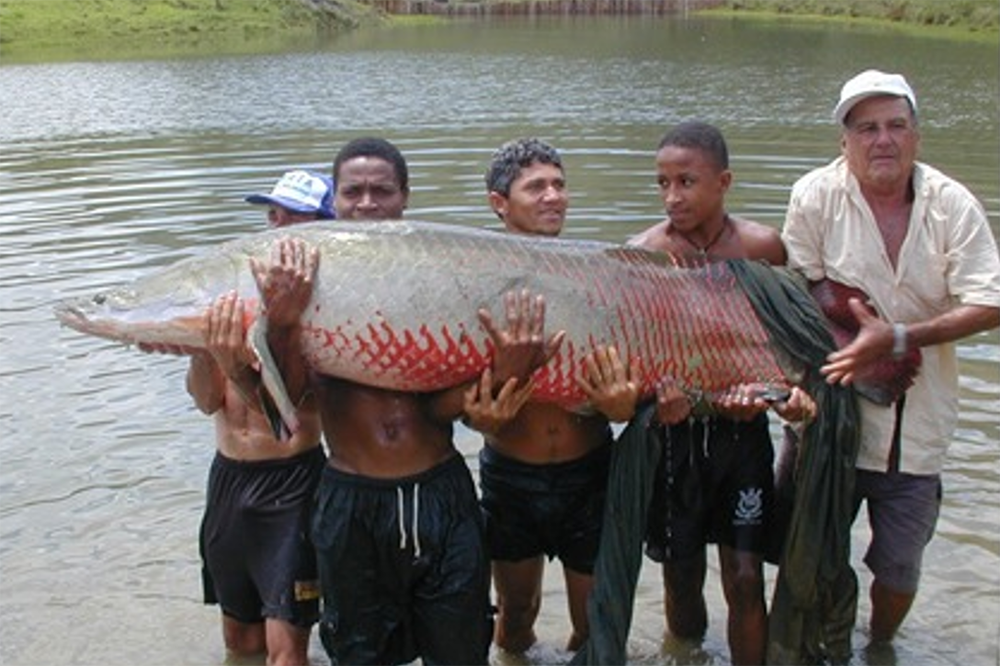
Few freshwater fish capture the imagination quite like arapaima, the giant Amazonian redfish (Arapaima gigas). Known in Brazil as pirarucu and in Peru and other countries as paiche, this extraordinary species combines biological uniqueness, culinary excellence, and remarkable growth potential. These traits have led many aquaculture specialists to view it as one of the most promising native fish species for large-scale aquaculture development in South America.
Despite its advantages – rapid growth, exceptional meat quality and resilience in challenging environments – the industry surrounding this fish remains relatively small. Production levels are far below what might be expected for a species so well suited to aquaculture. The history of arapaima farming reveals a story filled with early experimentation, technological breakthroughs, regulatory challenges and ambitious ventures that did not always succeed. Understanding this history is essential for anyone hoping to unlock the full potential of this remarkable fish.
An Amazon giant
Arapaima is among the largest scaled freshwater fish on Earth. Reports from historical accounts describe individuals reaching lengths of up to 4.5 meters and weights approaching 350 kilograms. While such sizes are rarely observed today, they reflect the immense growth potential that makes the species so attractive for aquaculture.
The name Pirarucu originates from indigenous Brazilian languages and translates roughly to “red fish.” The name refers to the striking reddish coloration displayed by adult males during the breeding season. Outside of this period, the fish typically exhibits a more subdued coloration –shades of green and brown that allow it to blend seamlessly into the murky waters and flooded forests of the Amazon Basin.
![Ad for [BSP]](https://www.globalseafood.org/wp-content/uploads/2025/07/BSP_B2B_2025_1050x125.jpg)
This ability to camouflage is only one example of the species’ evolutionary adaptations. Arapaima have exceptionally tough, armor-like scales that have fascinated scientists studying natural materials and biological defenses. These scales are capable of resisting attacks from piranhas and other predators, making the fish one of the most formidable inhabitants of Amazonian waters. Another extraordinary feature is the species’ air-breathing ability. Arapaima have a primitive lung-like organ that allows them to gulp atmospheric oxygen at the surface. This adaptation enables them to survive in waters where dissolved oxygen levels are extremely low – a common condition in the Amazon floodplain.
Because of these ancient physiological characteristics, paleontologists often describe the species as a “living fossil.” Fossil evidence dating back millions of years supports the idea that arapaima have existed in an essentially similar form for a very long time. Discoveries of fossils estimated at around 13 million years old in Colombia illustrate just how ancient this lineage may be.
A premium food fish
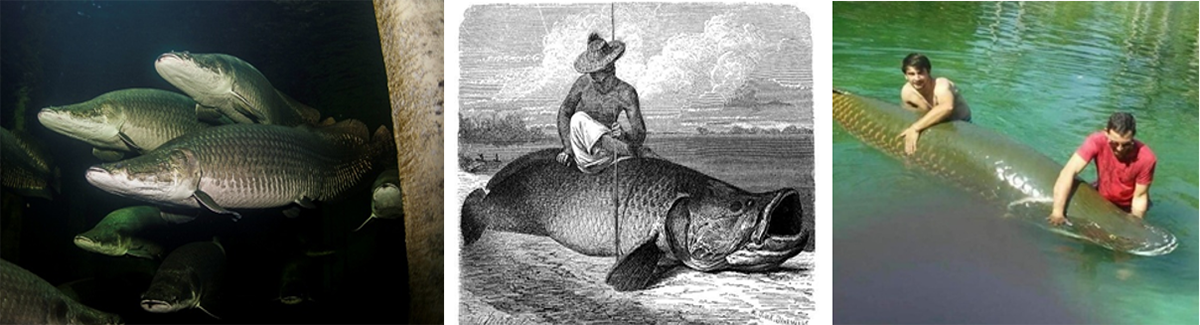
Beyond its biological charm, arapaima is valued as an exceptional food fish. Few freshwater species combine such rapid growth with such high-quality flesh. Fillet yields can reach approximately 60 percent – an unusually high recovery rate that greatly benefits processors. The meat is firm, boneless and mild in flavor, characteristics that make it attractive to chefs and consumers alike. Historically, this fish has long served as an important food source for people living in the Amazon. As early as the 1500s, Portuguese settlers were already exporting salted pirarucu meat to Europe. Today, the fish is again gaining recognition as a premium, white-fleshed seafood product.
Major retailers have even marketed it as a sustainable alternative to species such as halibut or Chilean sea bass. For consumers seeking high-quality fish with a compelling sustainability story, arapaima presents a highly appealing option. And the culinary world has increasingly taken notice: for example, celebrity chef Gordon Ramsay once described the fish as a “beautiful protein, fit for fine dining,” while restaurateur Joe Bastianich praised its clean flavor and versatility in both delicate and bold dishes.
Exceptional aquaculture traits
From an aquaculture perspective, Arapaima possesses an impressive combination of traits. Growth rate is perhaps the most remarkable. Under farming conditions in Brazil, fish often reach 10 to 12 kilograms within their first year when fed commercial feeds. When diets include abundant forage fish, weights exceeding 20 kilograms are possible within the same period. By comparison, farmed Atlantic salmon typically require two years to reach market weights of 4 to 6 kilograms. This rapid growth dramatically shortens production cycles and improves economic potential.
The species tolerates poor water quality and even acidic conditions, sometimes surviving in water with pH values below 4 – such resilience is rare among cultured fish species. And its physiology also offers unique operational advantages. Because arapaima can breathe air, they are less dependent on dissolved oxygen levels in the water. This reduces the need for mechanical aeration systems and allows producers to operate safely in environments where other fish might struggle.
Production trials have demonstrated that arapaima can be stocked at densities approaching 200 kilograms per cubic meter in certain systems without aeration. Survival rates during production are generally high and the fish are relatively resistant to off-flavor problems that plague many aquaculture species. Taken together, these characteristics make arapaima one of the most promising candidates for tropical freshwater aquaculture.
Early aquaculture experiments
Despite these advantages, the path toward commercial production has been far from straightforward. One of the earliest documented successes occurred in 1939 when Brazilian researcher Carlos Estevão de Oliveira achieved captive reproduction of the species at the Goeldi Museum in Pará. This accomplishment was remarkable for its time, considering how little was known about the species’ reproductive biology.
Just a few years later, an experiment was conducted in northeastern Brazil that would provide further insight into the fish’s aquaculture potential. Juvenile arapaima were transferred to an aquaculture station in Ceará, where biologist Osmar Fontenelle explored their use as biological control agents for piranha populations in irrigation reservoirs. The results were dramatic.
Within five years the fish reached lengths of about 1.5 meters and weights of approximately 60 kilograms. They formed breeding pairs, constructed nests and reproduced naturally in earthen ponds. Fingerlings were initially fed forage fish before being released into reservoirs, where they thrived and significantly reduced piranha populations. By 1947 alone, about 79 tons of arapaima were harvested from the reservoirs, including three-year-old fish approaching two meters in length.
These early experiments demonstrated two critical points: The species grows extremely quickly when fed a nutritionally complete diet and it can reproduce successfully in controlled environments. Unfortunately, the absence of modern fish feeds and sustained institutional support meant that these promising developments were not fully pursued.
Research resumes decades later
Interest in arapaima aquaculture resurfaced several decades later as aquaculture expanded globally. In the 1970s, research stations in Peru conducted pond fertilization experiments aimed at increasing forage fish production. These studies produced arapaima weighing around 16 kilograms within a single year, once again highlighting the species’ extraordinary growth potential.
In Brazil, researcher Emir Palmeira Imbiriba of the Brazilian Agricultural Research Agency (EMBRAPA) published technical manuals describing methods for handling and raising pirarucu. His work included practical guidance on capturing fingerlings, transporting them and managing ponds. Imbiriba also documented traditional practices used by river communities, who sometimes raised Arapaima in wooden enclosures suspended in rivers and fed them with forage fish.
These early publications helped reintroduce the idea that arapaima could become an important aquaculture species if appropriate production methods were developed.
Decline of wild populations
While aquaculture research progressed slowly, wild arapaima populations were facing growing pressure. Historically, the species was difficult to harvest because of its enormous size and heavily armored scales. However, advances in fishing technology – particularly the use of metal spears and gillnets – eventually made the fish more vulnerable. Over time, intense commercial fishing dramatically reduced wild populations throughout the Amazon Basin.
In response, Brazil placed the species under international protection through listing in the Convention on International Trade in Endangered Species (CITES). While this step was essential for conservation, it also complicated aquaculture development by limiting access to broodstock and fingerlings.
The Amazon Delta boom
Despite regulatory constraints, a unique form of arapaima aquaculture emerged in Brazil’s Amazon delta region. In the state of Pará, producers discovered that natural waterways could be converted into large flow-through enclosures by installing metal fencing across smaller channels. These improvised raceways allowed fish to grow in semi-natural conditions while remaining confined. Local fishermen supplied juvenile arapaima and low-value forage fish for feed. Because the system relied heavily on natural productivity and locally available resources, production costs remained relatively low. The approach proved surprisingly successful. Arapaima grew rapidly in these environments and the resulting products found markets in Europe.

In addition to meat, the fish’s thick skin became an important byproduct. The skin’s distinctive scale pattern and durability made it highly desirable in the fashion industry. European designers began using arapaima leather to create luxury handbags, belts and footwear. For a time, the value of the skin alone sometimes exceeded the value of the meat. However, concerns about sustainability eventually led Brazilian authorities to shut down much of this activity, highlighting the need for better regulated aquaculture systems.
Modern industrial efforts: Building a knowledge base
By the early 2000s, with wild-caught Arapaima becoming scarce in the marketplace renewed interest in arapaima farming led to several ambitious projects. One notable example was Amazonas Ecopeixe, the first major modern aquaculture project established near Manaus in 2000. Because there was no commercial hatchery available, young Arapaima were taken from the wild and conditioned in floating hatcheries using experimental permits that were acquired legally. Large net pens installed in the Rio Negro River were utilized for grow-out.
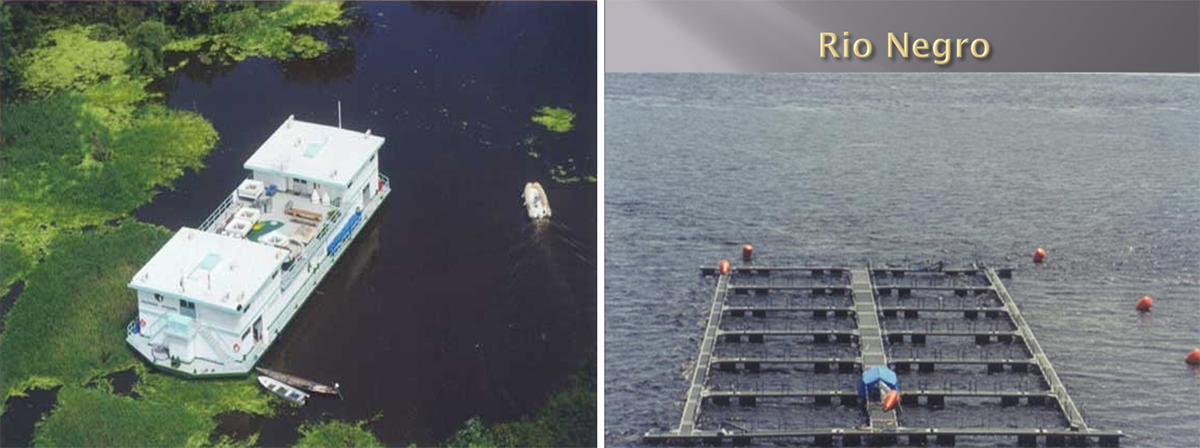
A floating hatchery barge was constructed to collect fingerlings and broodstock from natural spawning zones deep in the Amazon Jungle. These wild caught juveniles required intensive “feed training,” a more complex task than standard weaning procedures for fish hatched in captivity. After trained to feed on commercial pellets, they were housed in large salmon net pens imported from Chile. Those pens were deployed in the Rio Negro – a dark colored, low oxygen, acidic river formed by flowing through the flooded Amazon rainforest.
The grow-out site was near the confluence of the Rio Negro with the sediment-rich Solimoes River. Together, these rivers form the mighty Amazon near Manaus. At the time, no specialized arapaima feed existed. Producers relied on carnivorous formulations developed for native piscivorous catfish, supplementing them with ground-up fish to meet nutritional needs. Gradual improvements in feed quality supported the growing stock, the fish thrived and the project soon reached significant production volumes. However, the venture was short-lived. Facing difficulties in maintaining continued financing, the project collapsed, a quiet end to a bold endeavor in Amazonian aquaculture.
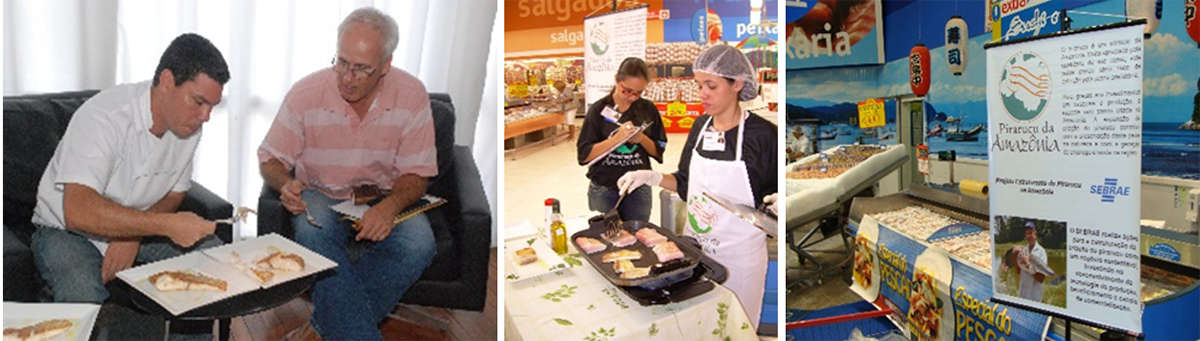
As interest in the species grew, collaboration among producers, researchers and government agencies became increasingly important. In 2004, Brazil’s small business development agency launched a major initiative called Pirarucu da Amazônia. The program aimed to develop practical technologies for breeding and raising arapaima in captivity. And training programs, workshops and technical manuals helped spread knowledge across the region.
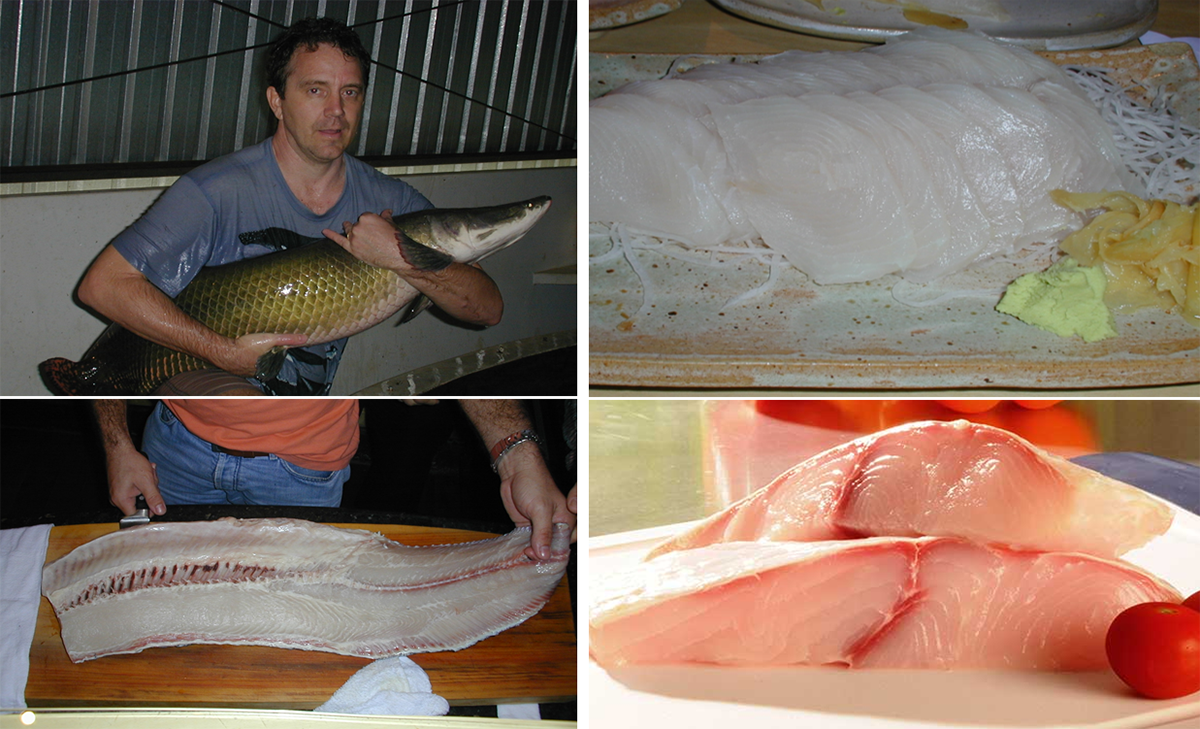
These efforts eventually led to the establishment of several licensed fingerling producers and the expansion of commercial grow-out operations. Private companies also began exploring export markets. In Peru, one firm successfully supplied arapaima to American retailers, demonstrating the species’ potential in international seafood markets.
Ambitious projects and setbacks
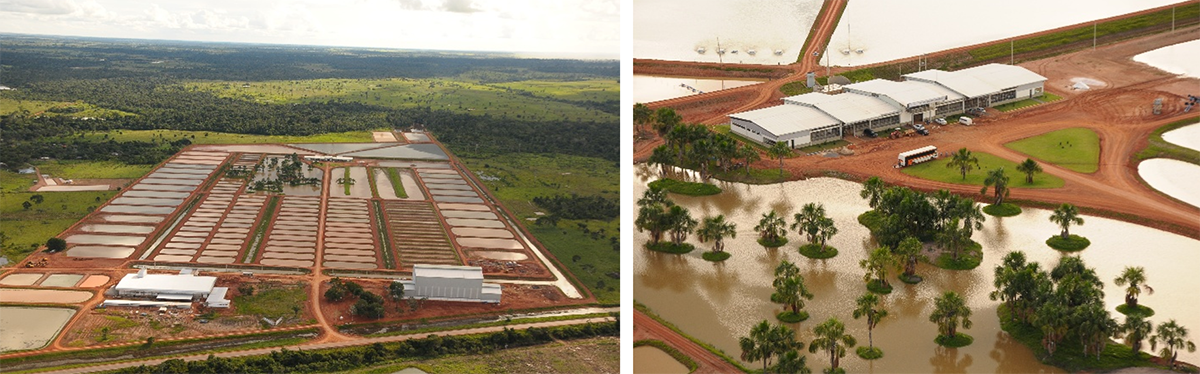
One of the largest arapaima ventures was Peixes da Amazônia, launched in Acre in 2014. The project included a hatchery, feed mill and processing plant designed to support a cooperative network of small producers. The strategy resembled the vertically integrated models used in poultry and tilapia industries. Despite impressive infrastructure, the project struggled with regulatory obstacles, logistical challenges and financial difficulties. Export authorization was slow to arrive and the cooperative production model failed to develop as expected. Ultimately the company collapsed without exporting a single fish.
Why the industry stalled
The setbacks experienced by arapaima producers highlight several structural challenges. Logistics represent one of the most significant obstacles. The Amazon region is vast and with limited infrastructure and transporting feed, fingerlings and harvested fish across long distances can be expensive and complicated. Environmental conditions also create difficulties. High humidity and heavy rainfall can damage feed during storage and transport, reducing its nutritional value. Getting fish from the Amazon to the market while maintaining high quality is a considerable challenge.
Production challenges exist as well. Arapaima reproduce only during the rainy season, creating periodic shortages of fingerlings. In large ponds, the fish may roam widely in search of natural prey, which can make feeding management inefficient. Many producers attempted to reduce costs by using lower-quality feeds, often leading to nutritional deficiencies and disease problems.
The regulatory environment established to protect wild arapaima from overharvesting severely hampered development of the aquaculture industry, with producers unable to operate effectively under newly established restrictions on possession and commercialization of the species.
The technology for captive production of fingerlings and food fish advanced steadily, with many fish producers in the Amazon states experimenting successfully with arapaima production, and attractive arapaima fillets being exported and well received by consumers. Unfortunately, the fledgling industry failed to overcome obstacles that hampered economical production on an industrial scale of high-quality fish that would consistently attend to international market expectations. Producers and processors could see the potential but were not able to sustain continued expansion of the industry and production for exportation has largely been discontinued.
A path forward: conservation and sustainable fisheries
Despite these difficulties, the long-term outlook for arapaima aquaculture remains promising. Over the past 25 years, researchers and producers have accumulated a substantial body of knowledge regarding broodstock management, feeding strategies, health management and production systems. Applying these lessons through better planning and more disciplined management could allow the industry to overcome many of its earlier obstacles.
Although wild fisheries alone cannot supply global markets, they provide important economic opportunities for local communities while helping maintain healthy ecosystems. So, in addition to aquaculture, efforts are underway to manage wild arapaima populations through community-based fisheries programs. These initiatives involve counting fish as they surface to breathe, allowing scientists and local fishers to estimate population sizes and establish sustainable harvest limits. Indeed, wild arapaima populations have returned to a healthy status since the turn of the century. In 2025, Brazil launched a national program to expand these management efforts across the Amazon. As a consequence, regulatory agencies should be more lenient in allowing for authorization of possession, production and exportation of sustainably produced arapaima.
The future of the Amazon giant
Today, global demand for seafood continues to grow and consumers are increasingly interested in sustainably produced products. Arapaima possesses all the elements needed to succeed in this environment: exceptional growth, premium flesh quality and a compelling conservation story. What has been missing so far is a coordinated strategy that integrates production technology, logistics, financing and market development. If these elements can be aligned, arapaima may yet fulfill its long-predicted role as a flagship species for Amazonian aquaculture – transforming a remarkable native fish into a sustainable source of food, income and innovation for the region.
Looking ahead: Unlocking arapaima’s full potential
We hope this brief historical overview of arapaima and its entry into the world of aquaculture provides some useful insights for those interested in this remarkable species. Part 2 of this article will discuss important lessons learned during 25 years of hands-on experience with practical research and development of the species in captivity. While large-scale commercial success has yet to be fully realized, the industry has accumulated a wealth of practical knowledge and technical expertise – enough to fill a library.
Our goal is to guide future producers away from the pitfalls of the past and toward effective, sustainable strategies for cultivating arapaima. This fish is undeniably full of potential, and its unique biology, productivity and market potential demand a fresh perspective – one that embraces unconventional thinking and bold experimentation. With the right approach, arapaima aquaculture can evolve into a thriving, significant, sustainable enterprise that honors both the species and the region it calls home.
Now that you've reached the end of the article ...
… please consider supporting GSA’s mission to advance responsible seafood practices through education, advocacy and third-party assurances. The Advocate aims to document the evolution of responsible seafood practices and share the expansive knowledge of our vast network of contributors.
By becoming a Global Seafood Alliance member, you’re ensuring that all of the pre-competitive work we do through member benefits, resources and events can continue. Individual membership costs just $50 a year.
Not a GSA member? Join us.
Authors
-

An American citizen, veteran of the commercial fishing and processing industries in Alaska. He has a Master of Aquaculture degree from Auburn University (Alabama, USA) and has lived in Brazil since 1998, working as an aquaculture specialist and consultant on developing native species and related production technologies for the aquaculture industry.
-

A Brazilian aquaculture specialist with a Ph.D. and post-doc aquaculture degrees from Auburn University, he is the founder and director of Acqua Imagem Services in Aquaculture (www.acquaimagem.com.br), with 26 years of experience leading aquaculture projects, training and technical support in Brazil.
Related Posts
Health & Welfare
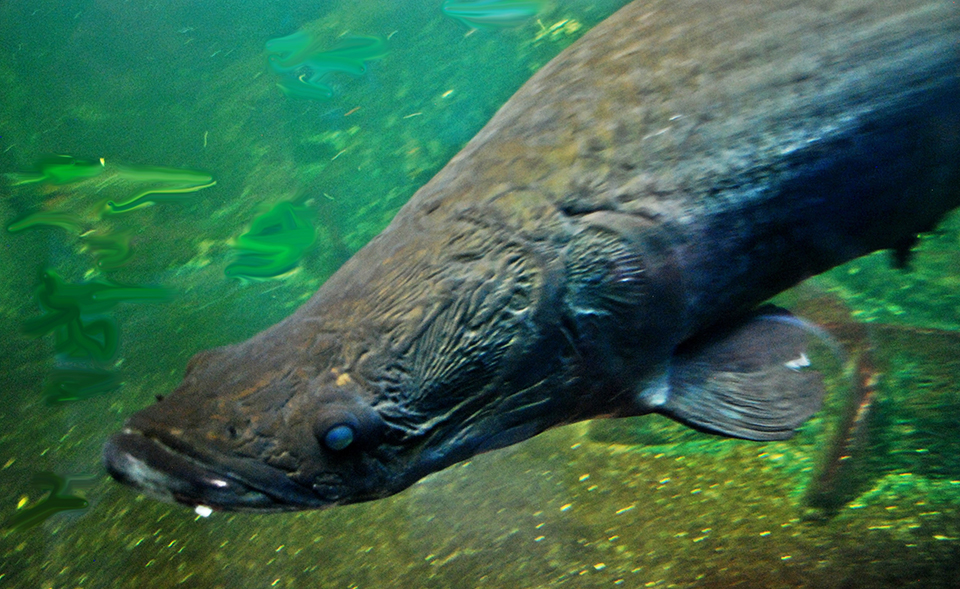
Arapaima a candidate for intensive freshwater culture
Arapaima, also known as pirarucu or paiche, offers appealing flesh color and texture, low fat content and high levels of protein and fatty acids.
Health & Welfare
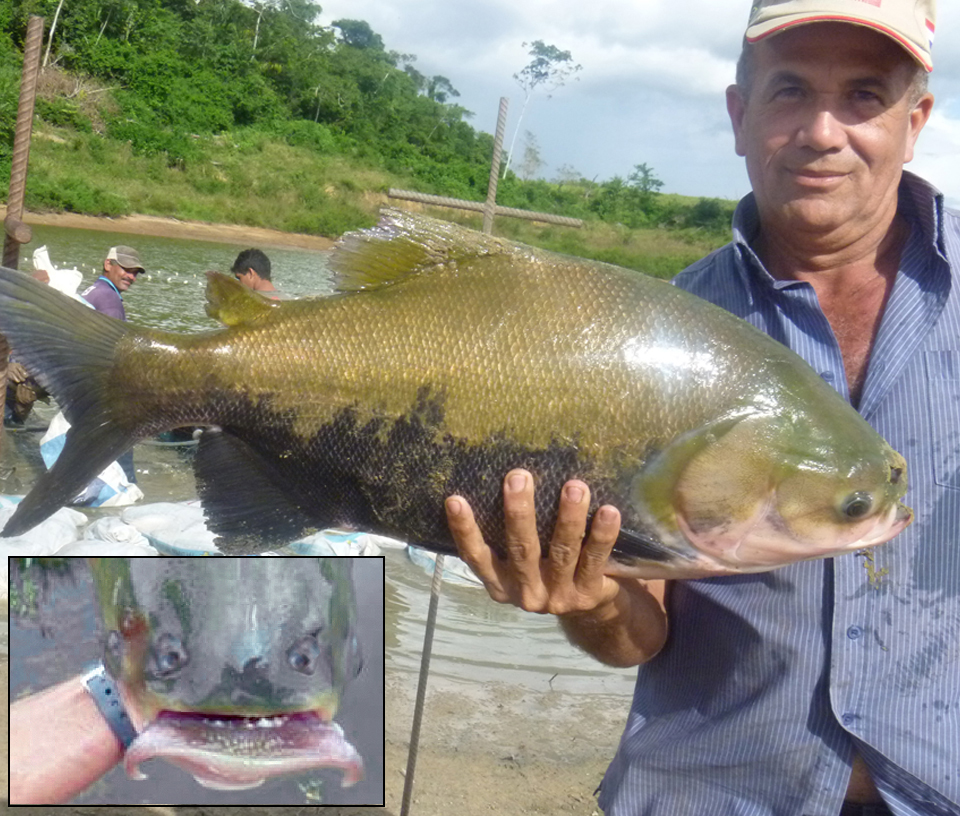
Aquaculture of Amazon fish in Latin America
Many fish species that live in the Amazon basin have great potential for aquaculture. The main species currently cultured in the region is tambaqui, a fast-growing, omnivorous fish that tolerates poor water quality.
Health & Welfare
Common salt a useful tool in aquaculture, part 1
The preventive use of common salt (sodium chloride) by commercial producers of freshwater fishes has many benefits, including helping with the routine prevention of losses due to diseases, stress and mishandling during transport, harvesting, grading, counting, weighing and induced spawning.
Health & Welfare
Proper water circulation in aquaculture ponds critical
Promoting water circulation during the day time is an effective strategy to enrich pond water with oxygen produced by photosynthesis, and can significantly reduce the costs of night time supplemental aeration.