


Report spotlights emerging technologies to improve animal welfare in capture fisheries

From gear innovations to AI monitoring, new tools aim to improve animal welfare and traceability in commercial fisheries
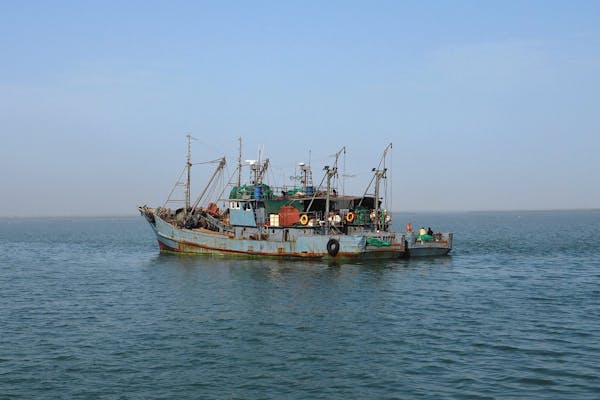
The Aquatic Life Institute (ALI) has published the fifth edition of its Marine Capture Fisheries: Innovative Practices for Aquatic Animal Welfare report, highlighting emerging technologies and operational approaches aimed at improving welfare in wild capture fisheries.
The report partly focuses on pelagic fisheries targeting species such as mackerel – sectors that also contribute to marine ingredient supply chains used in aquafeeds – underscoring the intersection of animal welfare, sustainability and feed production.
According to ALI, the practices featured in the 2026 edition aim to reduce harm to aquatic life and the wider marine ecosystem across all stages of fishing operations – from capture and retrieval to onboard handling, stunning and slaughter.
Key updates include gear innovations designed to reduce crowding, handling stress and unwanted catch, alongside AI-assisted monitoring systems capable of identifying species in real time.
![Ad for [Aquademia]](https://www.globalseafood.org/wp-content/uploads/2025/07/aquademia_web2025_1050x125.gif)
The report also outlines advances in bycatch mitigation, including deterrents for sharks, rays and marine mammals, as well as traceability tools such as Global Dialogue on Seafood Traceability (GDST) standards to support documentation of welfare practices across supply chains.
“What this new report makes clear is that innovation is rapidly transforming what is possible for aquatic animal welfare in capture fisheries,” said Christine Xu, head of fisheries welfare at ALI, in a press release. “Across the industry, we are seeing research and technologies – from improved gear design to AI-assisted monitoring – that help improve welfare. The next step is scaling these solutions so that more welfare-integrated fishing practices become standard.”
ALI also points to growing uptake of higher animal welfare practices among fishing companies, with research institutions and startups increasingly collaborating with industry through field trials.
These developments suggest that practical welfare improvements are becoming more feasible within commercial operations, particularly as market expectations and regulatory frameworks evolve.
The report is intended to support wider adoption of these approaches, informing policymakers and industry leaders as they consider new standards, investments and technologies to reduce animal suffering in capture fisheries.
Now that you've reached the end of the article ...
… please consider supporting GSA’s mission to advance responsible seafood practices through education, advocacy and third-party assurances. The Advocate aims to document the evolution of responsible seafood practices and share the expansive knowledge of our vast network of contributors.
By becoming a Global Seafood Alliance member, you’re ensuring that all of the pre-competitive work we do through member benefits, resources and events can continue. Individual membership costs just $50 a year.
Not a GSA member? Join us.
Author

Related Posts
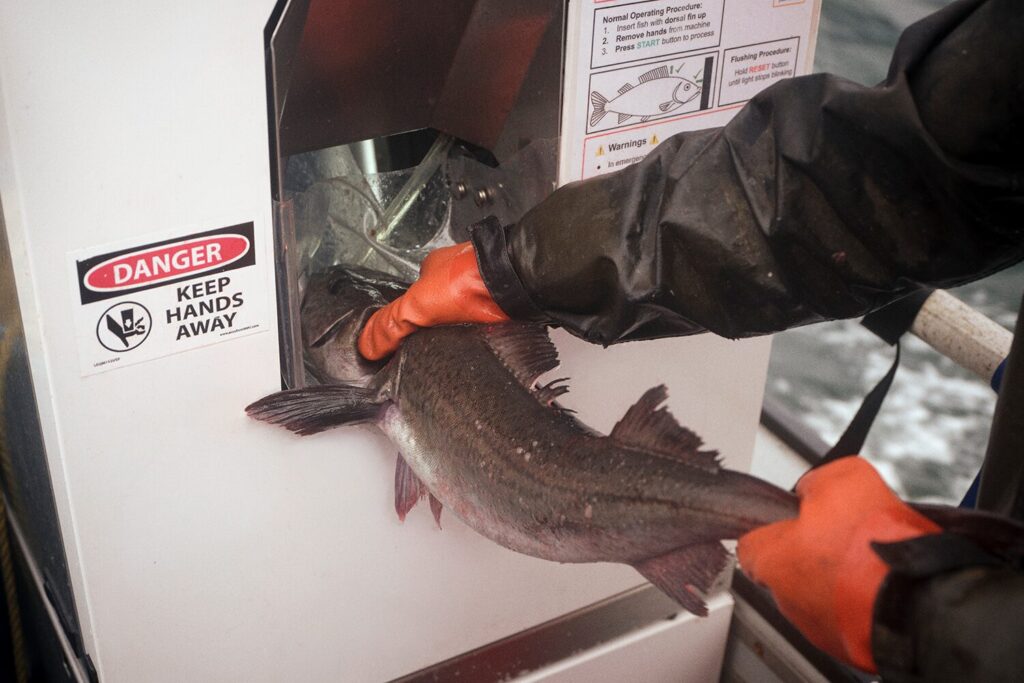
Innovation & Investment
How technology is improving seafood quality and consumer satisfaction
Freshness monitoring, seafood traceability and animal welfare and sorting are all benefiting from advancements in technology like AI.
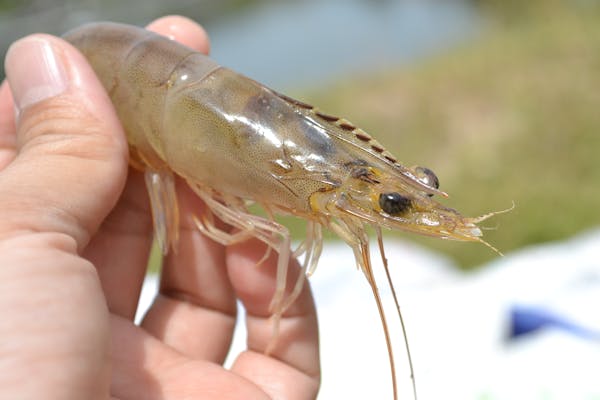
Health & Welfare
TCRS secures grant to advance farmed fish welfare research
A grant from Coefficient Giving will fund research into humane slaughter methods, advancing animal welfare during seafood processing.
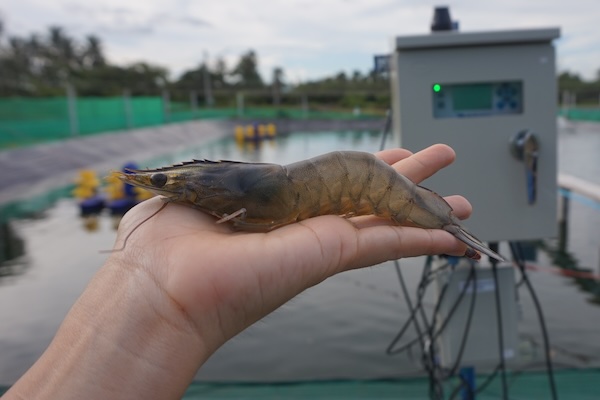
Health & Welfare
Training hub launched to fast-track animal welfare in shrimp farming
FAI’s new Shrimp Hub offers training and tools to help shrimp producers advance animal welfare across the supply chain.
Health & Welfare
Study calls for animal welfare improvements in global aquaculture
New study measures fish suffering during slaughter, offering data-driven, cost-effective solutions to improve animal welfare globally.