Intelligence
North American markets for fresh tilapia, part 3
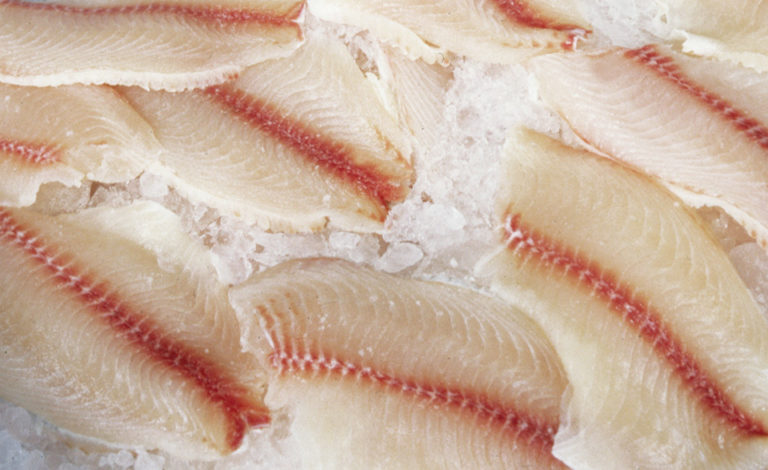
An analysis of tilapia processing in which the cost of the fish was not included found that automated cutting of fillets was significantly less expensive than hand cutting.


Intelligence
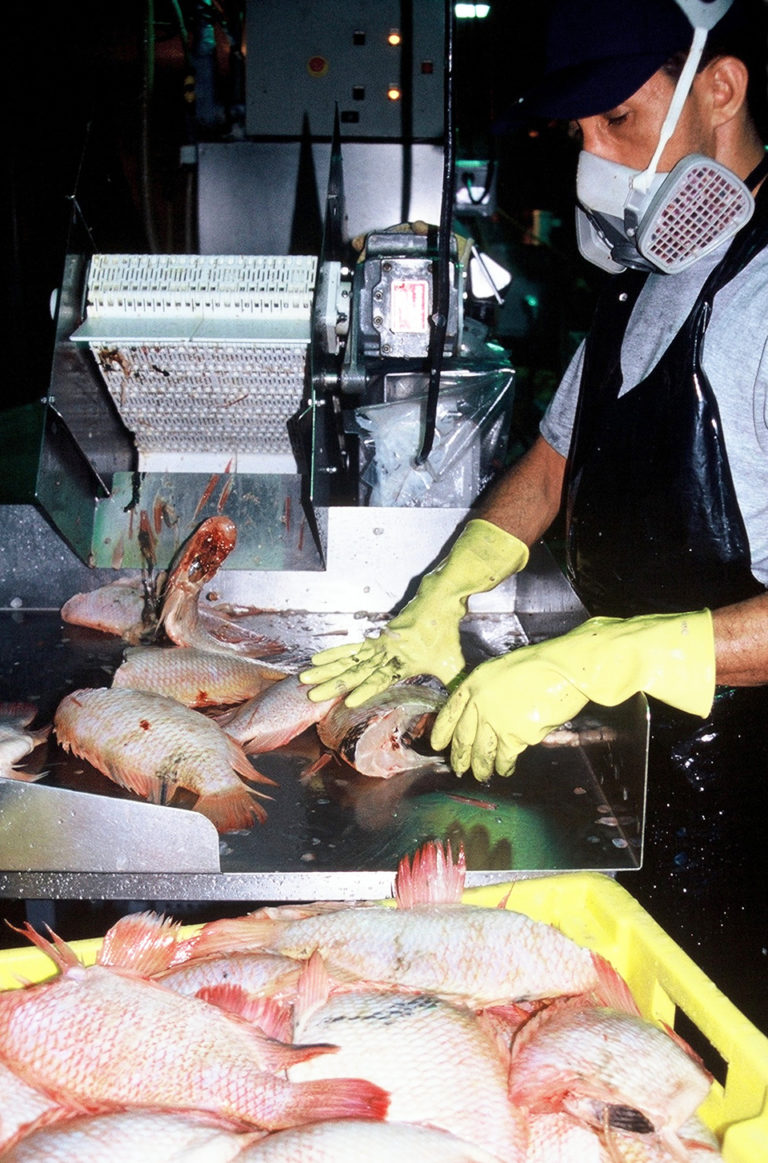
Overall costs for hand filleting tilapia relate primarily to labor and the throughput of fish to be filleted. Labor is the largest expense. Salaries vary, and cutters’ yield efficiencies increase with practice.
Intelligence
An analysis of tilapia processing in which the cost of the fish was not included found that automated cutting of fillets was significantly less expensive than hand cutting.
Aquafeeds
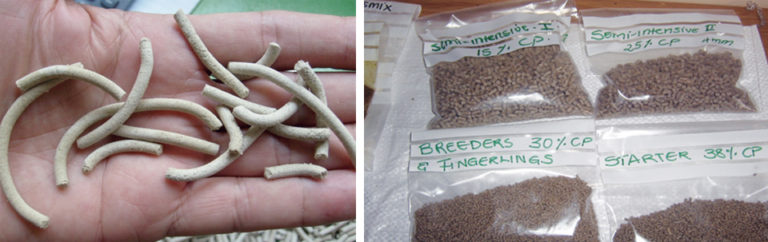
As more-intensive methods for tilapia and catfish culture become popular in Namibia, practical diets need to be formulated using local ingredients such as maize, millet, wheat bran and fishmeal to reduce feed costs.
Intelligence
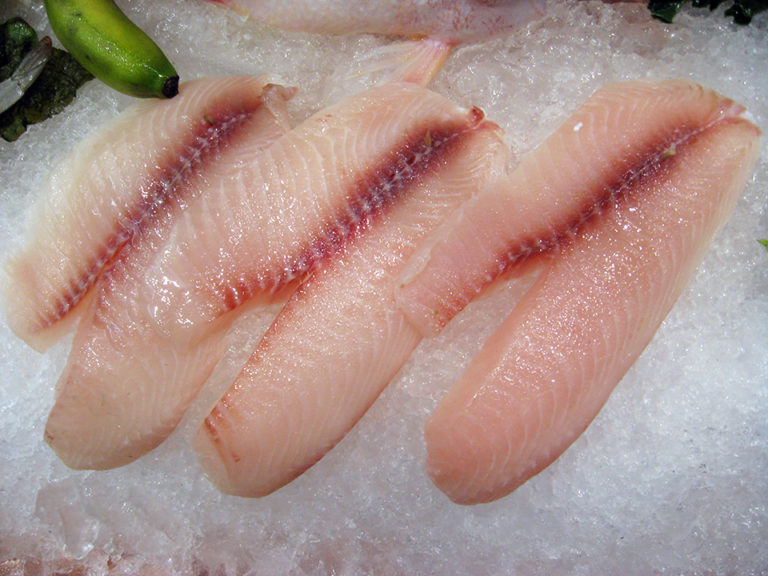
A survey of major market sectors to identify further market potential for fresh tilapia found that both big-box retailers and traditional grocery stores offered little room for achieving premium prices for tilapia fillet products.
Aquafeeds
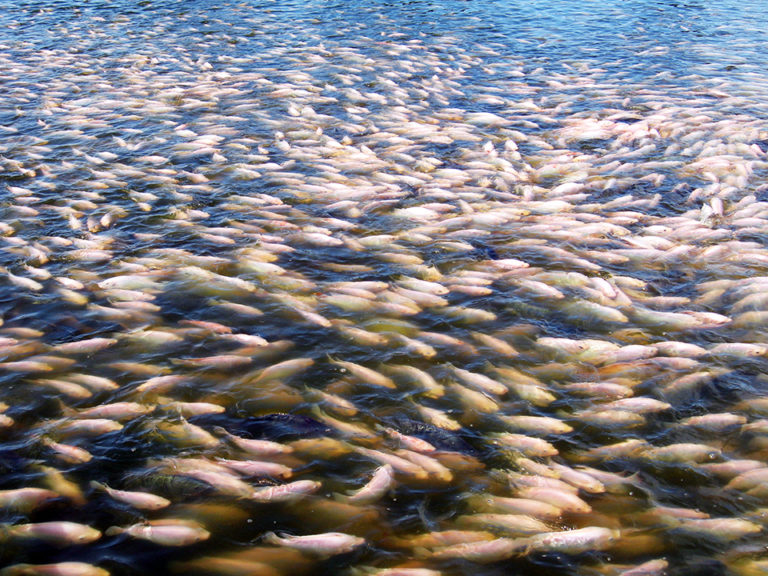
Herbivorous or omnivorous fish like tilapia can be fed lower-energy and lower-protein diets because they consume higher amounts of feed than carnivores.
Health & Welfare
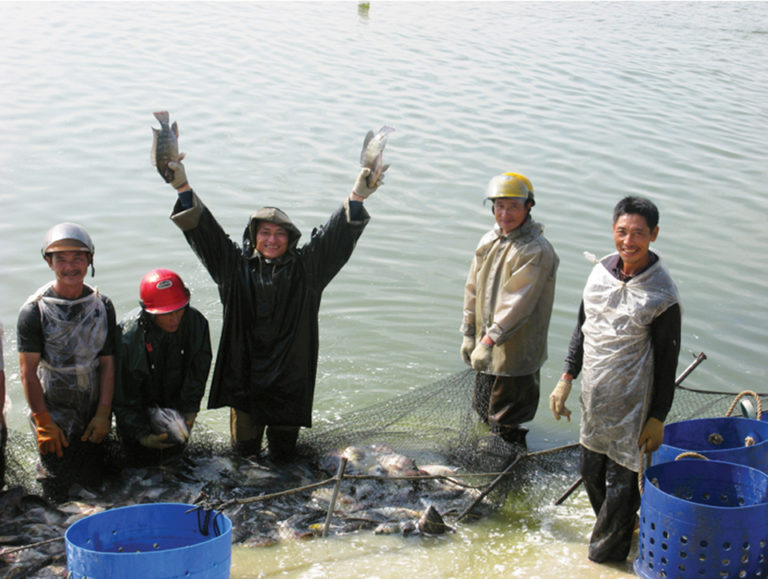
Sustainable development of China's tilapia industry depends largely on the market prices of products, disease control, climate and seed availability.
Health & Welfare
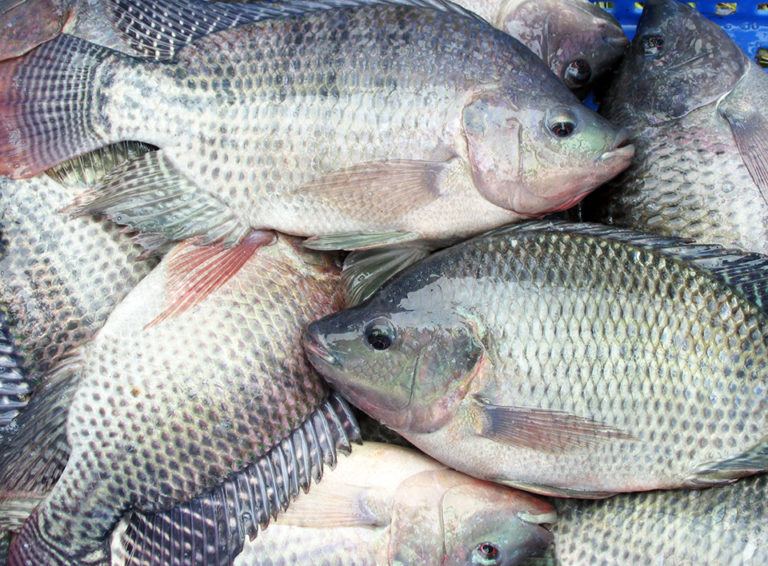
Salinity tolerance in tilapia can be improved by optimizing acclimation protocols, adding salt to the diet or hybridization between fast-growing and salt-tolerant species.
Health & Welfare
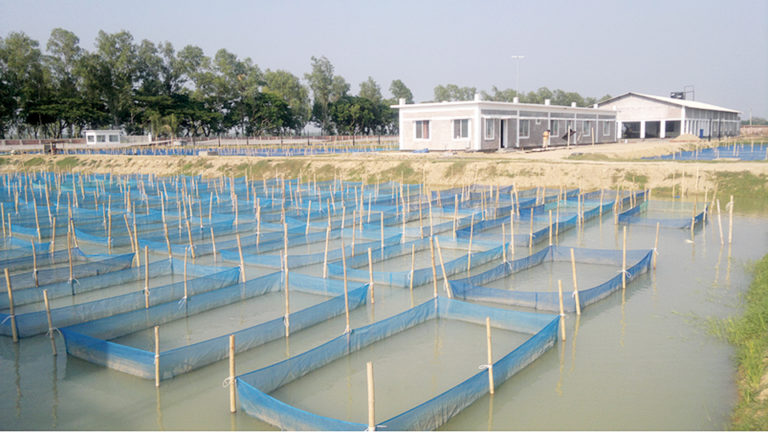
With a hatchery system that involves collection of eggs and larvae, and hormonal sex reversal, it is possible to produce billions of monosex tilapia (all-male) fry to satisfy demand and accelerate aquaculture development.
Responsibility
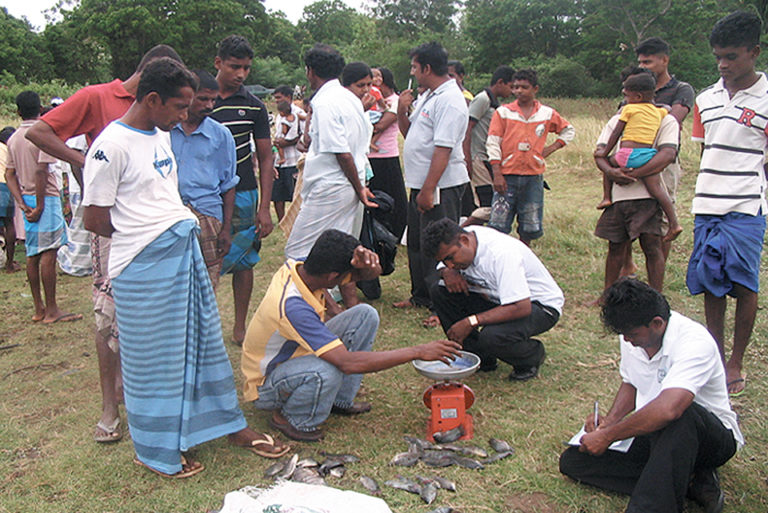
The wide distribution and ongoing improvement of GIFT tilapia in Sri Lanka is raising living standards and employment for women in rural areas.
Health & Welfare
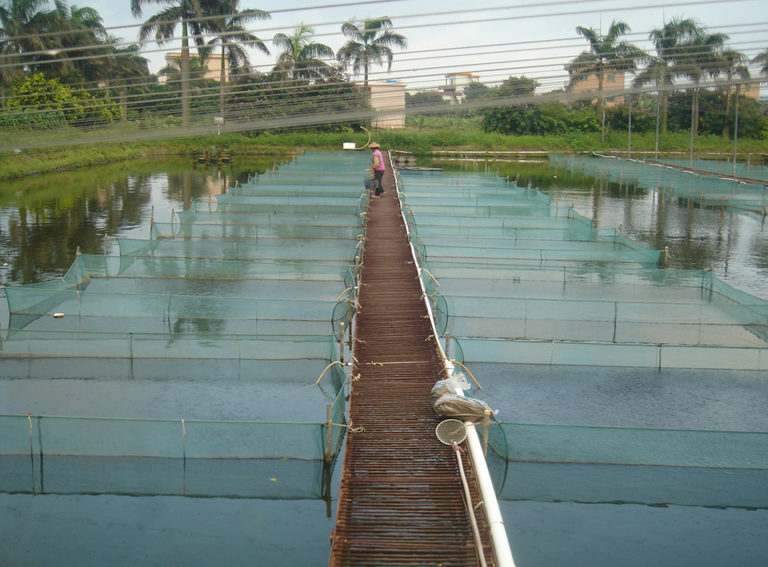
China’s expansive tilapia culture industry is based on exotic species introduced continuously since 1956. Technical advances for improving the limited germplasm are expected to aid the industry.
Intelligence
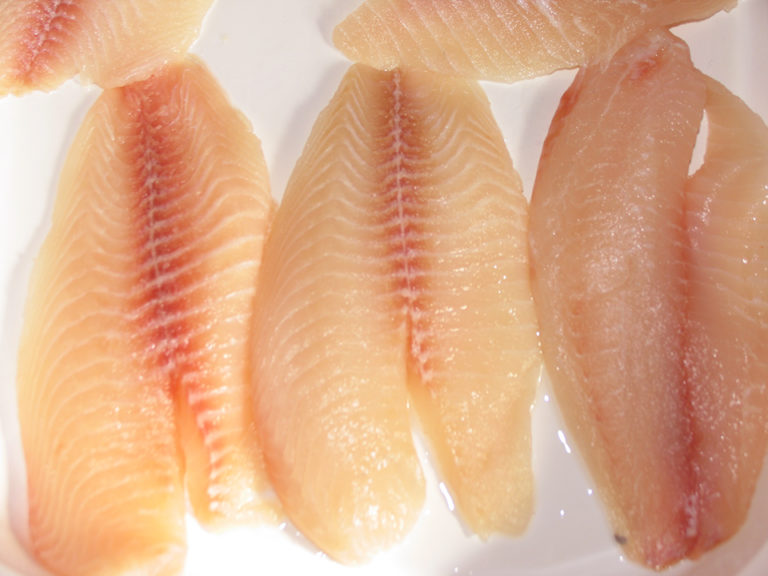
An investigation into ammonia-like odors in tilapia fillets that could result in product rejection traced the source to moisture-retention chemicals.
Health & Welfare
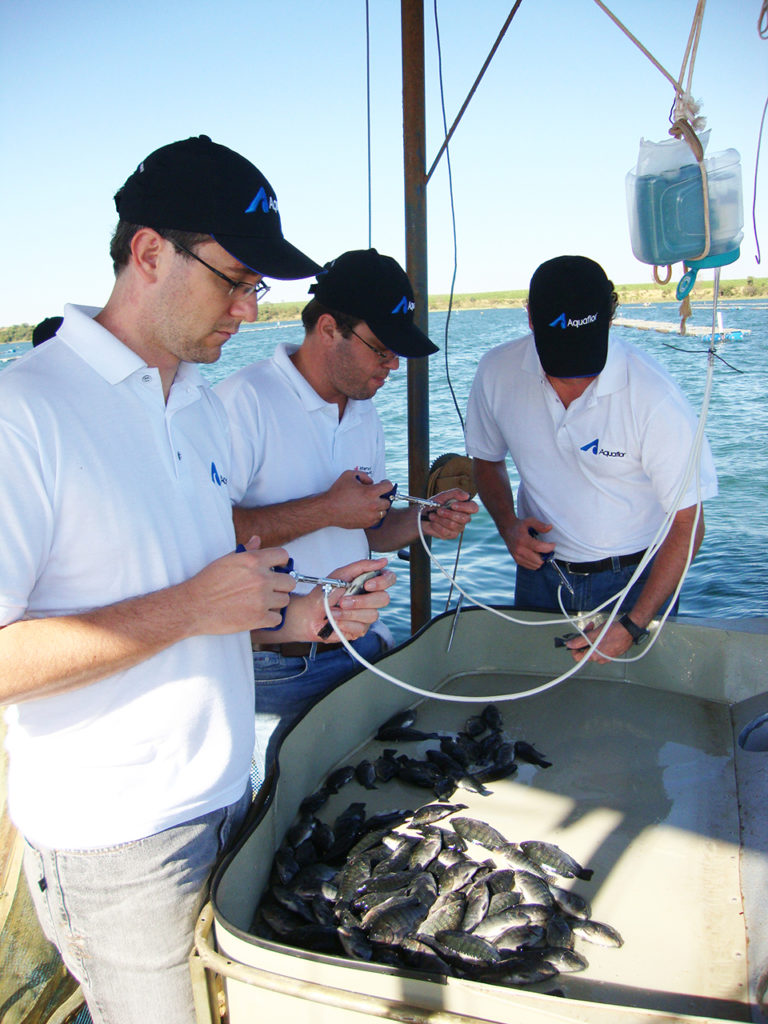
Streptococcus species account for over half of all bacterial diseases in tilapia. The authors studied the ability of biotype-specific vaccines.
Health & Welfare
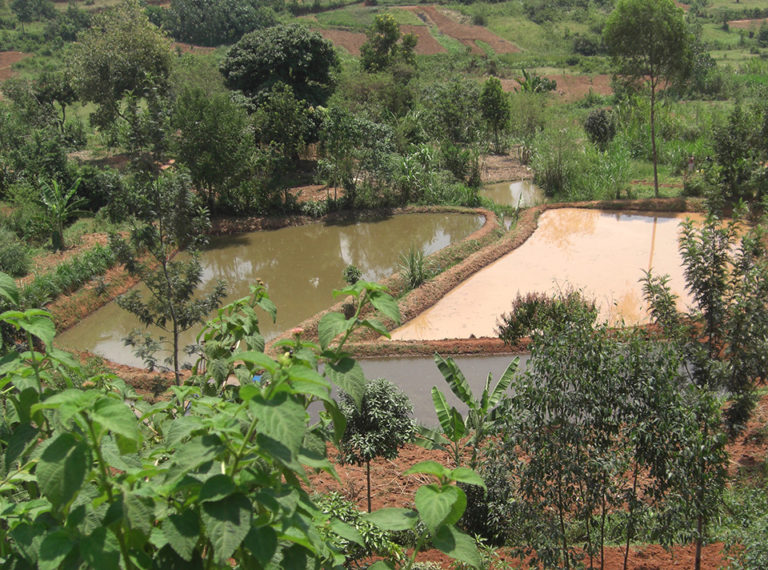
Kenya's economic stimulus program includes a bold move to help the country’s small-scale farmers literally dig themselves out of poverty with fish ponds.
Health & Welfare
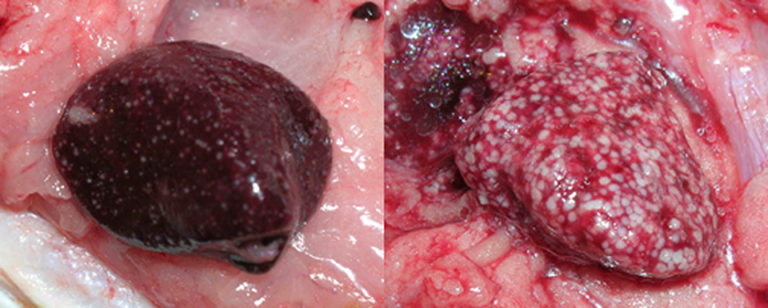
Granulomas in diseased fish often indicate infections by bacteria. External signs range from ulcers and emaciation to lethargy or no signs at all. Internally, gray or tan foci present in organs and can coalesce with severe inflammation.
Health & Welfare
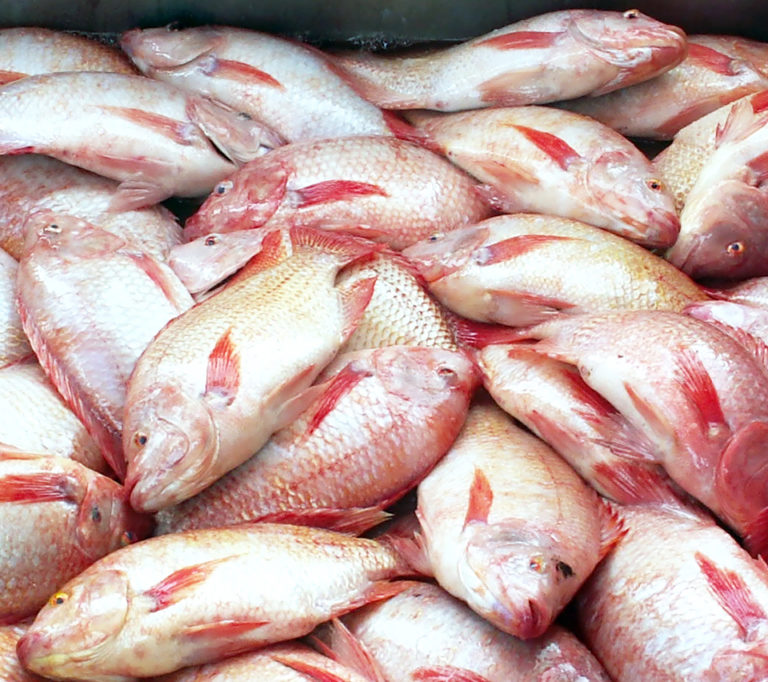
Thailand’s tilapia industry has been able to grow into a thriving sector thanks to technological advances and knowledge sharing.
Health & Welfare
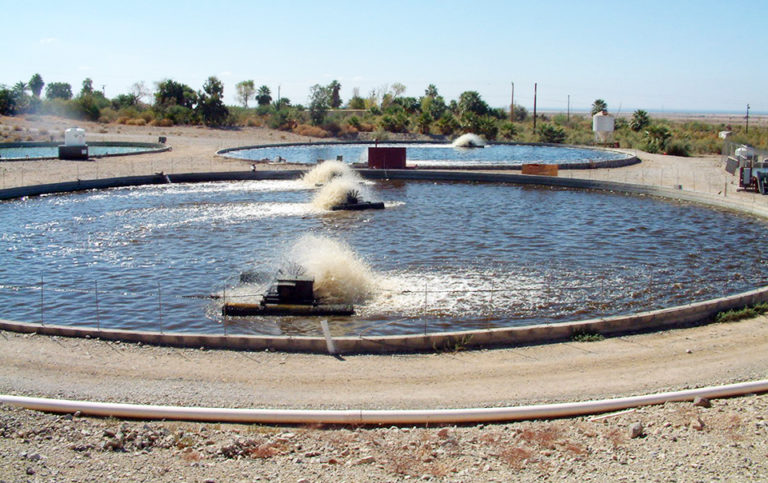
Biofloc systems enable more intensive tilapia production. The fish adapt to the conditions within biofloc systems and grow well by utilizing the bioflocs as a feed source.