Health & Welfare
Shrimp genetic improvement in Ecuador
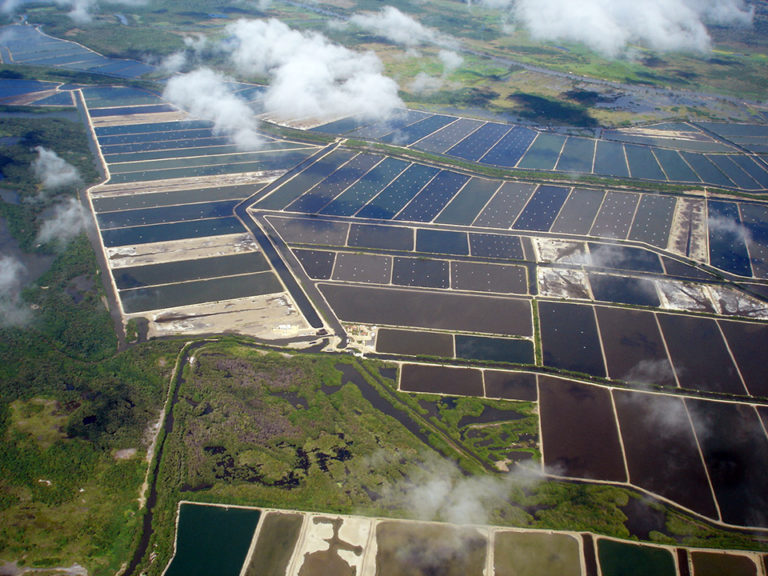
One of the largest shrimp maturation operations in Ecuador is working with five major shrimp producers to improve growth rates.


Health & Welfare
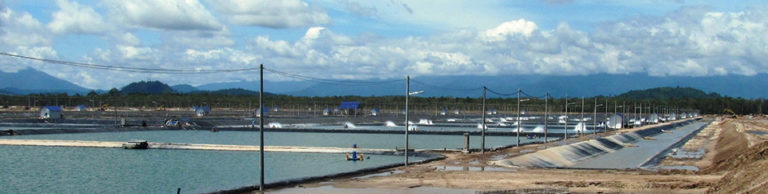
Combining biofloc technology with bio-secure modular shrimp culture can make operations more sustainable and economically viable. For optimized biofloc production, lined ponds and reservoirs and high stocking densities are essential. Paddlewheel aerators keep dissolved-oxygen levels high.
Health & Welfare
One of the largest shrimp maturation operations in Ecuador is working with five major shrimp producers to improve growth rates.
Health & Welfare
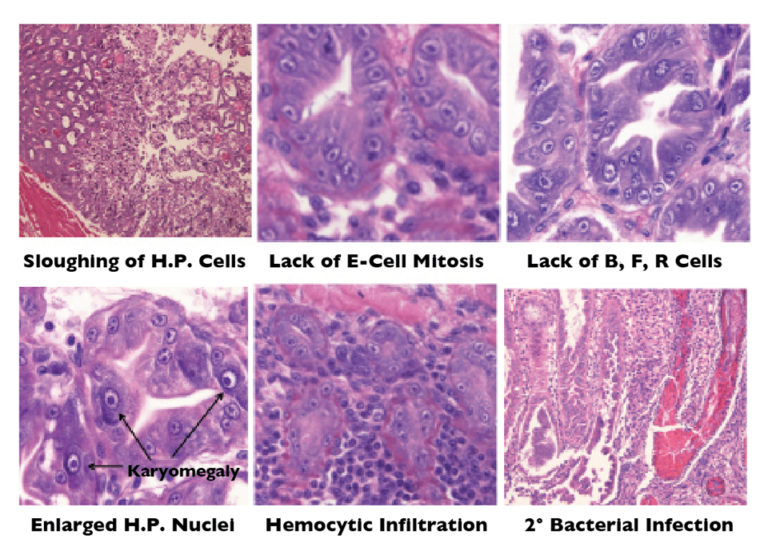
The emerging disease Early Mortality Syndrome has caused large losses among shrimp farmers. EMS is characterized by mass mortalities during the first 30 days of culture.
Health & Welfare
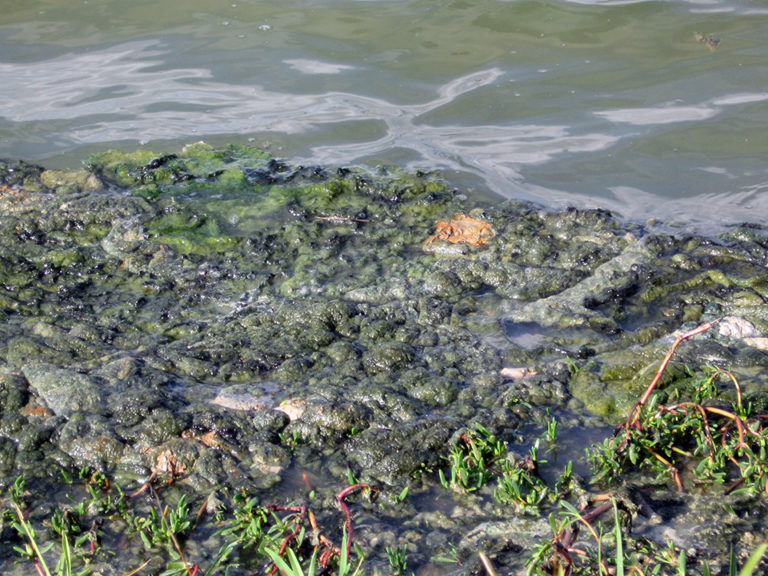
The toxins from blue-green algae pose a threat to animal health and potentially to consumers if they are present in farmed product. Culture animals that ingest these toxins may not die, but can be weakened, increasing their susceptibility to pathogens.
Health & Welfare
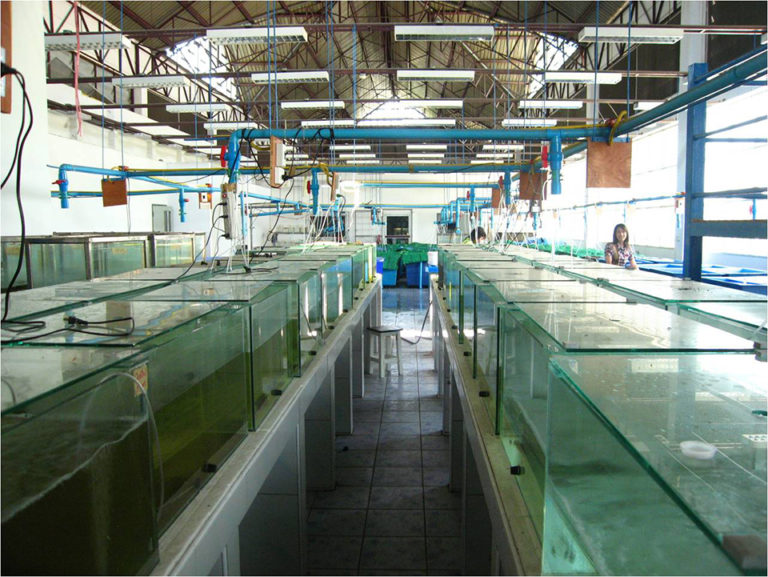
In laboratory tests with white shrimp, feed consumption was 36.5 percent higher at 33 degrees-C than at 29. Growth was similar at both temperatures.
Health & Welfare
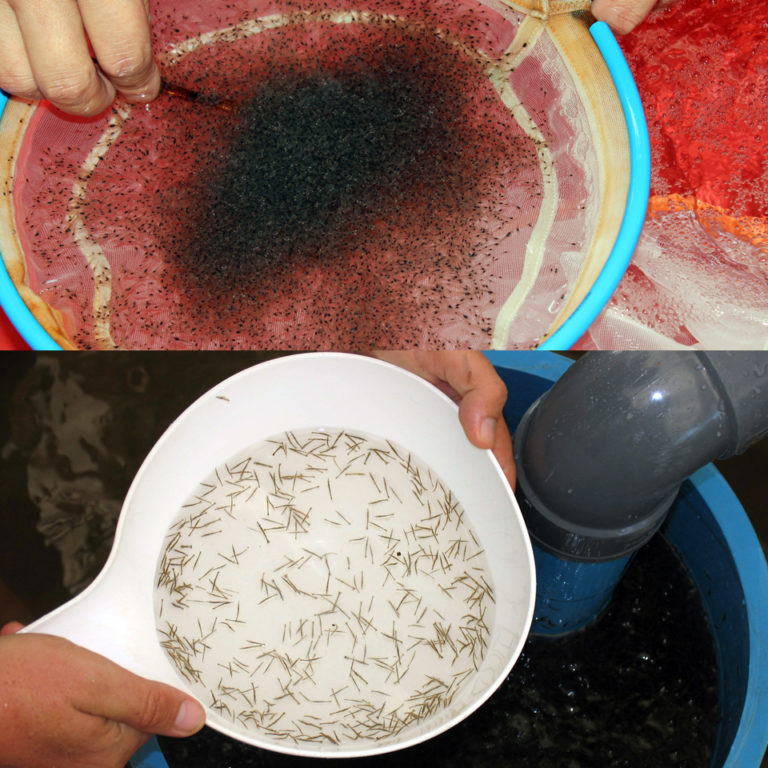
Shrimp aquaculture could improve its position through more accurate and consistent identification and counting of postlarvae.
Health & Welfare
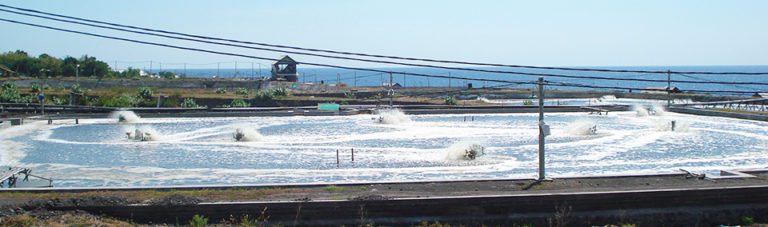
With relatively low use of land and water, intensive aquaculture systems can support much higher production than extensive systems.
Health & Welfare
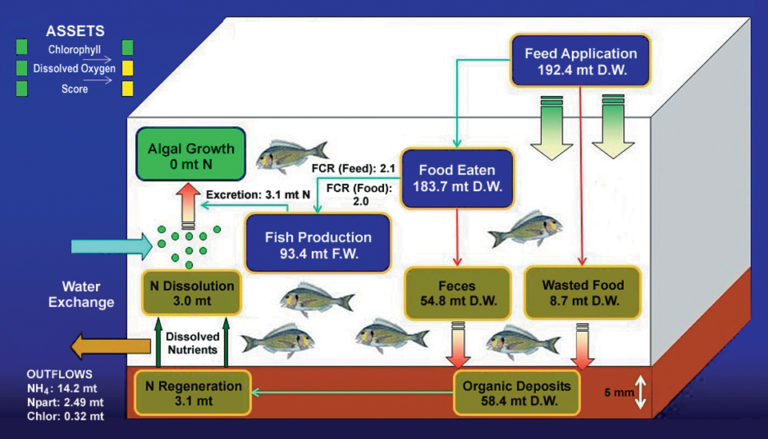
For farmers, computer modeling helps analyze crop production and environmental effects. For managers, it assists with carrying capacity assessments and licensing issues.
Health & Welfare
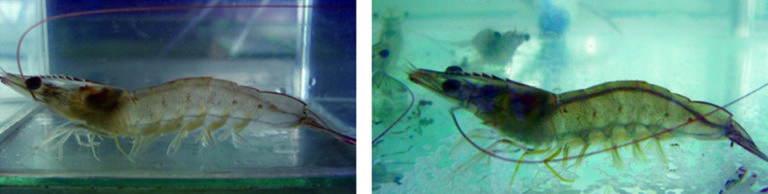
The authors evaluated the feed passage through the intestines of white shrimp under laboratory conditions. Feed consumption on feed trays was tested four times daily at different temperatures at an intensive culture farm.
Aquafeeds
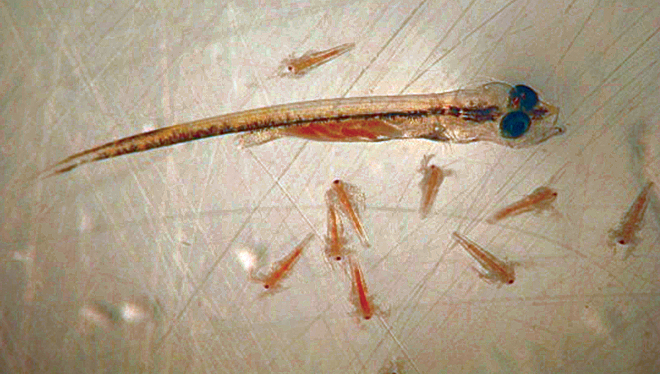
Live diets for reared marine larvae must be cost-effective and versatile while providing good nutrition and being easily captured and digested. Copepods offer superior nutritional value, but their rearing requires space and is laborious.
Health & Welfare
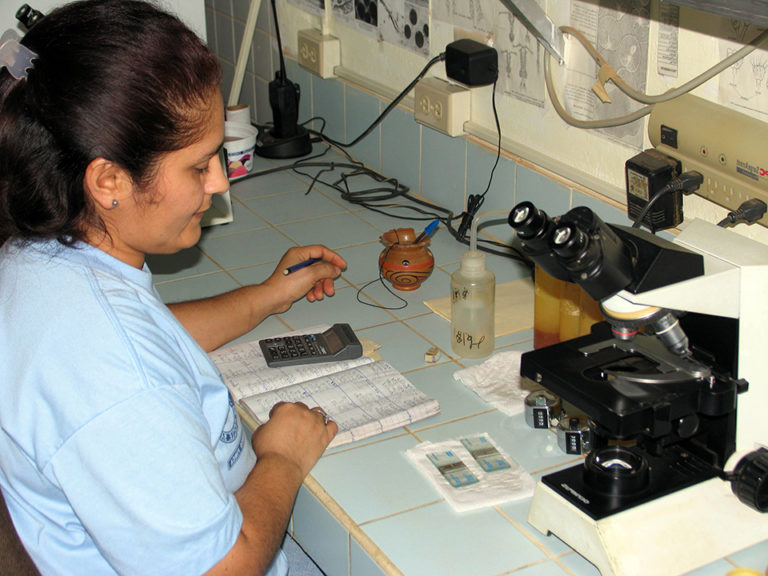
As research on WSSV continues, commonsense steps can lessen the potential impacts of white spot syndrome virus on shrimp-farming operations.
Aquafeeds
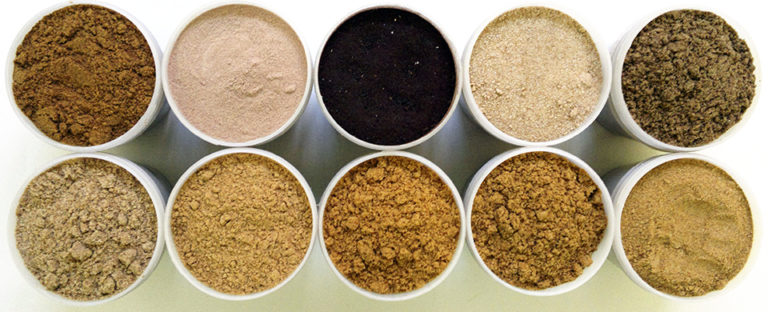
The authors conducted a study to determine how replacement of salmon meal with various animal protein meals in feed affected the growth performance of white shrimp.
Health & Welfare
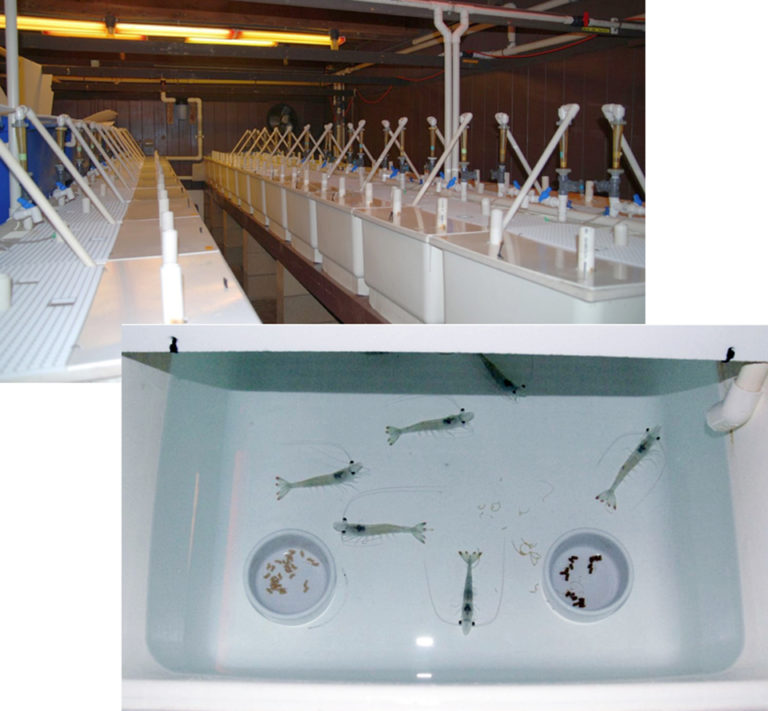
New cost-effective additives, such as fishery byproducts, will likely be needed to meet the increasing demand for feeding stimulants by aquafeed producers.
Health & Welfare
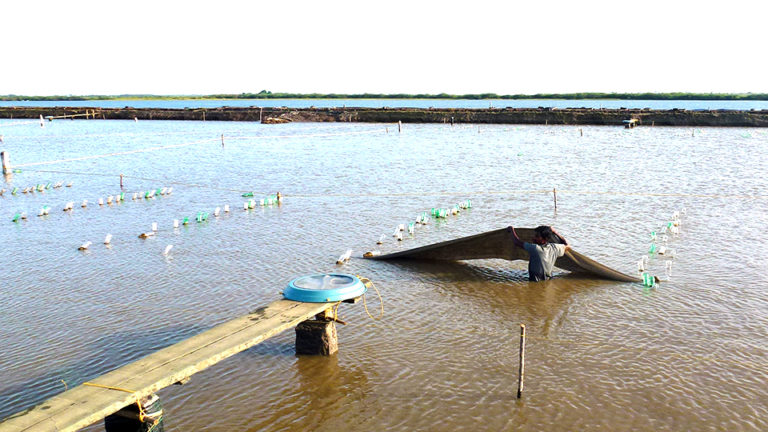
Measurements of nitrogen isotope uptake can enable more efficient study of feed utilization in whole aquaculture pond systems.
Health & Welfare
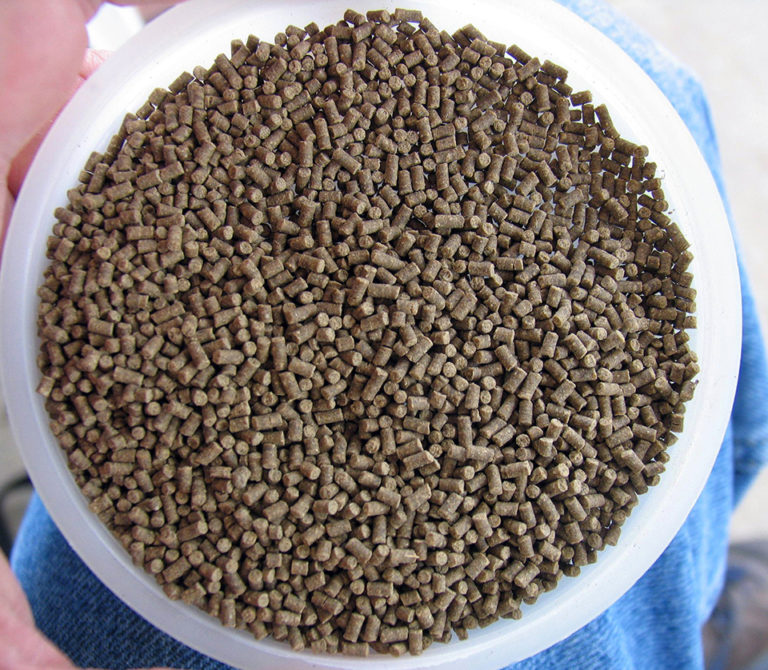
Shrimp farm performance can often be below realistic production standards. Use proven nutrition, feeds and feeding techniques to improve profitability.
Aquafeeds
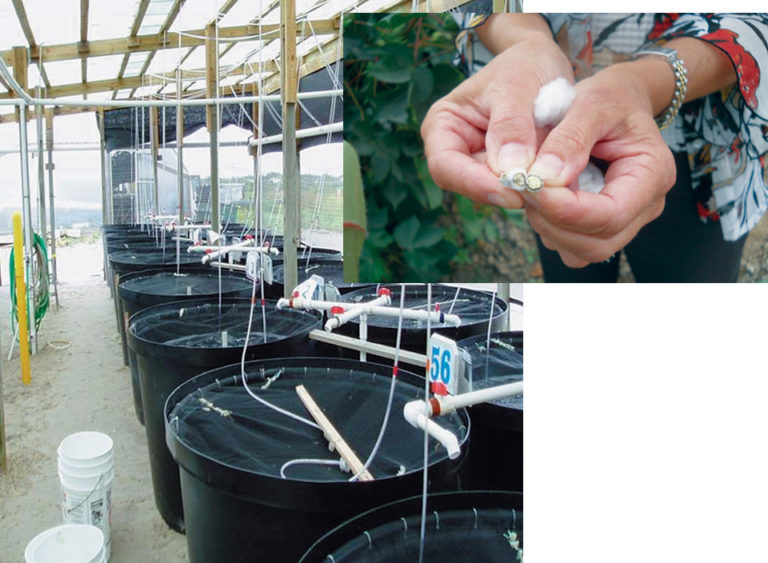
Cottonseed meal is high in protein and less expensive than fishmeal and soybean meal. Cotton plants can be engineered without gossypol in their seeds.