Health & Welfare
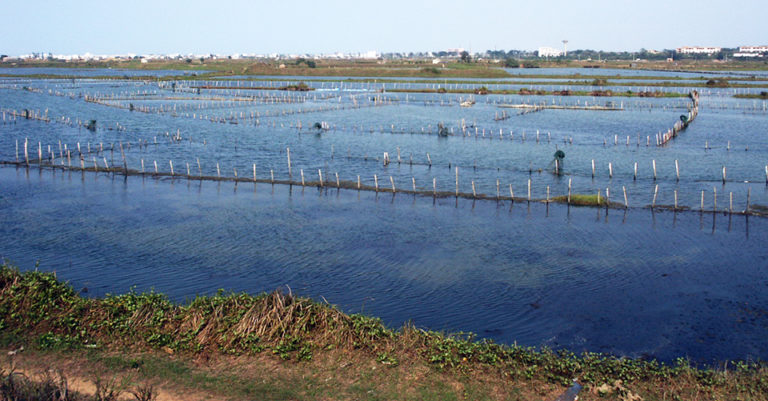
Learning from tradition: Integrated aquaculture
Development of integrated aquaculture systems could assist in improving environmental quality and changing public perceptions of aquaculture.


Intelligence
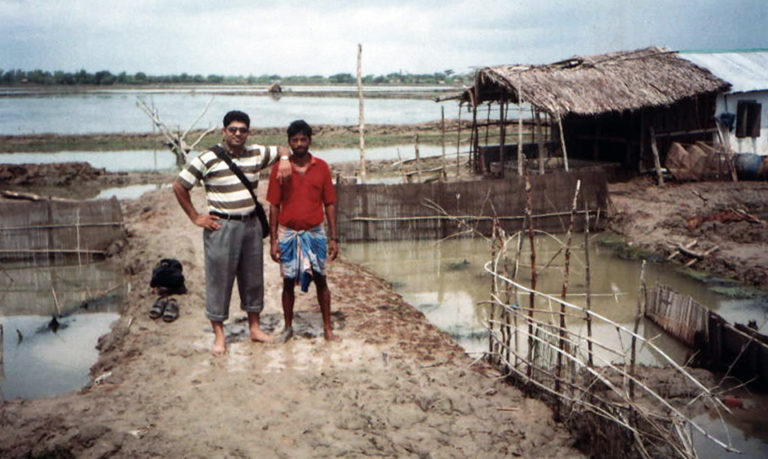
The social and environmental improvements – in combination with job-generating foreign investment – have led to wide acceptance of shrimp farming in Bangladesh.
Health & Welfare
Development of integrated aquaculture systems could assist in improving environmental quality and changing public perceptions of aquaculture.
Aquafeeds
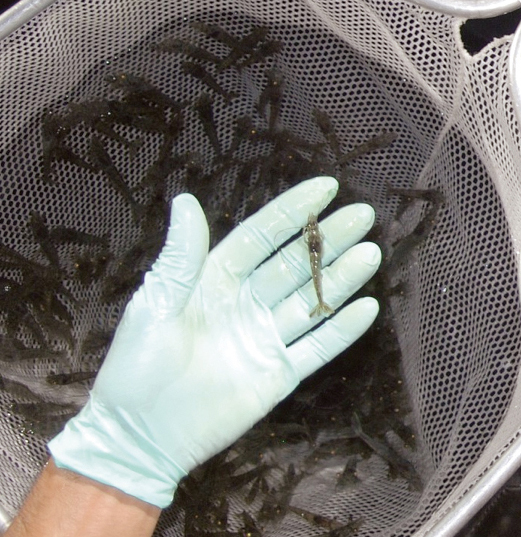
A study investigated the effects of storage temperature and duration on the quality of finished fishmeal fed to juvenile shrimp. Diets with 15 percent fishmeal were stored at 4 or 30 degrees-C for six months or 12 months.
Health & Welfare
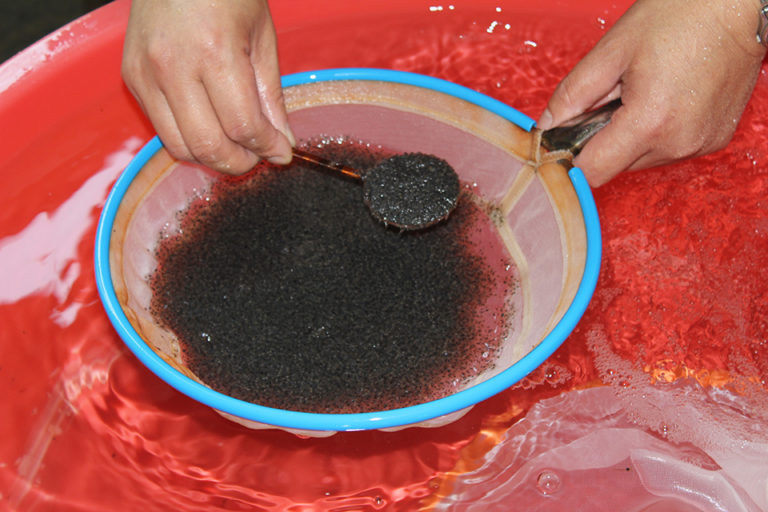
The quality of postlarvae supplied by a shrimp hatchery can vary considerably. Common myths, such as acceptance of low survival and insufficient concern for water quality, can contribute to lower animal quality.
Innovation & Investment
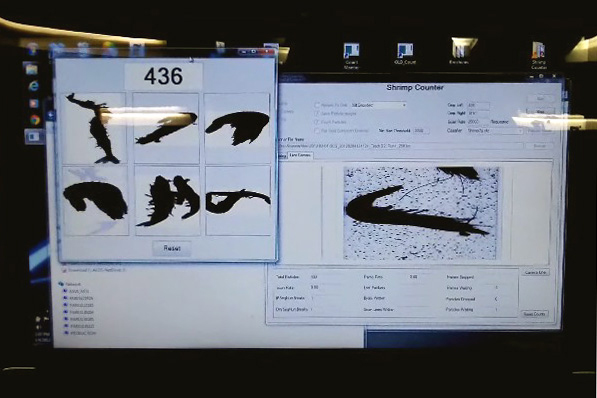
Optical scanning and associated imaging software reduces stress and increases accuracy as compared to traditional techniques for shrimp measurements.
Responsibility
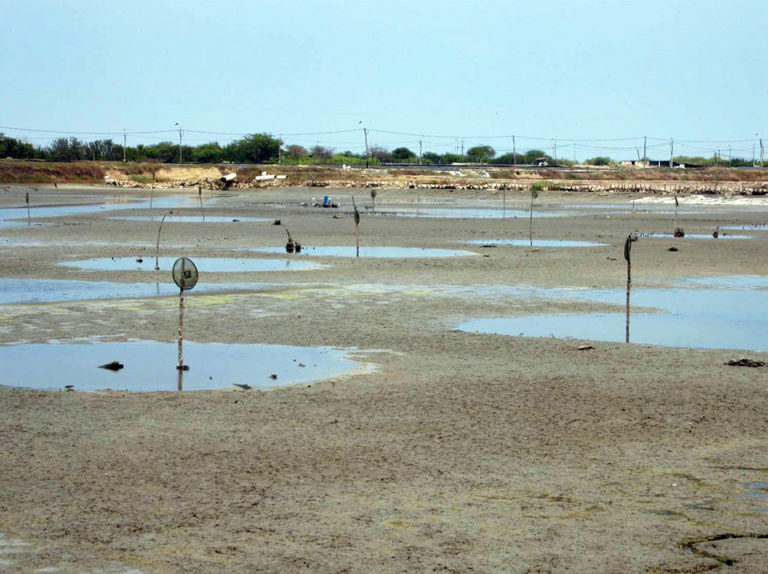
At higher stocking densities, the application of all feed via feed trays often results in feed being dropped outside and/or underneath the trays.
Health & Welfare
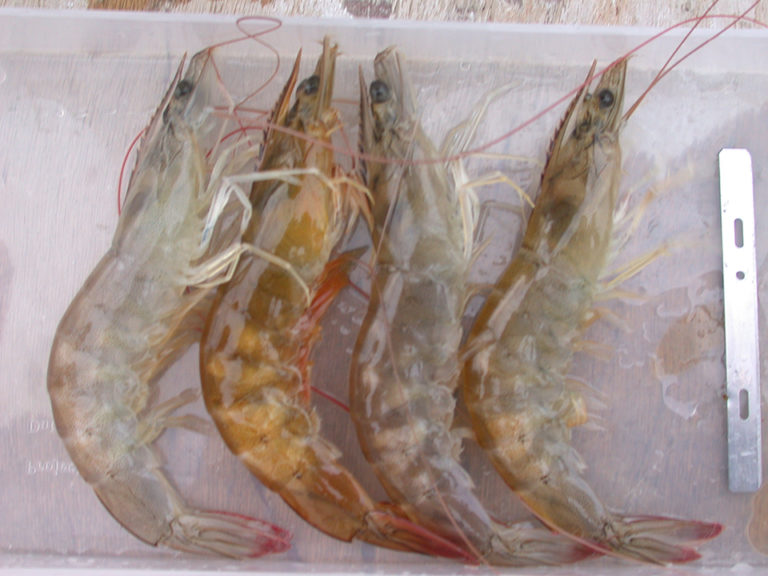
Researchers studied the nature of muscle necrosis in shrimp by sampling infected shrimp from local ponds and challenging healthy specimen with filtrates from the diseased shrimp.
Health & Welfare
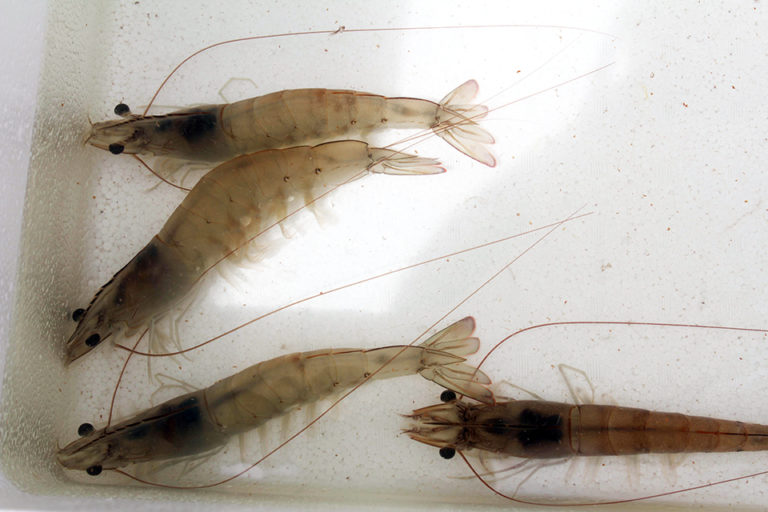
Those charged with determining the underlying cause of a disease outbreak have a wide variety of detective tools at their disposal.
Health & Welfare
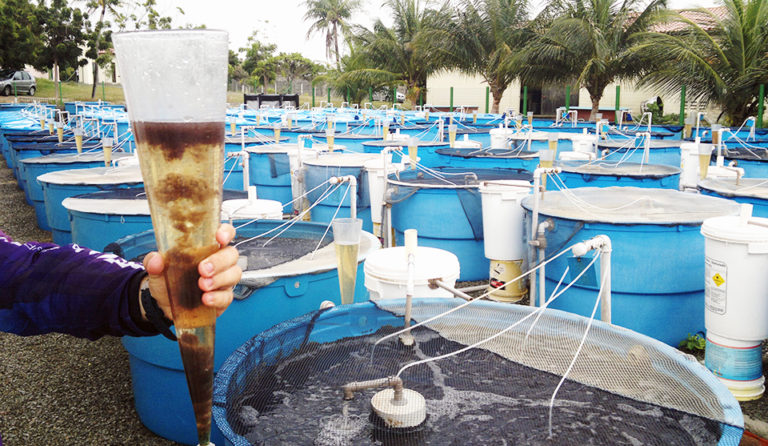
Shrimp survival, weight, yield and feed conversion were better in farm units that operated with settling chambers for solids removal than in units without.
Health & Welfare
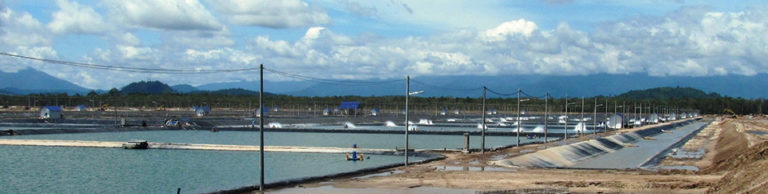
Combining biofloc technology with bio-secure modular shrimp culture can make operations more sustainable and economically viable. For optimized biofloc production, lined ponds and reservoirs and high stocking densities are essential. Paddlewheel aerators keep dissolved-oxygen levels high.
Health & Welfare
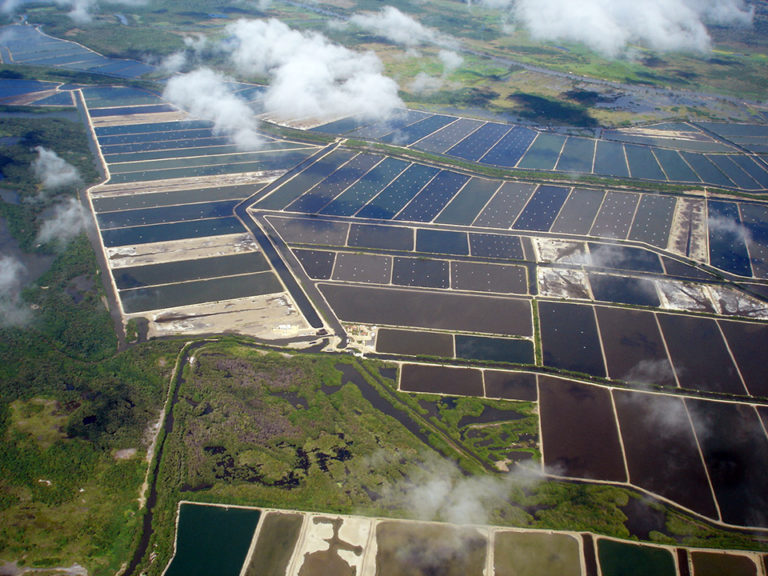
One of the largest shrimp maturation operations in Ecuador is working with five major shrimp producers to improve growth rates.
Health & Welfare
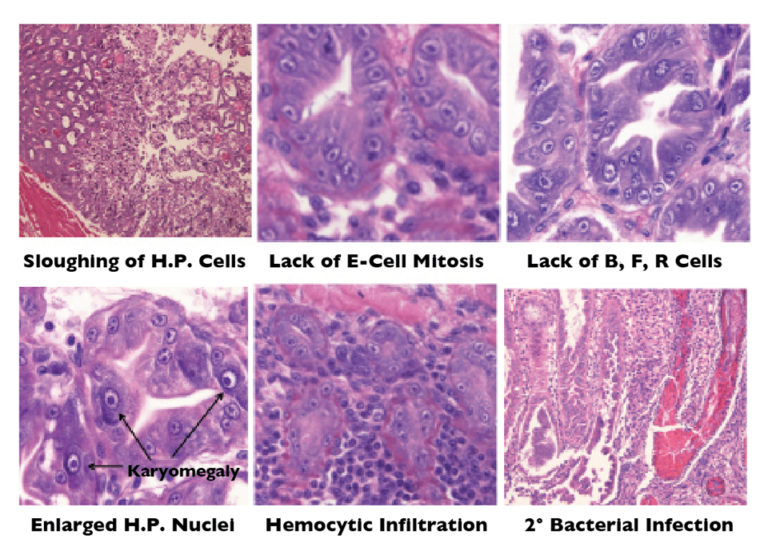
The emerging disease Early Mortality Syndrome has caused large losses among shrimp farmers. EMS is characterized by mass mortalities during the first 30 days of culture.
Health & Welfare
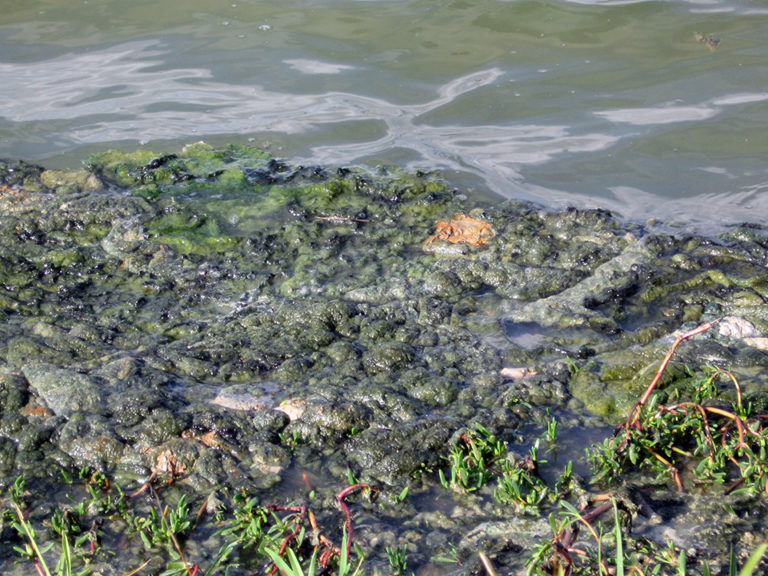
The toxins from blue-green algae pose a threat to animal health and potentially to consumers if they are present in farmed product. Culture animals that ingest these toxins may not die, but can be weakened, increasing their susceptibility to pathogens.
Health & Welfare
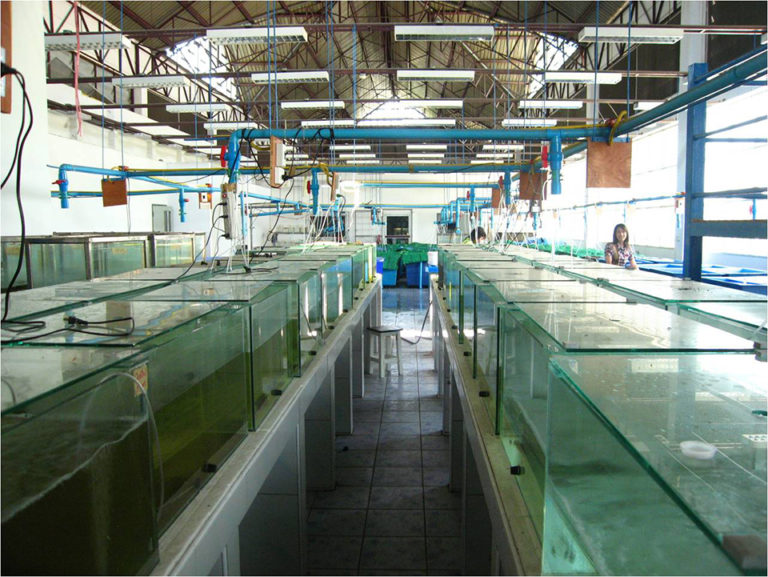
In laboratory tests with white shrimp, feed consumption was 36.5 percent higher at 33 degrees-C than at 29. Growth was similar at both temperatures.
Health & Welfare
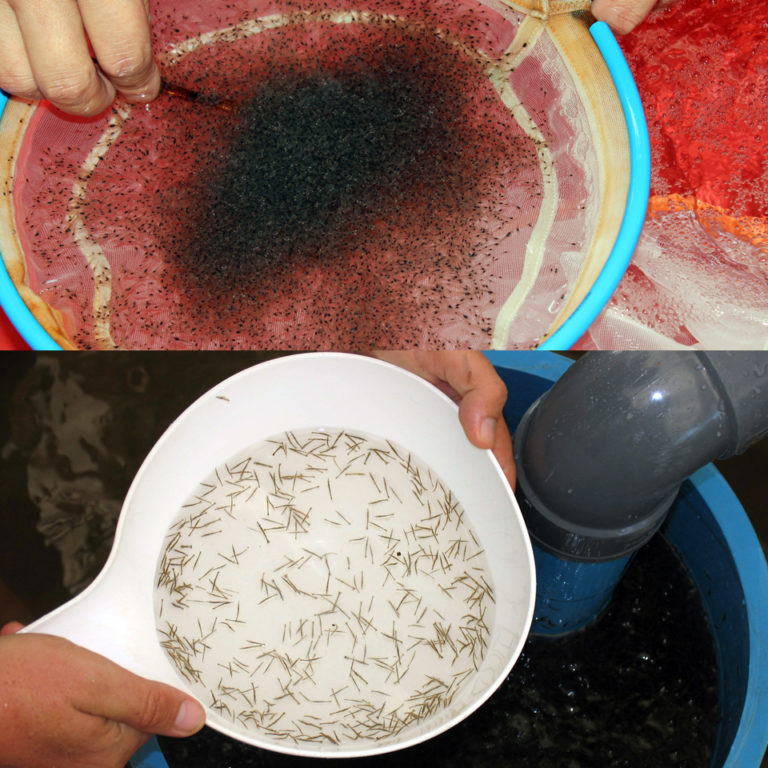
Shrimp aquaculture could improve its position through more accurate and consistent identification and counting of postlarvae.
Health & Welfare
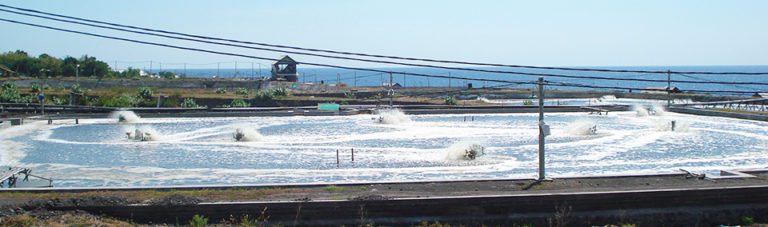
With relatively low use of land and water, intensive aquaculture systems can support much higher production than extensive systems.