Health & Welfare
Effect of HUFA-enriched artemia on the performance of Pacific white shrimp postlarvae
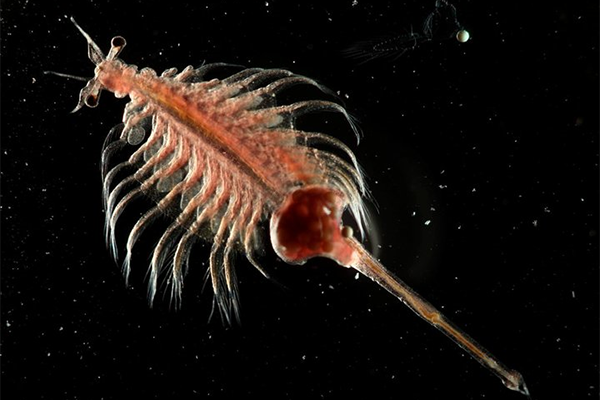
Feeding HUFA-enriched artemia to L. vannamei for 12 days significantly increases highly unsaturated fatty acid content in the shrimp postlarvae.


Health & Welfare
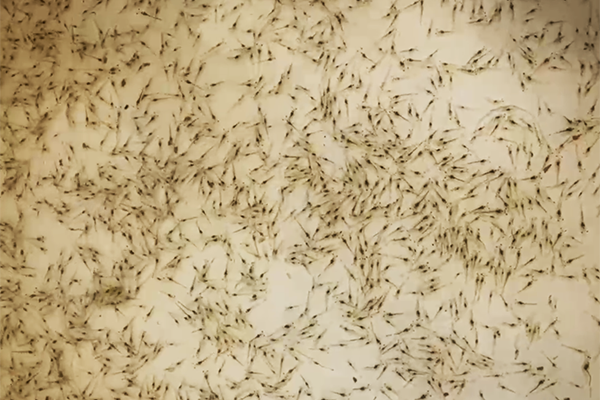
Taurine can enhance the osmoregulatory capacity of shrimp postlarvae to low-salinity stress, improving their ability to acclimatize.
Health & Welfare
Feeding HUFA-enriched artemia to L. vannamei for 12 days significantly increases highly unsaturated fatty acid content in the shrimp postlarvae.
Health & Welfare
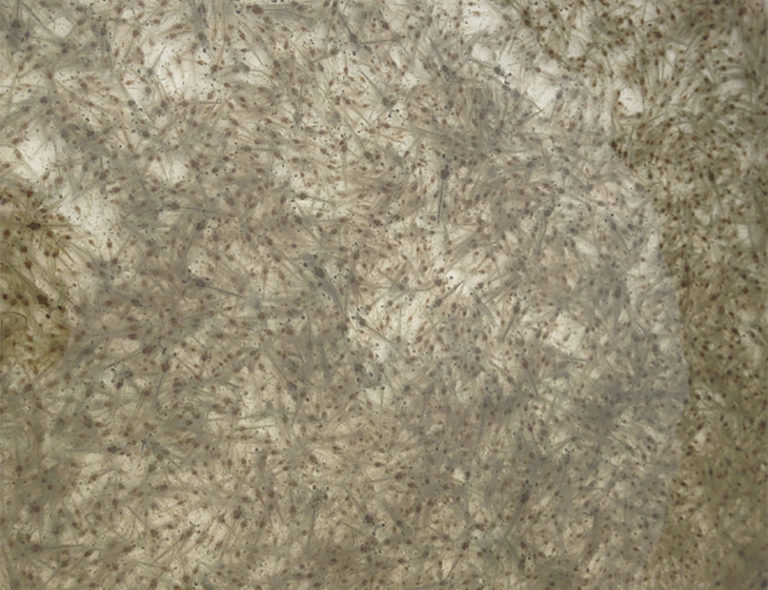
This study showed that a longer inoculation of probiotics will improve shrimp postlarvae growth and survival, and that a new technique developed for more accurately estimating postlarvae weight can significantly reduce the food that must be supplied.
Health & Welfare
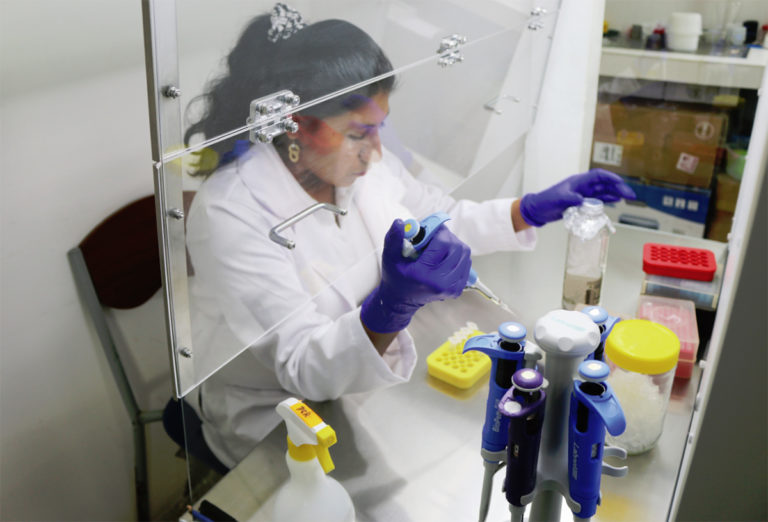
Maintaining biosecurity and asepsis in larval shrimp production is a key component of the production chain in Ecuador, which requires the production of 5.5 billion larvae monthly from 300-plus hatcheries.
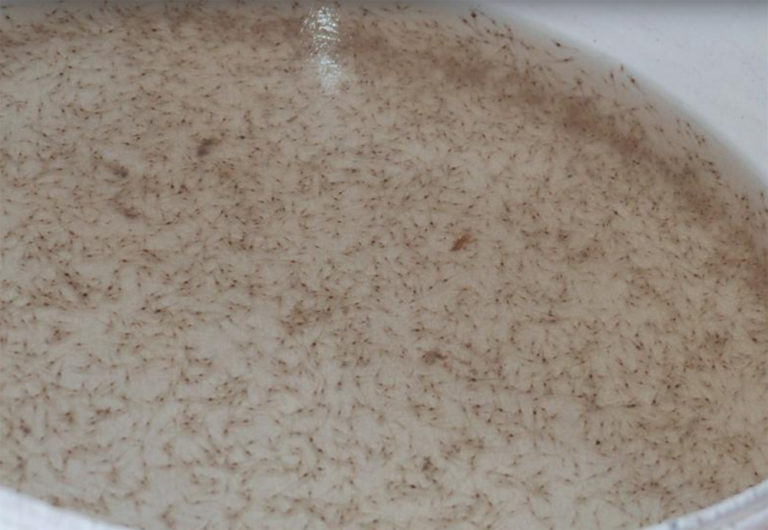
Health & Welfare
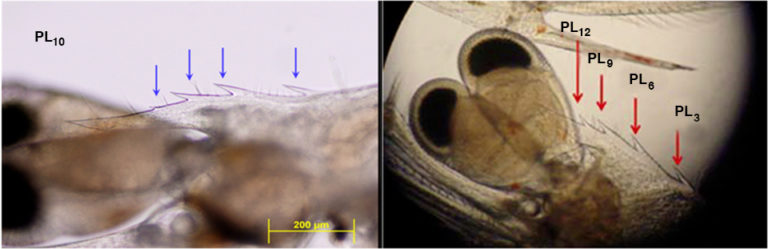
This study evaluated the relationship between the molting stage, age and osmotic stress in Pacific white shrimp postlarvae. The results indicate that osmotic stress tests should be done only with at least PL12 at the intermolt stage and that were cultured at 35 ppt salinity and 29 degrees-C.
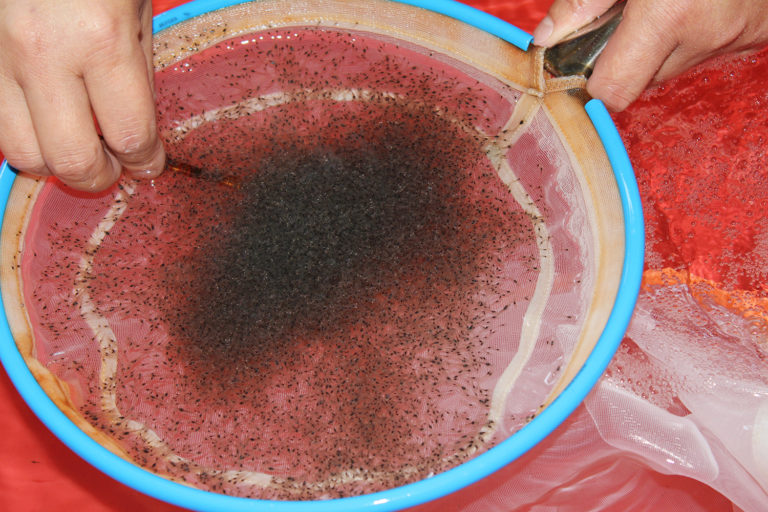
Health & Welfare
Stocking the best quality shrimp postlarvae, healthy and free of pathogens, is a critical management step with significant effects on the production and profitability of a shrimp farm.
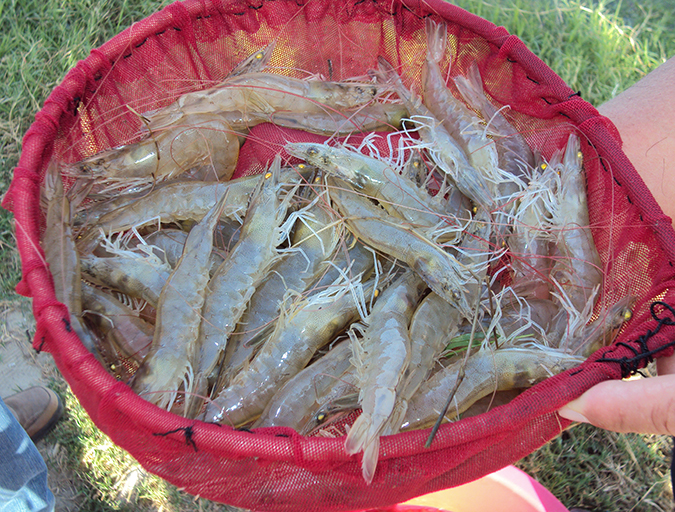
Health & Welfare
Realizing higher growth rates in commercially cultured shrimp has many important benefits, including reducing various risks, cutting costs and increasing economic opportunities. Shrimp genetics primarily determines the amount of additional growth that can be achieved, as shrimp typically reflect their parents’ growth rates.
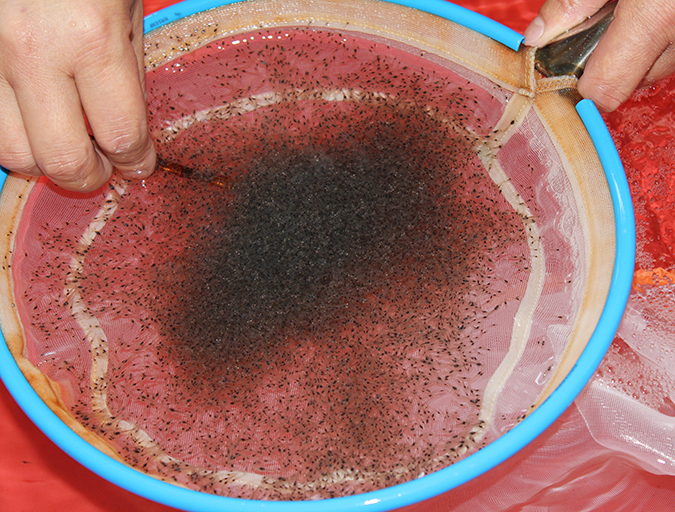
Health & Welfare
Shrimp postlarvae acclimation before stocking into the various growout systems (ponds, raceways, tanks) is a critical – and often overlooked, sometimes taken for granted – step in the shrimp culture process. Various water quality parameters should be changed slowly so that the young shrimp have the time to gradually adapt to the new conditions.
Health & Welfare
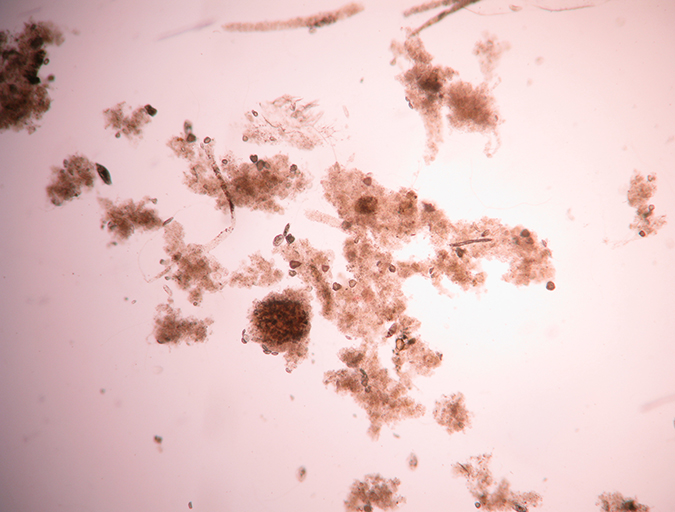
The use of biofloc technology (BFT) is increasing in the commercial production of several important aquatic species, as it can increase production and efficiency and minimize the potential impacts of effluents. This study showed that BFT systems without water exchange and supplemented with molasses or dextrose as a carbon source yield adequate production and water quality during the hatchery phase of L. vannamei.
Health & Welfare
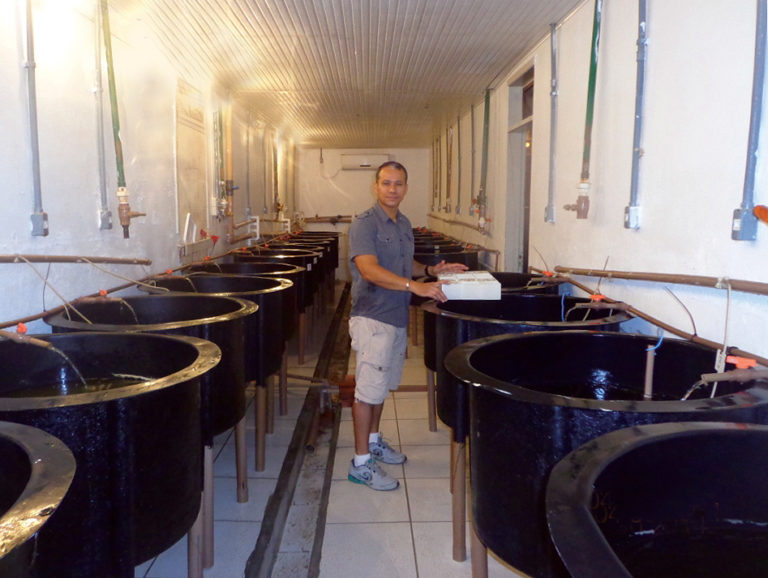
The authors performed a study to determine the tolerance of shrimp postlarvae to the crowding effects of high-density stocking in terms of production performance. Postlarvae were stocked in heavily aerated microcosm tanks with biofloc at 1,500; 3,000; 6,000 or 9,000 shrimp/m3. High survival was observed at all densities. Final biomass values increased with higher stocking densities, but there was no significant difference between the 6,000 and 9,000 shrimp/m3 treatments or the 1,500 and 3,000 shrimp/m3 treatments.
Health & Welfare
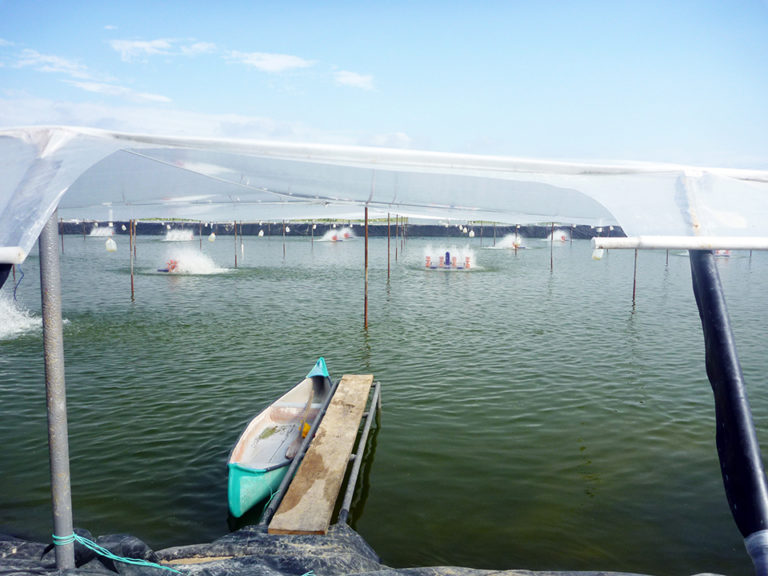
In a survey of Vibrio concentrations in white shrimp postlarvae at two inland farms, hatchery postlarvae were acclimated in water with salinity reduced from 30 and 5 ppt to 2 ppt at the farms. One farm stocked postlarvae in nursery ponds, and the other stocked directly into grow-out ponds.
Health & Welfare
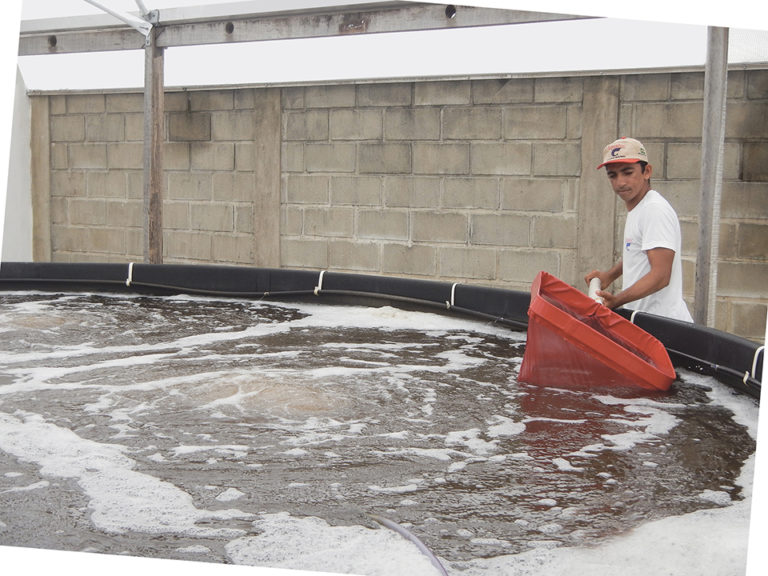
Although the characteristics of shrimp postlarvae have changed over time, the standard method used to identify their size has not. Usually, the “size” of postlarvae is considered their chronological age after completing metamorphosis.
Health & Welfare
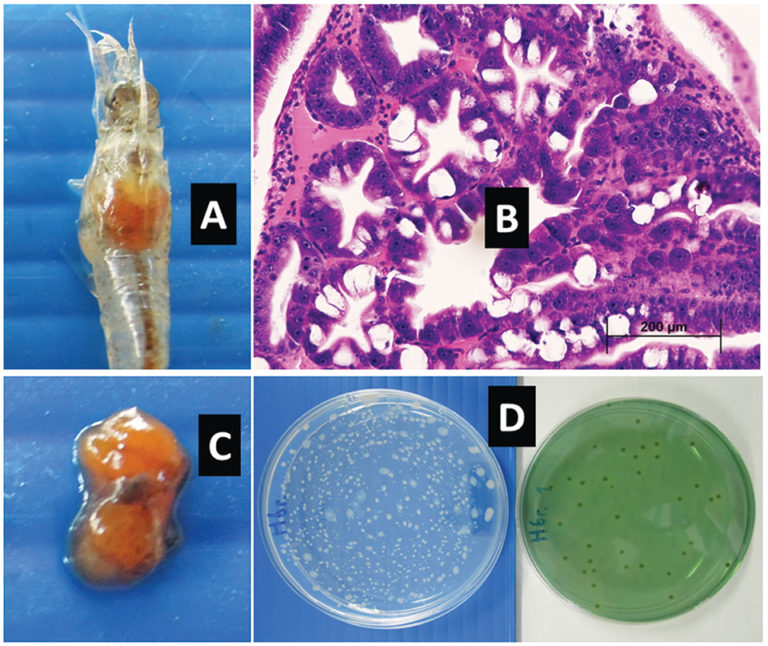
Monitoring of Vibrio bacteria in shrimp larvae determined a relationship among hepatopancreas color, bacteria concentration and signs of early mortality syndrome.
Health & Welfare
Establishing postlarvae quality has become one of the most important aspects in controlling diseases in farmed shrimp. Initial microbial testing can ensure viruses and other pathogens are absent from the animals.
Health & Welfare
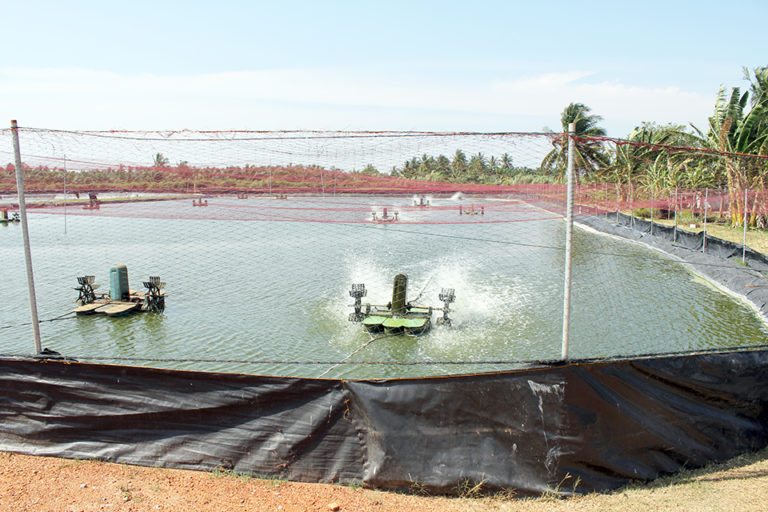
Most aquaculture farms rely on general strategies for biosecurity that implement protocols learned from others. Establishing effective biosecurity, however, can be complicated due to multiple interacting variables.
Health & Welfare
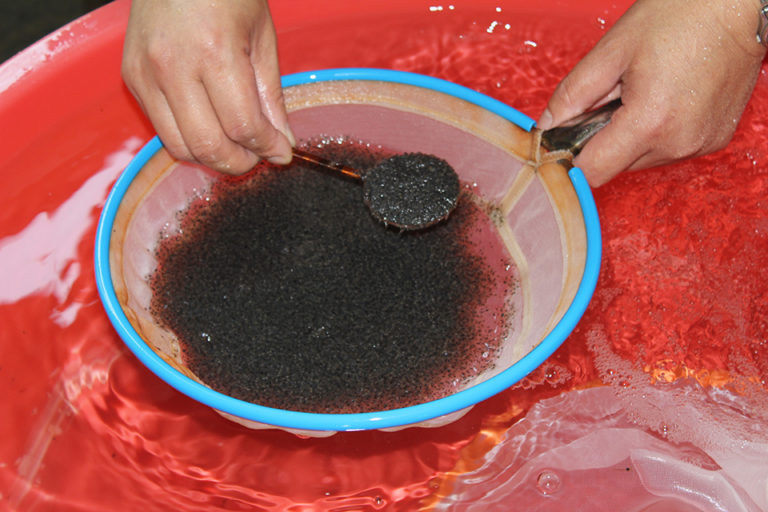
The quality of postlarvae supplied by a shrimp hatchery can vary considerably. Common myths, such as acceptance of low survival and insufficient concern for water quality, can contribute to lower animal quality.