Responsibility
UN endorses NOAA’s new Guidelines for Sustainable Aquaculture
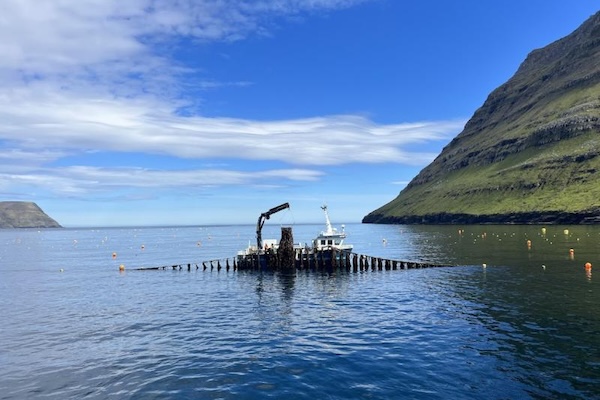
The United Nations has endorsed NOAA’s new Guidelines for Sustainable Aquaculture, which develop global aquaculture best practices.


Responsibility
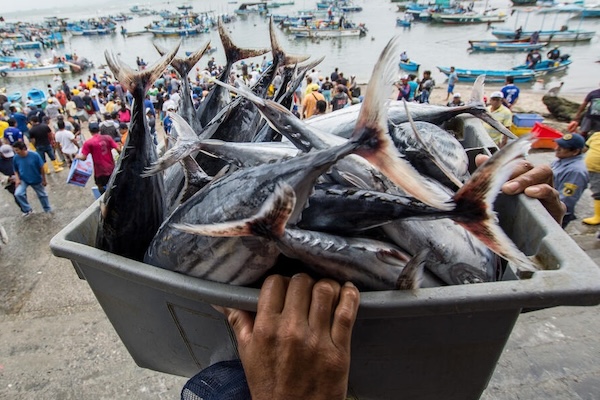
Global projections show fish biomass could drop more than 10 percent in many regions by mid-century if greenhouse gas emissions stay high.
Responsibility
The United Nations has endorsed NOAA’s new Guidelines for Sustainable Aquaculture, which develop global aquaculture best practices.
Intelligence
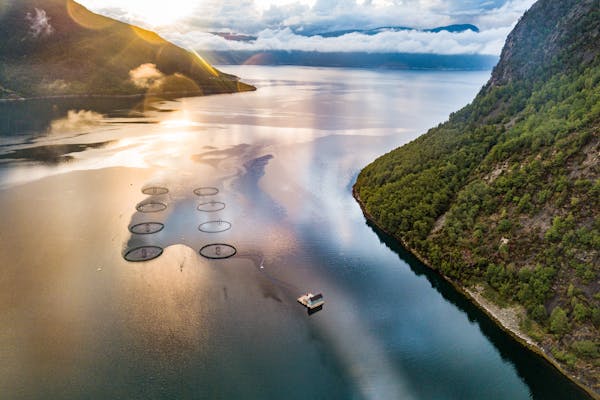
Rabobank predicts improved demand and cost stabilization for aquaculture, despite market uncertainty and ongoing biological challenges.
Responsibility
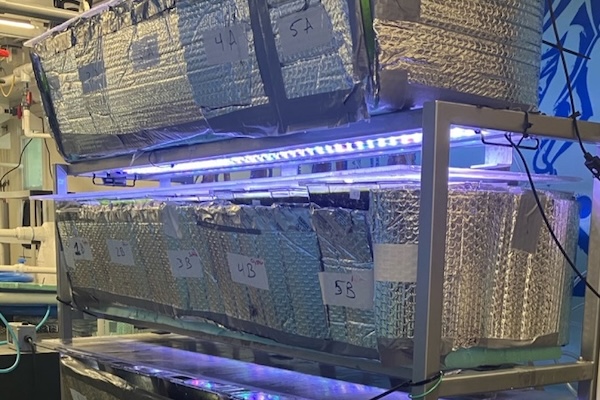
A new study finds pairing shrimp with oysters and seaweed reduces nitrogen levels, making shrimp farming more responsible and profitable.
Health & Welfare
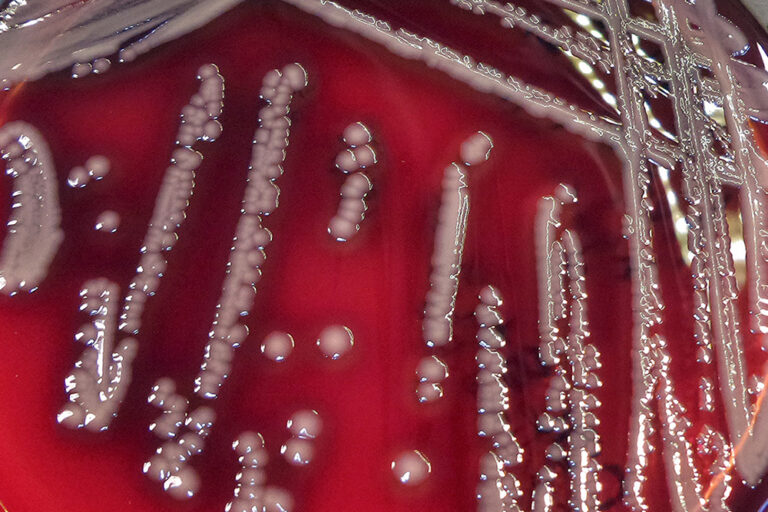
Solving the mechanisms of environmental virulence regulation can help develop targeted interventions to mitigate A. hydrophila infections.
Fisheries
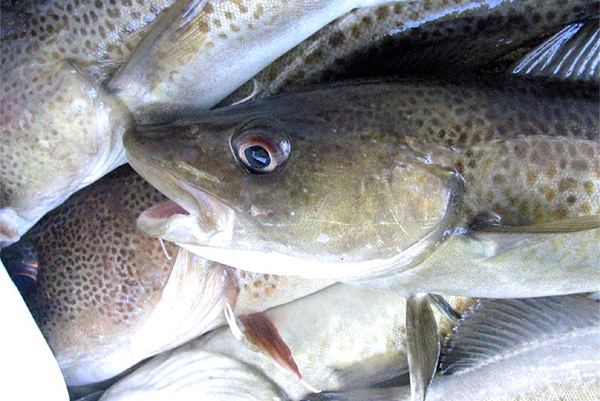
Canada has lifted a 30-year fishing ban on Northern cod in Atlantic Canada, aiming to rebuild the fishery amid concerns about cod recovery.
Fisheries
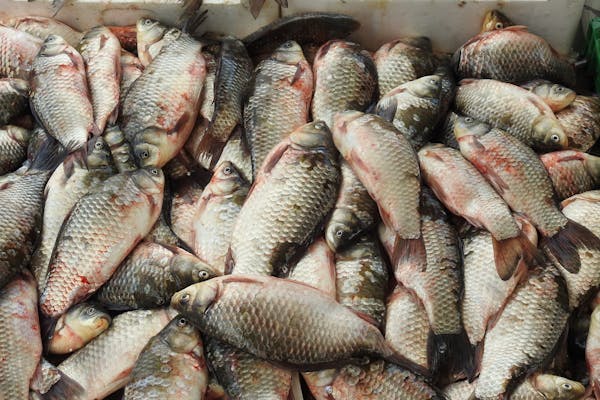
Progress in sustainable seafood production is notable but uneven, according to the latest Sustainable Fisheries Partnership report.
Intelligence
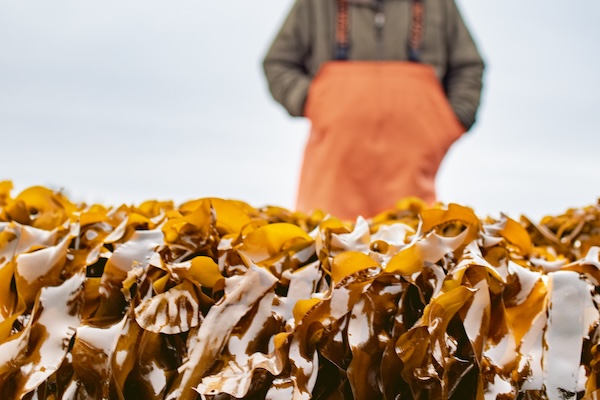
Atlantic Sea Farms harvests a record 1.3 million pounds of farmed seaweed in 2024, experiencing "tremendous expansion."
Health & Welfare
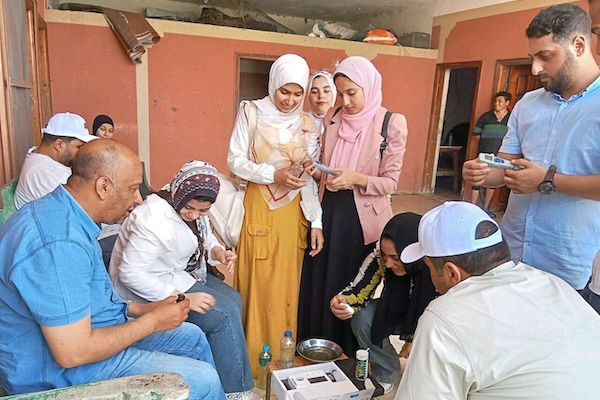
More than 120 Egyptian aquaculture workers have completed specialized training to enhance tilapia welfare and fish productivity.
Health & Welfare
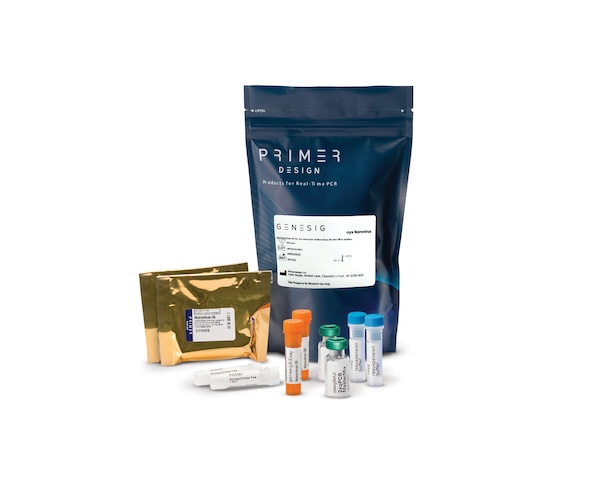
New Norovirus detection kit for oysters promises rapid, accurate testing to enhance food safety and mitigate risks for shellfish farmers.
Intelligence
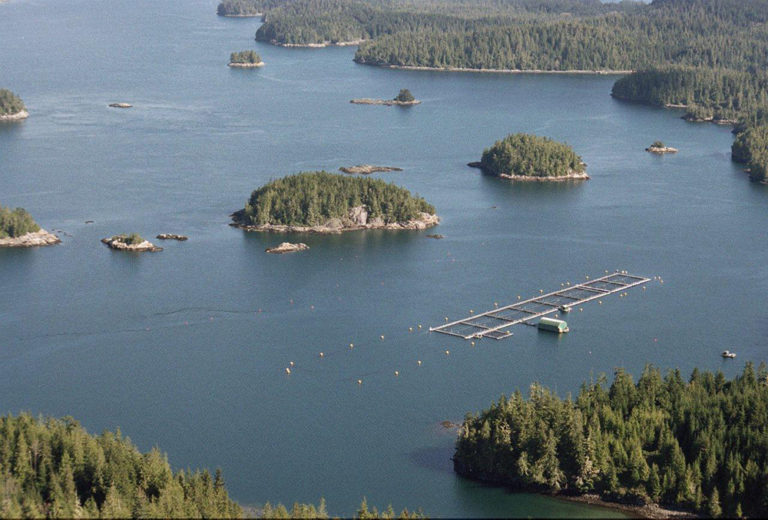
The aquaculture industry reacts to the Canadian government's "short-sighted" decision to close open-net pen BC salmon farms in 2029.
Intelligence
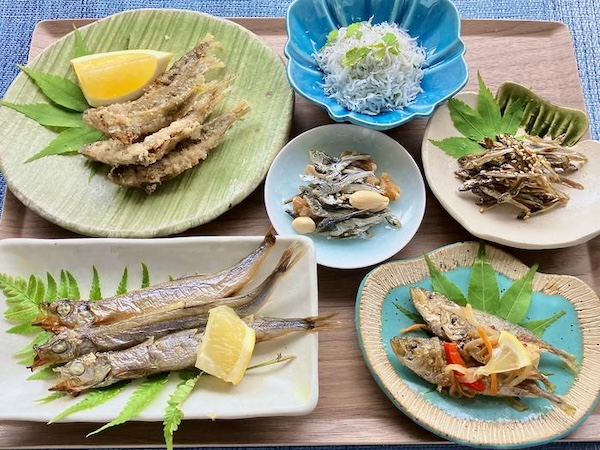
Study finds that regularly eating small fish whole significantly reduces the risk of death from all causes and cancer in Japanese women.
Intelligence
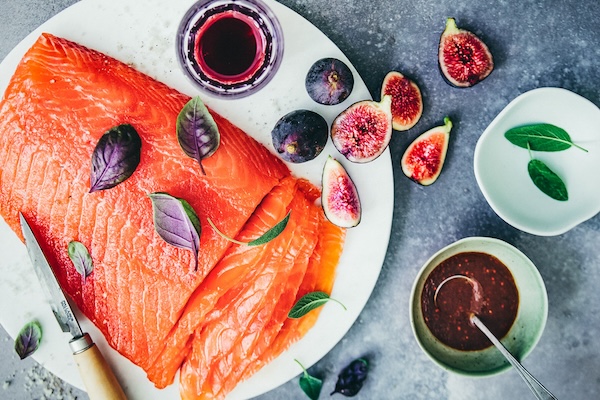
Scottish salmon exports have surged to $819 million in the past year, reaching a five-year high as international demand grows.
Innovation & Investment
The World Bank has released a guide designed to boost investment in sustainable aquaculture, the world’s fastest-growing food sector.
Intelligence
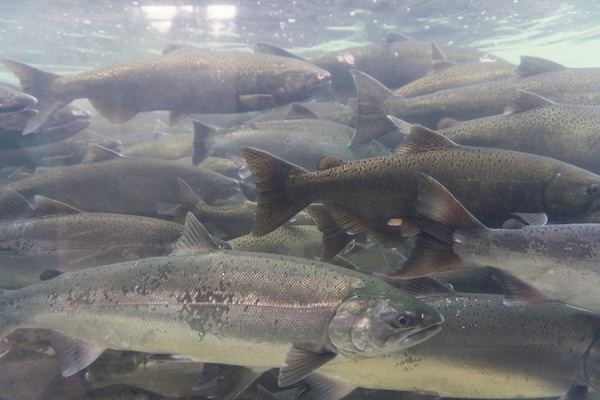
The University of Glasgow has received £3 million in funding for farmed salmon health and seaweed aquaculture research.
Intelligence
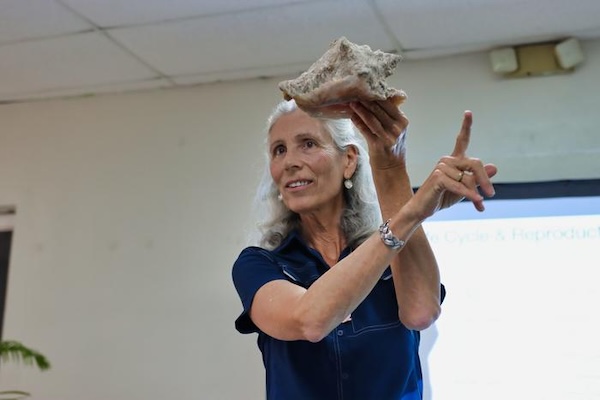
A free online training program, eConch, helps Caribbean communities learn to conserve and culture the endangered queen conch.