Health & Welfare
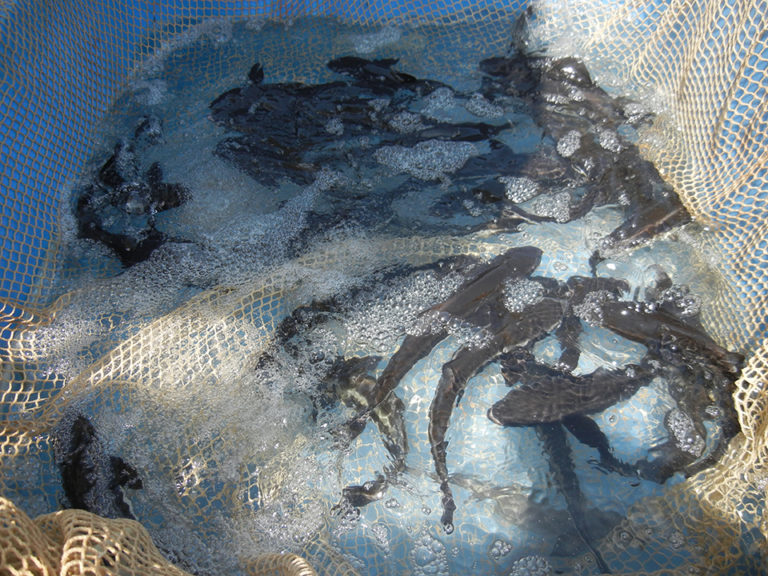
Soy products replace fishmeal in offshore cobia feed study
A project of the Soy-in-Aquaculture program evaluated the feasibility of using soy protein concentrate and soybean meal to replace fishmeal in cobia diets.


Aquafeeds
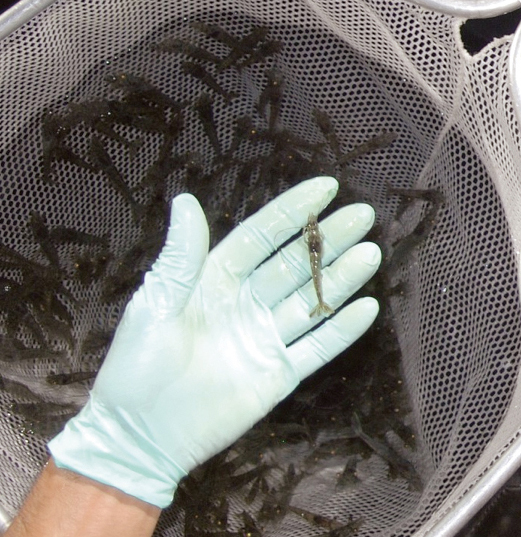
A study investigated the effects of storage temperature and duration on the quality of finished fishmeal fed to juvenile shrimp. Diets with 15 percent fishmeal were stored at 4 or 30 degrees-C for six months or 12 months.
Health & Welfare
A project of the Soy-in-Aquaculture program evaluated the feasibility of using soy protein concentrate and soybean meal to replace fishmeal in cobia diets.
Aquafeeds
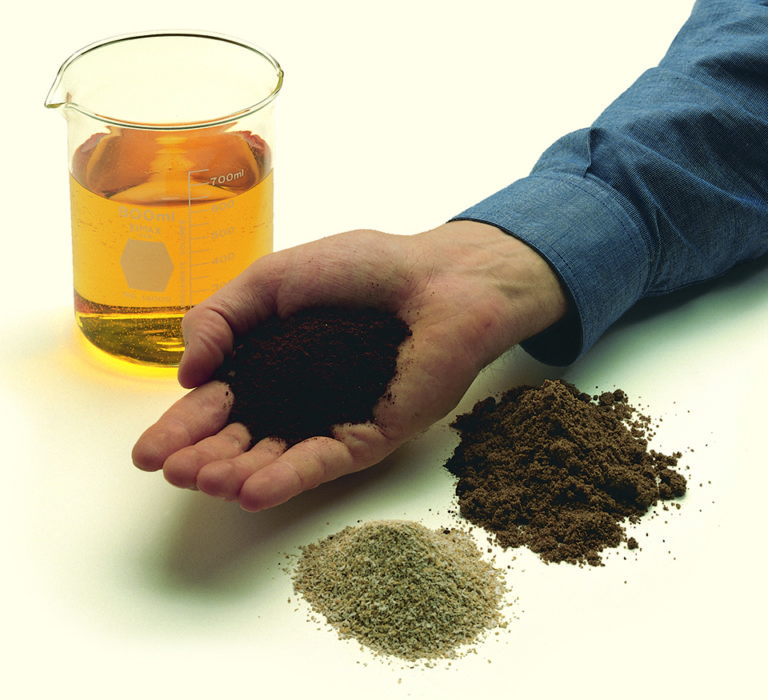
Key molecules found in animal byproduct hydrolysates show potential for use as functional ingredients in aquaculture feeds. Animal co-product hydrolysates from slaughterhouse waste and rendered animal byproducts present a protein alternative.
Aquafeeds
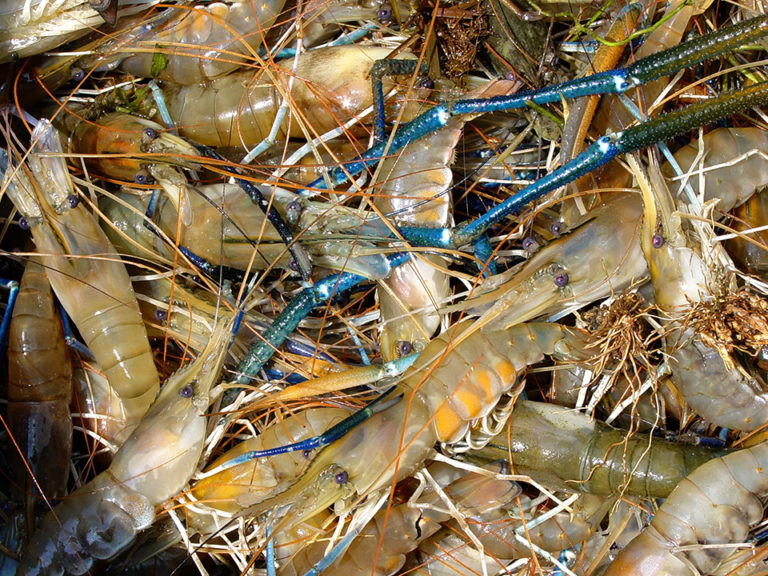
Low-input culture practices for freshwater prawns can manage their growth and biological characteristics so they can be fed no fishmeal or fish oil.
Aquafeeds
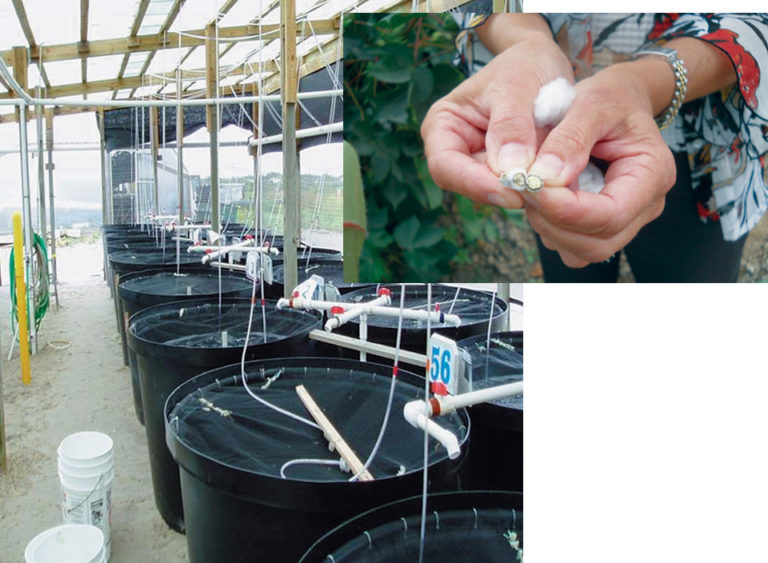
Cottonseed meal is high in protein and less expensive than fishmeal and soybean meal. Cotton plants can be engineered without gossypol in their seeds.
Health & Welfare
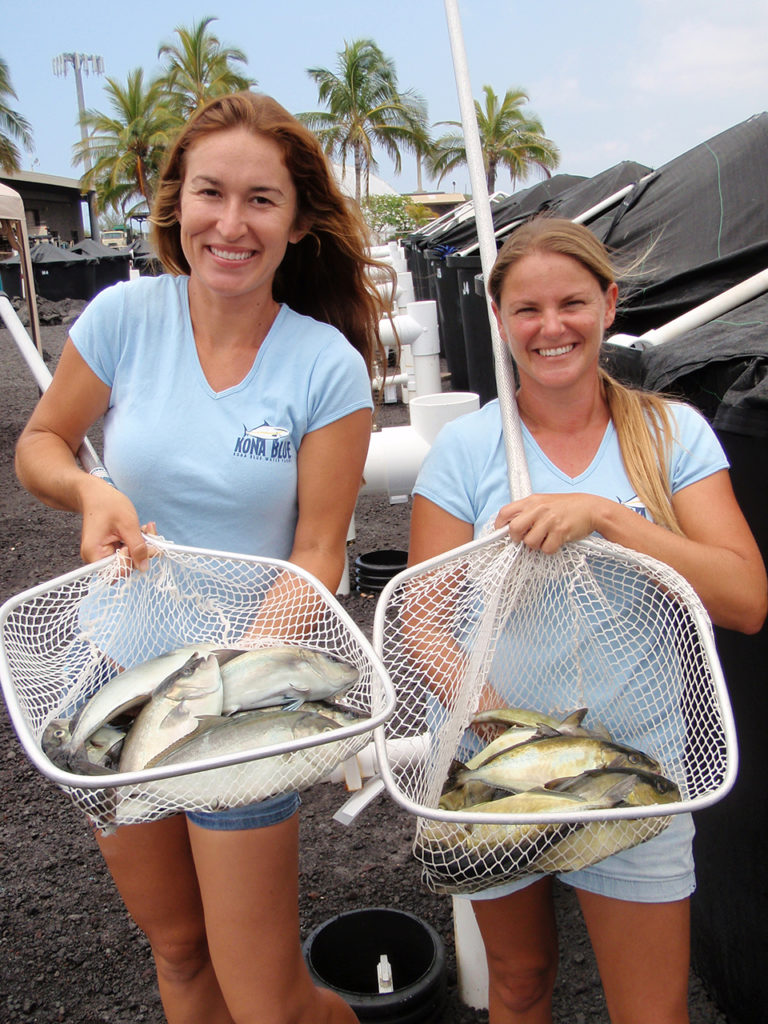
In a nutrition trial, longfin amberjack received two diets composed of 40 percent soy protein concentrate and 10 percent fishmeal, and a control diet with 20 percent fishmeal.
Health & Welfare
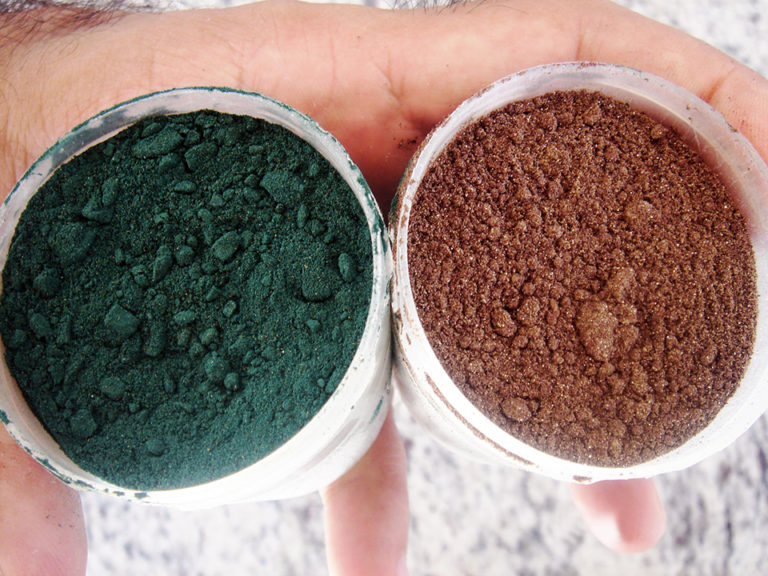
In a 10-week study of nursery-reared Pacific white shrimp performance, the inclusion of Spirulina meal allowed reduction of fishmeal up to 25 percent with no detrimental effect on shrimp growth performance.
Health & Welfare
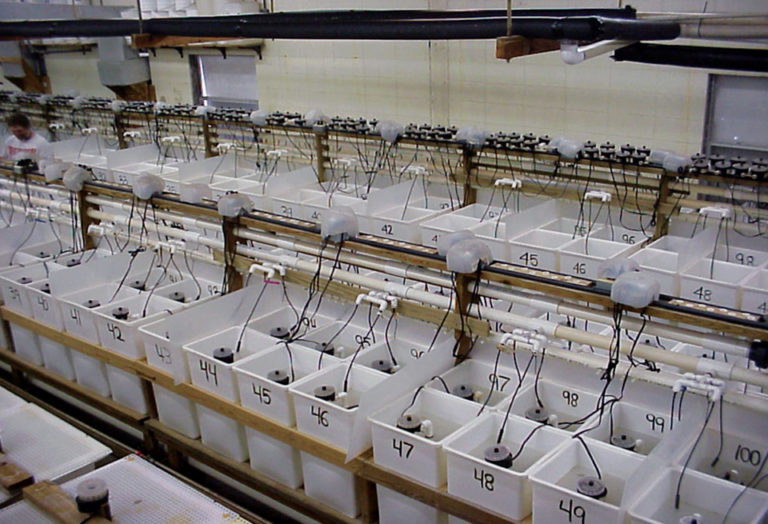
Single-celled proteins in bioflocs can provide protein and other nutrients in shrimp feed, but what makes them enhance growth performance in shrimp?
Aquafeeds
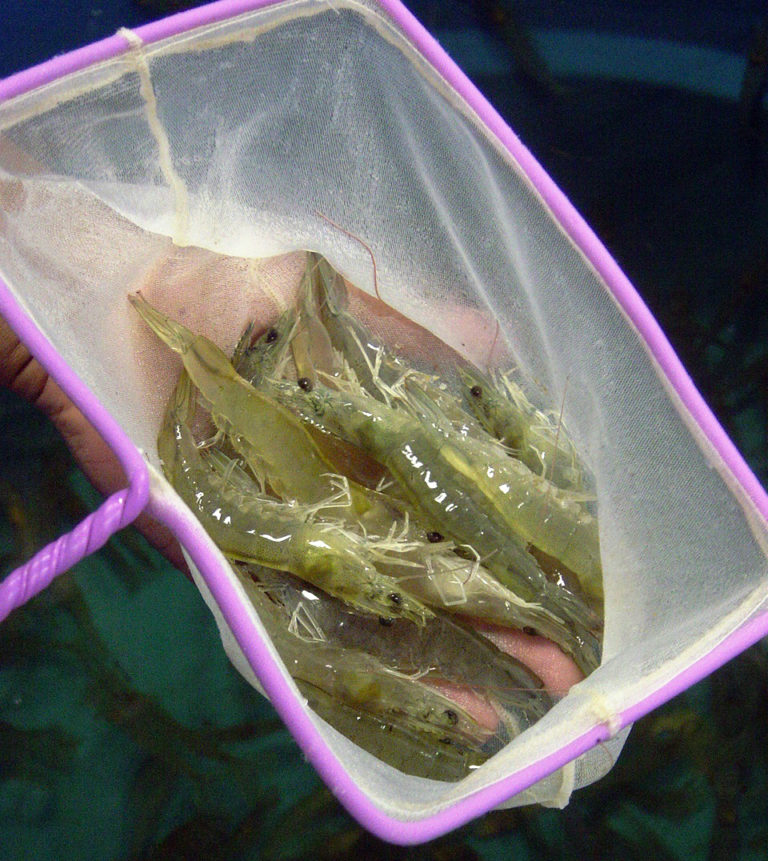
The required level of fishmeal in white shrimp diets can be reduced to 5 percent through substitution as long as fish oil content is kept at 2 percent.
Aquafeeds
In a study, the authors evaluated the performance of juvenile white shrimp grown at high density and fed diets with varying levels of methionine. Trends toward improvements in feed intake were observed for diets with reduced fishmeal and HMTBa supplementation.
Aquafeeds
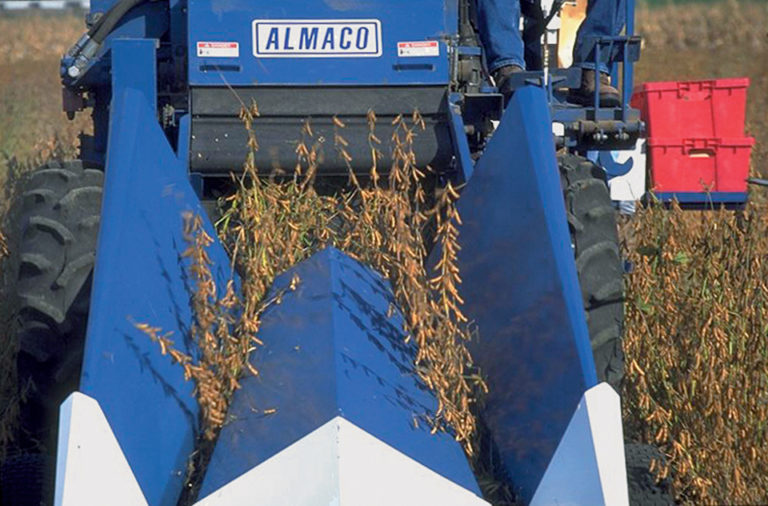
The aquaculture industry has significantly reduced fishmeal levels in feeds for major farmed species. To further reduce fishmeal use, new research approaches are essential.
Health & Welfare
Protein hydrolysates are currently used as partial substitutes for fishmeal in high-quality artificial diets since their inclusion in feeds promotes growth and survival.
Aquafeeds
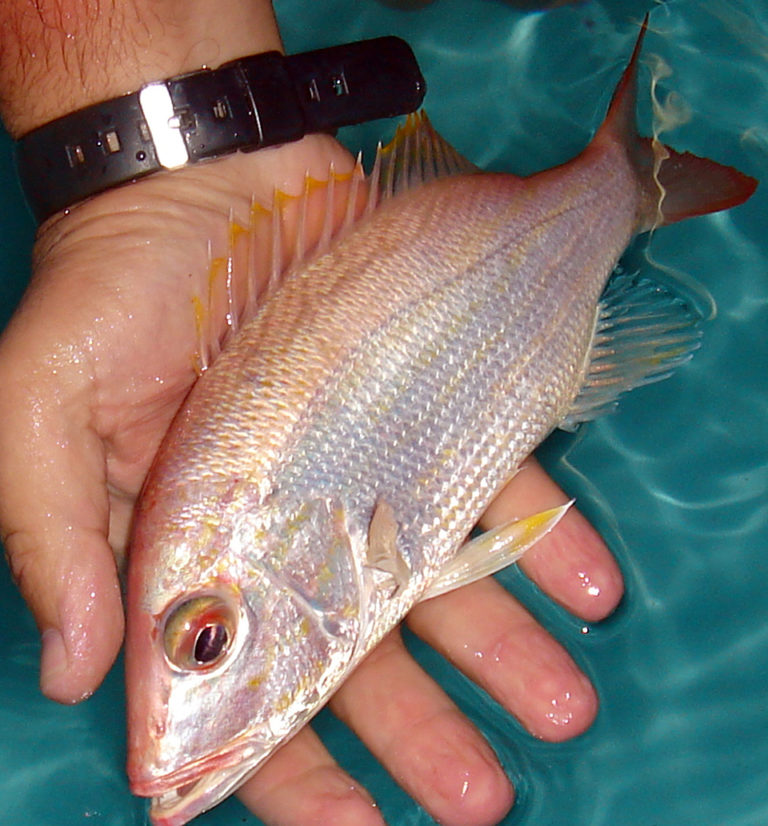
A study in Brazil indicated that mutton snappers, a high-value species that readily accepts artificial food, can grow well on diets containing high-quality plant proteins such as soy protein concentrate.
Health & Welfare
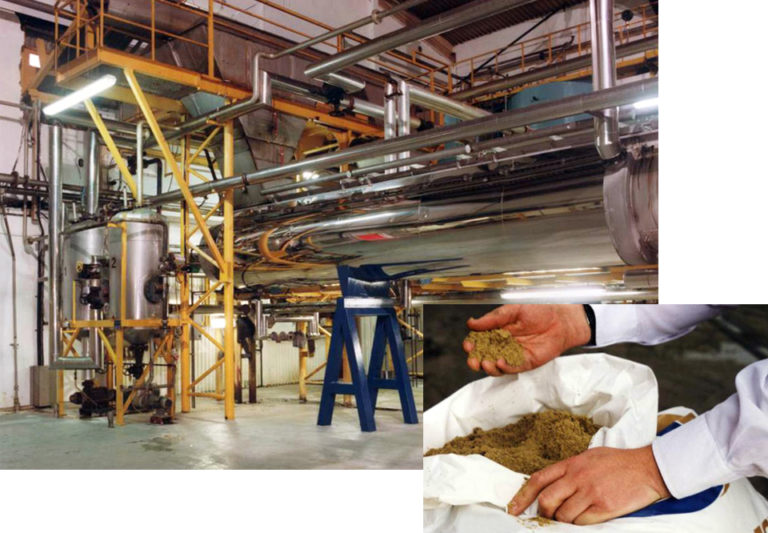
The amount of fishmeal and fish oil used in aquaculture has remained static, while output from aquaculture has increased.
Aquafeeds
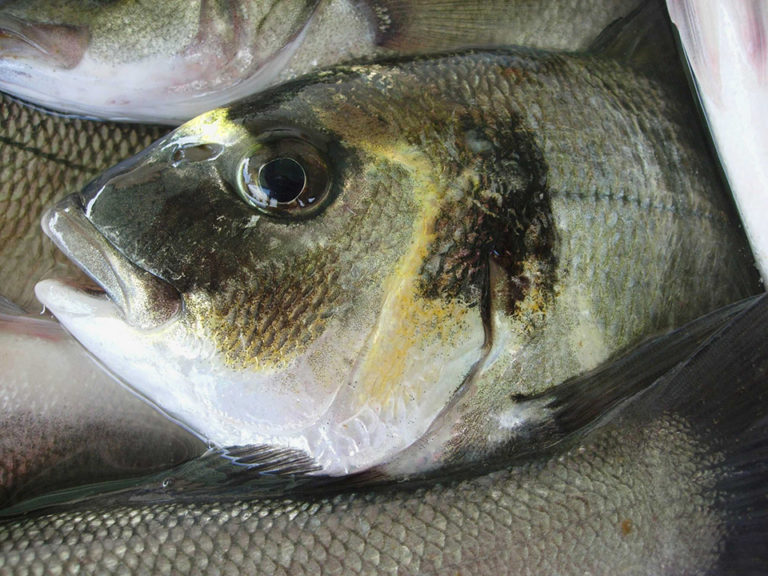
In a study with gilthead sea bream, two test diets used primarily soy products as sources of protein and fat against a reference feed based largely on fishmeal and fish oil.
Aquafeeds
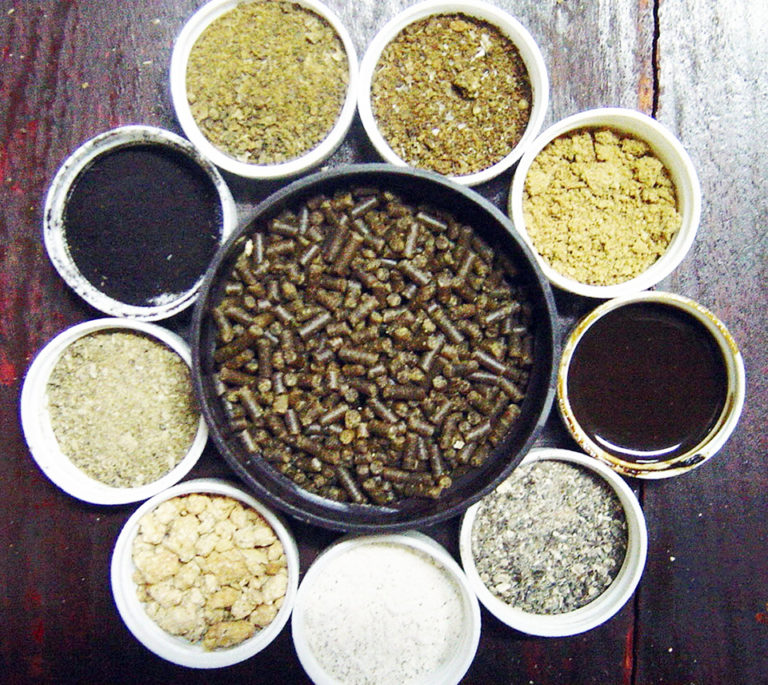
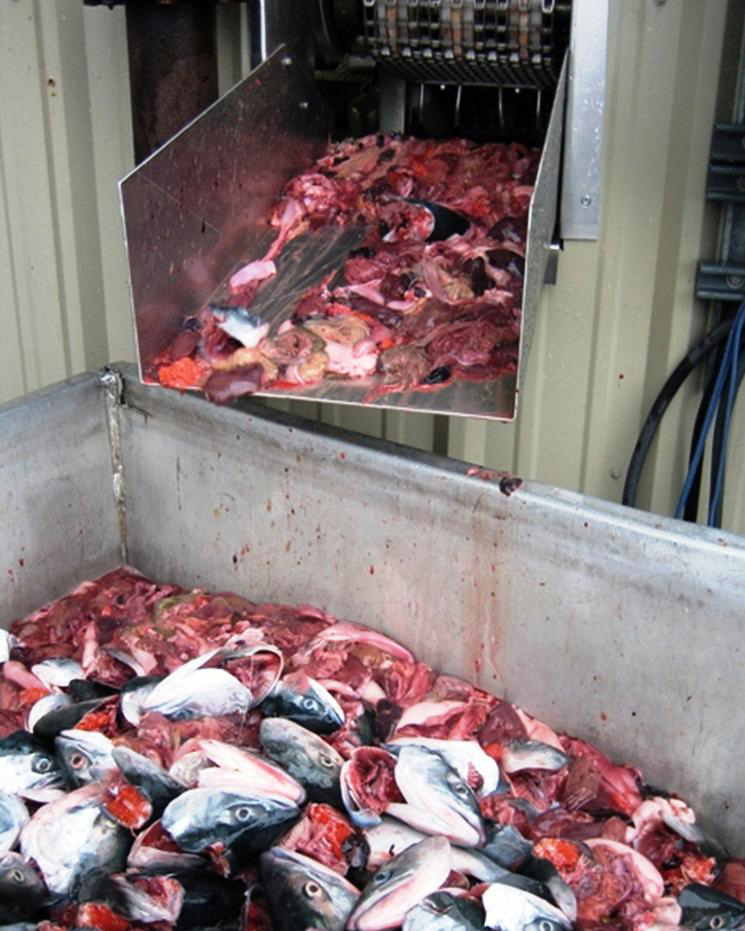
The National Oceanic and Atmospheric Administration and U.S. Department of Agriculture joined forces through the NOAA-USDA Alternative Feeds Initiative to identify feed ingredients that will reduce the amount of fishmeal and fish oil in aquaculture feeds while maintaining the human health benefits of seafood. Through research on a variety of sources, promising alternatives are beginning to emerge.