Responsibility
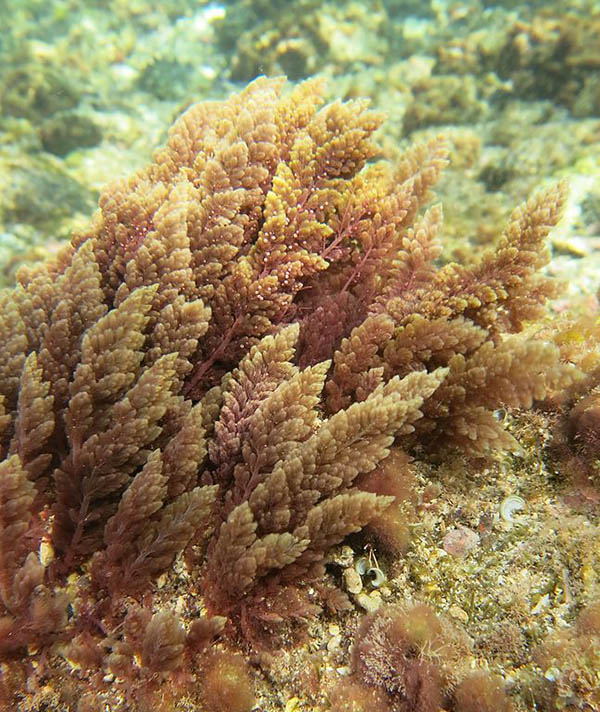
‘Red sea plume’ alga may significantly reduce greenhouse gas emissions from cow manure
Adding red sea plume (Asparagopsis taxiformis) to stored dairy cow manure can cut greenhouse gas emissions nearly in half, a new study finds.


Fisheries
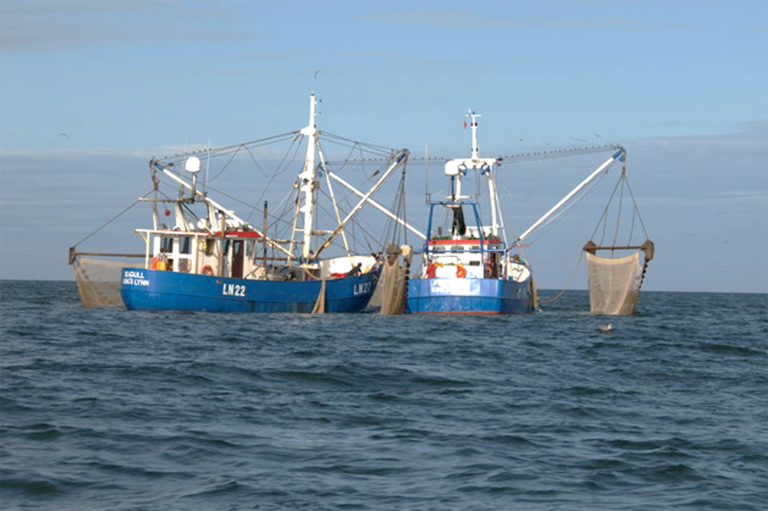
Authors argue that expanding land-based protein production could amplify biodiversity loss, whereas well-managed fisheries can operate within existing ecosystem structures.
Responsibility
Adding red sea plume (Asparagopsis taxiformis) to stored dairy cow manure can cut greenhouse gas emissions nearly in half, a new study finds.

Innovation & Investment
Preliminary research suggests that emerging mariculture methods could provide alternatives to land-based agriculture and within recirculating systems.
Responsibility
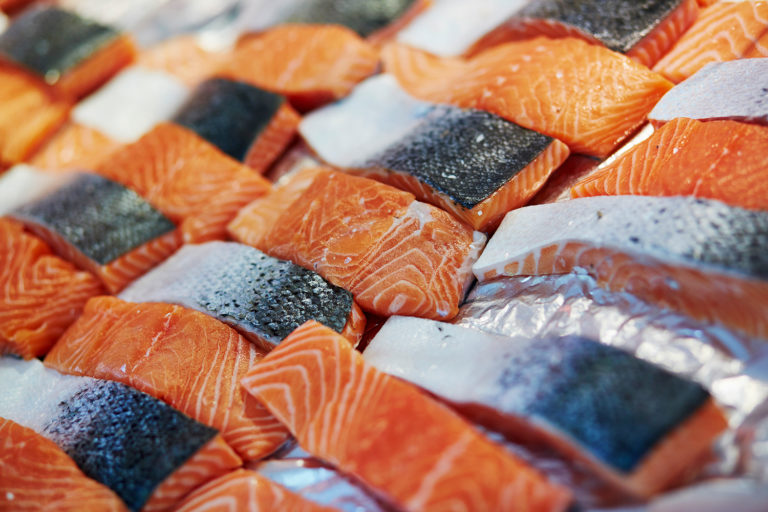
Salmon farms are quite different from terrestrial farms in providing both nutrition and calories. They produce stunningly more of both than their land-based counterparts.
Responsibility
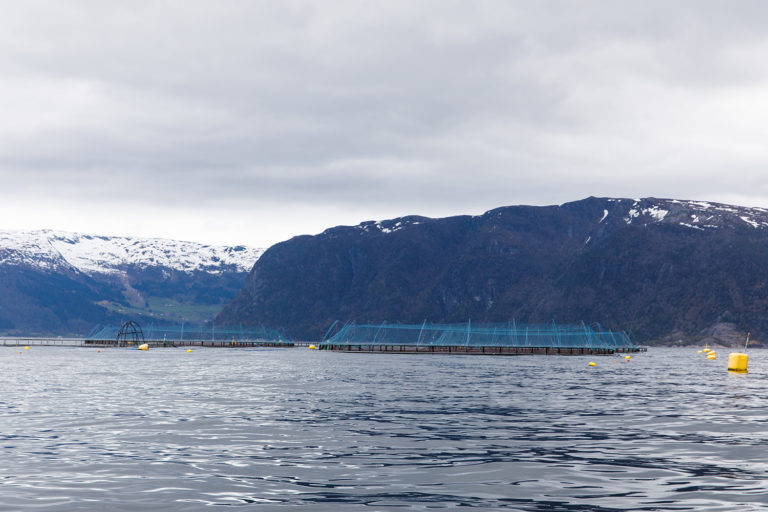
Focused on land-use implications of terrestrial meat production, the study concluded that aquaculture can meet the protein demands of a growing global population without adding strain on arable land, water or our other natural resources.
Intelligence
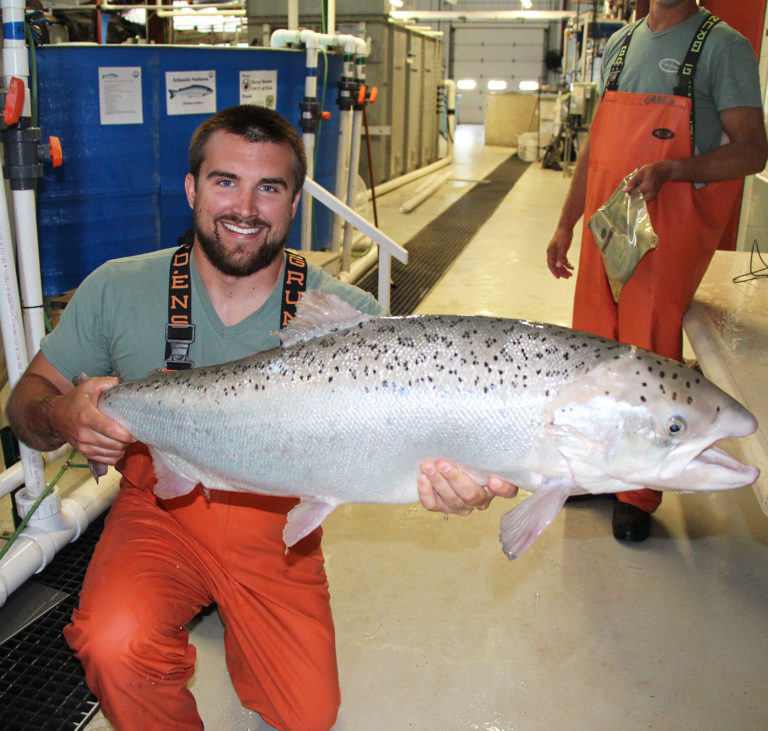
Wisconsin State Rep. Mary Felzkowski and others are championing aquaculture to grow food production in the state, with a keen interest in recirculating aquaculture systems (RAS).
Responsibility
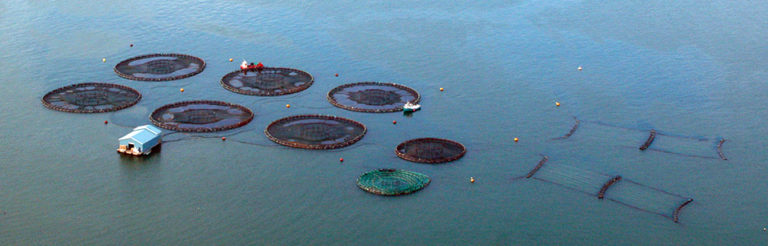
In integrated multi-trophic aquaculture, farmers combine the cultivation of fed species such as finfish or shrimp with extractive seaweeds, aquatic plants and shellfish and other invertebrates that recapture organic and inorganic particulate nutrients for their growth.
Responsibility
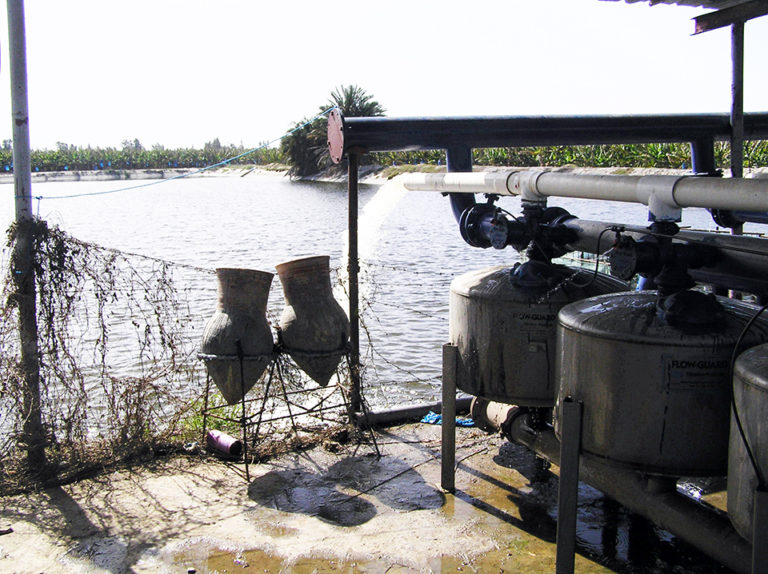
Fish farming in Egypt is not formally recognized as an agricultural activity, so aquaculture cannot use water from irrigation canals. However, fish are raised as primary or secondary crops in combination with fruit and other plant crops.