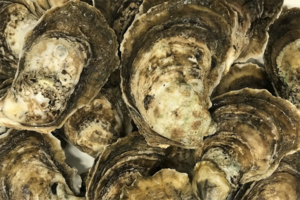
Joint initiative to replenish oyster population in Baltimore Harbor
Using a solar-powered automated aquaculture system, a collaboration aims to replenish the native oyster population in the Baltimore Harbor.



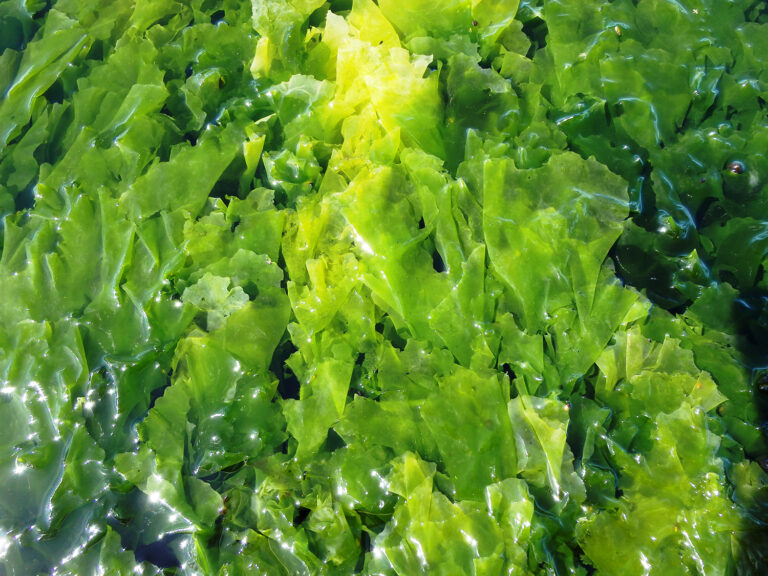
In the next article from the GAIN project, producing algae from smolt wastewater can increase salmon farms’ profits and maximize nutrient use.
Using a solar-powered automated aquaculture system, a collaboration aims to replenish the native oyster population in the Baltimore Harbor.
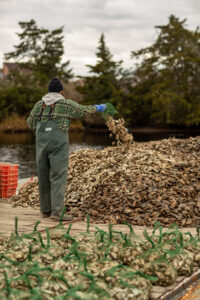
The Nature Conservancy will provide $1 million in grants to support conservation and innovation in the U.S. aquaculture industry.
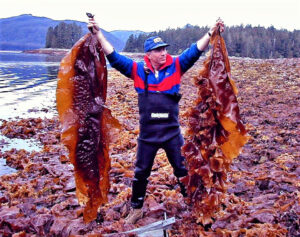
Author discusses ex-situ macroalgae germplasm seed banking for the preservation of heirloom strains, biodiversity and ecosystems.
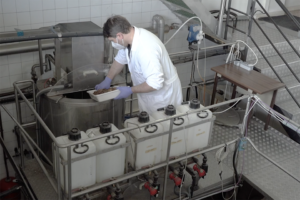
In the latest GAIN article, fish scraps can be transformed into fish protein hydrolysates as a high-nutrient value addition to aquafeeds.

The Global Seafood Alliance’s seventh virtual GOAL conference session delved into the role of green financing in fueling seafood’s transformation.
Thai Union Group was ranked No. 1 in the Seafood Stewardship Index rankings for 2021, followed by Norwegian salmon giant Mowi.
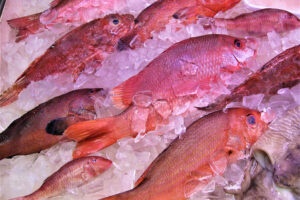
Prof. Boyd estimates the edible protein from various sources using data on yield of crude protein in edible meat of aquatic and terrestrial animals.
In the latest article from the GAIN project, implementing circular economy principles can help increase the sustainability of aquaculture production.
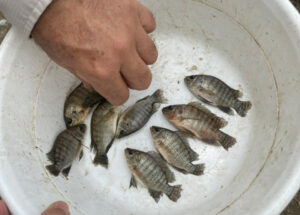
Analysis of a tilapia fingerlings biofloc farm showed it had emergy indicator values characteristic of potentially sustainable production.
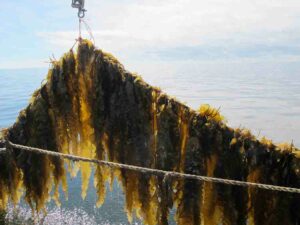
A pilot project led by the Aquaculture Association of Nova Scotia has shown first-year success for cultivating kelp on shellfish leases in Nova Scotia.
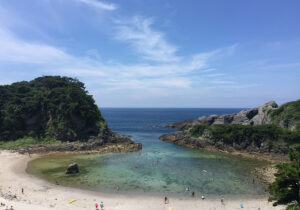
Shikinejima is a scenic getaway for tourists but the seas surrounding its volcano offer a glimpse of how the ocean could behave in the future.
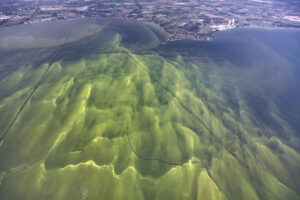
Comprehensive review explores the negative and positive sides of climate change on aquaculture production, and implications for its sustainability.
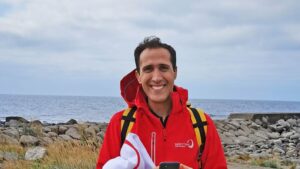
Aquafeed giant Skretting recently appointed Jorge Diaz as its sustainability manager to advance its ambitious sustainability agenda.
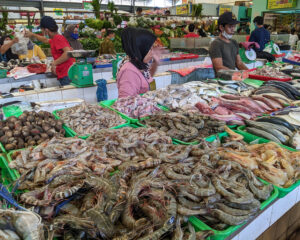
New research from WorldFish and the Stanford Center for Ocean Solutions determines that most national nutrition policies are recognizing the value of aquatic foods.

How will climate change impact the aquaculture sector? Expert panelists discuss impacts to insurance and how data is driving decision-making.