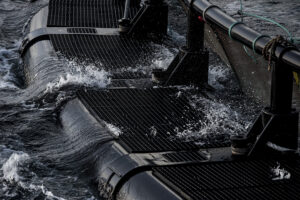
AKVA group to construct world’s first aquaculture pen in recycled materials
In partnership with Plasto and Oceanize, the AKVA group will construct the world’s first aquaculture pen composed of recycled materials.



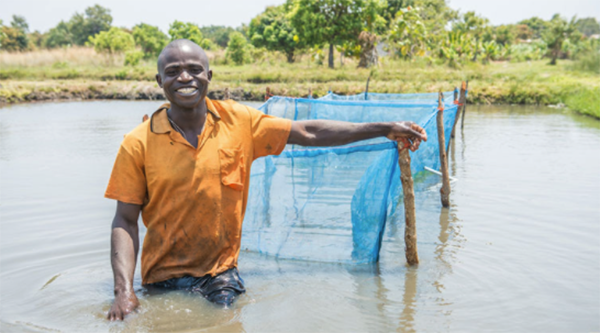
An International Labour Organization technical meeting affirmed that aquaculture has enormous potential to feed the world, but there are challenges to harnessing its full power.
In partnership with Plasto and Oceanize, the AKVA group will construct the world’s first aquaculture pen composed of recycled materials.
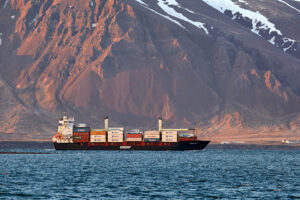
Hiddenfjord executive’s insistence that “fish should never fly” flies in the face of industry norm. This Faroe Island salmon company intends to do things greener.

A new study indicates that the prawn and shrimp farm industry in Bangladesh offers local health, economic and environmental benefits.
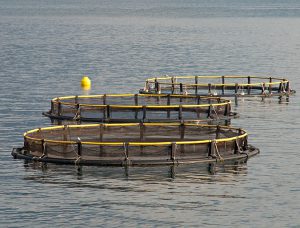
A study projects that the global mariculture supply may decline 16 percent by 2090 if no climate action is taken.
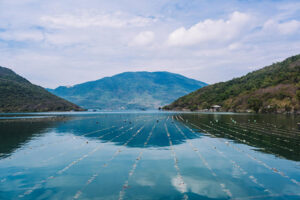
Australis Aquaculture received the U.S. Secretary of State’s 2021 Award for Corporate Excellence in the Climate Innovation category for advancing climate-smart ocean farming of barramundi in Vietnam.
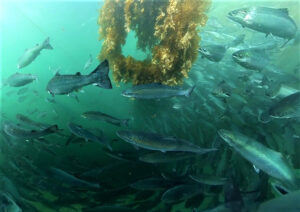
KelpRing has received funding to explore the possible benefits of installing kelp forests within salmon pens to benefit cleaner fish.
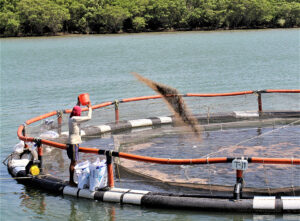
Prof. Boyd examines the feed conversion ratio and the advantages of reducing it, including less waste, better water quality and lower oxygen demand.

Discussion at the final GOAL 2021 event ranged from Ecuador’s booming shrimp sector to the ‘compass’ of the UN’s Sustainable Development Goals.
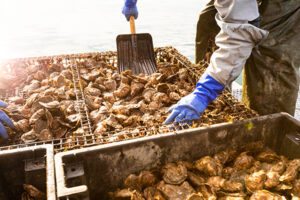
The Nature Conservancy's latest study sets out a standard definition of and global principles for restorative aquaculture.
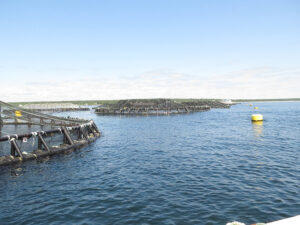
A Centre for Marine Applied Research study will assess the climate change readiness of seafood-dependent communities in Nova Scotia.
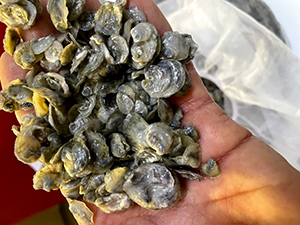
As part of a restorative aquaculture initiative, Orkney Shellfish Hatchery, a multi-species aquaculture hatchery in the Orkney Islands, has released its first stock of native flat oyster spat into the ocean.
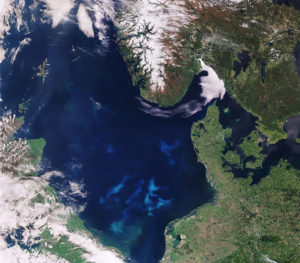
The National Oceanic and Atmospheric Administration announced $15.2 million in funding to research harmful algal blooms throughout U.S. coastal and Great Lakes waters.
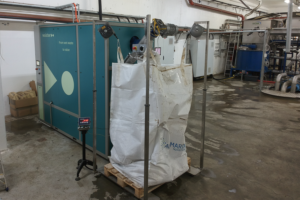
Waister machines transform fish sludge and mortalities into bio-fertilizers and pet feed ingredients to valorize waste through circular economy principles.
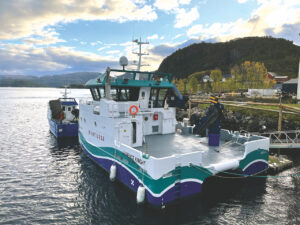
Scottish Sea Farms has added a hybrid power workboat to its fleet, which could cut fuel costs by up to 50 percent and reduce its overall carbon footprint.
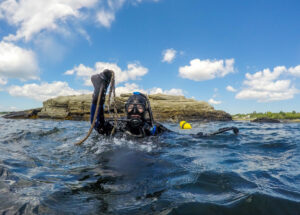
Abandoned, lost or discarded fishing gear can inflict damage on marine life and the ocean, but what's the economic cost of ghost gear?