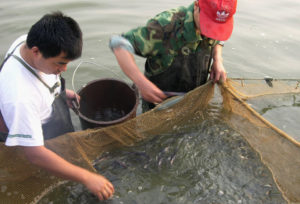
China’s limited paddlefish culture focused on meat production
Fish farmers rear paddlefish as a substitute for bighead carp in more than 10 provinces in China. Limited supply and high fingerling prices limit expansion of production.



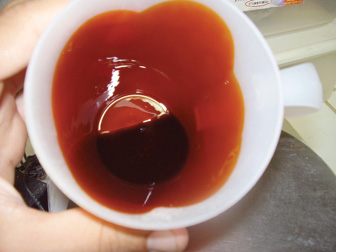
A feed enrichment study showed that dietary lipid source and content of EPA and DHA in the diets of shrimp influenced the fatty acid profiles of their tails.
Fish farmers rear paddlefish as a substitute for bighead carp in more than 10 provinces in China. Limited supply and high fingerling prices limit expansion of production.
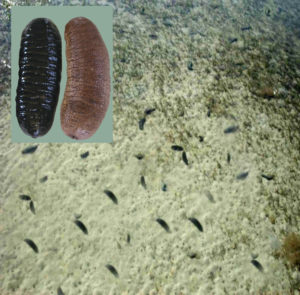
Advances in the culture of sea cucumber species are countering the overexploitation of wild populations. Protocols for intensive hatchery production are well established, and juvenile production efficiency has improved.
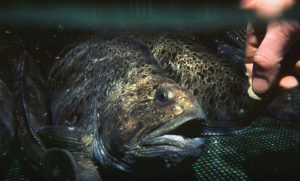
Spotted wolffish exhibit attractive culture characteristics, including high value, high growth rates at high stocking densities, excellent fillet yield, nonaggressive behavior and few disease problems.
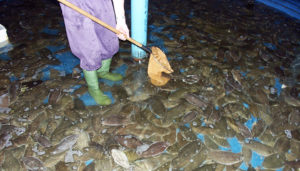
Early efforts at sole culture in Europe were hampered by several technological and disease problems. Improvements in recirculation technology and advances in feed technology have renewed interest in the species.
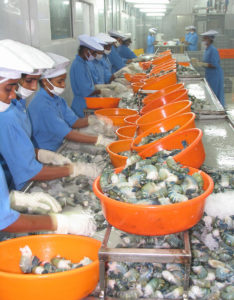
Digestive enzymes in fish can cause post-harvest tissue degradation, an effect that is most pronounced when connective tissue is affected. Some parasites produce enzymes that make seafood appear unsuitable for human consumption.
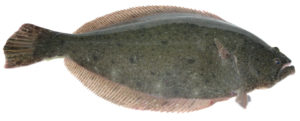
Work on the reproduction and larval rearing of southern Brazilian flounder supports the feasibility of flounder culture. Further research will improve weaning and grow-out techniques for the species.
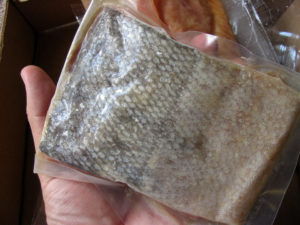
The most important factors in the loss of quality in seafood are nucleotide catabolism and glycolysis. The rates and pathways of nucleotide degradation vary with species and muscle type.
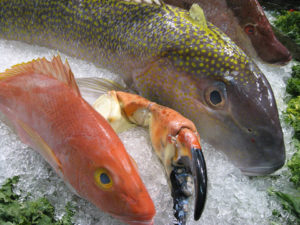
Enzymes are responsible for postharvest changes in seafood that impact product characteristics and reduce value. The odor of seafood is a direct result of enzyme activity.
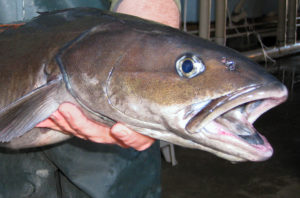
The National Marine Fisheries Service Manchester Research Station has conducted research to develop aquaculture systems for the production of sablefish.
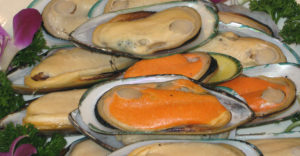
Taurine can protect against oxidative stress, neurodegenerative diseases and atherosclerosis. It can lower blood pressure and blood cholesterol values.
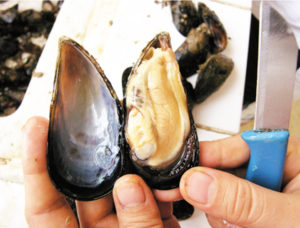
Turkey has many kilometers of coastline, but shellfish culture is developing slowly in the country. Only two bivalve farms producing mussels presently operate there. Mussel spat is collected naturally on the long line systems.
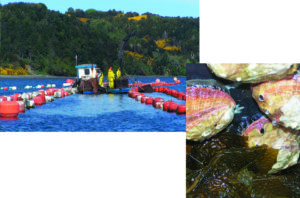
For most mollusk resources, spat supply is not stable enough to sustain the growing industry. Competition for coastline space must also be considered.
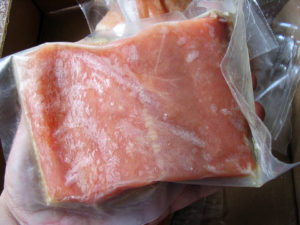
Superchilling is the refrigeration of fish in which the flesh temperature is reduced several degrees below the freezing point, forming ice in the outer few millimeters of the fish.
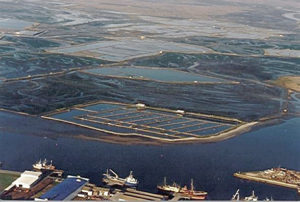
Most of the shellfish industry in Portugal is located on the country’s southern coast, where the production is dominated by the grooved carpet shell clam, followed by Japanese and Portuguese cupped oysters, and mussels.
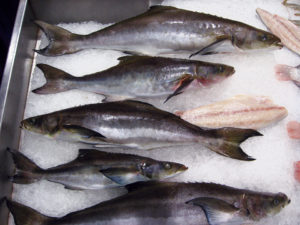
Cobia culture is dominated by the Asia Pacific region. Most culture is done in nearshore net pens, with trends also moving toward offshore pens and even intensive indoor systems. Vietnam is the largest market, while other markets relate to production levels.