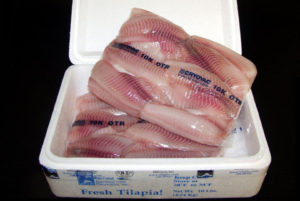
An examination of seafood packaging
Some substances can migrate from plastics and other seafood packaging materials into the product. Even if the substances are not harmful, they can affect the flavor and acceptability of the food.



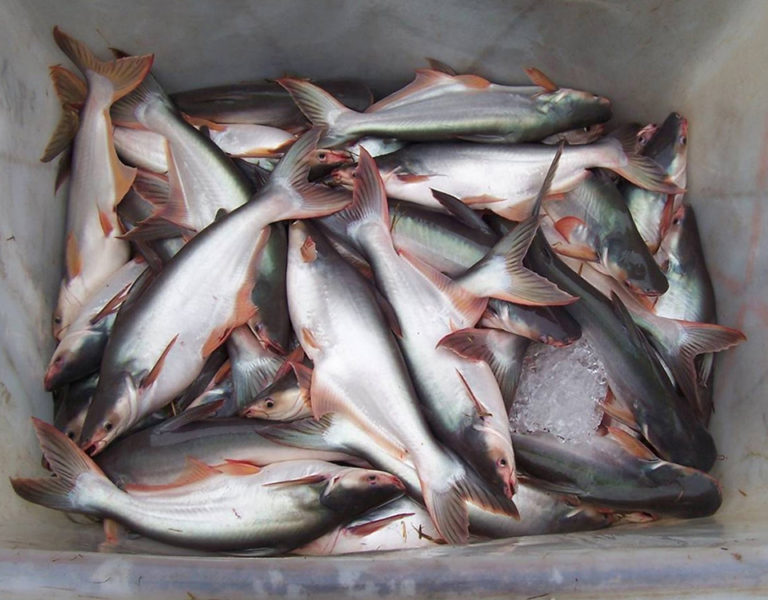
With pangasius imports growing in Central and South American production areas, one response is to introduce the fish as a new aquaculture species.
Some substances can migrate from plastics and other seafood packaging materials into the product. Even if the substances are not harmful, they can affect the flavor and acceptability of the food.
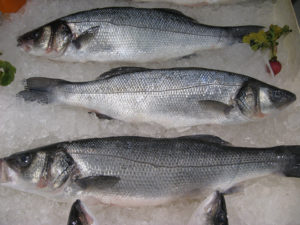
Ice slurry can provide even chilling of seafood at harvest to slightly above the freezing point and maintain this temperature throughout the cold chain.

Methods for analyzing histamine in fish, which causes many seafood-related illnesses, include test kits and high-performance chromatographic liquids.

Shrimp farming in Brazil grew rapidly from the late 1990s to 2003. Brazil can again become a global leader, for it has 600,000 ha of suitable area with excellent natural conditions and infrastructure, and a large internal market.
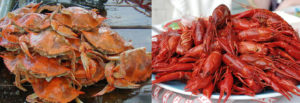
Pasteurization of crustaceans, which can extend shelf life to years, preserves many of the chemical and physical characteristics of the original seafood and destroys most spoilage and many pathogenic bacteria.
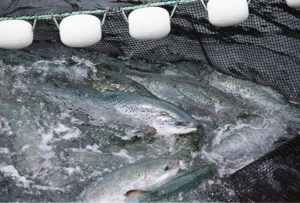
There is a widely promoted misconception that eating wild-caught fish is better for the oceans than eating farmed seafood. On a global basis, however, sustainably farmed fish may represent 60 times more efficient use of anchovies and other baitfish resources than wild fish.

Microbiological, biochemical and sensory analyses have concluded that rapid cooling with ice slurry achieves good quality and yield for many fish species.
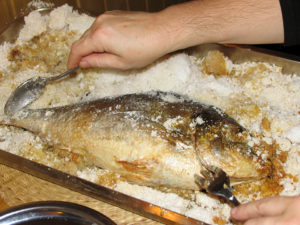
An important step in preparing smoked fish is obtaining uniform distribution of salt in the finished product. Dry salt curing is effective but requires experimentation and experience for best results.
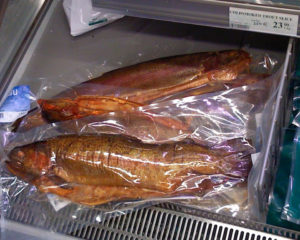
The objectives of the smoking process are to uniformly impart the desired sensory characteristics to the product, extend shelf life and avoid the deposition of harmful compounds.
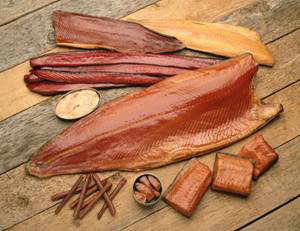
Primarily used for salmon, cold smoking does not cook fish but adds flavor and increases shelf life by reducing moisture content. Hot smoking is used for the majority of smoked fish products.
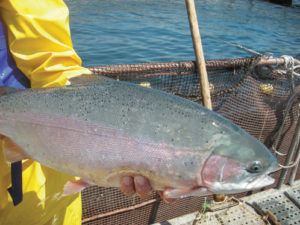
With favorable resources, local sources of eggs, availability of fishmeal and qualified labor, Chile has become the world’s top producer of rainbow trout.

Although lobster farming is already established in Indonesia, improvements in feed and nutrition, and seed collection would help the industry expand. The diet of trash fish fed to developing lobsters generates waste and is not conducive to good hygiene or growth.
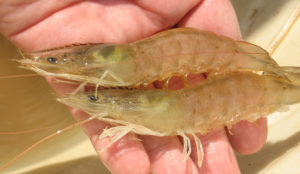
In the evolution of shrimp farming, white shrimp emerged as the primary species. While some farms in the Americas successfully converted to intensive practices, wide adoption has been limited.
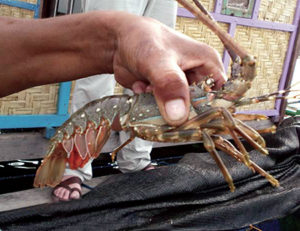
Lobster cage culture has great potential in Indonesia. The current industry consists of about 1,000 small-scale farm units, many of which raise lobsters in polyculture with seaweed and grouper.
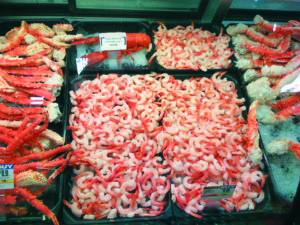
Insufficient cooking and improper storage can lead to the proliferation of pathogens in seafood and other foods.