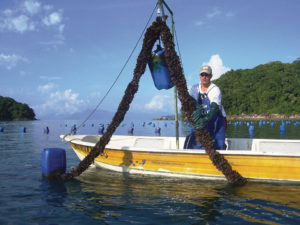
Updated technologies improve efficiency, reduce costs for mussel seed in Brazil
The authors conducted research to improve the uptake of mussel seed in artificial collectors and optimize the amount of seed used in mussel farming.
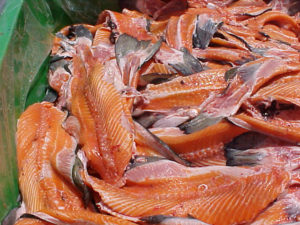
Fish protein hydrolysates have been used in the food industry for the development of antioxidants, emulsifiers, flavoring agents, anti-bacterial agents and feed. As natural products, they have a growing acceptance, since natural products are preferred by some consumers over industrial products.
The authors conducted research to improve the uptake of mussel seed in artificial collectors and optimize the amount of seed used in mussel farming.
A variety of factors combine to limit seafood consumption. Seafood is perceived to be expensive, and safety perceptions influence consumer buying decisions. Culture and tradition also play roles in forging seafood-eating habits.
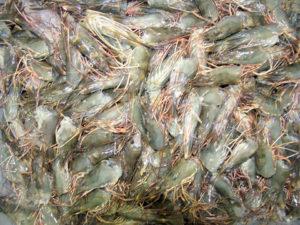
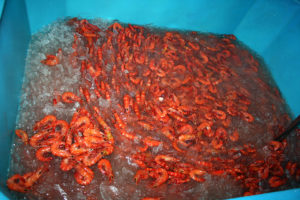
Color can impact the price of shrimp, with dark red preferred in some markets. Research using colorimeters to quantify color in raw and cooked shrimp found that although shrimp raised on white or black substrates exhibited different coloration, total carotenoid levels were the same in all the animals.
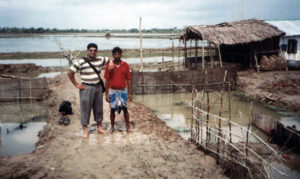
The social and environmental improvements – in combination with job-generating foreign investment – have led to wide acceptance of shrimp farming in Bangladesh.
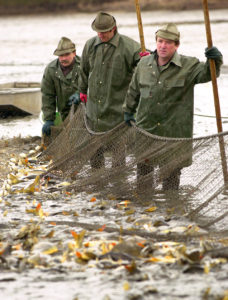
The Czech Republic is one of Europe’s largest fish producers and the world’s fourth-largest producer of freshwater ornamental and aquarium fish.
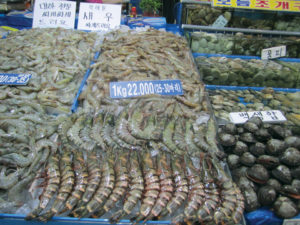
Korea has always had a love for seafood. Aquaculture is now playing an increasing role in supplying that seafood. High consumption of fish has been associated with a lower risk of metabolic syndrome in men, but not women.
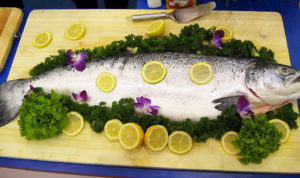
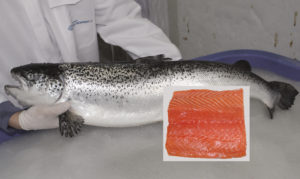
In a survey, 500 consumers from the United Kingdom, Russia, France, Germany and Sweden rated salmon second overall to chicken and ahead of pork and beef. Salmon scored high in all countries for healthiness.
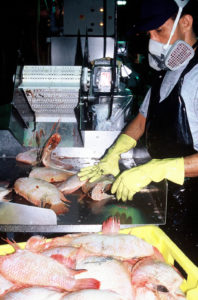
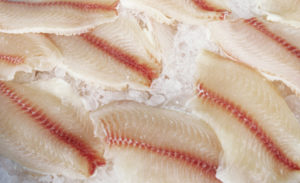
Overall costs for hand filleting tilapia relate primarily to labor and the throughput of fish to be filleted. Labor is the largest expense. Salaries vary, and cutters’ yield efficiencies increase with practice.
An analysis of tilapia processing in which the cost of the fish was not included found that automated cutting of fillets was significantly less expensive than hand cutting.
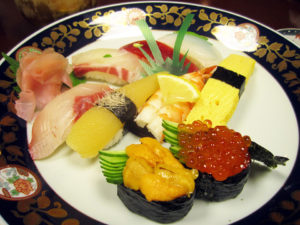
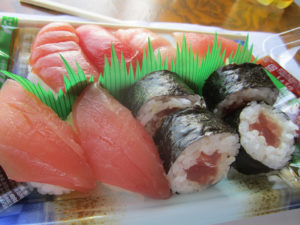
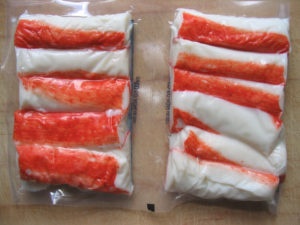
Seafood has played a prominent role in Japan’s food history. The country helped spread sushi, surimi and tempura, and fish consumption by the Japanese is still among the highest in the world. Their taste for seafood also contributes to better health.
A survey of major market sectors to identify further market potential for fresh tilapia found that both big-box retailers and traditional grocery stores offered little room for achieving premium prices for tilapia fillet products.
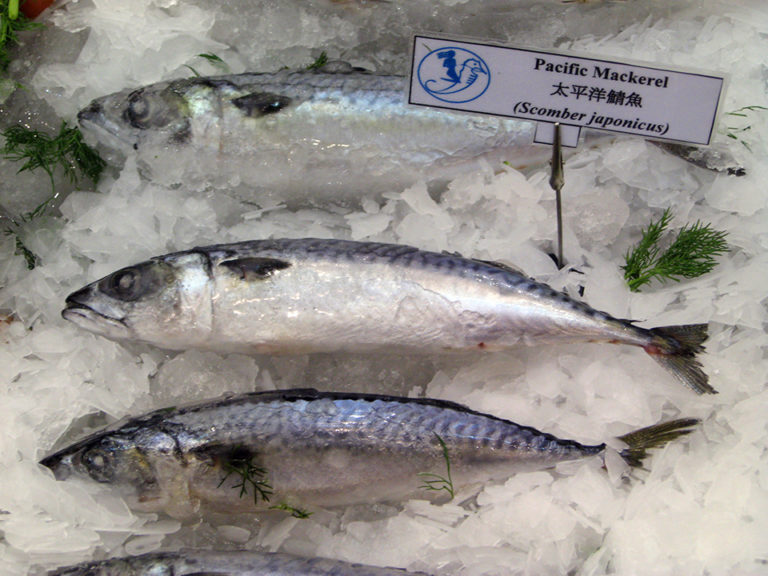
DNA barcoding is an exciting tool for the identification of fish. Even non-taxonomists can classify organisms through the molecular taxonomy technique.
When the price for a newly introduced seafood product was unknown to consumers, a study found, price consciousness affected purchase intentions among consumers with high levels of general product category knowledge.
An investigation into ammonia-like odors in tilapia fillets that could result in product rejection traced the source to moisture-retention chemicals.
In a study of Norwegian consumers asked to evaluate pangasius fillets, the extrinsic cues corporate social responsibility, endorsement and country of origin had different effects on evaluative variables.