Seafood’s newfound retail popularity has a permanent feel to it
The COVID-19 pandemic has changed seafood in mostly positive ways, according to a retail survey commissioned by the Global Seafood Alliance.



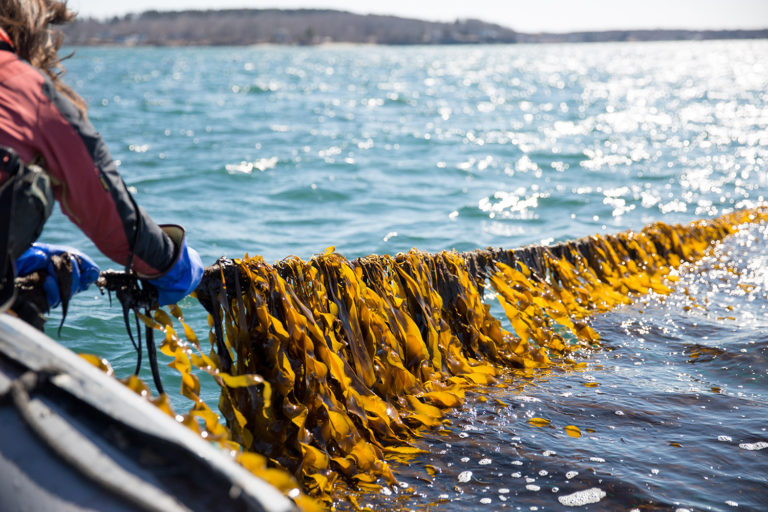
Kelp aquaculture is poised for growth on both U.S. coasts, but one grower network in Maine is building a brand and demand for domestic seaweed.
The COVID-19 pandemic has changed seafood in mostly positive ways, according to a retail survey commissioned by the Global Seafood Alliance.
Donald Lightner, pre-eminent shrimp pathology researcher and longtime head of the University of Arizona Aquaculture Pathology Laboratory, has died.
To both restore waterways and meet a growing demand for the so-called “foie gras” of the sea, researchers are stepping up efforts to restore green sea urchins.
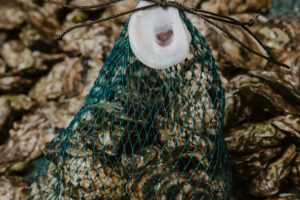
During the pandemic, several U.S. shellfish farmers have found much-needed relief through community supported aquaculture programs, or CSAs.
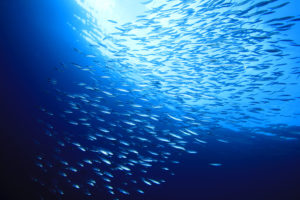
Seaspiracy, a new Netflix documentary-style film, depicts the fishing and aquaculture in an ugly fashion but the industry response is swift.
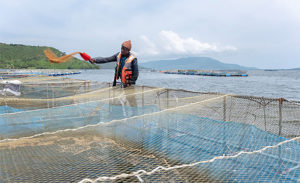
Lead author of a Johns Hopkins Center for a Livable Future study examines how seafood businesses and related institutions are responding to the pandemic.
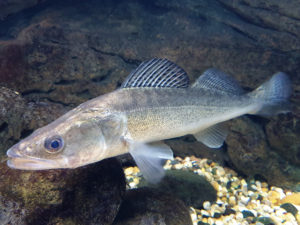
Evaluating production performance and behavior of juvenile pikeperch with other fish species in RAS monoculture and polyculture.
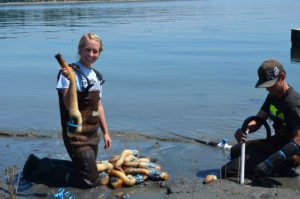
Eight months into the pandemic, the gloom and doom has lightened and there’s hope in the air for the Pacific Northwest shellfish sector.
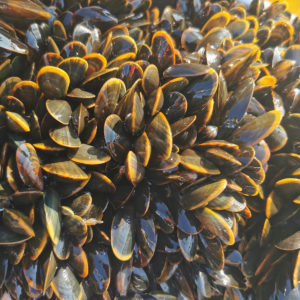
Mussels are subject to an ongoing debate about whether certification should be in the realm of fisheries or aquaculture. Take a deep dive into the matter.
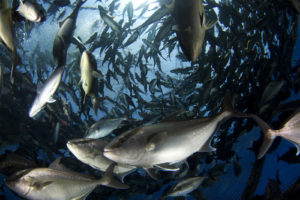
GOAL delegates heard that the biggest opportunity for land-based and offshore aquaculture is to scale production and increase seafood supplies.

With the retail and foodservice sectors working collaboratively, the seafood industry plugged crucial protein supply gaps and grew demand for fish.
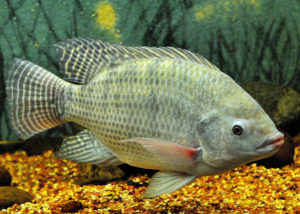
Study evaluates Nile tilapia in monoculture and polyculture with giant freshwater prawns in biofloc and recirculating aquaculture (RAS) conditions.

GOAL 2020 keynote speaker Peer Ederer says the solution to closing food security gaps doesn’t include abandoning animal proteins and finger pointing.
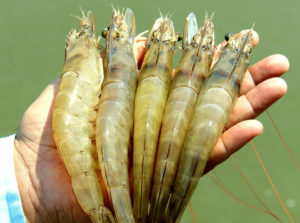
Despite ongoing challenges, Indian shrimp farmers have achieved major developments in hatchery, farm grow-out and feed-manufacturing technologies.
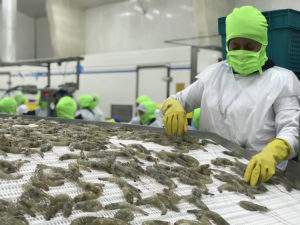
It’s been a trying year for Ecuador’s shrimp industry, which is fighting low prices, supply issues to China – its top market – and the COVID-19 pandemic.