Statistical modeling of field data can aid shrimp grow-out operations
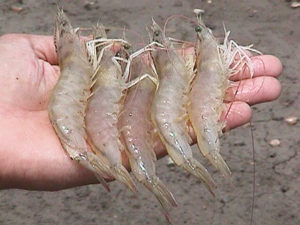
In order to monitor and compare the performance levels of shrimp, statistical modeling of comprehensive field data collection from many commercial shrimp operations.
A study carried out with the herb punarnava showed that it has antiviral properties in resisting WSSV infection and holds potential to promote growth in tiger shrimp. Increased survival was related to higher dosages.
In order to monitor and compare the performance levels of shrimp, statistical modeling of comprehensive field data collection from many commercial shrimp operations.
Probiotics administered in feeds provide competitive exclusion of pathogenic bacteria, create conditions unfavorable for pathogens and modulate intestinal immune responses.
A study demonstrated that VP19 and VP28 white spot syndrome virus envelope proteins expressed by replicon particles provided protection against mortality due to WSSV in shrimp.
Assessing disease risk at an aquaculture facility allows the anticipation of possible outbreaks and subsequent production losses. It can also help to identify weaknesses of the production system.
Basic components of biosecurity include knowledge of diseases, adequate detection methods and the use of “clean” shrimp stocks.
Fingerling production has long been a bottleneck in the advancement of cobia culture. A coalition has validated intensive larviculture production systems and protocols that deliver 35 percent survival.
A study evaluated Pacific white shrimp given plant protein-based diets with varied lipid content and soybean meal:soy protein concentrate ratios.
Common carp and koi producers around the world have suffered substantial financial losses due to a contagious disease caused by cyprinid herpesvirus-3.
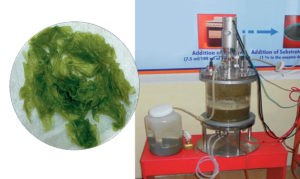
Single-celled proteins in bioflocs can provide protein and other nutrients in shrimp feed, but what makes them enhance growth performance in shrimp?
A seven-week trial evaluates autotrophic and heterotrophic systems in the nursery and pre-grow-out of Pacific white shrimp.
A research partnership focused on Atlantic salmon selective breeding aims to improve growth and resistance to amoebic gill disease in Tasmanian salmon.
Authors developed a lexicon of sensory properties for pangasius fillets and examined the sensory characteristics of raw fresh and frozen catfish fillets as predictors of the sensory qualities of cooked catfish.
Practical post-harvest oyster processing methods are needed. Preliminary studies evaluated the potential of high-salinity relaying to control Vibrio levels in raw oysters.
Successful non-invasive predictions of pigment and fat levels in whole salmon were demonstrated by the authors using visible and near infrared spectroscopy to study how these traits vary genetically during growth.
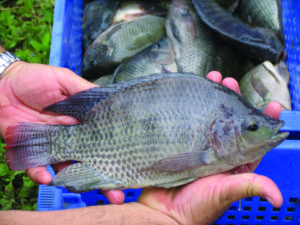
The authors conducted a study to evaluate whether tilapia infected with Gyrodactylus were more susceptible to Streptococcus iniae. The research found that fish with a solo infection of Gyrodactylus or Streptococcus had less than 7 percent total mortality.