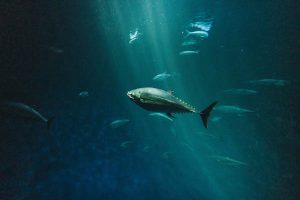
Tuna fisheries most at risk from climate change, new research suggests
A global study warns tuna and other migratory fisheries face the greatest climate risks as warming seas shift stocks and strain management.



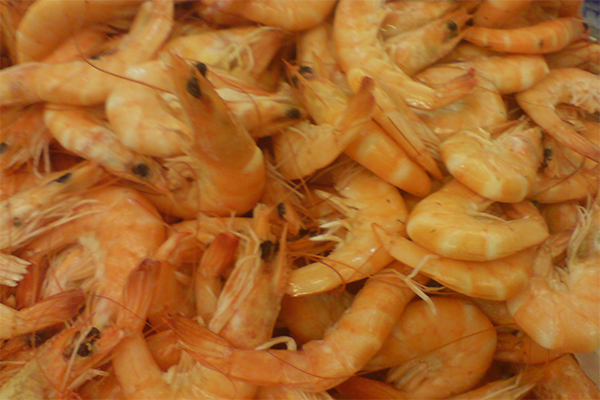
Linking survey and fisheries-dependent data is relevant to short-lived species where seasonal dynamics of the stock and fishery are important.
A global study warns tuna and other migratory fisheries face the greatest climate risks as warming seas shift stocks and strain management.
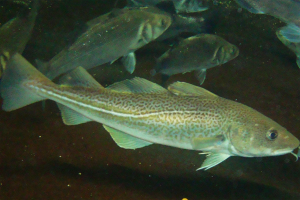
Decreased offspring size likely affects population dynamics through reduced recruitment and may be the cause of reduced biomass of Barents Sea cod.

FAO recognizes 100% Great Lakes Fish initiative for cutting food waste and creating new products from the whole fish.
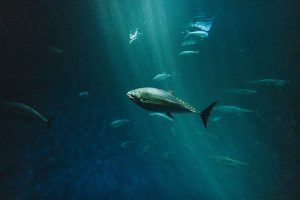
SFP-ISSF-GFW partnership will share data and tools to help buyers ID tuna vessels using sustainable practices and following regulations.
Demonstrating the use of the Fixed-Gear Fishery Layer for two marine spatial planning projects focused on conservation and wind energy.
A deep learning model to predict fishing effort can simultaneously interpret and integrate fishing intensity and environmental factors.
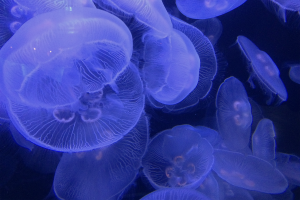
The co-existence of net-based fisheries and jellyfish requires close cooperation among fishers, managers and scientists.

WTO’s 'landmark' pact takes effect, banning harmful fisheries subsidies that drive overfishing and aiming to protect global marine stocks.
Using eDNA technology for monitoring the Western Indian Ocean and other areas could support sustainable management of fisheries resources.

Monitoring marine habitats like submerged vegetation can complement long-term fishery data collection and coastal management.
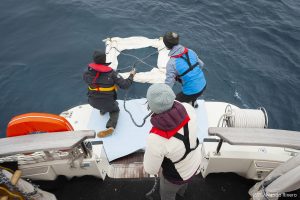
ISSF’s innovative fish aggregating device cuts bycatch ghost fishing and ocean pollution, earning a spot as a 2025 Responsible Seafood Innovation Award finalist.
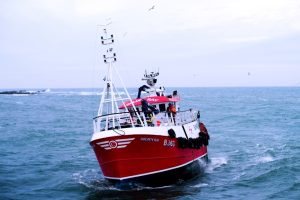
A new on-board machine that stuns and tails nephrops could transform UK scampi fishing with better animal welfare, safer crews and higher value.
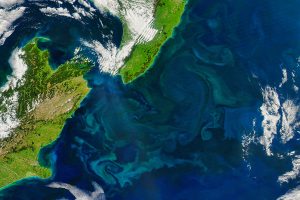
Climate change is shifting the foundation of the ocean food chain, potentially but not definitively causing a poleward migration of fisheries.
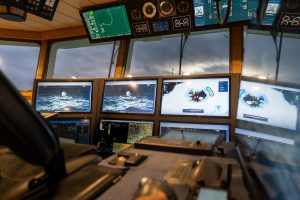
GreenFish uses AI and datasets to predict fishing hotspots, helping commercial fisheries save fuel, time and maximize catch value.
The complementary strengths of each method of fisheries analysis support the understanding of spatiotemporal dynamics of fish communities.