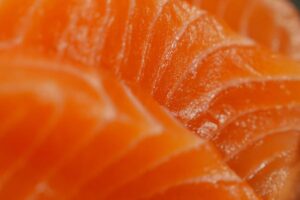
Can a bioengineered oilseed replace synthetic pigments in farmed salmon and shrimp?
Scientists bioengineer oilseed crop to produce pink pigment for farmed salmon and shrimp, offering a scalable alternative to synthetics.



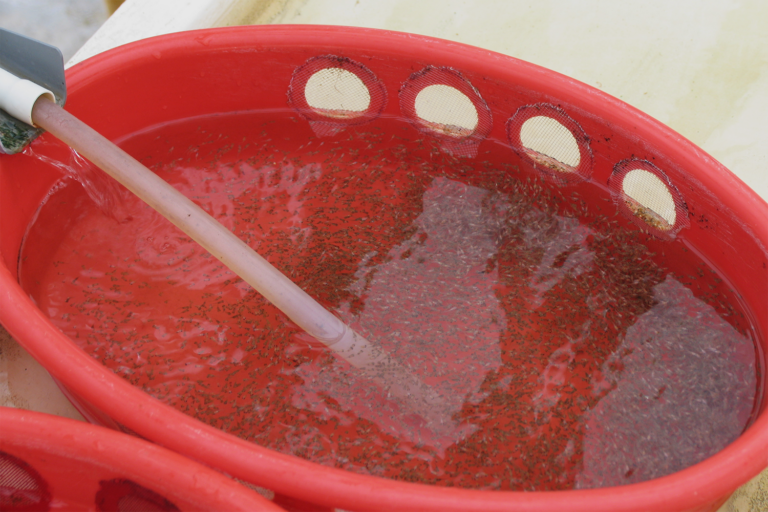
Rooibos tea extracts can improve tilapia growth and feed efficiency, potentially boosting farming productivity and protein production.
Scientists bioengineer oilseed crop to produce pink pigment for farmed salmon and shrimp, offering a scalable alternative to synthetics.
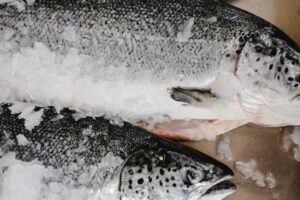
BioMar doubles vitamin D levels in its farmed salmon feed, boosting fish health and fillet nutritional value for consumers.
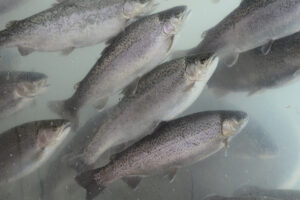
Dietary astaxanthin improves fish growth, reduces feed conversion and enhances antioxidant capacity and immune function.
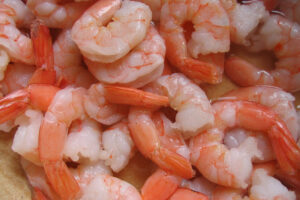
Algal-derived carotenoids can enhance growth and pigmentation in shrimp, supporting the development of functional feeds and improving quality.
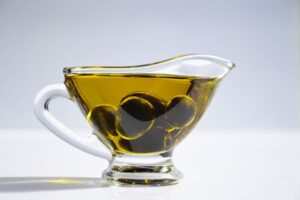
Study shows olive oil could be a sustainable option for aquaculture feed, with Artemia adapting its fatty acid profile to plant-based oils.
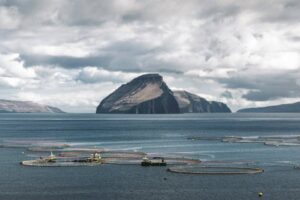
A new Veramaris report signals that algae oil can be produced at scale with lower environmental impact, offering a stable alternative to fish oil.
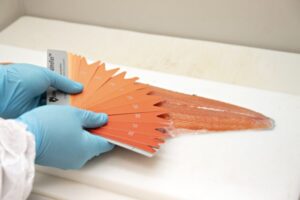
Stress reduces the color intensity of farmed salmon fillets, but adding high levels of vitamin A and astaxanthin in feed may help maintain pigmentation under pressure.
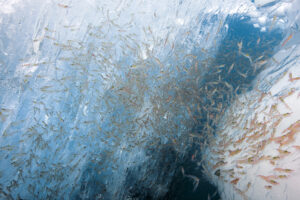
Krill meal reduces melanin spots, or melanosis, in salmon, potentially improving fish health and profitability for the aquaculture industry.
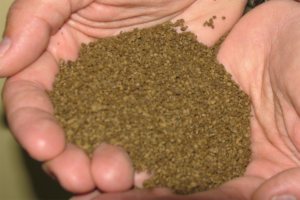
Feed pellet size is a management tool to steer tilapia production and total fish biomass in carp-tilapia pond polyculture.
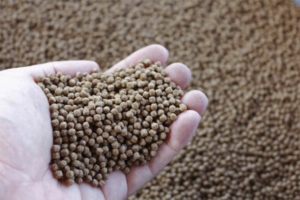
Fish nutrition expert Louise Buttle of dsm-firmenich talks about the potential of adding nutrition-packed single-cell proteins to aquafeeds.
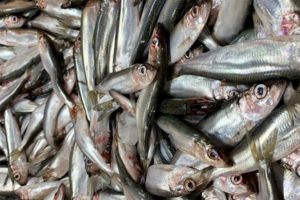
Knowing the spatial distribution of fishmeal and fish oil plants can help promote seafood traceability and manage social, environmental and economic impacts.
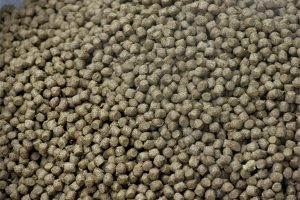
New dsm-firmenich survey highlights the continued threat of mycotoxins in animal feed, with the highest levels found in China and South Asia.

A new study finds that more omega-3 fatty acids in salmon diets boost survival, efficiency and quality, proving ROI in better nutrition.
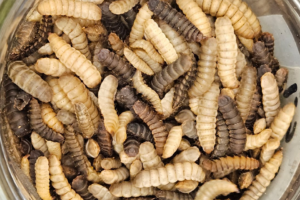
Black soldier fly meal should be recognized as a functional feed additive, supporting antioxidation, immunity and gut health in farmed fish.
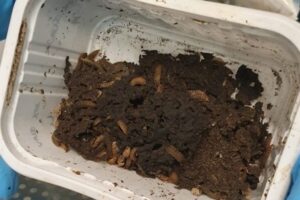
Bristleworms and fly larvae can feed on fish sludge, but scientists say strict monitoring is key to keeping the food chain safe.