


Catch & Culture Review: The growing use of artemia as a bioencapsulation vehicle for aquaculture epigenetic nutrition

Artemia’s nutrition and enrichment make it a promising biovector for epigenators that boost larval resistance, growth and survival, but large-scale use requires better delivery, genomics and transgenerational studies
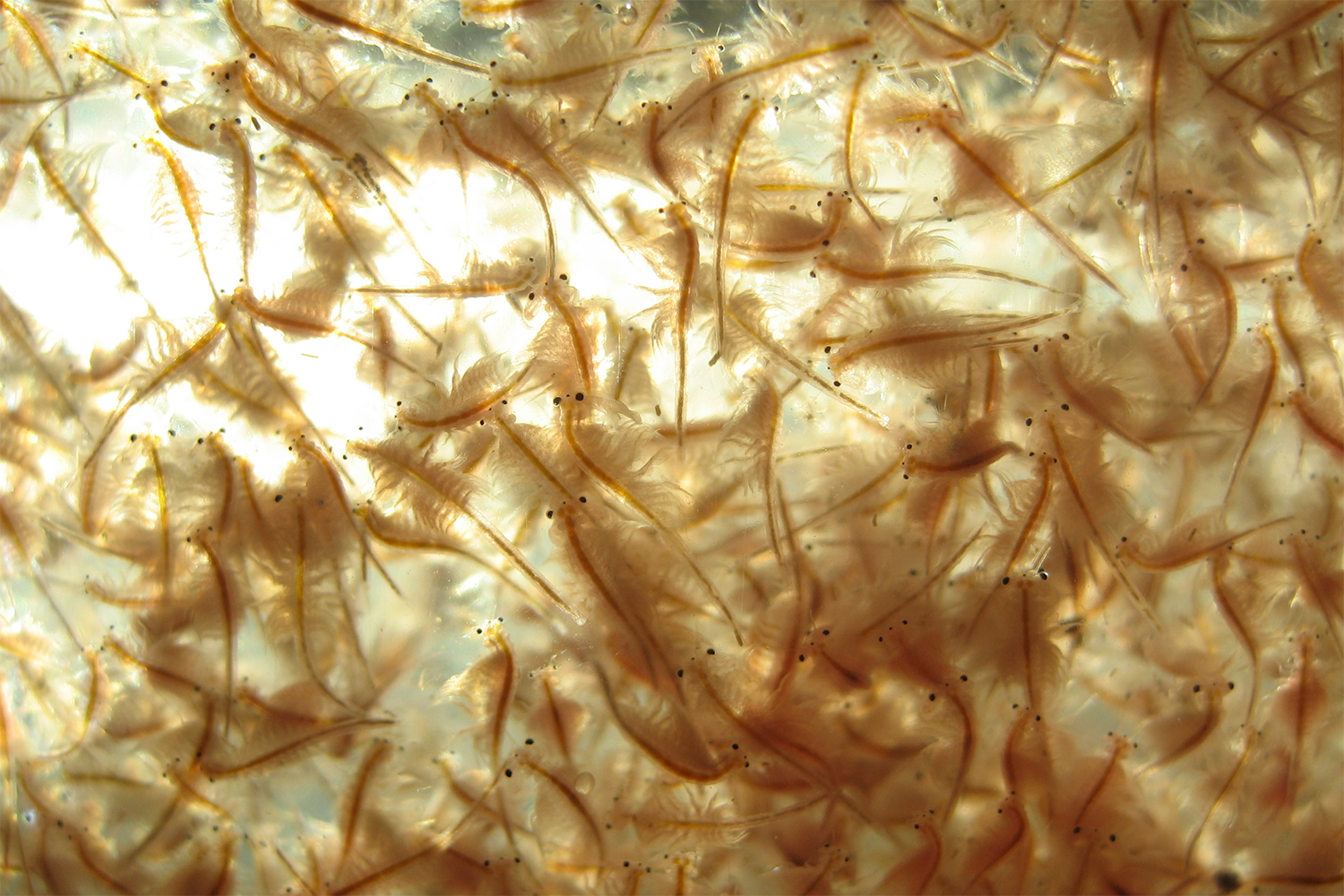
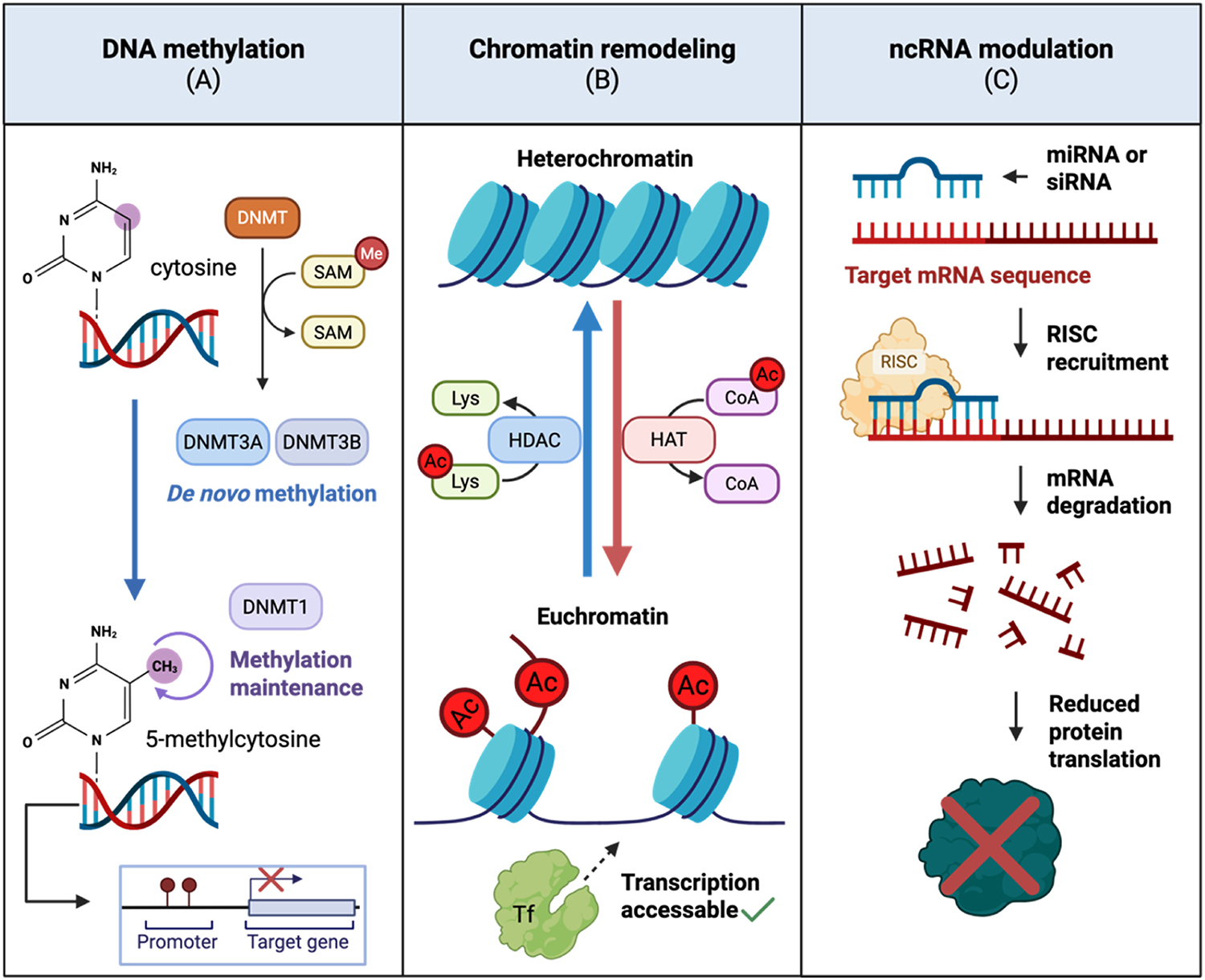
The brine shrimp artemia is emerging as a practical platform for delivering candidate epigenetic modulators (substances or factors that can influence epigenetic pathways, changing how genes are expressed without altering the DNA sequence itself) to aquaculture larvae, offering a route through which nutritional programming during early development may shape growth, immunity, and stress-related phenotypes. Nutrients and bioactive compounds delivered in this way may act on key epigenetic pathways like DNA methylation and others. At present, however, direct evidence that links specific Artemia-delivered compounds to defined epigenetic changes in the recipient animals remains limited.
A review by Yathish Ramena and colleagues at the University of Arkansas (USA) examines the emerging potential of artemia to mediate epigenetic regulation in aquaculture. Widely employed as live feed for fish and shellfish larvae, artemia can bioencapsulate nutrients, microorganisms and other bioactive compounds, thereby serving as a candidate delivery vehicle for epigenetic-modifying agents.
Existing studies show that artemia can successfully deliver compounds such as poly-β-hydroxybutyrate, selenium, cobalt, choline-containing phospholipids and probiotic-associated bioactive factors, leading to measurable effects on growth, immunity, stress resistance, metabolism and gene expression in the receiving aquatic species. These physiological and transcriptional responses alone, however, do not confirm epigenetic regulation.
The suggested links to epigenetics rest mainly on what is already known about the compounds themselves. Some can influence the supply of methyl groups used in DNA methylation, others can affect how tightly DNA is packed around proteins called histones, and still others may interact with small RNA molecules that regulate genes. Direct proof that an artemia-delivered compound caused a specific, measurable epigenetic change in the larvae, and that this change produced the observed benefit, is still rare. Evidence that any such effects are passed on to the next generation is also lacking.

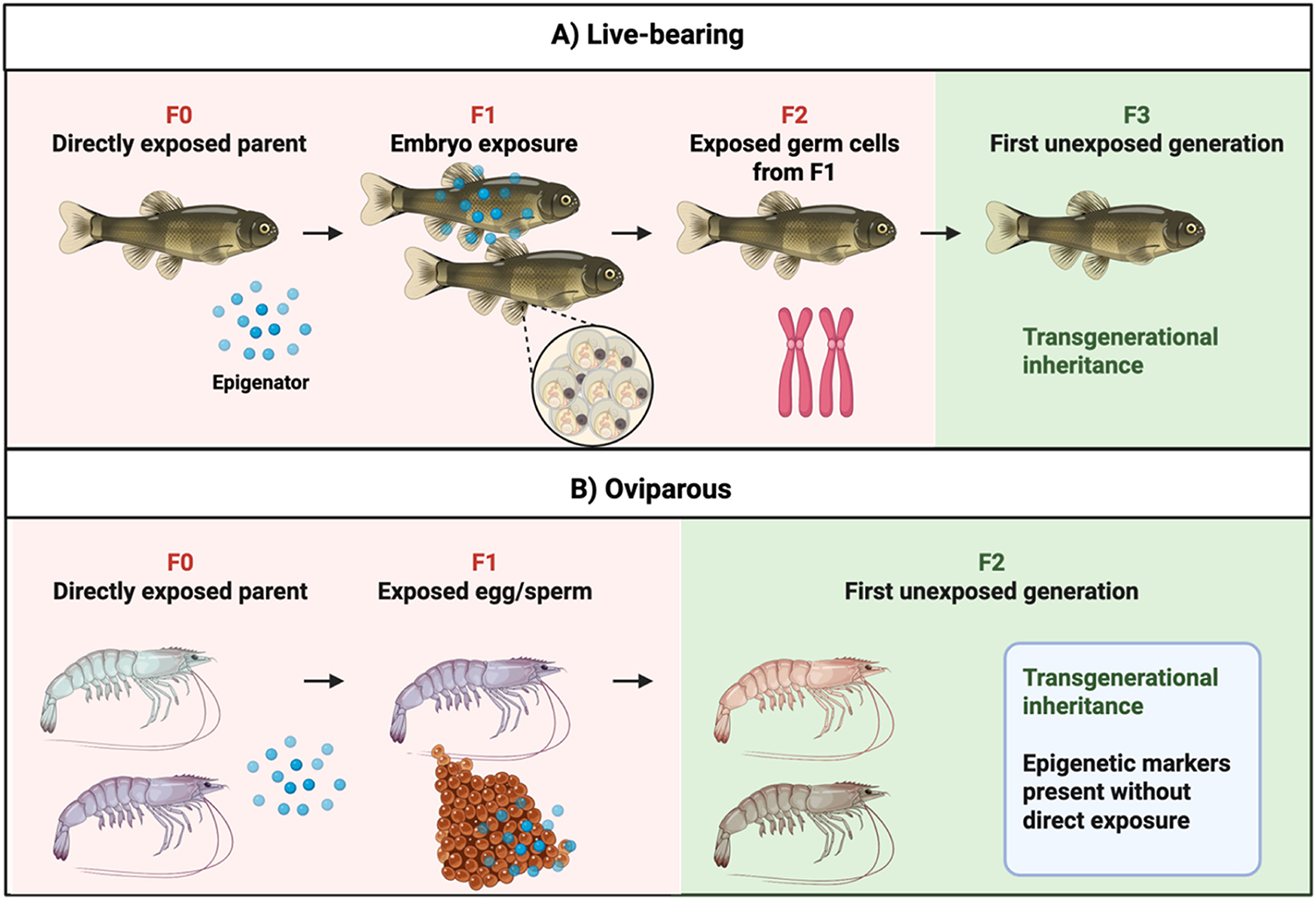
The review concludes that artemia is a promising practical platform for testing epigenetic approaches in aquaculture, but the field needs careful step-by-step validation. Future work should measure the actual epigenetic marks in the larvae after they eat enriched artemia, confirm that the compounds reached the animals in meaningful amounts, and check whether any benefits persist across generations.
Relevance of research findings to the industry
Hatcheries producing seedstock for many commercially-important aquaculture species already rely heavily on artemia, so the infrastructure and know-how for enrichment are widely available. If enrichment protocols can be refined to deliver compounds that support long-term growth, disease resistance, or stress tolerance, farmers could potentially improve stock performance without major changes to existing production systems.
Early nutritional programming is attractive because a relatively short treatment period during the larval stage might yield benefits that last through the growout phase, reducing the need for ongoing additives or treatments.
Improved immunity and stress resistance are especially relevant as the industry faces tighter restrictions on antibiotics and seeks more sustainable ways to limit losses. Delivering probiotics or their by-products via artemia is already practiced in some hatcheries; extending this approach to include compounds with possible epigenetic effects could strengthen those strategies. Because artemia is used for a wide range of marine fish and crustaceans, any validated method would have broad applicability.
Important for commercial decision-making is that without clear evidence that specific epigenetic changes are responsible for the observed benefits, it is difficult to optimize doses, timing, or combinations of compounds, or to guarantee consistent results across different species and hatchery conditions. Investing in enrichment without that mechanistic understanding risks wasting resources on protocols that work only under narrow circumstances.
Perspectives
The possibility of using artemia as a delivery vehicle for epigenetic modulators is still at an early stage. The practical advantages – including easy production, existing enrichment methods, and high acceptance by larvae – are clear, yet the scientific foundation needs strengthening.
The most useful next steps are experiments that measure DNA methylation, histone modifications, or non-coding RNA changes directly in larvae after controlled exposure to enriched artemia, then link those molecular changes to measurable improvements in growth, survival, or health. Multigenerational trials will also be important. If an epigenetic mark established in larvae can influence the performance of their offspring, the commercial value would increase substantially. Until such studies are completed, artemia enrichment remains a promising experimental tool rather than a proven epigenetic technology.
Hatcheries can continue using established enrichment practices for nutritional and probiotic benefits while researchers close the gap between observed performance gains and confirmed epigenetic mechanisms. The review makes a clear case that the potential is real, but careful validation is still required before the approach can be confidently scaled.
Molecular strategies for using engineered microalgae to manufacture recombinant vaccines for aquaculture
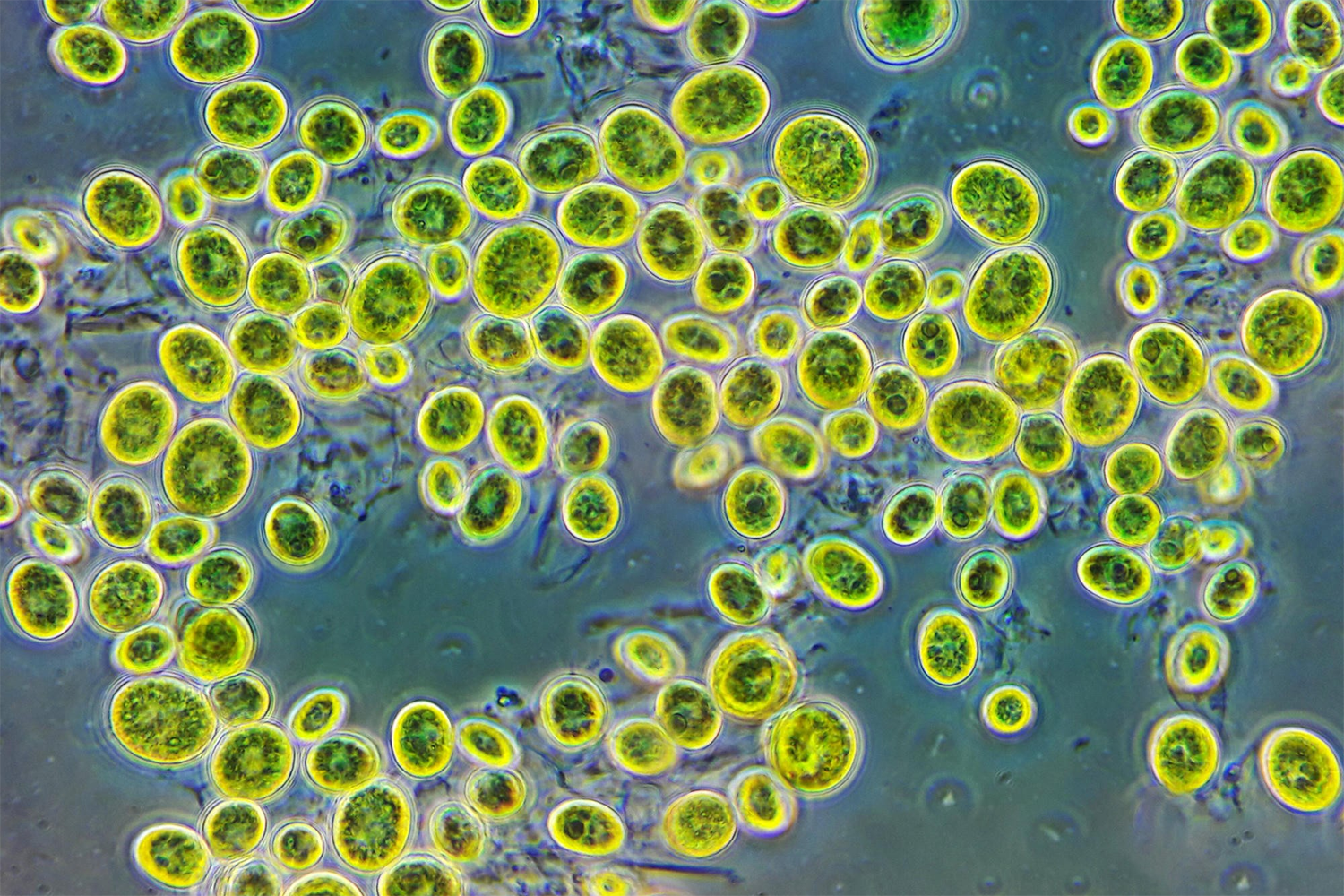
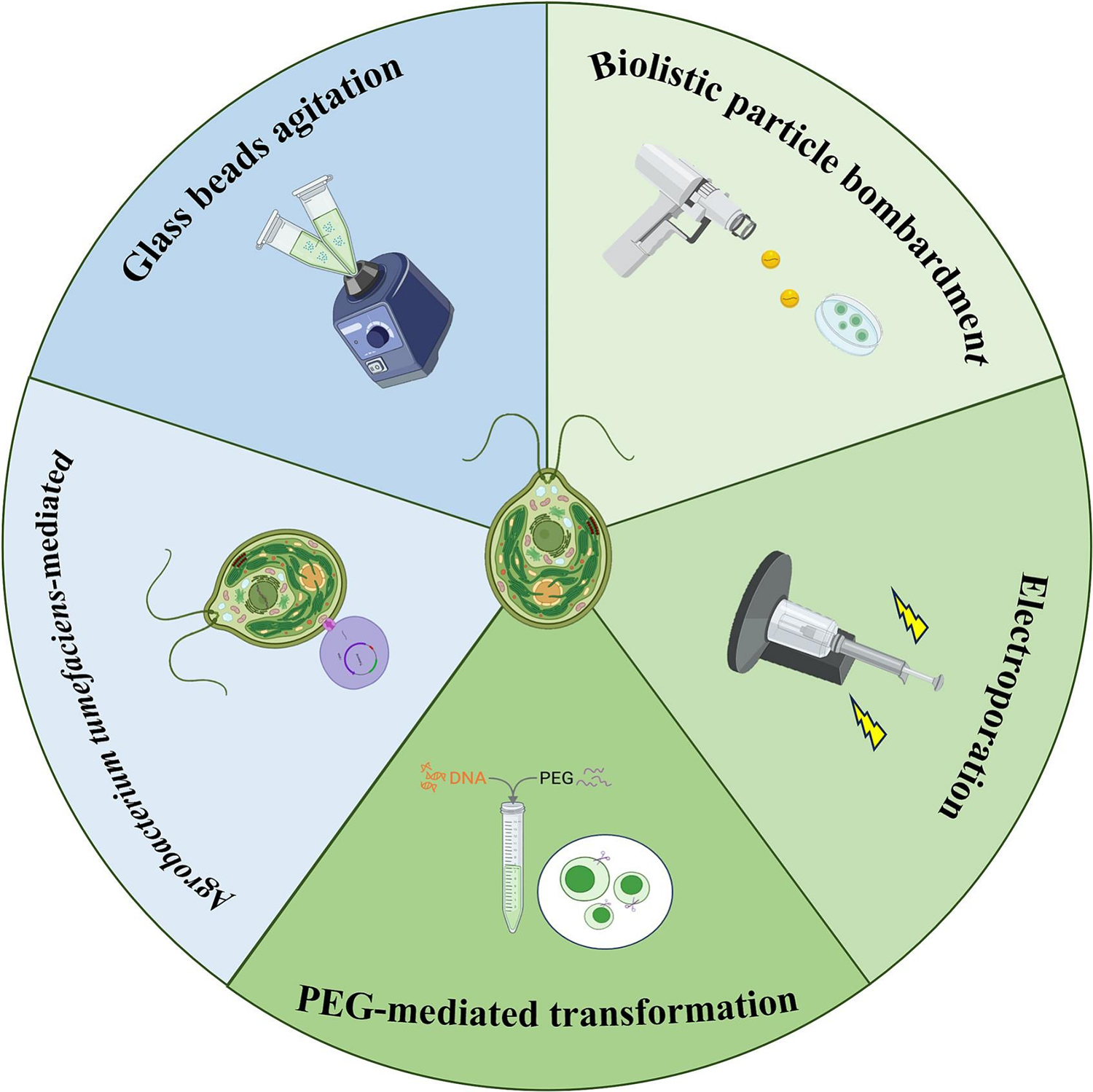
Microalgae are single-celled organisms that grow quickly in water using sunlight or simple nutrients. Researchers genetically modify them so that the algae themselves manufacture the key proteins (antigens) that trigger a protective immune response against specific diseases. Once produced, these vaccine proteins can be given to animals either by injection or, more attractively, by simply feeding the algae to the fish or shrimp.
A review by Maria del Mar Ortega-Villaizan and colleagues at Universidad Miguel Hernández in Spain examines how scientists are turning microscopic algae into factories that can produce vaccines for farmed fish and shellfish, and outlines the main molecular tools used to achieve this. Scientists insert the gene for a vaccine antigen into the algae’s DNA, most often into the chloroplast (the part of the cell that performs photosynthesis). Chloroplast engineering is popular because it can produce large amounts of the protein and the DNA stays stable across generations.
Different species have been tested, with Chlamydomonas reinhardtii being the most common workhorse, followed by others such as Chlorella and Dunaliella. The review also covers design choices that improve results: codon optimization so the algae can read the gene efficiently, fusion of the antigen to other molecules that help it survive digestion, and selection of antigens that target major pathogens such as white spot syndrome virus (WSSV) in shrimp or viral nervous necrosis (VNN) in fish.
Oral delivery is a major practical advantage, as the tough cell wall of the algae protects the vaccine protein as it passes through the animal’s gut, and the algae themselves contain natural compounds (carotenoids, polysaccharides, and fatty acids) that can gently stimulate the immune system. Studies summarized in this review show that fish and shrimp fed these engineered algae develop measurable antibodies and, in challenge trials, higher survival rates when later exposed to the disease. Because the algae can be grown in open ponds or simple bioreactors, dried, and mixed into feed, the approach avoids the need for expensive purification steps and cold-chain storage that conventional injectable vaccines often require.
The authors also note that expression levels still vary and that not every antigen folds correctly inside the algal cell. Regulatory pathways for genetically modified feed organisms also remain incompletely defined in many countries. Nevertheless, the accumulated laboratory and early field evidence indicates that microalgae can serve both as low-cost production platforms and as convenient oral delivery vehicles.
Relevance of research findings to the industry
Disease remains one of the largest sources of loss in aquaculture. Various developed vaccines already reduce mortality for several important pathogens, yet injection is labor-intensive and can be impractical for small larvae or large numbers of animals. An oral vaccine that can be mixed into feed would allow farmers to immunize entire ponds or tanks with far less handling stress and lower labor costs.
Because microalgae are already used as live or dried feed in many hatcheries, the infrastructure for growing and incorporating them largely exists. If production costs stay low and protection is reliable, the technology could expand vaccine coverage to species and life stages that are currently difficult to vaccinate. Early commercial interest is likely to focus on high-value species such as shrimp, tilapia, and several marine finfish where disease pressure is high and the economic return on better survival is clear.
Perspectives
Various microalgae species offer a promising way to produce recombinant vaccines for aquaculture while also serving as an oral delivery vehicle. Their generally recognized as safe status and suitability for mixing into feed make them especially useful for non-invasive vaccination, including of young animals. But although experimental results are encouraging, no microalgae-based vaccine has yet been commercialized.
The main barriers are technical and regulatory rather than a failure to stimulate immunity: antigen yields must still be raised to practical oral doses, transgenic biomass needs to be produced consistently, and manufacturing processes must fit large-scale feed production. Regulatory rules for genetically modified microalgae in aquafeeds also remain fragmented, particularly in Europe.
Progress in genetic engineering has nevertheless produced proof-of-concept oral vaccines that protect fish and shrimp when animals are fed dried or processed algal biomass. Future work should treat microalgae as complete delivery systems, paying attention to cell structure, processing methods, antigen location, dose schedules, feed stability, and the algae’s own immune-stimulating properties. Advances in synthetic biology (the design and engineering of biological systems such as cells, microbes or enzymes to do useful tasks) – especially chloroplast engineering, better promoters, and improved strains – together with better formulation techniques, are expected to raise yields and reliability.
Overall, microalgae are emerging as realistic, sustainable platforms for next-generation oral vaccines that could help control disease in aquaculture within the next decade. With further research efforts, engineered microalgae could become a routine component of hatchery diets, delivering both nutrition and disease protection in a single package.
Catch & Culture Review: Advances in point-of-care testing for seafood freshness, safety and quality
How selenium source and inclusion level affect performance and health of Pacific white shrimp
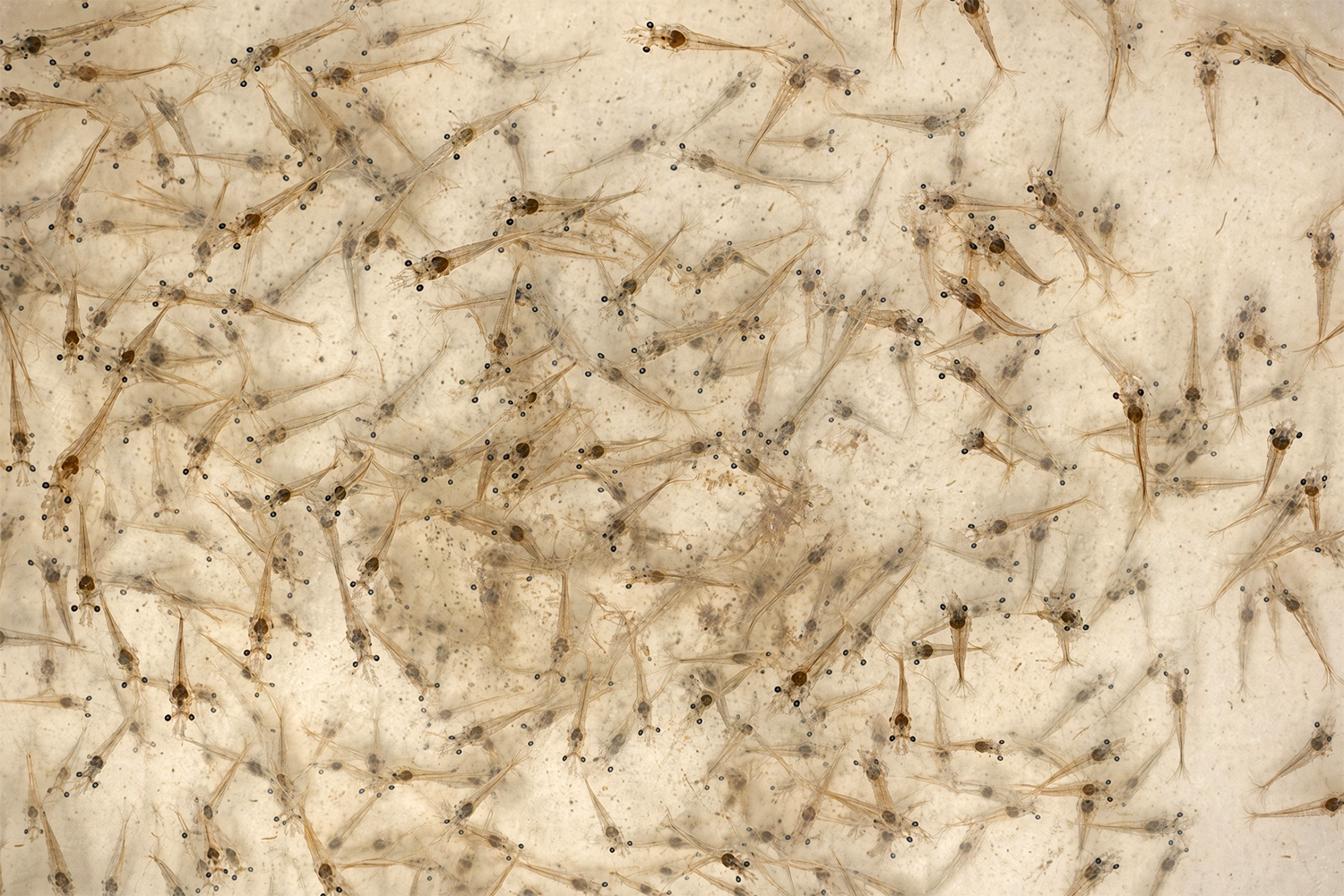
Selenium is a trace mineral that animals need in small quantities to support antioxidant defenses, immune function, and normal metabolism. Too little can leave animals vulnerable to stress and disease; too much can become toxic. Researchers typically compare several common sources: inorganic sodium selenite, organic forms such as L-selenomethionine or selenium yeast and sometimes selenium nanoparticles. For aquafeed manufacturers, it is important to know both the best chemical form of selenium to use and the right dose.
A study by Matheus Ramalho de Lima and colleagues at the Federal University of the Semi-Arid Region (Brazil) and Adisseo (Brazil, Singapore and France) examines how the type and amount of selenium added to shrimp feed influence the growth, health and overall performance of Pacific white shrimp (Penaeus vannamei), the most widely farmed shrimp species in the world.
In feeding trials lasting several weeks, shrimp are given diets containing carefully measured levels of each source, usually in the range of roughly 0.2–0.8 mg selenium per kilogram of feed. Growth (weight gain, feed efficiency), survival, antioxidant enzyme activity in the hepatopancreas (the shrimp’s main digestive and metabolic organ), and other health indicators are then measured.
Across multiple studies, organic selenium sources – especially L-selenomethionine and selenium yeast – consistently outperform inorganic sodium selenite. Shrimp fed the organic forms grow faster, show higher activity of protective antioxidant enzymes such as glutathione peroxidase and superoxide dismutase and accumulate less oxidative damage. Organic selenium is also better retained in the animal’s tissues. Levels around 0.4–0.5 mg/kg often give the best balance of growth and antioxidant protection, while higher doses can begin to stress the hepatopancreas or reduce performance. Some work also shows that organic selenium helps shrimp cope better with environmental challenges such as low salinity.
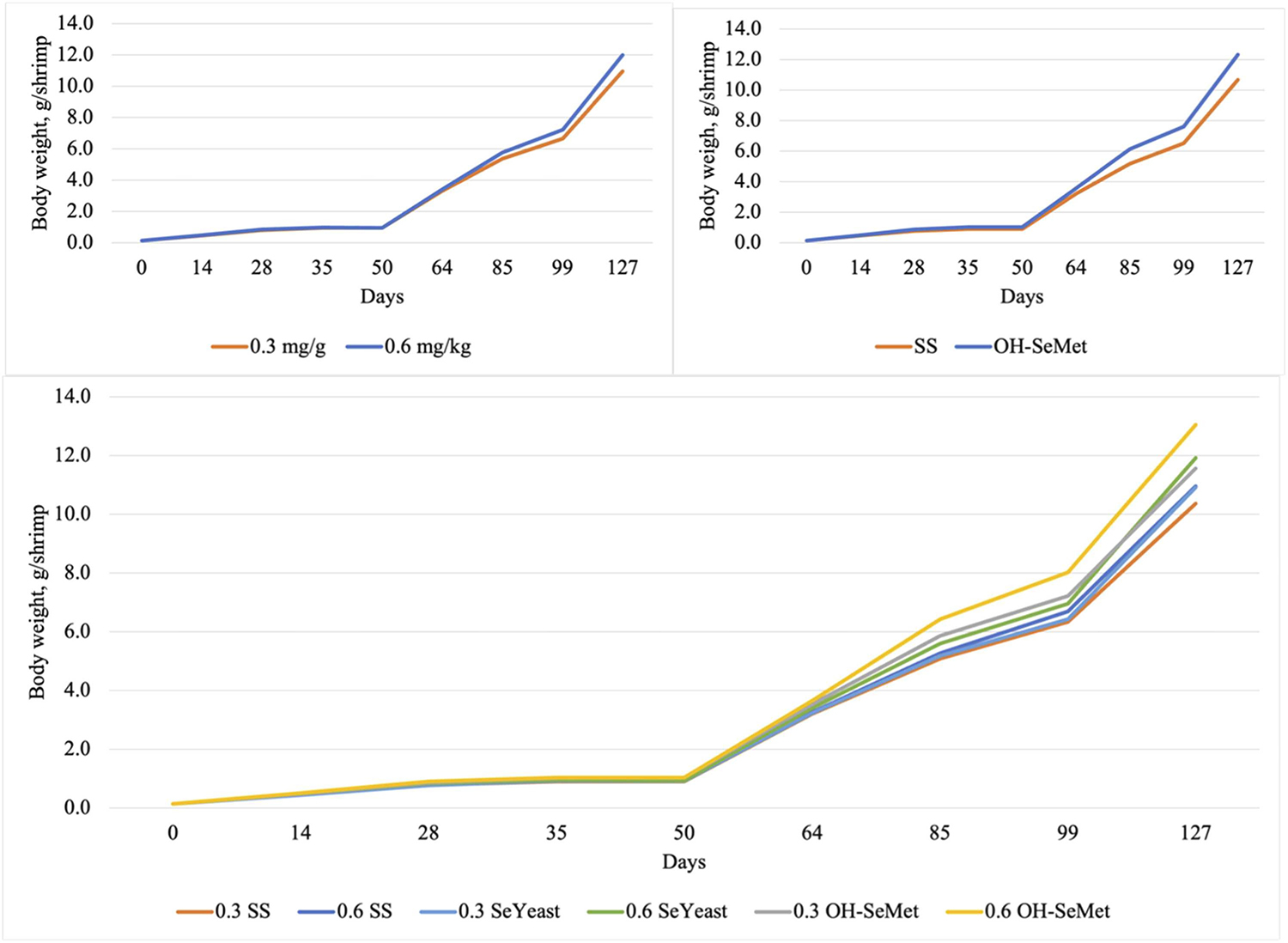
Overall, study results show a clear ranking of selenium sources, with the organic forms appearing more bioavailable and more effective at supporting growth and health under typical farming conditions. Hydroxy-selenomethionine (OH-SeMet) performed best, followed by selenium yeast (SeYeast) and then sodium selenite. Authors emphasized the importance of matching the dose to the farming goal: 0.6 mg/kg OH-SeMet to maximize growth under stable conditions, and 0.3 mg/kg to strengthen stress resistance and tissue integrity in more variable environments.
Relevance of research findings to the industry
Shrimp farmers and feed companies operate in a competitive, disease-prone environment where even small improvements in growth rate or survival translate into meaningful economic gains. Because selenium is already added to commercial feeds, refining the source and dose offers a relatively low-cost way to improve performance without major changes to feed formulas. Organic selenium products are more expensive than sodium selenite, yet the better growth and stronger antioxidant status they provide can offset the higher price through improved feed conversion and reduced losses.
Healthier shrimp with stronger antioxidant defenses are also better positioned to handle common stressors – handling, water-quality fluctuations and pathogen pressure – potentially lowering the need for other interventions. As the industry moves toward lower-fishmeal diets and more intensive production, optimizing micronutrients such as selenium becomes increasingly important for maintaining animal welfare and farm productivity. Clear guidance on preferred sources and safe upper limits helps feed manufacturers formulate more effective products and helps farmers avoid both deficiency and unnecessary over-supplementation.
Perspectives
Supplementation with OH-SeMet at 0.6 mg/kg was linked to higher biomass yield and better growth responses, yet mild hepatopancreatic vacuolization suggests this level may increase metabolic demand and needs careful management, especially under stressful conditions. By contrast, 0.3 mg/kg OH-SeMet improved survival during a nitrite challenge and better maintained flesh quality, indicating stronger resilience to acute stress and post-harvest handling.
Taken together, the findings reveal a clear trade-off between growth performance and stress tolerance. Both the selenium source and the inclusion level strongly affect shrimp health and production outcomes. Higher OH-SeMet levels may support growth in stable, well-managed systems, while lower levels appear to offer a safer, more balanced approach for improving stress resistance, tissue integrity and product quality. These results underscore the need to tailor selenium supplementation to specific production goals and environmental conditions in shrimp farming.
The evidence strongly favors organic selenium sources, particularly L-selenomethionine, for Penaeus vannamei at moderate dietary levels. Future work will likely focus on fine-tuning doses under different farming conditions (temperature, salinity, density) and on confirming long-term benefits across a full production cycle. Questions remain about the cost-effectiveness of newer forms such as selenium nanoparticles and about possible interactions with other feed ingredients. As more data accumulate, feed standards and commercial premixes can be updated to reflect the superior performance of organic selenium, giving the industry a practical tool for supporting healthier, faster-growing shrimp.
Now that you've reached the end of the article ...
… please consider supporting GSA’s mission to advance responsible seafood practices through education, advocacy and third-party assurances. The Advocate aims to document the evolution of responsible seafood practices and share the expansive knowledge of our vast network of contributors.
By becoming a Global Seafood Alliance member, you’re ensuring that all of the pre-competitive work we do through member benefits, resources and events can continue. Individual membership costs just $50 a year.
Not a GSA member? Join us.
Author
-

Editor Emeritus
Related Posts
Health & Welfare
Artemia bioencapsulation delivers probiotics via digestive tracts of fish larvae
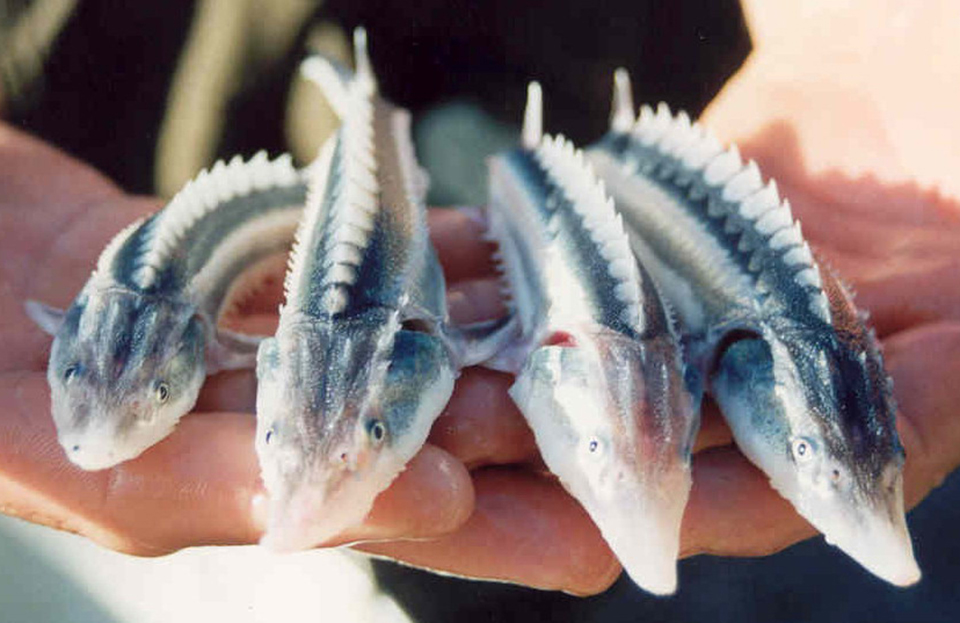
Research with sturgeon and carp species indicated that encapsulated artemia has high potential to carry probiotics or other beneficial microorganisms.

Health & Welfare
Bioencapsulated artemia show promise for therapeutant delivery to young fish
Research with sockeye salmon fry in Washington state demonstrates that bioencapsulated artemia can deliver therapeutic erythromycin more efficiently than pelleted feeds.
Health & Welfare
Catch & Culture Review: The multi-omics approach is cracking the code on shrimp breeding
This review of recent aquaculture literature looks at strategies to transform shrimp aquaculture, unlocking functional benefits in aquafeeds and more.
Intelligence
Behold the nutritious oyster
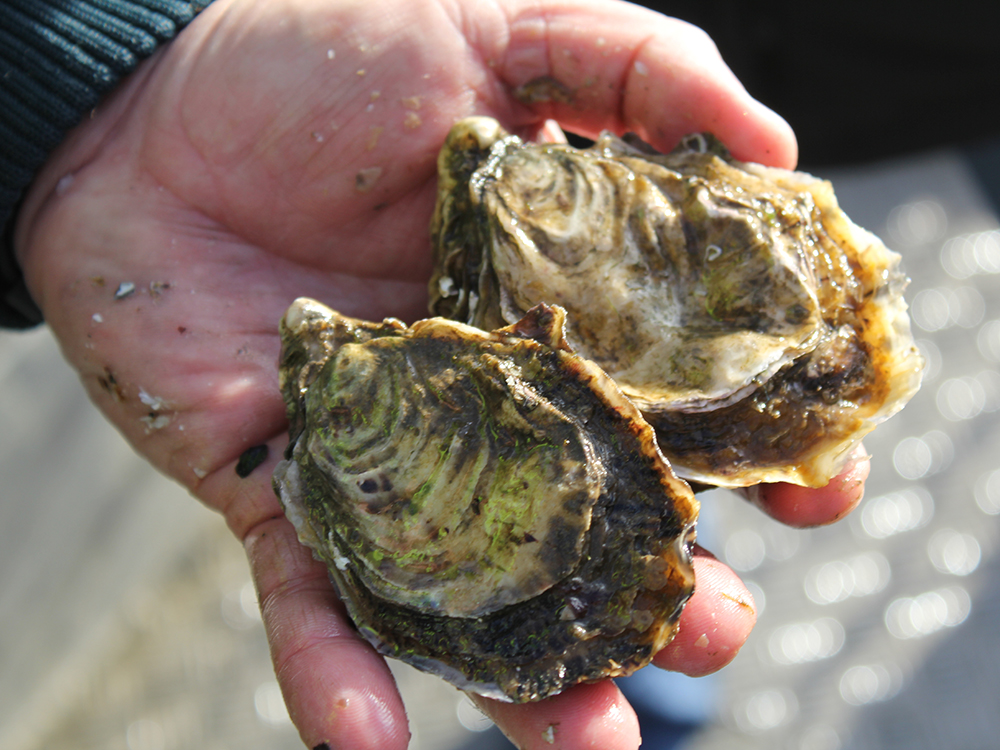
Oysters provide important, natural filtration of water and are an important component of many healthy coastal ecosystems because their active filtering can help improve and maintain water quality. For many coastal communities, oysters are an important food resource and excellent sources of protein and amino acids, zinc, selenium, iron and B-vitamins.