


Chilean university to scale up farmed turbot for commercial markets

Universidad de Los Lagos aims to develop Chilean and export markets
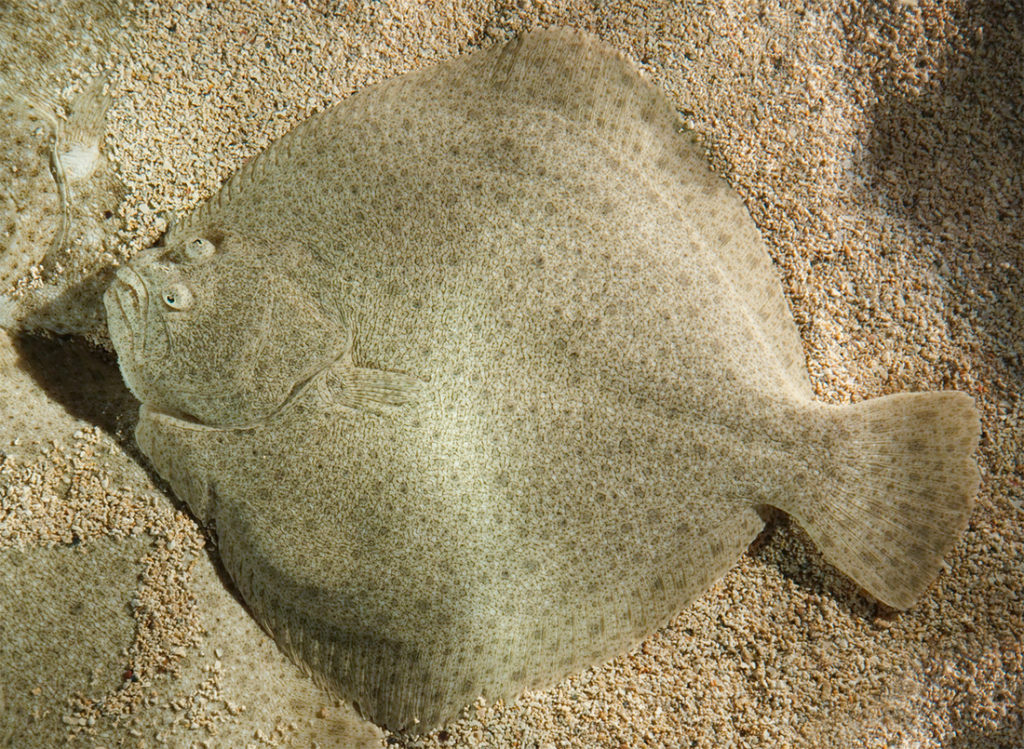
Universidad de Los Lagos (ULagos) is working to commercialize turbot farming in Chile, with plans to increase production, develop domestic demand and eventually explore export markets.
The university currently produces approximately 500 kilograms (1,102 pounds) of turbot per month at its Metri Aquaculture Center in Puerto Montt, where its Aquaculture Production Unit uses recirculating aquaculture systems (RAS).
As reported in a recent article, ULagos expects to initially supply Chilean seafood company Alimex with approximately two to three metric tons of turbot annually, with the possibility of increasing production to around 30 metric tons per year within three to five years if demand develops. The university has also indicated that production could eventually be scaled to 10 metric tons per month.
“We would initially be supplying around two to three tons per year to Alimex and, if the market requires it, reach production of around 30 tons annually within a three- to five-year horizon,” said Óscar Mora Garay, a researcher at ULagos’ Aquaculture Production Unit who co-leads the project.

The initiative involves partnerships with Chilean companies Alimex and Lago Sofía. Alimex has expressed interest in adding turbot to its product portfolio, provided the project can achieve the necessary production volumes and pricing.
The university plans to establish demand in Chile before considering exports to Brazil and the United States.
ULagos has maintained a turbot research and production program for more than two decades. Chile also previously explored commercial farming of the species around 2000 through an initiative by Fundación Chile, but the effort did not advance because of production costs, according to Mora Garay.
“The university has had this species for more than 20 years,” said Mora Garay. “It is a white-fleshed fish with a high value in the international market. The university intends for turbot to be farmed in Chile again.”
Mora Garay said market conditions have since changed, with turbot prices of approximately US$14 to US$15 per kilogram potentially making commercial production more attractive.
Turbot (Scophthalmus maximus) is already farmed commercially in China and Europe. ULagos sees the species as a potential opportunity to diversify Chile’s aquaculture industry, which remains heavily concentrated on salmonids.
Now that you've reached the end of the article ...
… please consider supporting GSA’s mission to advance responsible seafood practices through education, advocacy and third-party assurances. The Advocate aims to document the evolution of responsible seafood practices and share the expansive knowledge of our vast network of contributors.
By becoming a Global Seafood Alliance member, you’re ensuring that all of the pre-competitive work we do through member benefits, resources and events can continue. Individual membership costs just $50 a year.
Not a GSA member? Join us.
Author

Related Posts

Responsibility
‘Landmark’ energy deal introduces floating solar panels to Chile’s salmon farms
A 15-year energy deal brings floating solar panels to Chile’s salmon farms to reduce diesel use and advance best aquaculture practices.

Innovation & Investment
Chile’s first solar-powered net pen aims to cut aquaculture emissions and reduce diesel use
Mowi launches Chile’s first solar-powered pen, cutting diesel use and emissions while advancing sustainable aquaculture practices.
Health & Welfare
Is Chile’s salmon industry turning the corner on antimicrobials?
According to SERNAPESCA, antimicrobial usage in Chile in 2022 was down more than one-quarter from 2021 and the lowest in 16 years.
Health & Welfare
Gotta halve it: Inside the Chilean salmon industry’s efforts to slash antibiotic usage
Innovations in broodstock, farm and production management could cut antibiotic usage by Chile’s salmon farming industry by 50 percent in five years.