


Catch & Culture Review: Fishery management for grouper in relation to the IUCN Red List

Study: Most groupers have absent or ineffective management mismatched to IUCN threats and urgently need better management
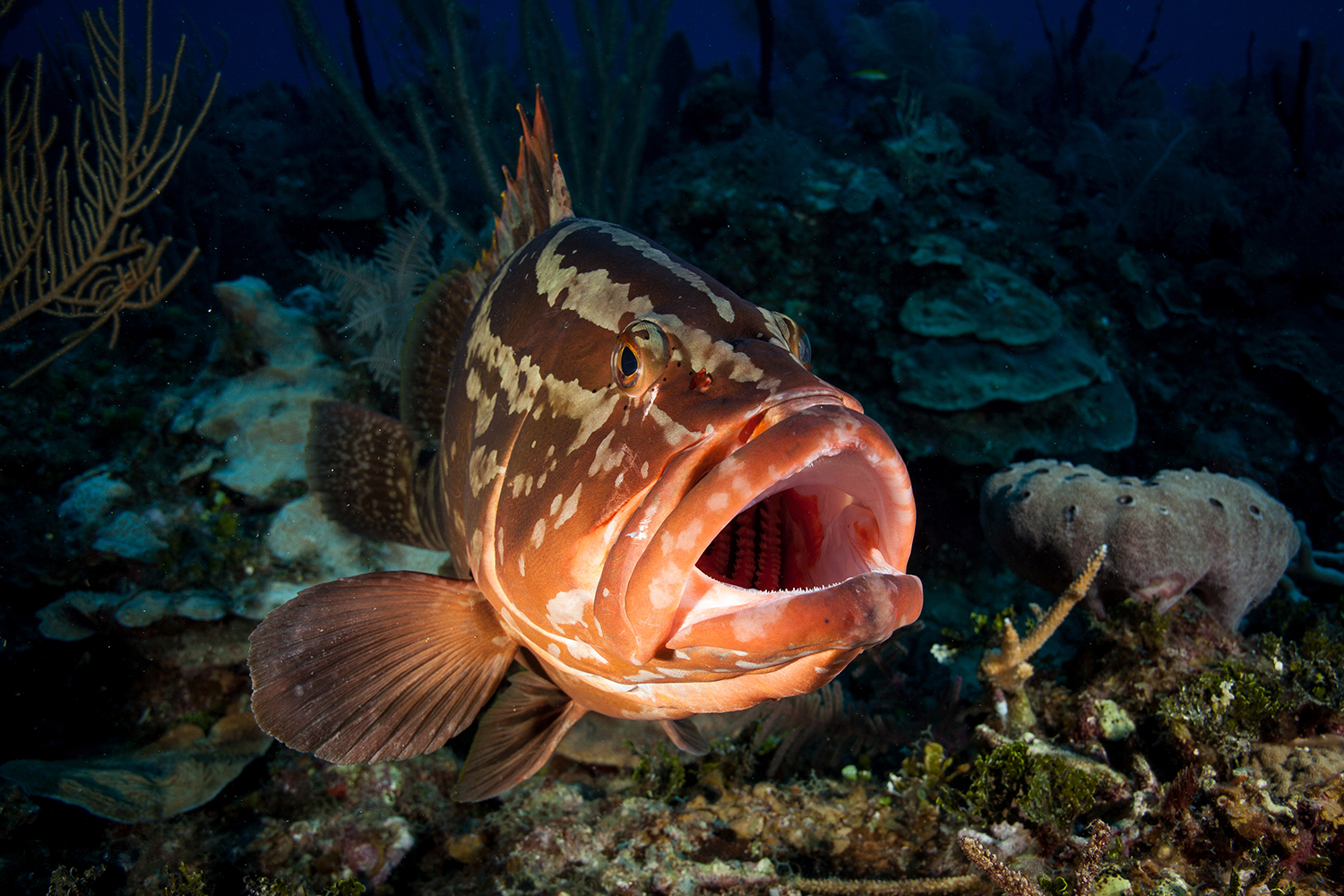
Groupers (family Epinephelidae) are commercially important fishes worldwide and fulfill critical ecological functions on tropical and subtropical coral reefs. In 2007 and again in 2016, the International Union for Conservation of Nature (IUCN) Groupers and Wrasses Specialist Group evaluated the conservation status of all more than 160 grouper species; by 2016, 17 species were classified as threatened, with overexploitation identified as the primary threat.
This assessment by Sean T. Fennessy and coworkers – in South Africa, the U.S., New Zealand, Portugal, Australia, Mexico, China, United Arab Emirates, Taiwan, India, and Hong Kong S.A.R., China – sought to determine whether management measures (MMs) had been implemented for the previously assessed species, whether those measures corresponded to the species’ IUCN Red List categories, and whether they successfully safeguard grouper populations.
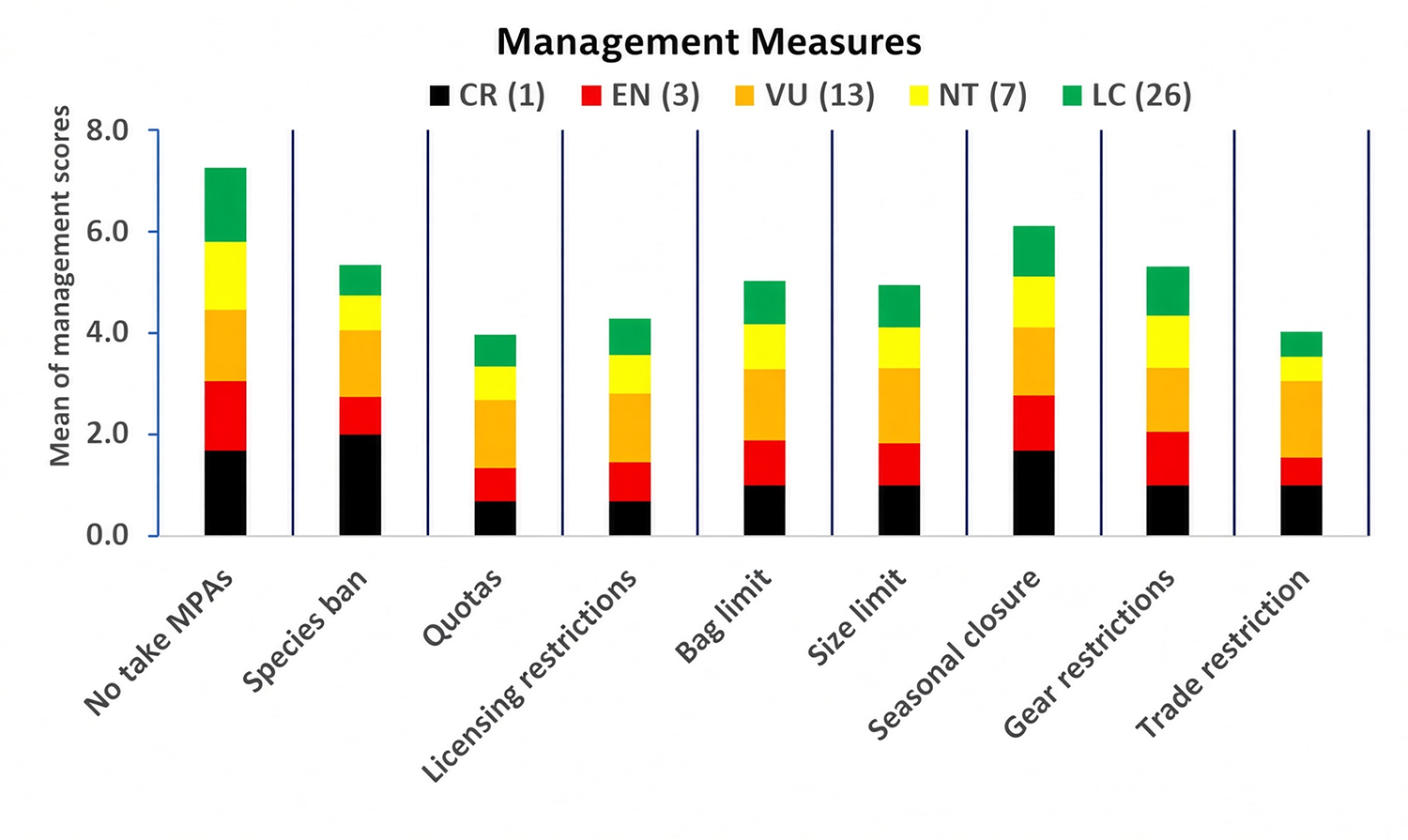
Specialists in grouper biology and fisheries management scored each of 50 species – encompassing nearly all threatened taxa – according to the geographic coverage and perceived effectiveness of existing MMs. A simple four-point scale (0–3) was applied to quantify both the spatial extent of each measure and its estimated effectiveness across a species’ global range.
Results showed that 97 percent of the species scored experienced no, extremely limited or only limited application of MMs, whereas just 3 percent benefited from widespread or extensive measures. Likewise, only 2 percent of species received high or very high effectiveness scores, while 98 percent were rated as having limited, extremely limited or ineffective management, or no measures at all. Neither the presence nor the effectiveness of MMs aligned with the species’ IUCN extinction-risk rankings.

Overall, these findings indicate that governmental fishery management of groupers requires substantial strengthening; basic biological research on any species is urgently needed; fishing pressure must be reduced; and systematic biological and fishery monitoring should be conducted to evaluate both the necessity for, and the outcomes of, management interventions. Although not every grouper species forms spawning aggregations, specific recommendations are offered for enhancing protection of aggregating species, ideally in conjunction with strategically located marine protected areas (MPAs).
Relevance of research findings to the industry
For the commercial and recreational fishing sectors, seafood traders and coastal tourism operators that depend on groupers, the findings have important, direct operational and financial implications. Groupers support a multi-million-dollar commercial global trade in both live and dead products, support livelihoods in many tropical countries, and attract recreational anglers and divers. Thus, continued weak management threatens the long-term viability of these activities.
Because most grouper fisheries lack species-specific rules, catch compositions remain poorly documented and stock assessments are rarely possible. This data vacuum makes it difficult for industry stakeholders to demonstrate sustainability to buyers, certification schemes or regulators. Retailers and restaurant chains facing increasing pressure for traceable, responsibly sourced seafood may find themselves exposed to supply shortages or reputational risk if key grouper stocks decline further.
The study also highlights a practical mismatch: endangered species often receive less management attention than some lower-risk species. Industry associations and fishery managers need clearer prioritization frameworks so that limited resources are directed first toward the most vulnerable stocks. In regions where groupers form spawning aggregations, temporary closures or spatial protection of those sites offer relatively low-cost, high-impact tools that can be implemented without requiring complex quota systems. Early adoption of such measures can help maintain product supply and market access.
Finally, the absence of basic biological data for many species creates uncertainty for both managers and industry. Investment in collaborative research – age and growth studies, reproductive biology, fishery-dependent monitoring – would benefit all parties by providing the information needed to set realistic catch limits and size restrictions.
Perspectives
The analysis by the authors was limited to the effects of management on grouper populations. Wider consequences for fishers and coastal communities – such as loss of income or increased food insecurity – were not examined because they fell outside the scope of this study.
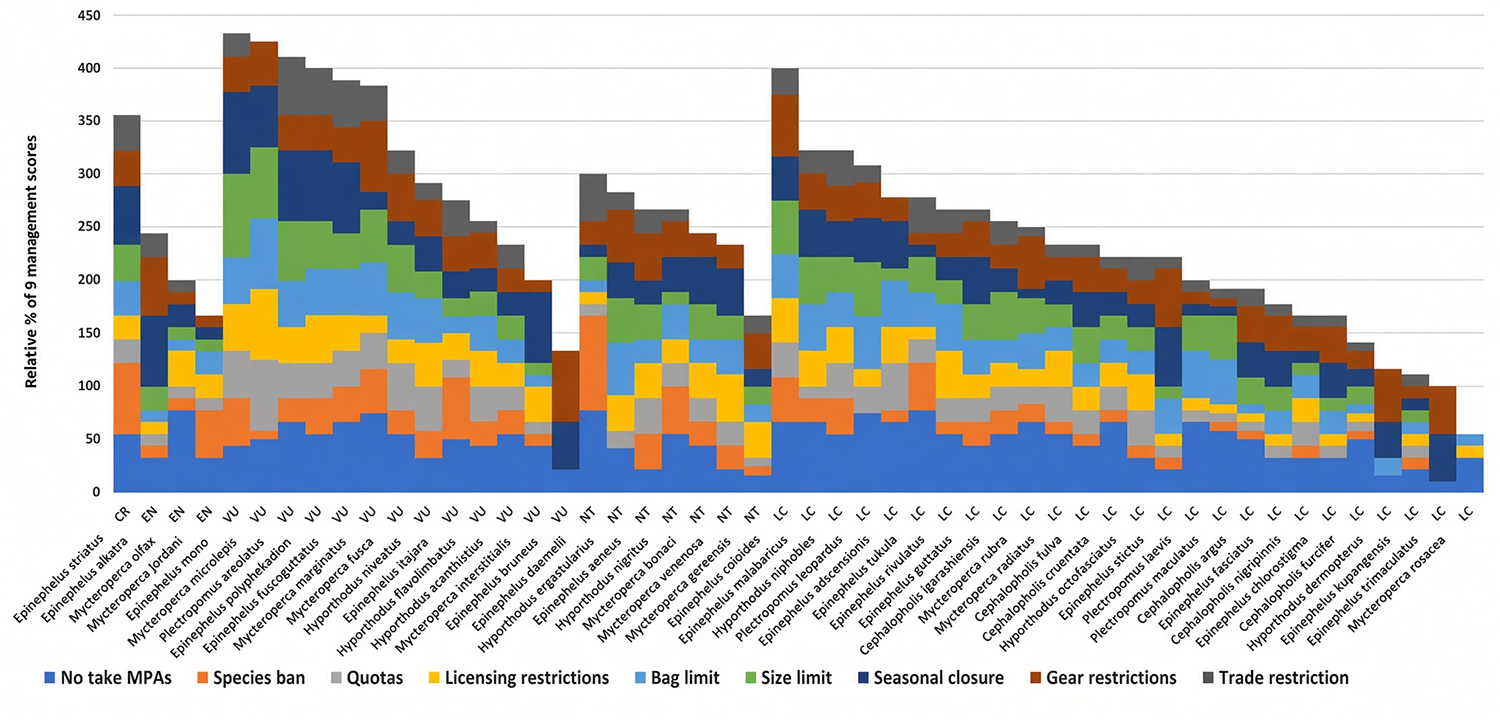
Across the 50 grouper species assessed, including nearly all those listed as threatened, species-specific fisheries management is usually absent. Where measures exist, their effectiveness is most often limited, unknown or inadequate. The Critically Endangered Nassau grouper (Epinephelus striatus) does receive multiple management actions, yet Endangered species receive less attention than those assessed as Vulnerable, Near Threatened or Least Concern. Apart from a modest difference between Vulnerable and Least Concern species, management intensity showed little variation across Red List categories.
A few species benefit from effective management in particular countries or regions, but overall grouper management clearly needs improvement. Progress is difficult because many of these fisheries are small-scale and multi-species. Groupers often appear as bycatch or form only a minor part of the catch, which makes it harder to introduce or prioritize targeted measures and limits how effective those measures can be. Identification problems further difficult accurate catch monitoring and help explain the large number of Data Deficient groupers recorded in the IUCN Red List assessments.
For many species a combination of management measures may be required. For many species, however, even basic biological data are still lacking, making it hard to decide which approaches are most likely to work or how populations will respond. Nevertheless, if decision-makers and conservation officials develop and enforce appropriate management plans, and if fishers comply with them, outcomes for grouper fisheries can improve.
All clams on deck: How restorative aquaculture can repair Florida estuaries
Stocking fish and invertebrates in estuaries: A paradoxical conservation practice?
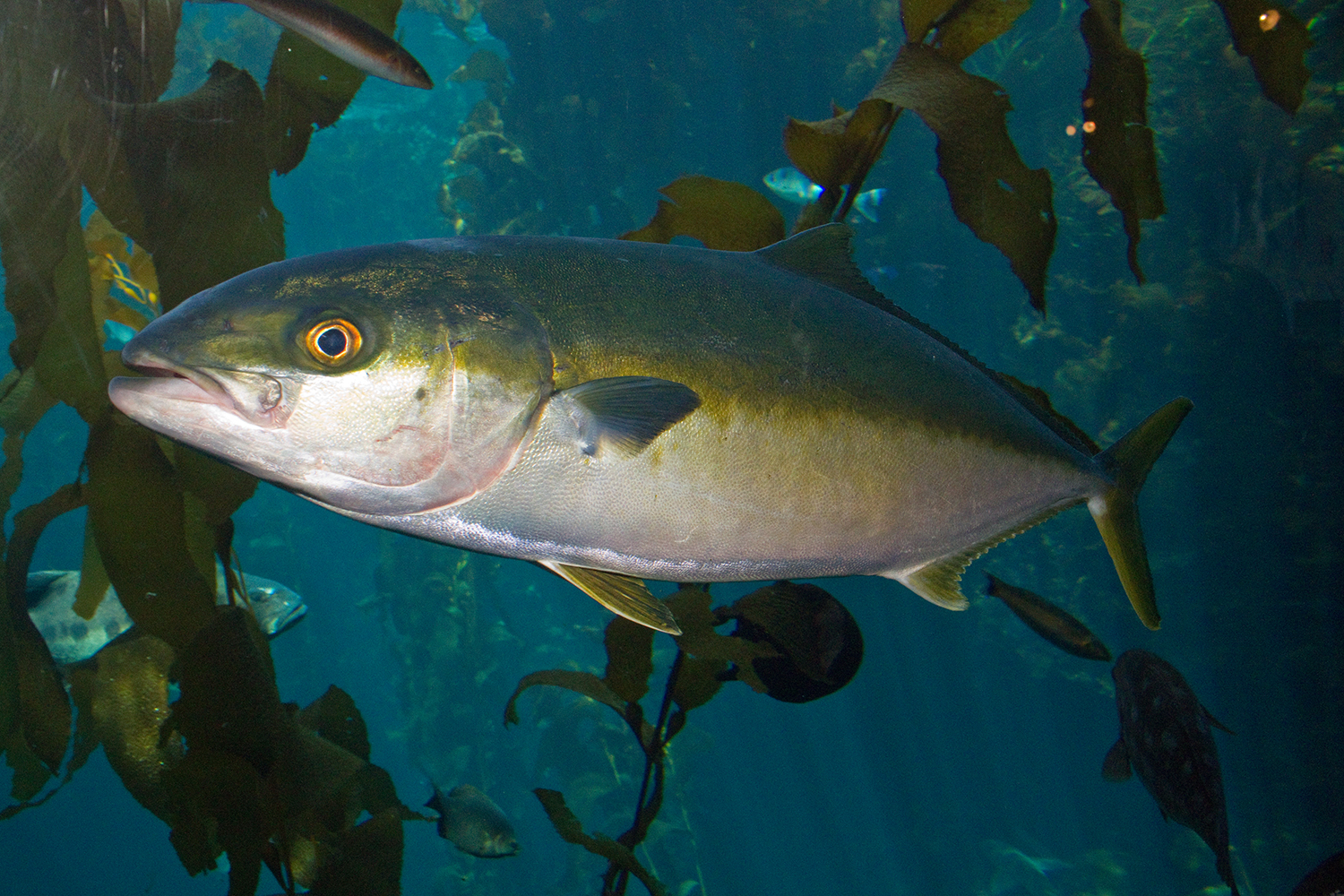
Around the world, stocking programs release hatchery-reared juvenile fish and invertebrates to boost recruitment of fisheries. Their usual aims are stock enhancement, restocking or sea ranching, with conservation stocking a more recent objective. Such programs commonly target coastal and estuarine waters because these habitats are highly productive, experience relatively low predation, deliver important ecosystem services and are readily accessible to fishers living nearby. Estuaries, however, are environmentally variable and often degraded by human activity, creating difficult conditions for released animals and resulting in the paradox of estuarine stocking.
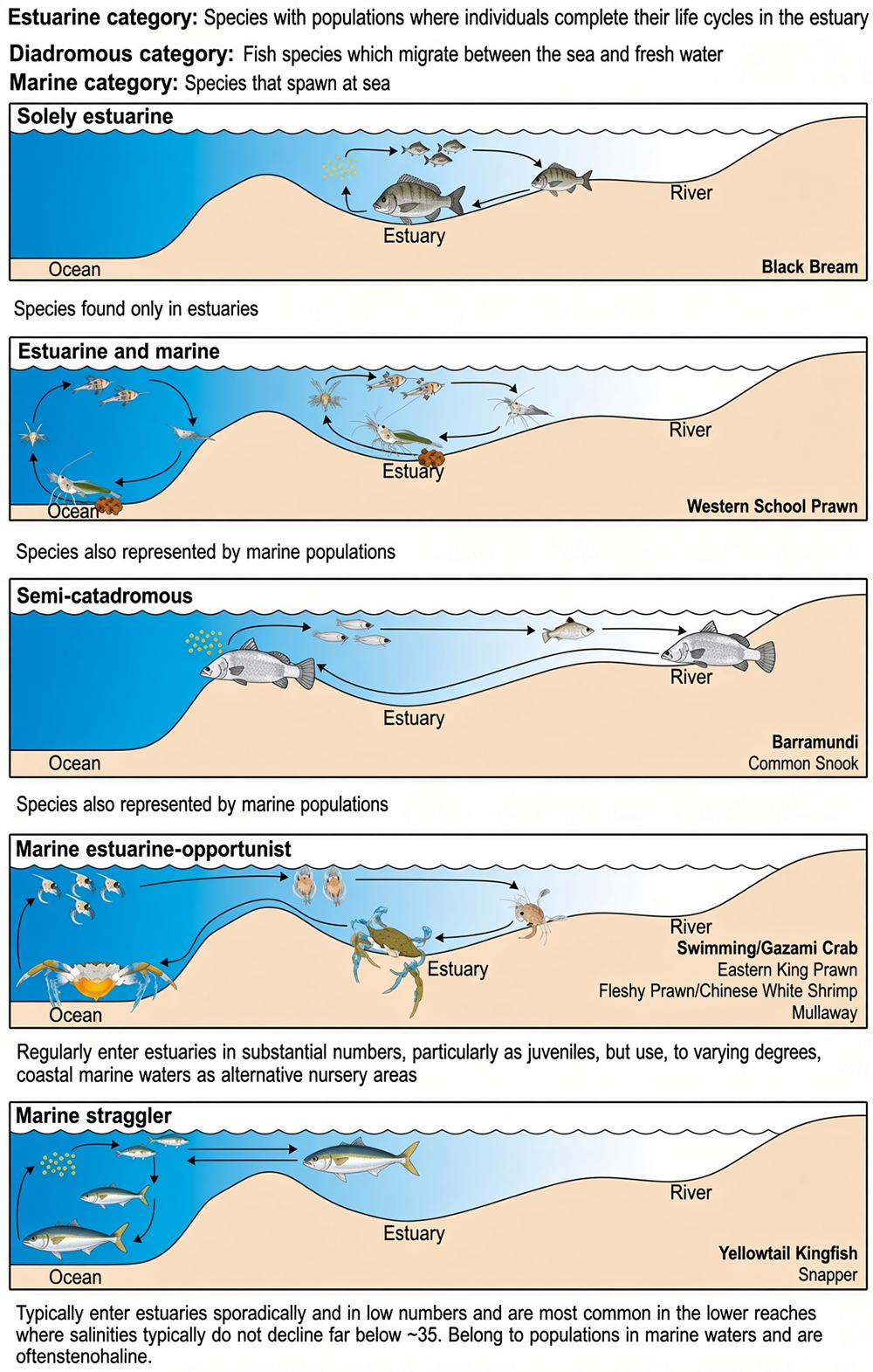
A study by Neil R. Loneragan and colleagues in Australia, China, and the U.S. examined ten case studies of fish and crustacean releases spanning three Estuarine Use Functional Groups (EUFGs): estuarine residents, diadromous (migratory) species and marine species. Effectiveness was assessed according to the potential benefits of stocking, the likelihood that released individuals would remain within the estuary and the risks posed by these highly dynamic systems.
The programs originated in three countries and ranged in scale from several thousand to 150,000 fish annually in Australia and the United States, to millions or hundreds of millions of penaeid shrimp and portunid crabs in China. Successful outcomes were recorded in all three EUFGs, although the degree of success varied.
The productivity and shelter of estuaries can support high survival of released animals. Estuarine-resident species, however, tend to remain inside the system and are therefore more exposed to environmental shocks such as unusually cold periods or unseasonal rainfall that lowers salinity, produces hypoxia or anoxia and causes mass mortality. Diadromous and marine species disperse more widely, yet releases of these groups into estuaries can still generate substantial returns to fishers, especially in systems that suffer severe recruitment bottlenecks.
Relevance of research findings to the industry
For hatchery operators, fishery managers, recreational fishing organizations and commercial fleets, the findings of this study caution against treating stocking as a default solution. Estuaries appear attractive because released animals can grow quickly and stay within reach of fishers. That same residence, however, means a single flood, bloom or hypoxia event can wipe out a year’s stock.
Recreational fisheries may see the most immediate local gains, especially when a popular species is recruitment-limited, but those gains are often unpredictable. Operators and angling groups should not assume that fish released in one area reach will rebuild the whole ecosystem, except in cases like black bream (Acanthopagrus butcheri), where the species rarely leaves the estuary.
The findings also matter for risk management and insurance-style considerations for stocking budgets. A program that looks successful in three stable years can collapse in the fourth. Industry and agencies that fund releases need contingency plans and monitoring that can detect environmental shocks early, not only hatchery output and short-term catch.
Perspectives
The case studies highlight a clear paradox: Estuaries are productive, relatively low-predation systems that can deliver strong returns from stocking, yet they also expose released animals to serious risks such as harmful algal blooms, sudden cold snaps, unseasonal rainfall and deoxygenation events. Those same hazards appear to have undermined stocking of Western School Prawns (Metapenaeus dalli) in Australia and common snook (Centropomus undecimalis) in southwestern Florida (USA), and are equally relevant to stocking programs in coastal embayments near major population centers.
This research documented successful releases for recreationally important species spanning three life-history types: solely estuarine, semi-catadromous and marine estuarine-opportunist. In most cases the benefits to recreational fisheries were confined to the immediate release areas. The exception was the solely estuarine black bream, where stocking appeared to improve both the population and the fishery at the scale of the entire estuary.
Findings also indicate that future programs would be stronger if they matched release strategy to Estuarine Use Functional Group. Resident species may give the biggest local lift but need the most environmental insurance. Migratory and marine-opportunist species may spread the benefit more widely and escape some negative local conditions and could still provide useful returns where natural recruitment is blocked.
In addition, governance is considered as important as biology. Agreed objectives, simple performance indicators and regular review would stop programs drifting into open-ended releases with no test of success. Closer working among government, researchers and fishers could be the difference between a large program that under-delivers and one that can be improved. Overall, the findings indicate that these stockings should complement habitat protection and fishing effort control.
Fisheries in Focus: How the mystery of the great eastern Bering Sea snow crab die-off was solved
Survival of juvenile snow crabs declines under ocean acidification, with no effects on growth or body morphometrics
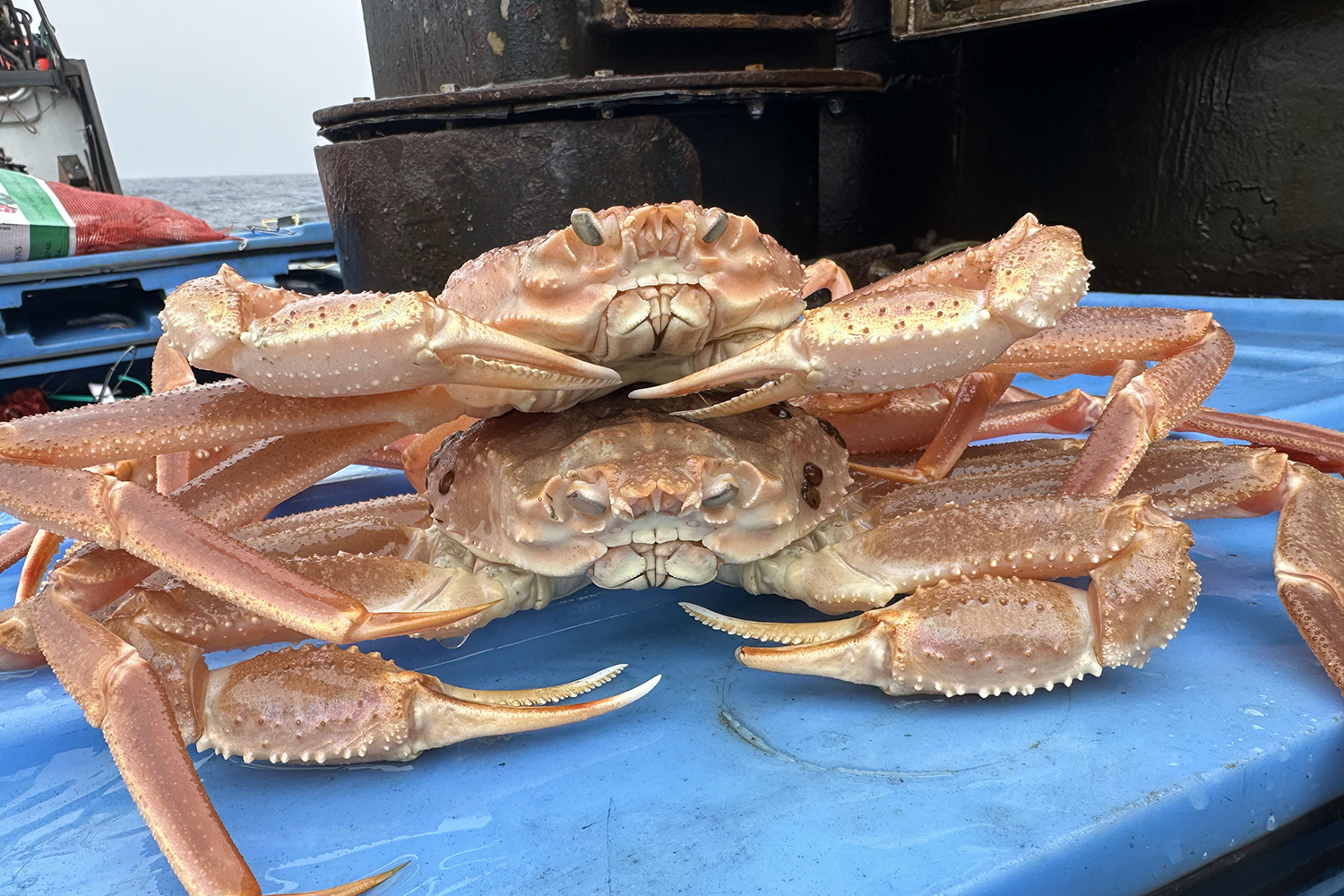
The snow crab (Chionoecetes opilio) is a commercially important species found in Arctic and sub-Arctic waters of the Pacific, Atlantic and Arctic Oceans. It has supported one of the largest crustacean fisheries in the world, in the eastern Bering Sea; however, the stock crashed in 2020, likely due to record-high water temperatures leading to mass starvation, and the fishery was closed in 2022 and then re-opened in 2025. Anthropogenic carbon dioxide emissions dissolve in seawater and lower its pH, a process termed ocean acidification that can harm marine life. To date, the effects of reduced pH on snow crabs remain poorly understood.
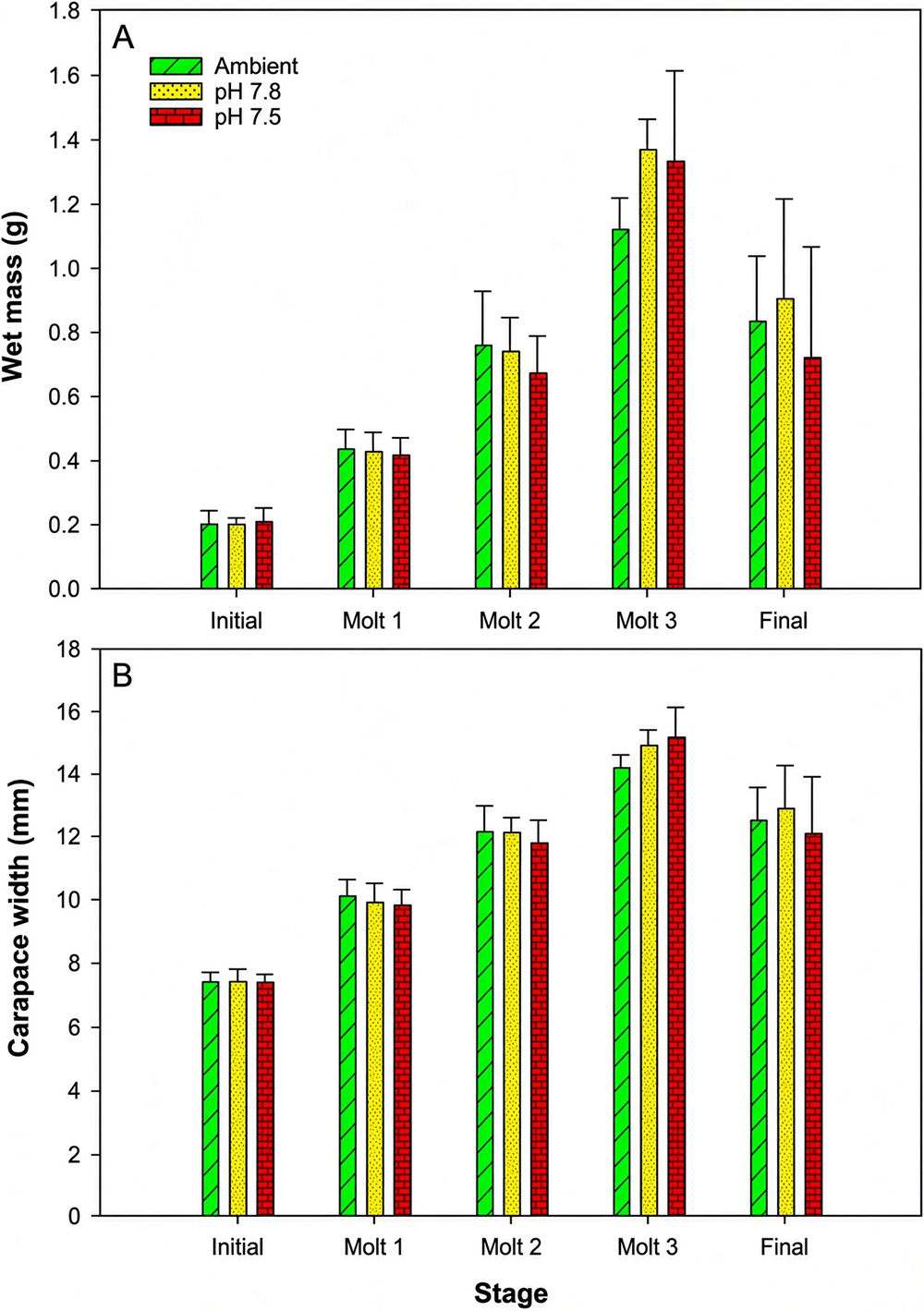
In a study by W. Christopher Long of the U.S. National Marine Fisheries Service, juvenile snow crabs collected from the Bering Sea were held for 396 days at a constant 4 degrees-C under three pH regimes – ambient (≈7.95), 7.8 and 7.5 – with 30 individuals randomly assigned to each treatment. Crabs were monitored daily for molting and mortality; wet mass and carapace dimensions were recorded after every molt.
Results showed that lowered pH did not alter intermolt interval, post-molt carapace width, or wet mass, indicating that growth rate was unaffected. Morphometric traits likewise showed no response to reduced pH. Mortality, however, was 40 percent higher at pH 7.5 than at either pH 7.8 or ambient conditions. The absence of accompanying sublethal effects is unexpected and may reflect early mortality of the most sensitive individuals or the need for longer exposure before growth differences become detectable.
Overall, juvenile snow crabs exhibit moderate sensitivity to ocean acidification yet appear more tolerant of pH change than several other commercial Alaskan crab species, a pattern consistent with findings from other life-history stages.
Relevance of research findings to the industry
For Bering Sea snow crabs, the findings of this research indicate that the management implication is not a simple collapse forecast. The stock already failed after a heatwave and the associated starvation. Acidification is an additional, slower stressor and a slower, overlapping pressure, and if fishery managers only watch size-at-age or molt timing, they could miss the potential risk.
This study also shows that growth metrics can look adequate while crab survival is quietly dropping at the lowest pH levels. Recruitment models that treat juvenile survival as constant under future carbonate chemistry would, therefore, be too optimistic once the water pH is near pH 7.5 for prolonged periods. If assessment models keep survival estimates for juvenile crabs fixed while bottom water is near that pH for extended periods of time, then recruitment is likely to be overestimated.
The pH 7.8 versus pH 7.5 split also matters for snow crab fishery management and planning. Near-term acidification closer to pH 7.8 may not reduce the size of individual crabs or extend the molt cycle. But the negative impact, if it occurs, is more likely to show up as fewer animals making it through successive molts. That is a stock-assessment problem, not a product-quality problem: processors would still see normal-looking crabs, just potentially fewer of them years later. Because snow crabs are also prey to Pacific cod and other groundfish, a drop in juvenile survival would have impacts beyond the directed crab fishery.
Compared with other species like Tanner and red king crab, snow crabs still look like the more robust of Alaska’s major commercial crabs under acidification alone. That does not mean the industry can ignore ocean acidification, but it does suggest that multi-species climate risk is uneven, and that snow crab harvest strategies should not be implemented in general from more sensitive crab species.
Perspectives
Snow crab juveniles may be moderately resistant to exposure to low pH. In this long-term study, snow crab mortality rates increased at the lowest pH tested but not at more moderate pH levels. At the same time, no sublethal effects were detected. Growth rates, in terms of size and mass at molt stage and intermolt period, did not differ among treatments. Similarly, no change in morphometry over the course of several molts occurred. Overall, these results, especially when combined with other studies, suggest that snow crab will be resilient to pH conditions predicted over the next 50 to 100 years.
Overall, these results indicate that snow crabs are likely to tolerate the pH conditions expected over the coming four decades. Extended intervals below pH 7.5 on the Bering Sea shelf are not projected until around 2060, and any juvenile impacts should remain modest at the outset.
Now that you've reached the end of the article ...
… please consider supporting GSA’s mission to advance responsible seafood practices through education, advocacy and third-party assurances. The Advocate aims to document the evolution of responsible seafood practices and share the expansive knowledge of our vast network of contributors.
By becoming a Global Seafood Alliance member, you’re ensuring that all of the pre-competitive work we do through member benefits, resources and events can continue. Individual membership costs just $50 a year.
Not a GSA member? Join us.
Author
-

Editor Emeritus