


Can light-guided shrimp fishing reduce the impact of bottom trawling?

Swedish project to test if lights can guide shrimp into nets while reducing the seabed impacts, fuel use and gear wear associated with bottom trawling
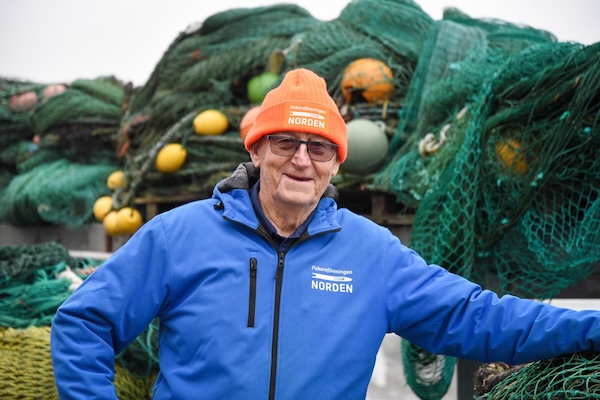
Researchers in Sweden are testing a light-guided shrimp fishing system that can guide shrimp into nets, offering a potential way to reduce the environmental impacts of bottom trawling while maintaining catches.
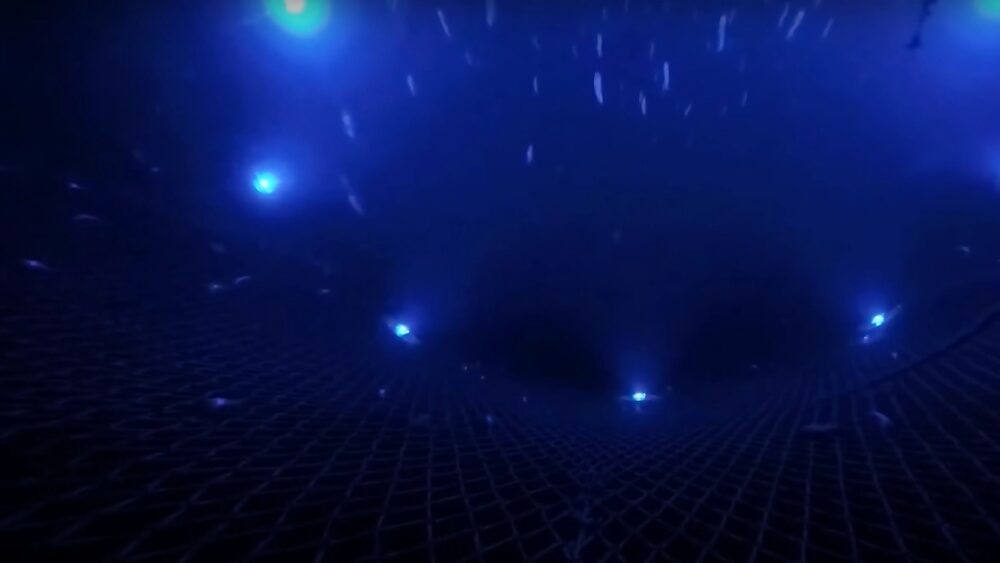
The EU-funded project, known as Light Trawling, is evaluating whether lights can guide shrimp into a trawl without the gear dragging along the seafloor. The approach aims to reduce the environmental impact of bottom trawling while lowering fuel use and equipment wear.
The project brings together Sotenäs Municipality, fishing association FF Norden and Chalmers Industriteknik. The technology is based on a concept first developed in Iceland and is being adapted for Swedish fishing vessels and seabed conditions.
“We have to start thinking differently when it comes to how we fish,” said Sixten Söderberg, a member of FF Norden who helped launch the project after learning about the Icelandic technology. “The marine environment is in poor condition and finding more sustainable methods is absolutely necessary.”
![Ad for [BSP]](https://www.globalseafood.org/wp-content/uploads/2025/07/BSP_B2B_2025_1050x125.jpg)
Instead of dragging heavy gear across the seabed, the system uses lights to attract shrimp upward into a trawl that operates above the bottom. According to the project partners, the lighter gear also creates less water resistance, which could reduce fuel consumption and wear on fishing equipment.
Researchers are now testing how the system performs under commercial fishing conditions. The trials are examining factors including the weight of the light units, how water clarity and currents affect the lights, and how high above the seabed the gear can operate while still catching shrimp.
‘A world down below’ – Deeper fishing insights lead to better tools for bycatch reduction
The partners said the project is still in the testing phase, and further work is needed to determine whether the technology can deliver reliable catches while reducing impacts on the seafloor.
“We need a living ocean,” said Söderberg. “There must be something left for the next generations, and to ensure this, we need to do things differently.”
If successful, the researchers said the light-guided system could provide a lower-impact alternative for shrimp fisheries by reducing pressure on the seabed while helping fishing businesses remain economically viable.
Now that you've reached the end of the article ...
… please consider supporting GSA’s mission to advance responsible seafood practices through education, advocacy and third-party assurances. The Advocate aims to document the evolution of responsible seafood practices and share the expansive knowledge of our vast network of contributors.
By becoming a Global Seafood Alliance member, you’re ensuring that all of the pre-competitive work we do through member benefits, resources and events can continue. Individual membership costs just $50 a year.
Not a GSA member? Join us.
Author

Related Posts
Fisheries
Illuminating the way: How light technology is reshaping fisheries
Fishing innovation is transitioning from bigger engines, stronger gear and more sophisticated electronics to something far more subtle: light.
Intelligence
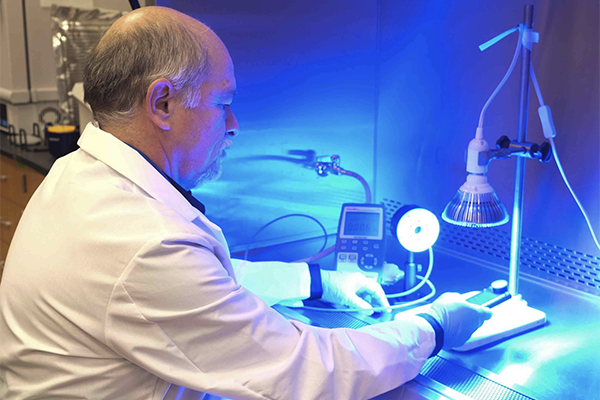
Could blue light eradicate this common pathogen that plagues food processing facilities?
Research suggests that blue light could effectively destroy Listeria monocytogenes, a common contaminant that plagues food processing plants.
Health & Welfare
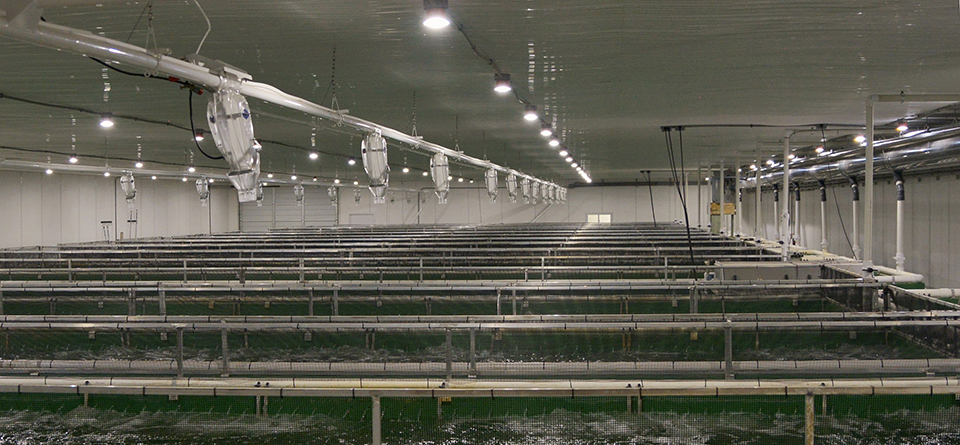
LED lighting technology provides unique benefits for aquaculture
Environmental lighting, which synchronizes all stages of aquatic life, is an important consideration as more aquatic animals are produced indoors in highly controlled environments. Artificial lighting should deliver uniform light across the water’s surface in rearing tanks and mimic not only photoperiod, but also light color and intensity.
Innovation & Investment
Could new technology transform how salmon farming combats sea lice?
Sea lice plague salmon farms globally, but scientists and aquaculture are turning to technology to prevent and manage the pests.