


FAO opens Adriatic unit to strengthen fisheries management

New Croatia-based unit will support science, regional cooperation and fisheries management across six countries sharing the Adriatic Sea
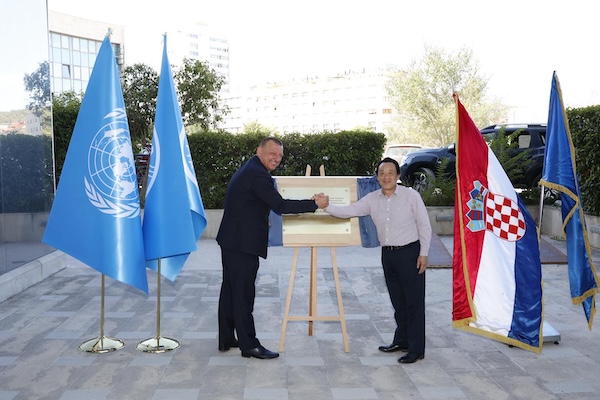
The Food and Agriculture Organization of the United Nations (FAO) has opened a new fisheries unit in Croatia to support scientific cooperation and fisheries management among six Adriatic countries.
The General Fisheries Commission for the Mediterranean (GFCM), a regional fisheries management organization of FAO, officially inaugurated its Adriatic Sea Technical Unit in Split, Croatia. The unit will provide a permanent presence in the region to support scientific cooperation, implementation of fisheries management measures and coordination among Albania, Bosnia and Herzegovina, Croatia, Italy, Montenegro and Slovenia.
The opening comes as fisheries across the Mediterranean face pressures from fishing activity, growing demand for aquatic foods and climate change. FAO Director-General Qu Dongyu said cooperation among countries and reliable scientific information will be important for addressing those challenges.
“Strong science remains at the centre of progress,” Dongyu said, emphasizing that reliable data, research and innovative approaches to assessment and management are essential to turning knowledge into measurable results.

The new unit will support scientific research, data collection, stock assessments and coordinated management and conservation measures in the Adriatic. It will also contribute to MedSea4Fish, the GFCM’s capacity development program, which supports technical expertise, institutional capacity and knowledge-sharing across the region.
Catch & Culture Review: Fishery management for grouper in relation to the IUCN Red List
The initiative builds on fisheries management efforts implemented by GFCM members over the past decade. According to FAO, 11 management plans and a range of spatial measures have been adopted to support sustainable exploitation of fisheries resources and protect vulnerable marine ecosystems and essential fish habitats.
FAO reported that fish stock biomass has increased by about 25 percent, while the share of overexploited stocks declined from 87 percent in 2013 to 52 percent in 2023.
The Adriatic has played a role in those management efforts. The region was the setting for the GFCM’s first multiannual management plan in 2013 and has since been used to implement spatial management measures.
The unit will also contribute to FAO’s Blue Transformation initiative, which focuses on improving fisheries management, developing aquaculture responsibly and strengthening aquatic food value chains.
“We are here in Split,” Dongyu said. “But we are not split – we are, in fact, more united towards efficient, inclusive and sustainable approaches to the fisheries in the Adriatic Sea.”
Now that you've reached the end of the article ...
… please consider supporting GSA’s mission to advance responsible seafood practices through education, advocacy and third-party assurances. The Advocate aims to document the evolution of responsible seafood practices and share the expansive knowledge of our vast network of contributors.
By becoming a Global Seafood Alliance member, you’re ensuring that all of the pre-competitive work we do through member benefits, resources and events can continue. Individual membership costs just $50 a year.
Not a GSA member? Join us.
Author

Related Posts
Fisheries
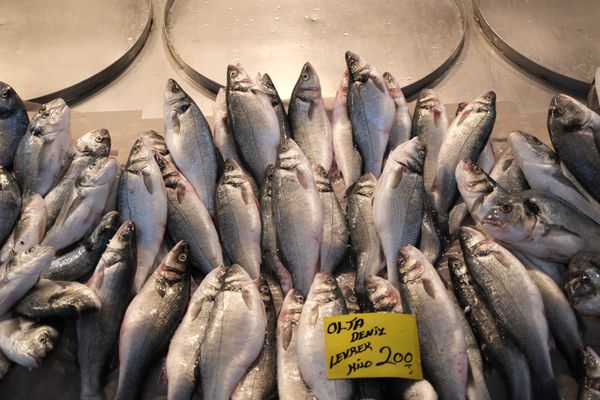
A decade after anti-IUU fishing pact, Mediterranean and Black Sea overfishing drops
A decade after a the anti-IUU fishing Port State Measures Agreement, overfishing in the Mediterranean and Black Sea drops to record lows.
Fisheries
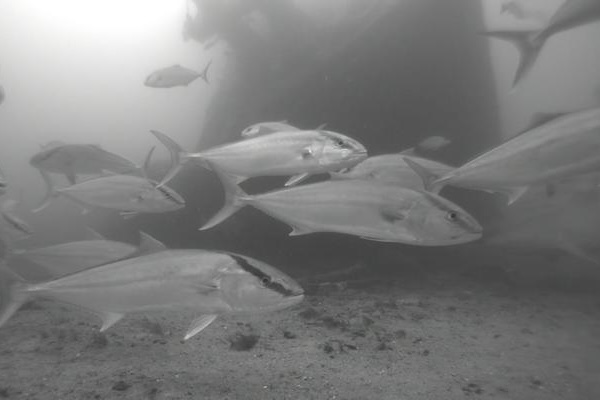
Does greater amberjack need a new fisheries management approach?
Study finds that greater amberjack in the Gulf of Mexico and South Atlantic may benefit from separate fisheries management approaches.
Fisheries
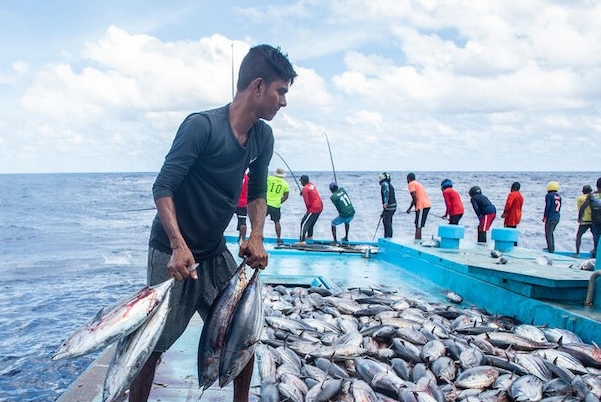
BBNJ treaty enters into force, strengthening governance of the high seas
The BBNJ treaty has entered into force, with FAO supporting countries in implementing the agreement to strengthen global ocean governance.
Responsibility
FAO: More investment in seafood production needed to drive ‘blue transformation’ for global food security
At the G7 meeting, FAO says investment in seafood production is critical to ensuring global food security and combating poverty.