


Study: Quieter hatcheries improve Chinook salmon return rates

Researchers found Chinook salmon raised in quieter hatcheries were more likely to return to spawn than fish exposed to higher noise levels
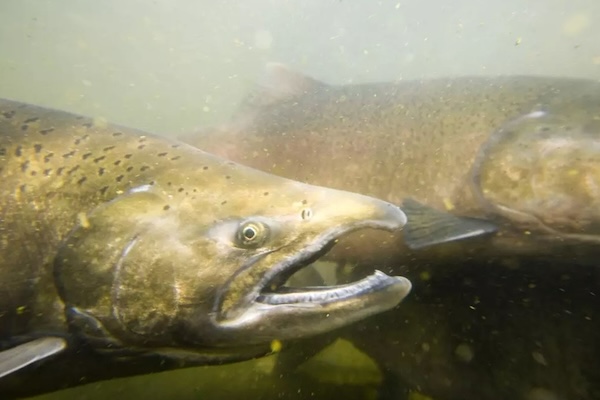
Hatchery-raised Chinook salmon exposed to quieter conditions early in life are more likely to return from the ocean to spawn than fish raised in noisier environments, according to research from Washington State University (WSU).
The study, published in North American Journal of Fisheries Management, found that reducing noise in salmon hatcheries improved the long-term survival of fall Chinook salmon, suggesting that sound levels during early development may influence the fish’s ability to survive in the wild and successfully return to their natal rivers.
The findings indicate that relatively simple sound-dampening measures in hatcheries could help improve the success of salmon restoration programs in the Pacific Northwest.
“The hatchery system is really critical for the nation, ecologically and economically,” said Rikeem Sholes, a U.S. Fish and Wildlife fisheries biologist who led the research project as part of his graduate studies at WSU. “We spend millions upon millions of dollars raising these fish for various reasons, so we want to make sure that we’re sending them out with all their systems working so they have the best chance of making it back.”

To investigate the effects of noise, researchers studied Tule fall Chinook salmon raised at the Spring Creek National Fish Hatchery on the lower Columbia River, where nearby highways, rail traffic and hatchery equipment create a relatively noisy environment.
In 2022, salmon fry were raised under three different sound conditions: a noise-dampened environment, the hatchery’s normal ambient noise and continuous white noise. During the three months before the fish were released, the researchers found little difference in sensory development or swimming behavior among the groups.
Differences emerged after the fish entered the wild. Over the following two years, salmon raised in the quieter environment were slightly more likely to return to spawn than those raised under normal hatchery conditions and nearly twice as likely to return as fish exposed to continuous white noise.
“That surprised me the most – when they started coming back, we saw differences in the return rates when we had seen very few differences as they were heading out to sea,” said Allison Coffin, a co-author and associate professor at Creighton University.
The researchers said additional studies are needed to better understand how early-life noise affects salmon survival. However, the findings suggest that reducing noise in hatcheries through measures such as sound-dampening tank liners could improve return rates, although the most effective approaches are likely to vary among facilities.
Now that you've reached the end of the article ...
… please consider supporting GSA’s mission to advance responsible seafood practices through education, advocacy and third-party assurances. The Advocate aims to document the evolution of responsible seafood practices and share the expansive knowledge of our vast network of contributors.
By becoming a Global Seafood Alliance member, you’re ensuring that all of the pre-competitive work we do through member benefits, resources and events can continue. Individual membership costs just $50 a year.
Not a GSA member? Join us.
Author

Related Posts
Responsibility
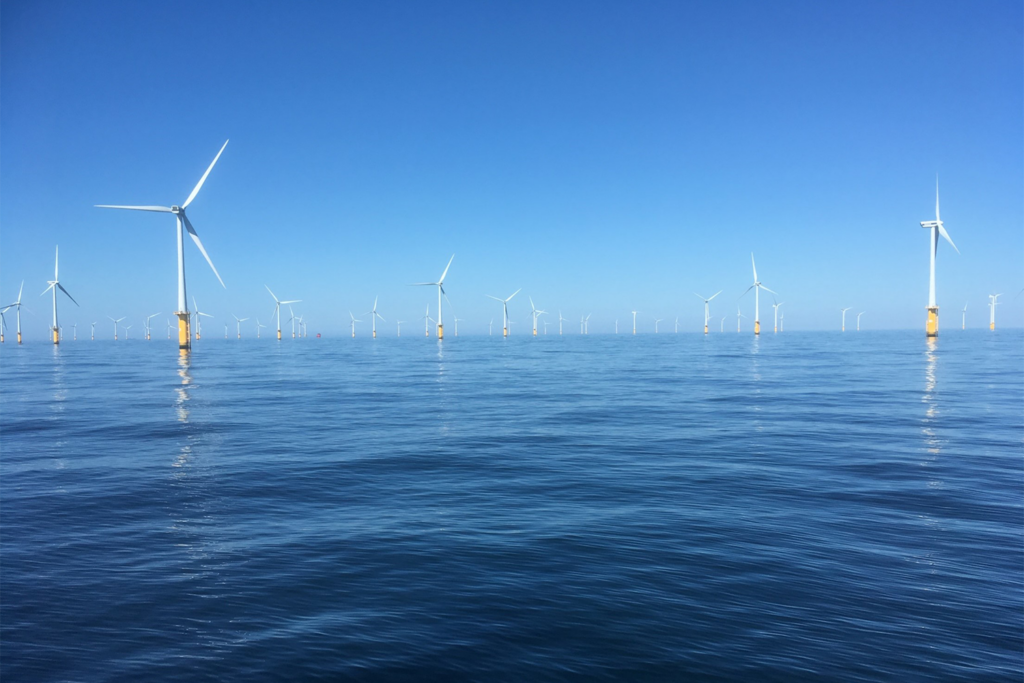
Ocean noise: How the changing sea soundscape can stress fish
Ocean noise from human activity can change fish behavior like feeding, but new technologies and techniques can minimize the stress.
Innovation & Investment
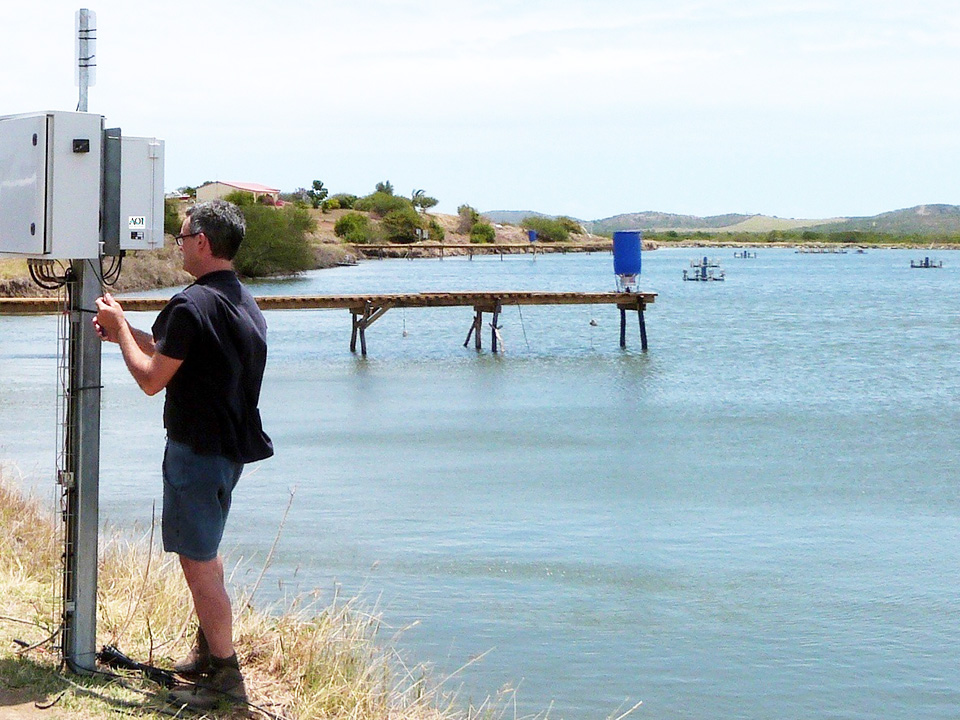
Acoustic control improves feeding productivity at shrimp farms
In systems recently developed for shrimp farms, passive acoustic-based technology enables sensor-based control of multiple automatic feeders. Improved growth and feed conversion have been recorded at commercial farms using the technology.
Fisheries
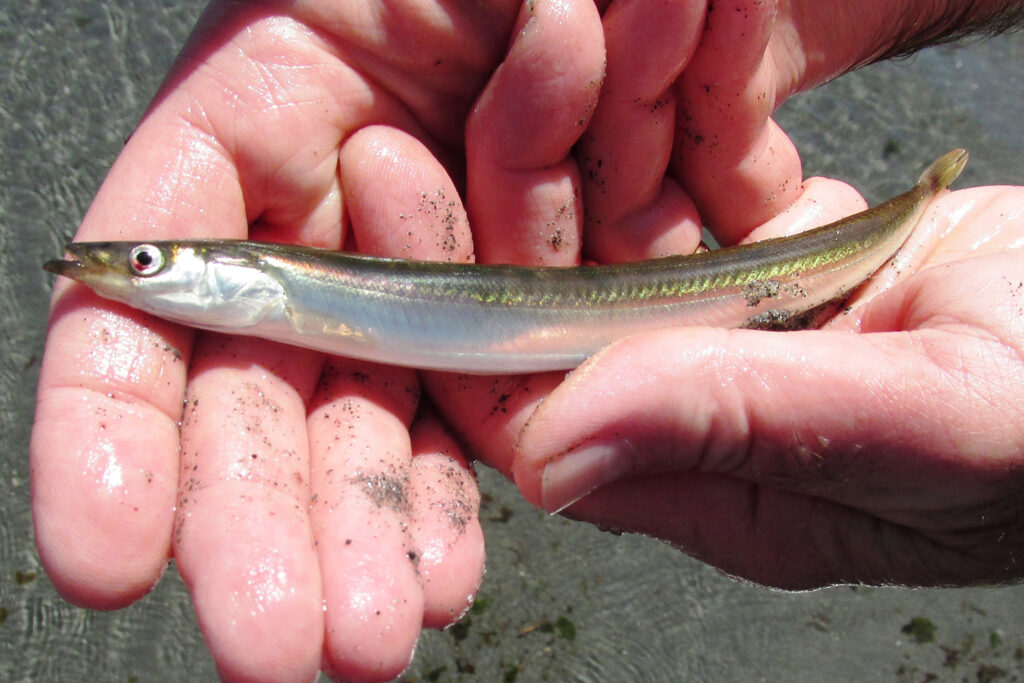
Effects of anthropogenic noise on prey quality of the forage fish Pacific sand lance
It's critical to understand how noise affects individual fish species and how it can alter ecosystems, much like climate change or pollution.
Health & Welfare
Why do stressed salmon make clicking sounds? Researchers still aren’t sure
SINTEF researchers found stressed salmon produced unusual clicking sounds during experiments examining noise and fish welfare in aquaculture.