


Catch & Culture Review: The multi-omics approach is cracking the code on shrimp breeding

Multi-omics enables precise genetic, hormonal, nutritional and environmental strategies to accelerate maturation without invasive practices and reduce wild broodstock reliance
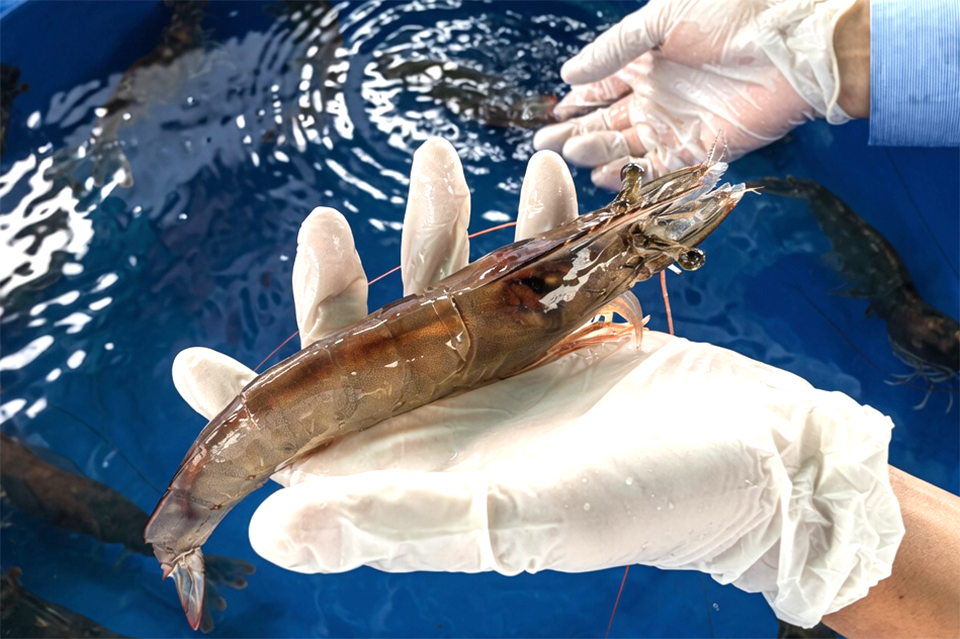
Shrimp farming plays a vital role in global food security and economic development, and enhancing reproductive maturation under farming conditions is therefore essential for the long-term sustainability of shrimp aquaculture. Omics technologies are advanced scientific tools that let researchers study living things in great detail by looking at all their genes, proteins, or body chemistry at once – instead of examining just one or two at a time – like taking a complete “big picture” scan of how an organism (like shrimp) works at the molecular level.
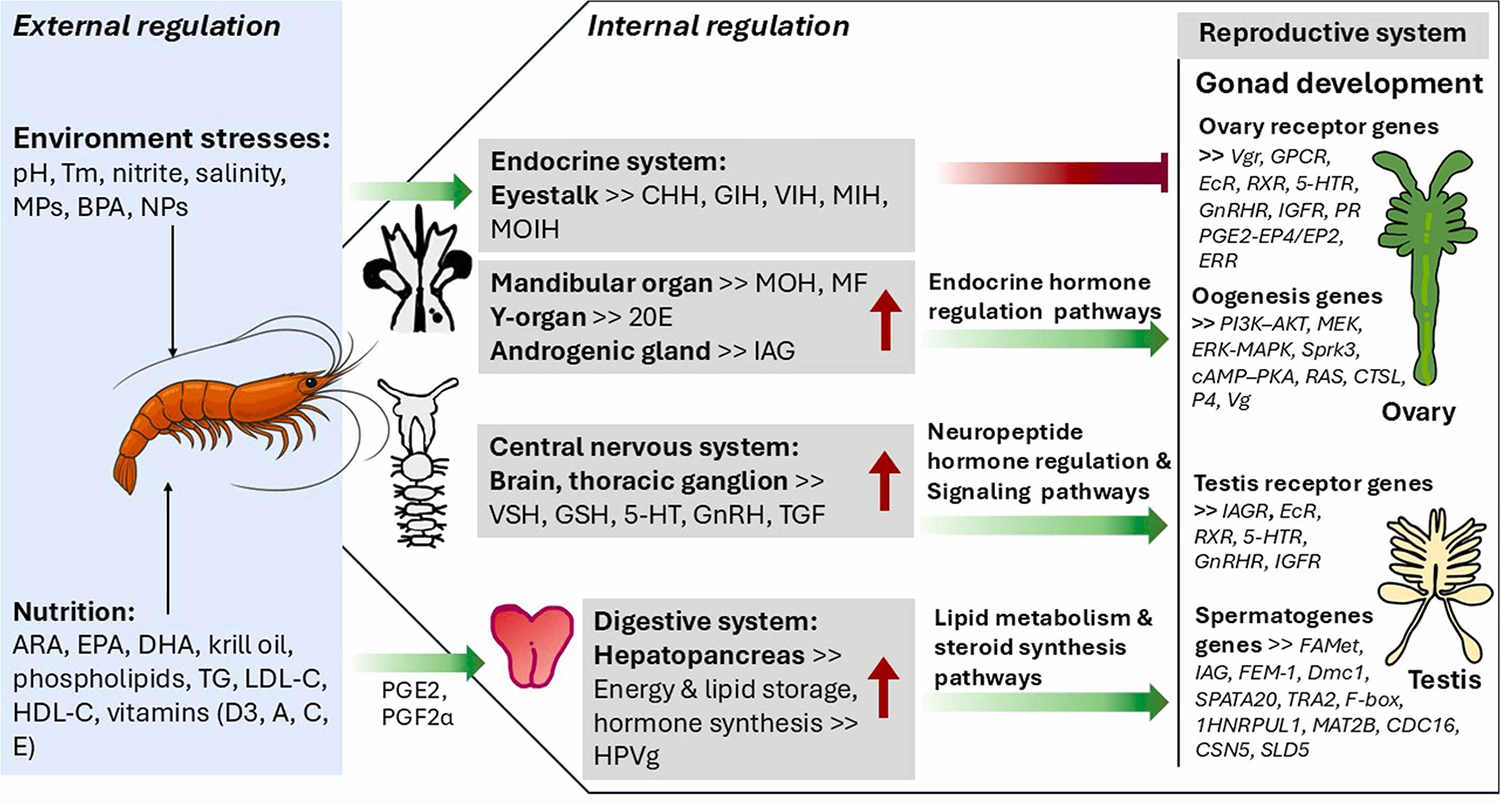
A review by Nitsara Karoonuthaisiri and colleagues at Queen’s University Belfast, United Kingdom and the Thailand National Center for Genetic Engineering and Biotechnology (BIOTEC) in Thailand synthesizes multi-omics research published between 2014 and 2025, examining how hormonal and genetic regulation, nutrition, and environmental conditions influence gonadal maturation in penaeid shrimp.
Recent advances in -omics technologies – such as transcriptomics, proteomics, metabolomics and integrated multi-omics approaches – have greatly improved our understanding of the biological processes that control shrimp reproduction.
These studies have identified key molecular pathways, tissue-specific biomarkers, and regulatory genes involved in reproductive development, revealing both intrinsic (genetic) and extrinsic (dietary and environmental) factors that affect maturation. The molecular insights gained from these approaches are already helping to improve practical aspects of shrimp farming, such as optimizing feed formulations and refining culture systems.
![Ad for [BSP]](https://www.globalseafood.org/wp-content/uploads/2025/07/BSP_B2B_2025_1050x125.jpg)
Multi-omics research offers promising pathways to promote natural reproductive maturation, potentially reducing or eliminating the need for invasive practices like eyestalk ablation. However, progress is currently limited by the lack of comprehensive, publicly available molecular databases containing genomic, proteomic and metabolomic data for shrimp. Expanding and openly sharing these resources will be critical to fully harness the potential of multi-omics technologies and drive innovation in sustainable shrimp aquaculture.
Relevance of research findings to the industry
The findings of this review are highly relevant to shrimp hatcheries, feed companies, and farm operators. One of the most immediate potential benefits is the possibility of helping reduce or eventually eliminating the need for eyestalk ablation. If multi-omics research can help identify reliable ways to promote natural maturation through improved nutrition or environmental management, it would represent a significant advancement in both animal welfare and production efficiency.
Better understanding of the molecular mechanisms behind maturation could also lead to more consistent and higher-quality seed production. Unreliable broodstock performance is a major source of risk and cost in shrimp farming. Molecular tools that help predict or enhance reproductive success could improve the reliability of post-larvae supply, which would benefit the entire value chain.
From an aquafeed perspective, the identification of specific nutrients and metabolic pathways linked to reproduction offers opportunities to develop functional feeds designed to support maturation. Rather than using generic diets, producers could eventually use more targeted formulations based on the biological needs of broodstock at different stages.
The review also suggests that environmental management in hatcheries and grow-out systems could be refined using molecular insights. Factors such as water quality parameters, photoperiod, and stocking density influence reproductive physiology at the gene and protein level. Adjusting these conditions based on scientific understanding rather than trial and error could lead to more efficient and sustainable farming practices. Overall, this research supports the industry’s broader shift toward precision aquaculture and more sustainable production methods.
Perspectives
While multi-omics research has made impressive progress, several important steps are still needed to fully realize its potential. The development of comprehensive, publicly accessible molecular databases for penaeid shrimp is considered a critical priority. Without high-quality genomic, proteomic and metabolomic resources, the power of multi-omics approaches will remain underutilized.
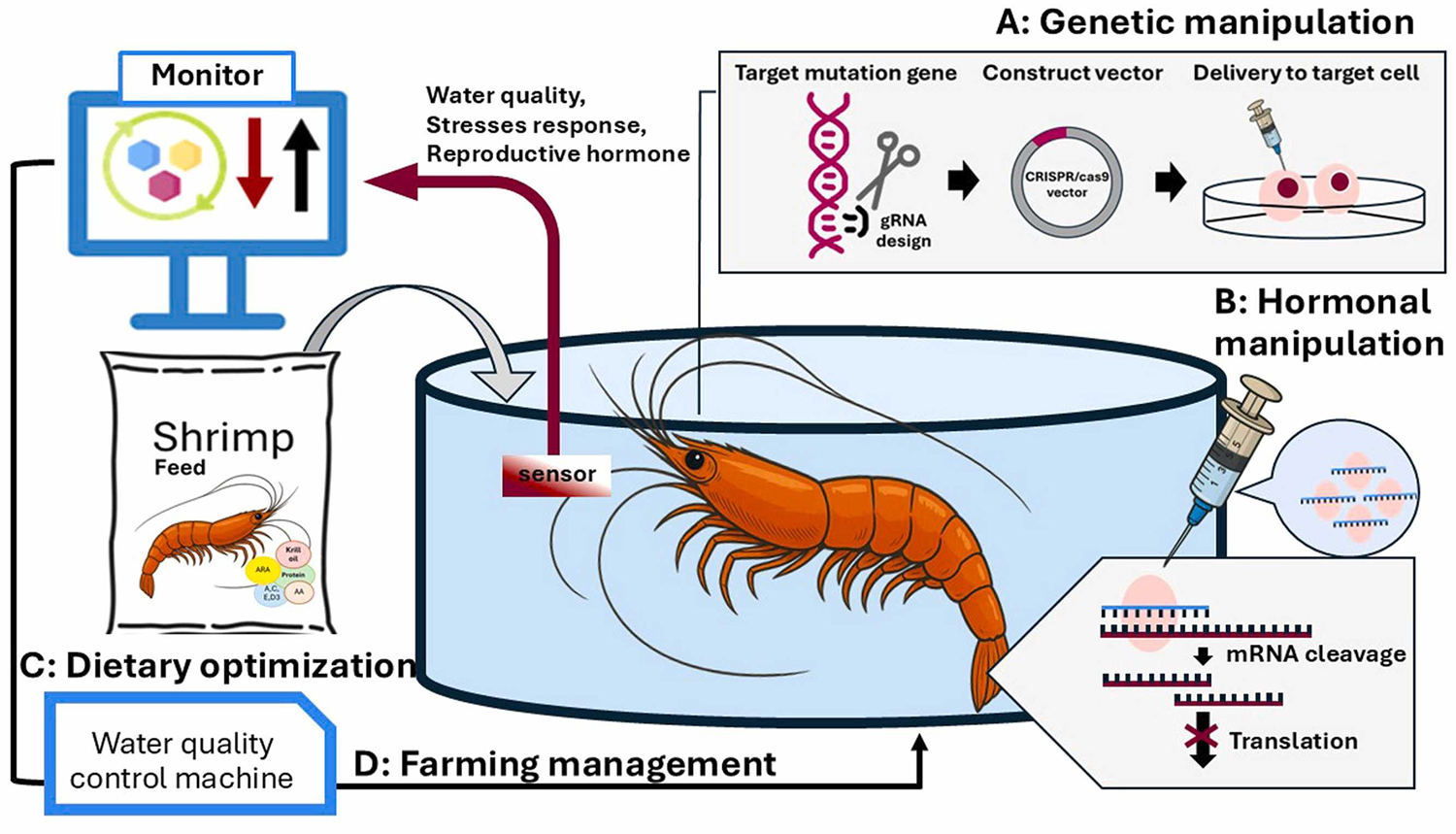
There is also a clear need to move from laboratory discoveries to real-world application. Future research should focus on validating molecular findings under commercial farming conditions and developing practical tools that hatchery managers can use. This includes identifying reliable biomarkers for maturation status and creating decision-support systems based on omics data.
Another important direction is the integration of multi-omics with other emerging technologies, such as artificial intelligence, sensor networks, and precision farming platforms. Combining detailed biological understanding with real-time monitoring could enable more responsive and data-driven management of broodstock.
In the longer term, the successful application of multi-omics could help shift shrimp aquaculture toward more natural and sustainable reproductive management. Reducing dependence on wild broodstock and invasive techniques would not only improve animal welfare but also enhance the industry’s environmental and social license to operate.
This review provides a valuable synthesis of current knowledge and a clear roadmap for future research. While challenges remain – particularly around data infrastructure and practical implementation – multi-omics approaches offer one of the most promising pathways for addressing one of shrimp aquaculture’s most persistent issues. Continued investment in this area could play a meaningful role in building a more resilient and responsible shrimp farming industry.
Unlocking functional benefits in aquafeed with innovative farming ingredients
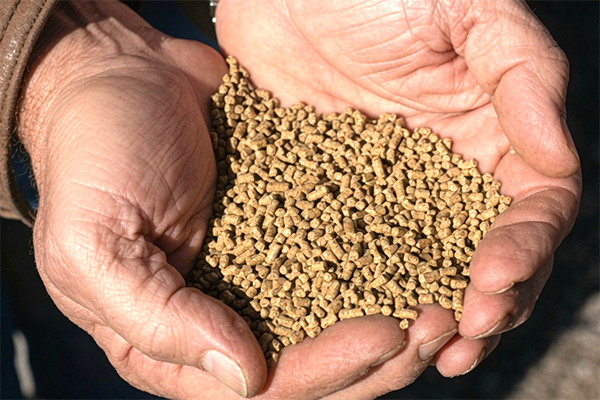
Bioactive aquafeed ingredients represent a promising strategy to support the health and performance of fed aquacultured species. Applying circular economy principles by valorizing underutilized biomasses as functional aquafeed ingredients offers a dual benefit: enhancing environmental sustainability while improving economic viability through reduced waste and lower input costs. The core idea is to turn low-value waste streams into high-value bioactive compounds that can improve fish health while supporting circular economy principles.
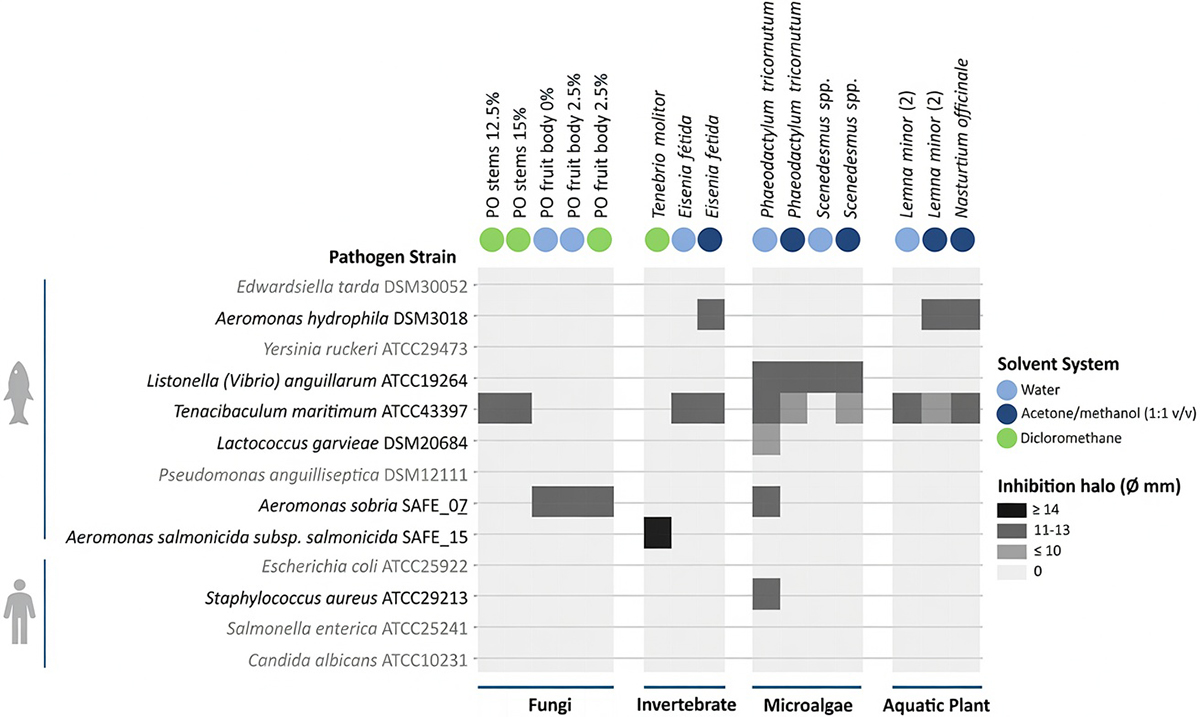
A study by R.O.A. Ozorio and colleagues at the University of Porto in Portugal evaluated waste-derived biomasses obtained from European freshwater aquaculture systems, including the oyster fungus (Pleurotus ostreatus), the yellow mealworm beetle (Tenebrio molitor), the redworm (Eisenia fetida), the diatom (microalgae) Phaeodactylum tricornutum, the green microalgae (Scenedesmus spp.), and the aquatic plants common duckweed (Lemna minor) and watercress (Nasturtium officinale).
The team evaluated the extracts for four key functional properties relevant to aquaculture:
- Prebiotic potential: Most of the tested probiotic bacterial strains showed improved growth when exposed to at least one of the biomasses, although the effects were highly strain-specific. One strain in particular responded strongly to a combination of ostreatus and T. molitor frass.
- Antimicrobial activity: Several extracts, particularly from ostreatus, T. molitor, E. fetida, and L. minor, inhibited the growth of important fish pathogens such as Aeromonas hydrophila, Listonella anguillarum, and Tenacibaculum maritimum. Inhibition zones ranged between 9 and 16 mm.
- Antioxidant capacity: Aqueous extracts from the aquatic plants performed best, with Lemna minor showing particularly strong radical scavenging activity. Microalgal extracts showed variable results depending on the solvent used, while fungi and invertebrates generally had lower antioxidant potential.
- Immunomodulatory effects: Several extracts demonstrated anti-inflammatory activity in macrophage cell assays by reducing nitric oxide production without harming the cells. Nasturtium officinale stood out for showing consistent positive results across multiple bioactivity tests.
Overall, the study demonstrates that these circular-economy-derived biomasses possess selective but meaningful functional properties. The authors conclude that such materials could serve as sustainable, cost-effective ingredients in aquafeeds, potentially helping reduce antibiotic use while improving fish health and performance. They note that in vivo feeding trials are already underway to validate these laboratory findings in actual fish diets.
Relevance of research findings to the industry
The findings are important for aquafeed manufacturers and aquaculture producers seeking more sustainable and functional feed solutions, including reducing dependence on antibiotics while maintaining or improving fish health and growth. This study shows that certain waste-derived biomasses can offer antimicrobial and immuno-modulatory benefits that may help address this need.
The work is also timely from a sustainability perspective. Many aquaculture operations already generate or have access to the types of biomasses tested (such as duckweed from ponds or microalgae grown on recirculating system effluent). Turning these into functional feed ingredients aligns well with circular economy goals and could help lower feed costs while reducing waste disposal burdens.
For feed formulators, the selective nature of the bioactivities is particularly interesting. Rather than looking for one ingredient that does everything, the results suggest that different biomasses could be strategically combined depending on the target species and the main health challenges on a given farm (for example, using one biomass for antioxidant support and another for pathogen control).
Perspectives
This research opens several interesting avenues for future work. While the in vitro results are promising, the real test will come from the ongoing in vivo trials to determine how well these functional properties translate when the biomasses are incorporated into complete diets and fed to fish under real farming conditions.
Another important consideration is scalability and consistency. Waste-derived materials can vary in composition depending on how and where they are produced. Standardizing production methods and ensuring batch-to-batch consistency will be essential if these ingredients are to be adopted at commercial scale.
From a broader perspective, this type of research supports the ongoing shift in aquaculture toward more integrated and circular production systems. Rather than viewing waste streams as problems to be managed, the study treats them as resources that can actively contribute to fish health. This is likely to become increasingly important as the industry faces growing pressure to improve both environmental performance and animal welfare.
Epigenetic mechanisms in aquaculture and fisheries: Applications and perspectives on technology and analysis
Epigenetics has developed into a powerful framework that explains how an organism’s genome interacts with and responds to environmental conditions. This review consolidates recent progress in aquatic epigenomics, showing how an interconnected system of regulatory layers – including DNA methylation, non-coding RNAs, and others – jointly influences key production traits in aquatic species. These traits, which are central to the performance and sustainability of farmed and wild populations, include growth, development, reproduction, sex determination, metabolic performance, immune competence and resilience to environmental challenges.
In a review by Guoqing Lu and colleagues at the University of Nebraska (USA), and Shanghai Ocean University and the Freshwater Fisheries Research Center (China), authors traced the conceptual shift from traditional passive genetic selection toward active environmental programming of phenotypes (observable characteristics or traits of an organism). It examines practical applications in domestication programs, broodstock improvement and enhanced disease resistance achieved through several approaches.
In addition, it critically assesses the technological and computational advances that are making these studies more accessible, ranging from enzymatic methylation sequencing (lab method that uses enzymes to detect chemical “tags” on DNA) to the emergence of non-invasive tools like epigenetic clocks (molecular “age meters” that estimate how fast an organism is biologically aging) derived from environmental DNA.
Despite its considerable potential, the field still faces important obstacles, particularly in clarifying the interactions between genetic and epigenetic variation, establishing causal links for epigenetic markers and determining the extent and mechanisms of stable transgenerational inheritance (analogous to the effects of a parent’s life being “remembered” biologically across multiple generations).
Fully harnessing epigenetics for aquaculture and fisheries management – through strategies such as epigenetic priming (like giving an animal or its parents a gentle early “warning” through mild stress or environmental signals) and microbiome-directed programming (like training the body’s biology through its tiny microbial partners) – will depend on continued interdisciplinary collaboration to incorporate epigenomic knowledge into selective breeding programs and ecosystem-level management approaches.
Relevance of research findings to the industry
The global aquaculture industry faces mounting pressures from disease outbreaks costing billions annually, climate-driven stressors such as rising temperatures and hypoxia, volatile feed costs and the slow pace of genetic improvement in species with long generation times. The findings of this study demonstrate how epigenetics offers a practical bridge between these challenges and actionable solutions by showing how environmental cues shape commercially vital traits through various technologies like DNA methylation, histone modifications, non-coding RNAs and chromatin architecture.
Rather than relying solely on traditional selective breeding, the study highlights a paradigm shift toward proactive environmental programming. Early-life nutritional interventions, temperature regimes and controlled microbial exposures can induce beneficial epigenetic states that enhance growth, feed efficiency, metabolic resilience, sex determination, reproductive performance and immune defense. These approaches are especially relevant for high-volume species such as tilapia, shrimp, salmon and carps, where even modest gains in survival or feed conversion translate into substantial economic and environmental benefits.
Epigenetic priming and microbiome-mediated programming could support more sustainable disease-management strategies, while advances in accessible technologies make these insights increasingly scalable for both large commercial operations and smaller producers. Non-invasive monitoring tools also hold promise for real-time health assessment in aquaculture production systems.
Although challenges remain in validating causal markers, confirming transgenerational stability, and integrating epigenomic data with existing genomic selection programs, the review makes a compelling case that epigenetic insights can accelerate the transition to precision aquaculture. By enabling faster, more responsive trait improvement and climate adaptation, this work directly supports global goals of increased production, reduced environmental impact and greater resilience in aquatic food systems.
Perspectives
Epigenetics connects environmental conditions with the genome, providing powerful new tools to tackle key challenges in aquaculture and fisheries. The use of several novel technologies can improve important traits – including environmental adaptation, reproduction and disease resistance – often more effectively than traditional genetic approaches. Innovations like epigenetic clocks are already supporting more sustainable fisheries management.
While accessible next-generation sequencing (NGS; a fast, powerful lab technology that reads millions of DNA pieces at the same time and lets scientists quickly and affordably decode the complete genetic instructions of an organism) and bioinformatics advances are accelerating progress in the field, significant challenges remain. These include clarifying the complex interactions between genetic and epigenetic factors and expanding genomic resources for many understudied species.
Future progress will require integrated multi-omics (combining information from genes, proteins and how the body works to see the full picture of how an organism grows, stays healthy, or responds to its environment) frameworks that link phenotype, genotype, environment, and epigenome data, the development of robust epigenetic markers through epigenome-wide association studies (EWAS) for breeding programs and environmental DNA monitoring, and continued advances in bioinformatics and supporting technologies. These steps will strengthen our understanding of aquatic biology and help drive sustainable, resilient practices that enable aquaculture and fisheries to thrive amid global change.
Now that you've reached the end of the article ...
… please consider supporting GSA’s mission to advance responsible seafood practices through education, advocacy and third-party assurances. The Advocate aims to document the evolution of responsible seafood practices and share the expansive knowledge of our vast network of contributors.
By becoming a Global Seafood Alliance member, you’re ensuring that all of the pre-competitive work we do through member benefits, resources and events can continue. Individual membership costs just $50 a year.
Not a GSA member? Join us.
Author
-

Editor Emeritus
Related Posts
Aquafeeds
Bioactivity of black soldier fly larvae meal
Black soldier fly larvae meal has anti-inflammatory molecules that may alleviate inflammation but is outperformed by quercetin in this capacity.
Health & Welfare
Improving the health and Fusarium resistance of Pacific white shrimp through dietary supplementation
Adding glucan and fructooligosaccharides optimally enhances growth and antioxidant activities, non-specific immunity and disease resistance of L. vannamei.
Intelligence
Catch & Culture Review: Precision aquaculture can shape greater advancements in aquaculture
Precision aquaculture needs testing interdisciplinary innovations as complete operational systems that consistently deliver scalable benefits for farms.
Health & Welfare
Effects of cold stress on hemolymph characteristics of Pacific white shrimp
Responses to enhance cold tolerance included regulating changes in genes, metabolites and amino acid and lipid metabolism to increase energy supply.