


Catch & Culture Review: How deoxygenation in the ocean impacts Pacific halibut fisheries, with ecological and economic projections

Study findings show that, under up to a 40 percent reduction in dissolved oxygen and a 30 percent temperature increase by 2100, halibut biomass could decrease by 66 to 89 percent
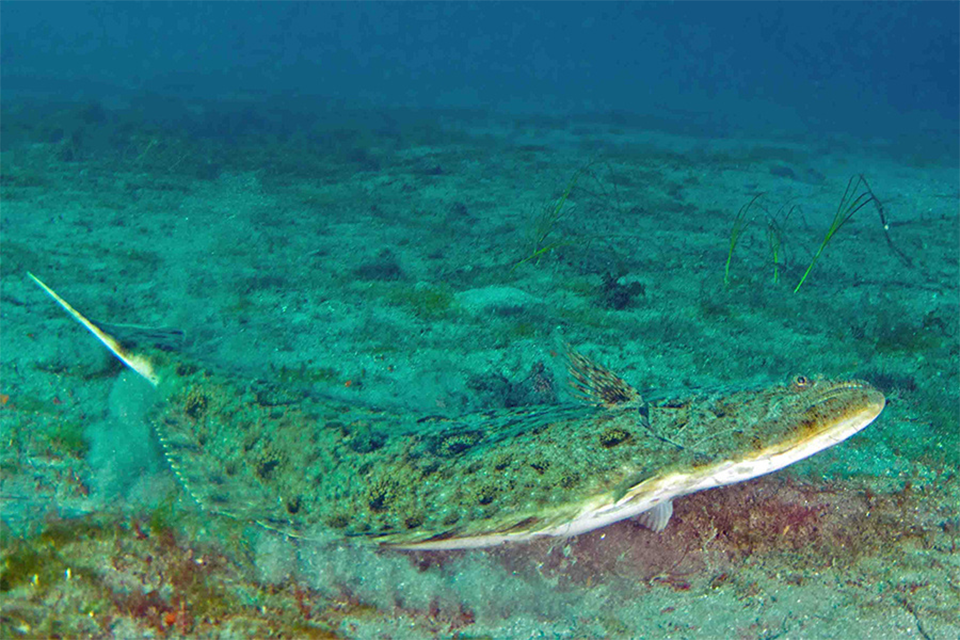
Over the past century, the ocean has been losing oxygen and the pace has picked up because of climate change-driven warming, ocean acidification and human activities like farming and wastewater that dump extra nutrients into the sea. This deoxygenation is changing marine ecosystems and putting real pressure on communities that rely on fishing for their income and way of life.
Fish are very sensitive to oxygen levels in the water. When oxygen drops, it can increase death rates, slow growth and reduce how many fish are available overall. However, turning these biological changes into clear economic numbers is difficult because the connections between ocean chemistry and actual financial impacts are still uncertain.
A study by Hongsik Kim and colleagues at the University of British Columbia in Canada focused specifically on the Pacific halibut (Hippoglossus stenolepis) fishery in British Columbia and looked ahead from 2020 to 2100. It involved the construction of a combined model that links three factors: how fish metabolism responds to lower oxygen and higher temperatures, how halibut populations (biomass) are likely to change over time, and the economic value of the fishery based on sustainable harvest levels.
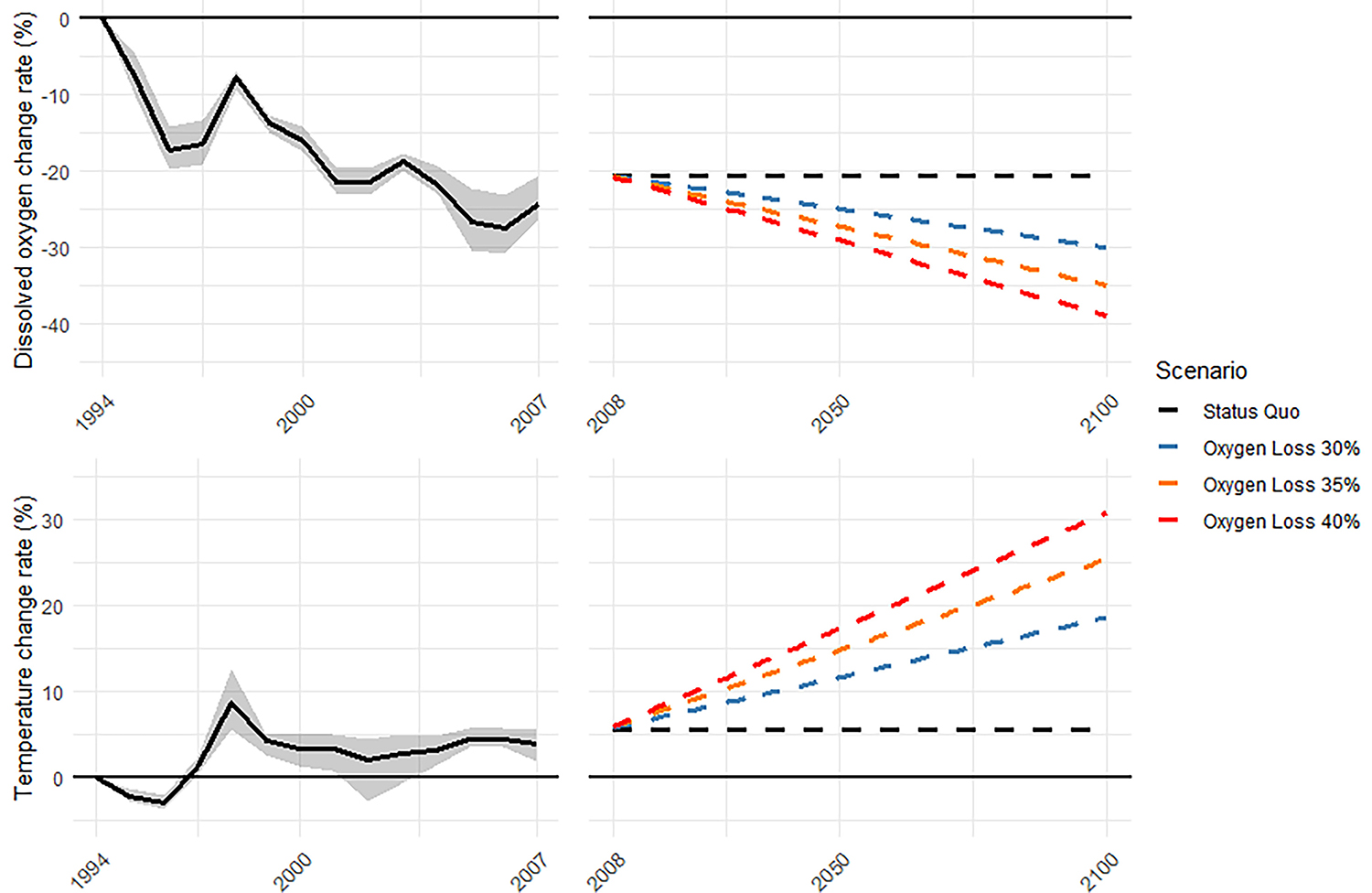
Research projections show that by 2100, dissolved oxygen could fall by as much as 40 percent while temperatures rise by about 30 percent compared with 1994 levels. Under these conditions, Pacific halibut biomass could decline between 66 and 89 percent. That drop in fish abundance could lead to roughly CAD$100 million (U.S.$70 million) in lost revenue for the fishery by the end of the century.
![Ad for [BSP]](https://www.globalseafood.org/wp-content/uploads/2025/07/BSP_B2B_2025_1050x125.jpg)
The fishery is expected to stay relatively stable until around 2050, but after that the accelerating loss of oxygen is likely to trigger much sharper declines. In addition to the direct losses felt by fishers, ripple effects through processing plants, distributors, and other parts of the supply chain could add another CAD$197 million in economic damage by 2100.
Because of these findings, the study calls on the International Pacific Halibut Commission (IPHC) to start weaving adaptation and mitigation strategies into their management plans now, so the fishery can better cope with ongoing deoxygenation and warming.
Relevance of research findings to the industry
This study presents a discrete-time bioeconomic model that connects the stock-drawdown phase with long-term equilibrium conditions by treating fishing effort as an exogenous (external cause) trajectory. By framing the surplus biomass above the optimal level as an “endowment,” the model illustrates how its gradual depletion drives fishery dynamics, particularly the buildup of excess capacity. The framework allows year-to-year tracking of effort, catch, biomass and economic performance, making it suitable for both developing fisheries and stock rebuilding scenarios.
A major strength of the model is its explicit focus on transitional dynamics. It estimates the time required to reach long-term targets (maximum sustainable yield biomass, BMSY ; or biomass for maximum economic yield, BMEY), quantifies the emergence and persistence of excess capacity, and shows why economic indicators may fail to signal biological risks. The model is flexible, allowing biological, technical and economic parameters to change over time, which supports scenario analysis under climate-driven productivity shifts, technological changes in catchability, market fluctuations and varying levels of effort control.
Scenario results reveal that climate-induced productivity declines reduce yields and profits while shortening the time to optimal biomass. In contrast, higher catchability, fish prices, or effort growth accelerate depletion and significantly increase excess capacity. The model also shows that rapid adjustment to equilibrium can create severe overcapacity when fishing capital is non-malleable, and that rising costs can make MSY-level fishing unprofitable for low-margin fisheries.
Key management insights suggest that excess capacity and overfishing can arise naturally during stock drawdown, not only from open access. Because technological improvements can mask stock decline by sustaining high catch rates, this could indicate that limited entry programs alone are often insufficient without effective catch controls. However, while useful for proactive management, the model relies on simplifying assumptions, including exogenous effort and simplified catchability and does not account for age structure, spatial dynamics, or ecosystem interactions.
Perspectives
This study offers a comprehensive, long-term view of what ocean deoxygenation and warming could mean for the Pacific halibut fishery off British Columbia. By bringing together ocean models, fish biology and economic analysis, the research shows that under a high-emissions future, oxygen levels in the study area could drop by as much as 40 percent while temperatures rise by up to 30 percent by 2100 (compared with 1994 levels). These changes are projected to cause major declines in halibut biomass – between 66 and 89 percent loss in spawning stock – and up to an 88 percent drop in maximum sustainable yield.
One of the study’s most important takeaways comes from the sensitivity analyses: the issue discussed is not a problem that can be fully solved through fishery management alone. Even with more cautious harvest rules and the possibility of higher prices caused by scarcity, the ecological pressure from lower oxygen creates a hard limit. Standard management tools can help slow down the damage, but they cannot prevent significant long-term decline on their own.
Overall, the findings of this study underscore the need to look beyond traditional quota adjustments. They point to the value of combining stronger climate mitigation efforts – to slow deoxygenation and warming at the source – with practical adaptation strategies for the fishing industry and coastal communities. The recommendation is to prepare for these changes now, rather than reacting later, essential to protect both the resource and the livelihoods that depend on it.
Aligning fishing effort with the abundance-size spectrum for tropical tuna management
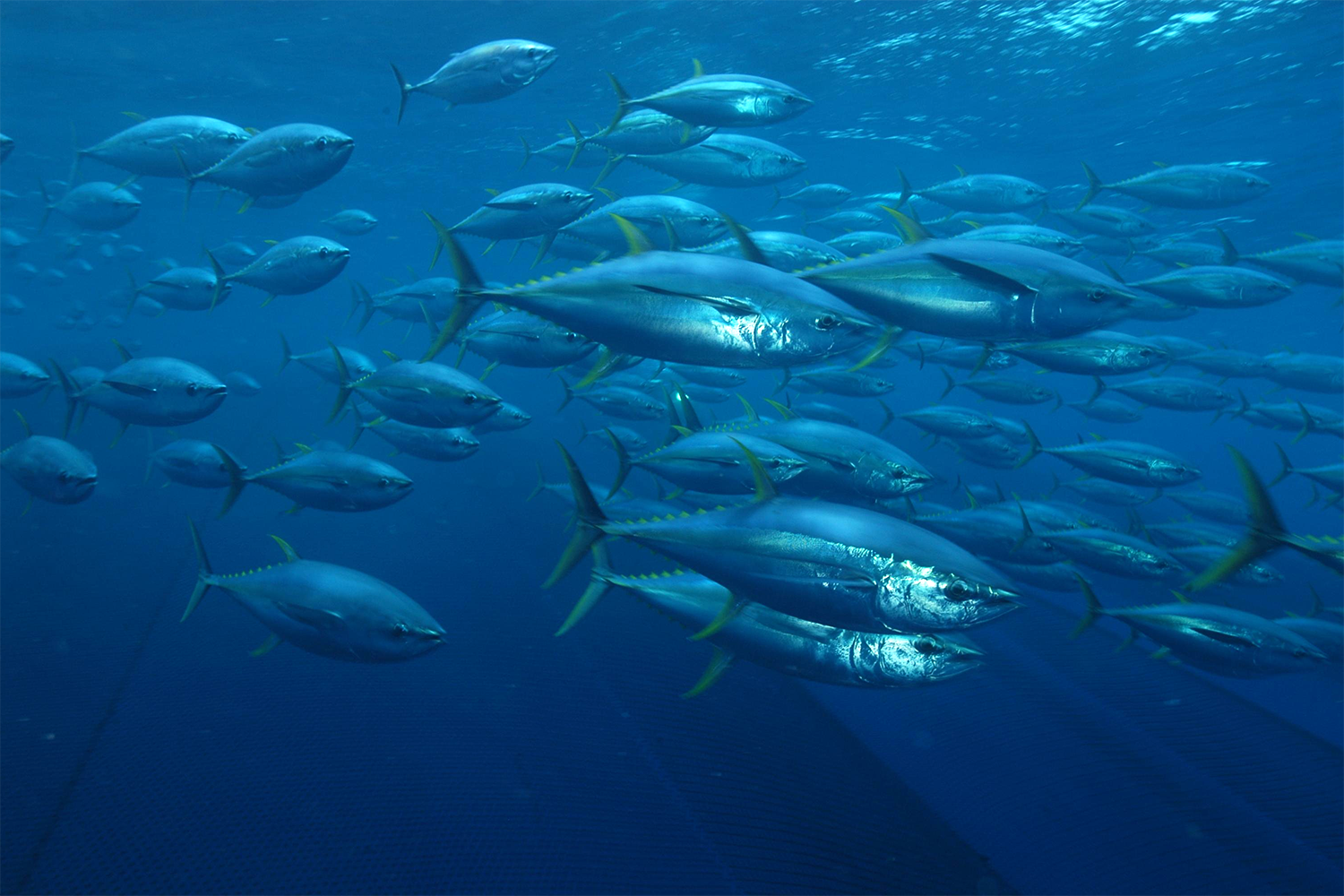
The ecosystem approach to fisheries is widely seen as an important long-term goal, but there is still debate about how best to define and apply it in practice. Most current management systems focus on individual species and use technical measures mainly to reduce bycatch. However, this selective approach can change the natural mix of species and sizes in the ecosystem, which may affect its overall health and resilience.
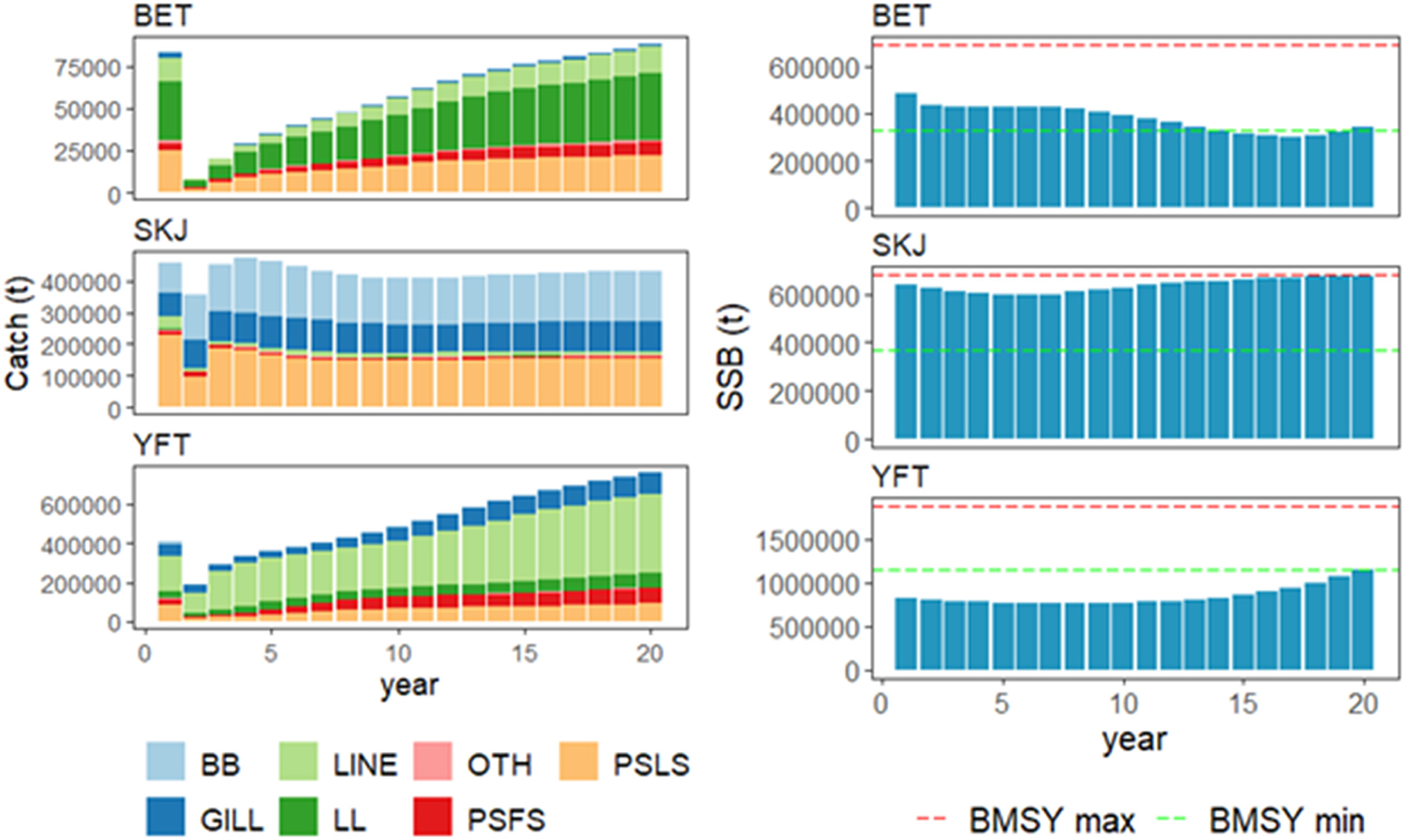
Research by Alex Tidd and colleagues at MARBEC Univ Montpellier in France presents a proof-of-concept model based on the idea of balanced harvesting. The model spreads fishing pressure across three key tuna species in the Indian Ocean – yellowfin, skipjack and bigeye tunas – in proportion to their natural size and biomass patterns. It uses length-based population models to optimize how much fishing effort should be allocated to different gears (such as purse seine free-school and log-school sets). The main objective is to keep each tuna stock at or near its maximum sustainable yield biomass (BMSY) while also maintaining the natural size-abundance structure of the ecosystem. The model runs a 20-year simulation by adjusting fishing mortality rates for each fleet.
The results show that fishing mortality can be reduced across most fishing gears compared with 2020 levels. Some gears perform better than others under the optimized approach: purse seine fishing on free schools produces catches and revenues increased by 146 percent, while log-school (associated with fish aggregation devices, FADs) fishing experiences a 22 percent decline. Overall, when the fishery operates at BMSY levels with this balanced strategy, total catches rise by 34 percent and total revenues increase by 51 percent compared to 2020 levels.
Overall, this research demonstrates that it is possible to manage fishing fleets in a way that keeps individual tuna stocks within sustainable biomass limits while also preserving broader ecosystem structure – a key aim of the ecosystem approach to fisheries.
Relevance of research findings to the industry
For tuna companies and vessel operators in the Indian Ocean, particularly purse seine fleets, the study’s findings have immediate practical implications. Many vessels currently depend on FAD-associated (log-school) fishing for its efficiency and predictability. The model indicates that shifting some effort toward free-school fishing could improve overall profitability while easing pressure on tuna stocks. However, this transition would affect some fishers; for example, vessels specialized in log-school fishing would likely experience reduced catches and would need to adapt by changing strategies, fishing grounds, or gear.
Processors and traders would also be affected. While higher overall catches under a balanced approach could provide more stable long-term supply, changes in the size composition of catches may impact processing yields, product quality, and market pricing.
For regional management bodies like the Indian Ocean Tuna Commission (IOTC), this research offers useful evidence that sustainability targets (such as maintaining stocks at BMSY) can be achieved while also protecting broader ecosystem structure, supporting ecosystem-based management goals and providing supporting material for companies pursuing sustainability certifications.
Overall, the findings highlight important trade-offs between different fleet segments. Any shift toward more balanced fishing would require careful coordination among fishers, vessel owners and managers to ensure fairness and limit short-term economic disruption.
Perspectives
This study shows that a balanced harvest approach can be effectively applied to tropical tuna fisheries in the Indian Ocean. The results indicate that some initial reductions in fishing pressure, particularly on fleets targeting larger fish, are necessary to rebuild stocks and achieve higher long-term catches and revenues. By examining the fishery from a fleet perspective, the model illustrates how different gears interact through their size selectivity and how they can collectively meet species-specific biomass targets while promoting a more balanced ecosystem structure.
The main limitation of the model is that it assumes equilibrium conditions and does not account for annual variations in recruitment or environmental factors. It is not intended to replace full stock assessments but serves as a complementary tool, using existing IOTC BMSY reference points to explore gear-specific fishing patterns that support long-term rebuilding under a balanced-harvest strategy.
In general, the results offer practical guidance for managers considering output-based measures such as effort controls, TACs, or fleet-specific fishing mortality limits. These tools could help reduce overfishing risks and strengthen ecosystem resilience. However, extending the framework to include neritic tunas, billfishes and sharks would require data that are currently unavailable. This highlights the broader challenge that fisheries management remains largely focused on target species, while a true ecosystem-based approach is still developing. This work contributes to that ongoing shift.
Approaches to defining sustainable management targets in fisheries facing climate change
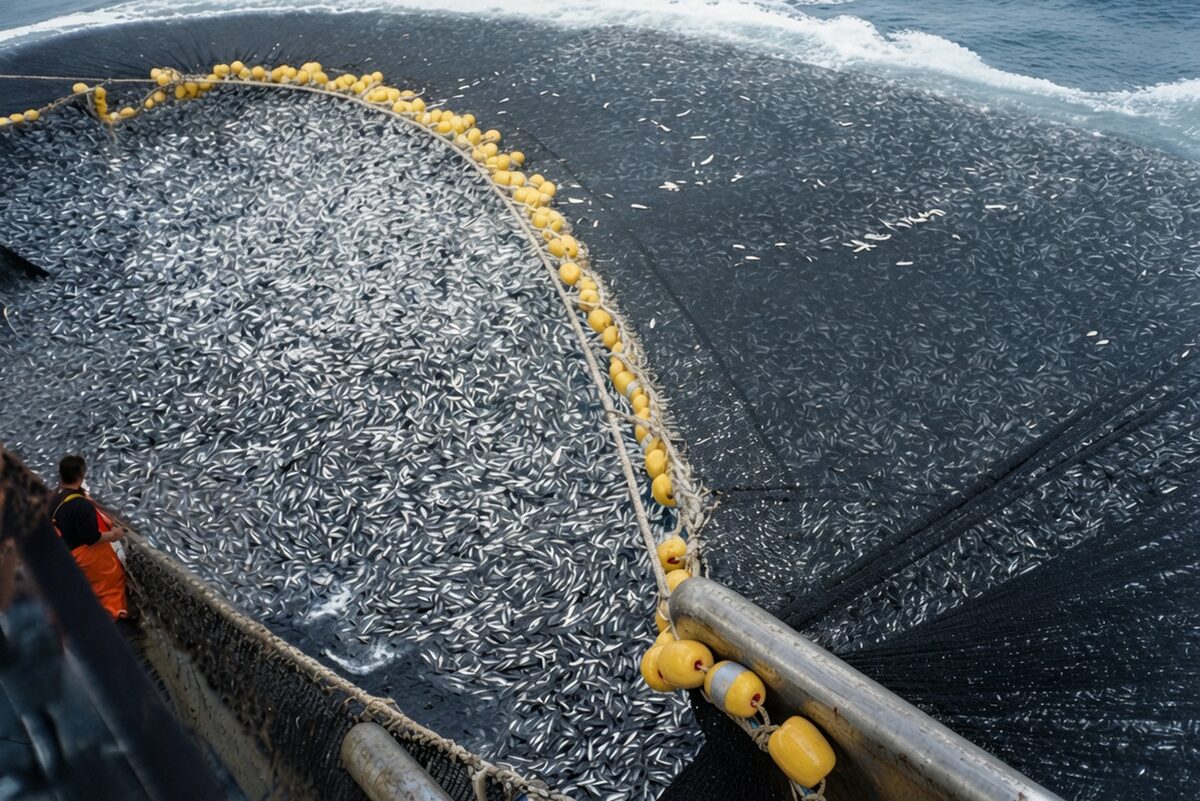
Long-term fishery management targets are usually based on the idea of optimal equilibrium production, such as maximum sustainable yield (MSY) or maximum economic yield (MEY). However, most fisheries cannot reach these targets directly. Instead, they typically go through a transitional “stock-drawdown” phase, during which the stock is reduced from its initial biomass level down to the optimal biomass that supports long-term sustainable harvests.
Most existing dynamic bioeconomic models focus primarily on long-term equilibrium conditions or open-access outcomes. As a result, they offer limited insight into how long it takes to reach optimal targets or how and why excess capacity develops during the transition.
A study by Minling Pan and David Tomberlin from NOAA Fisheries (USA) introduces a discrete-time dynamic bioeconomic model that explicitly accounts for both the stock-drawdown phase and the subsequent equilibrium phase. For any given fishery, the model can estimate: (1) the time required to reach optimal management targets (MSY or MEY); (2) the magnitude and persistence of excess capacity that emerges during the transition; and (3) the potential time to stock collapse if no management is applied.
During the drawdown phase, when starting biomass is higher than the optimal level, the surplus biomass (referred to as the fishery’s “endowment”) is gradually harvested. In this period, both catches and fishing effort often exceed the levels that would be sustainable in the long run. This commonly leads to the buildup of excess fishing capacity that can persist for many years.
Using scenario analysis, the model examines how fishery dynamics and economic performance are affected by climate-driven declines in productivity, as well as other real-world challenges such as increasing catchability due to technological advances, fluctuations in fish prices and harvesting costs and varying levels of local effort control. Authors suggest that the framework provides fisheries managers with a practical tool for understanding transition dynamics and supporting more proactive, forward-looking management decisions.
Relevance of research findings to the industry
For fishing fleets, processors, and fishing communities, this discussion has very practical implications. When management targets are based on outdated assumptions, the consequences can be significant. If targets are set too high because they don’t account for declining productivity, stocks can be overfished, leading to lower future catches and economic hardship. On the other hand, if targets are set too conservatively without good data, fishers may be unnecessarily restricted from harvesting available fish, reducing income and economic activity in coastal regions.
The emphasis on dynamic and precautionary targets suggests that the industry should expect more frequent adjustments to quotas and fishing limits as better climate-informed science becomes available. This could mean greater year-to-year variability in total allowable catches (TACs; the maximum amount of fish that can be caught in a specific time period), which makes planning of operations and business more difficult but also reduces the risk of sudden, large collapses in fished stocks.
For regional fisheries management organizations and national agencies, the findings reinforce the importance of investing in improved monitoring and modeling. Fleets that operate in areas experiencing rapid change (such as the North Pacific or parts of the Atlantic) are likely to feel these effects first. Companies that can adapt quickly – for example by diversifying target species or fishing grounds – may be better positioned than those locked into traditional operations.
The work also highlights that purely biological targets are no longer sufficient. Economic considerations and ecosystem-level effects must be factored in, which aligns with the broader push toward ecosystem-based fisheries management. This could eventually influence everything from vessel investment decisions to international allocation negotiations.
Fisheries in Focus: Where does fishing effort go when an MPA is established?
Perspectives
This study develops a discrete-time bioeconomic model that links the stock-drawdown phase with long-term equilibrium by treating fishing effort as an exogenous trajectory. It introduces the concept of an “endowment” — the surplus biomass above the optimal level — and shows how its gradual depletion drives fishery dynamics, particularly the buildup of excess capacity. The model enables year-to-year tracking of effort, catch, biomass and economic performance, making it applicable to both developing fisheries and stock rebuilding.
A key strength is its focus on transitional dynamics. It estimates the time needed to reach long-term targets such as BMSY or BMEY, quantifies the emergence and persistence of excess capacity, and explains why economic signals may fail to warn of biological risks. The model is flexible, allowing biological, technical, and economic parameters to vary over time. This supports scenario analysis under conditions like climate-driven productivity changes, technological improvements in catchability, market fluctuations and different levels of effort control.
The scenario results show that climate-induced productivity declines reduce yields and profits while shortening the time to optimal biomass. In contrast, higher catchability, fish prices, or effort growth accelerate depletion and significantly increase excess capacity. The model also demonstrates that rapid adjustment to equilibrium can cause severe overcapacity when fishing capital is non-malleable, and that rising costs can make MSY fishing unprofitable in low-margin fisheries.
Overall, the findings indicate that excess capacity and overfishing can arise naturally during stock drawdown, not solely from open access. Technological advances can mask stock decline by sustaining high catch rates, suggesting that limited entry programs alone are often insufficient without effective catch controls. While useful for proactive management, the model relies on simplifying assumptions – including exogenous effort and simplified catchability – and does not incorporate age structure, spatial dynamics, or ecosystem interactions.
Now that you've reached the end of the article ...
… please consider supporting GSA’s mission to advance responsible seafood practices through education, advocacy and third-party assurances. The Advocate aims to document the evolution of responsible seafood practices and share the expansive knowledge of our vast network of contributors.
By becoming a Global Seafood Alliance member, you’re ensuring that all of the pre-competitive work we do through member benefits, resources and events can continue. Individual membership costs just $50 a year.
Not a GSA member? Join us.
Author
-

Editor Emeritus
Related Posts
Fisheries
Recent and projected climate change-induced expansion of Atlantic halibut in the Northwest Atlantic
Shifting Atlantic halibut distribution and abundance patterns are linked to thermal conditions. Continuing warming will expand habitat.

Fisheries
A deep learning model for short- and medium-term predictions of spatiotemporal distribution of marine fishing effort
A deep learning model to predict fishing effort can simultaneously interpret and integrate fishing intensity and environmental factors.

Intelligence
Aquaculture now supplies most of the fish people eat, but climate change and overfishing remain threats to the seafood industry
FAO’s SOFIA 2026 report highlights record seafood production, growing trade and rising climate change-related risks.

Fisheries
Assessing the effect of seafloor plastic litter on fishing economic performance and commercially important Mediterranean species
Study suggests a threshold level of seafloor plastic litter density to ensure the sustainability and profitability of commercial fishing.