


Catch & Culture Review: Ocean shifts are shaping yellowfin tuna productivity in the Pacific

Results highlight the value of integrating environmental data into fisheries assessment and management frameworks
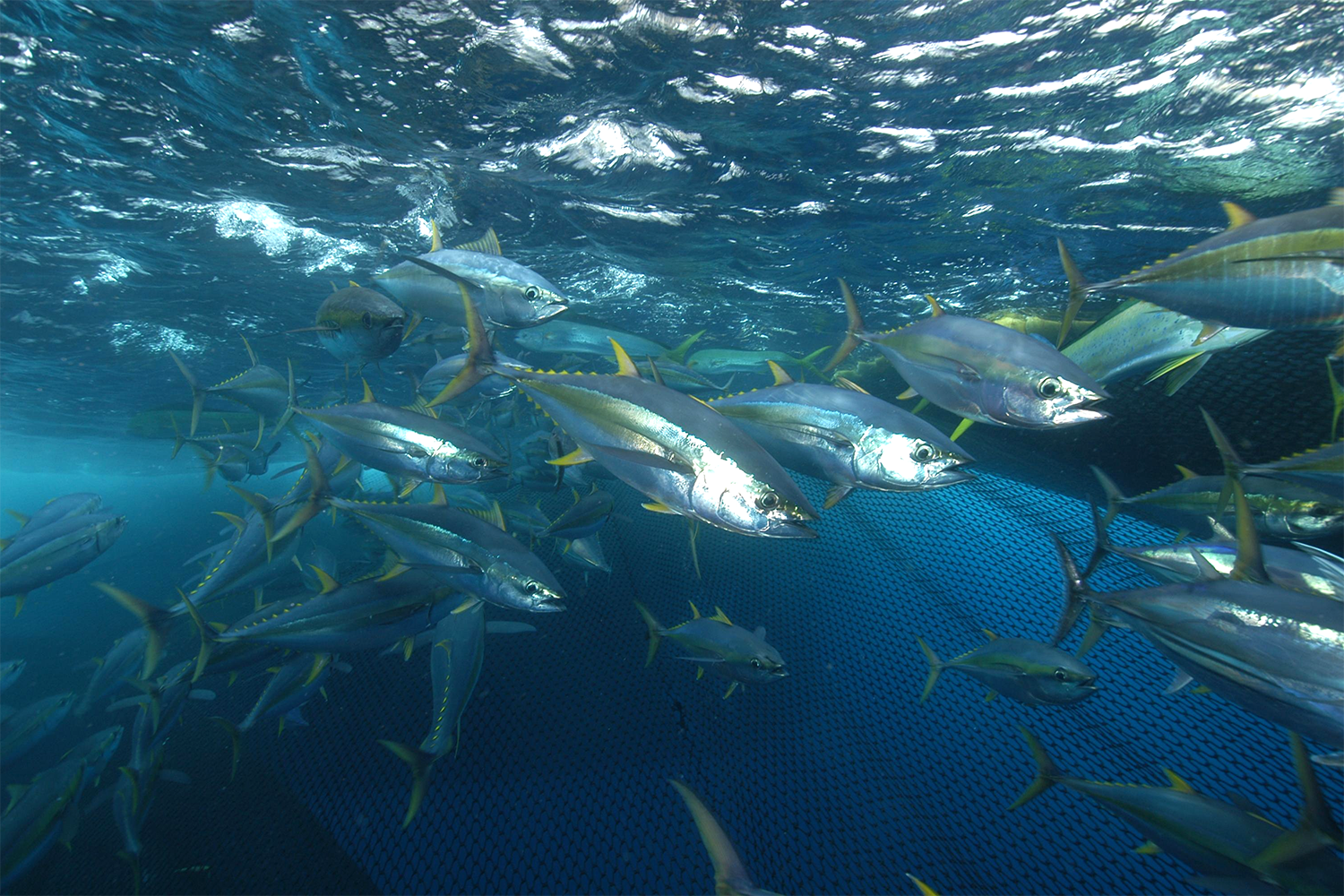
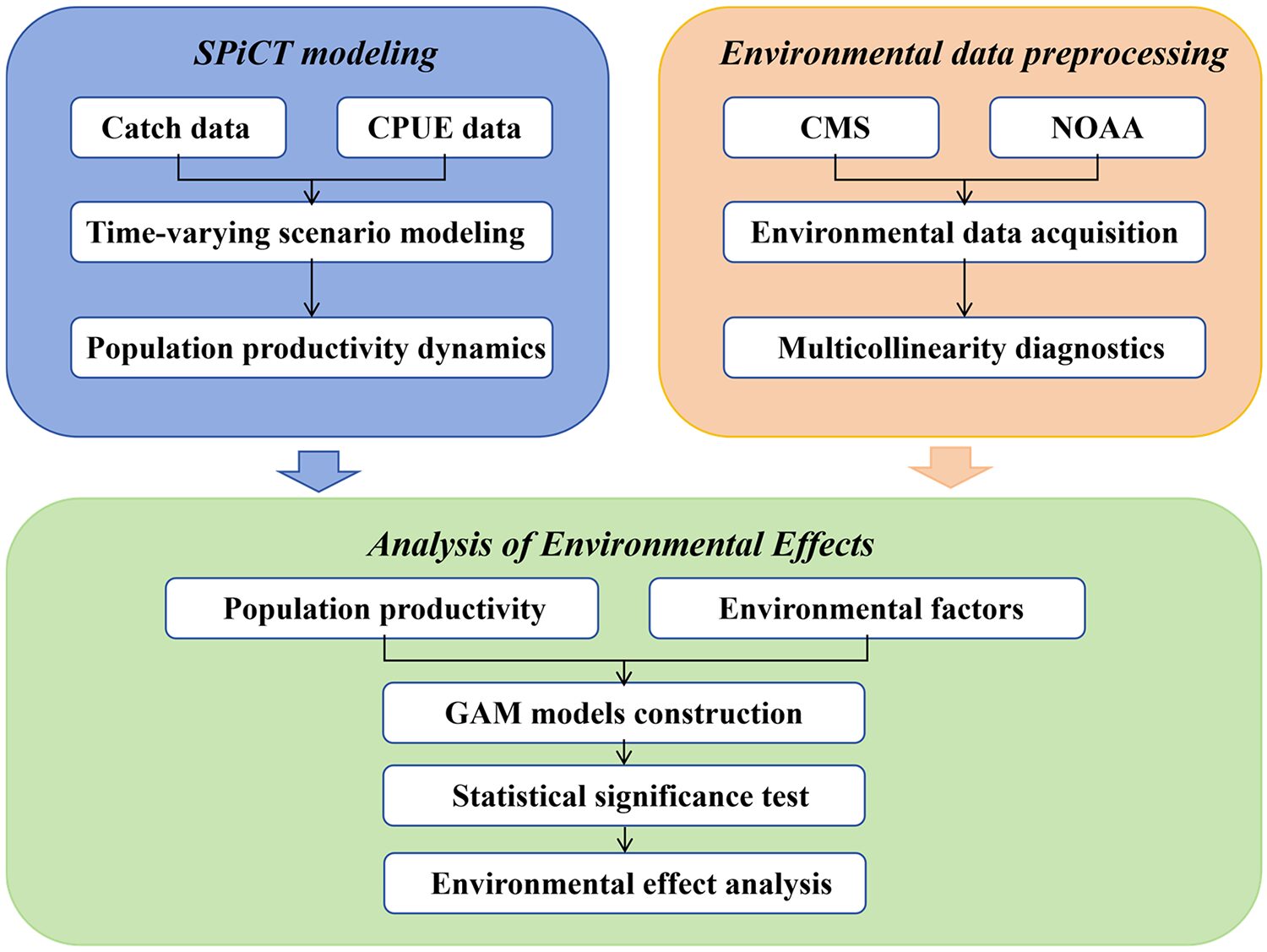
Assessing temporal changes in population productivity is essential for the effective management of pelagic fish stocks in a changing climate. In this investigation, a stochastic surplus production model in continuous time (SPiCT; it models stock dynamics and the dynamics of the fisheries) with time-varying parameters was used to investigate the productivity dynamics of yellowfin tuna (Thunnus albacares) in the western and central Pacific Ocean and to assess how environmental variability influences productivity.
A study by Jianfeng Zhu and colleagues in China and the United States explored multiple scenarios of time-varying parameterization to account for uncertainties in productivity estimates and the associated biological reference points. Applied generalized additive models were then applied to quantify the relationships between environmental variables and the time-varying productivity.
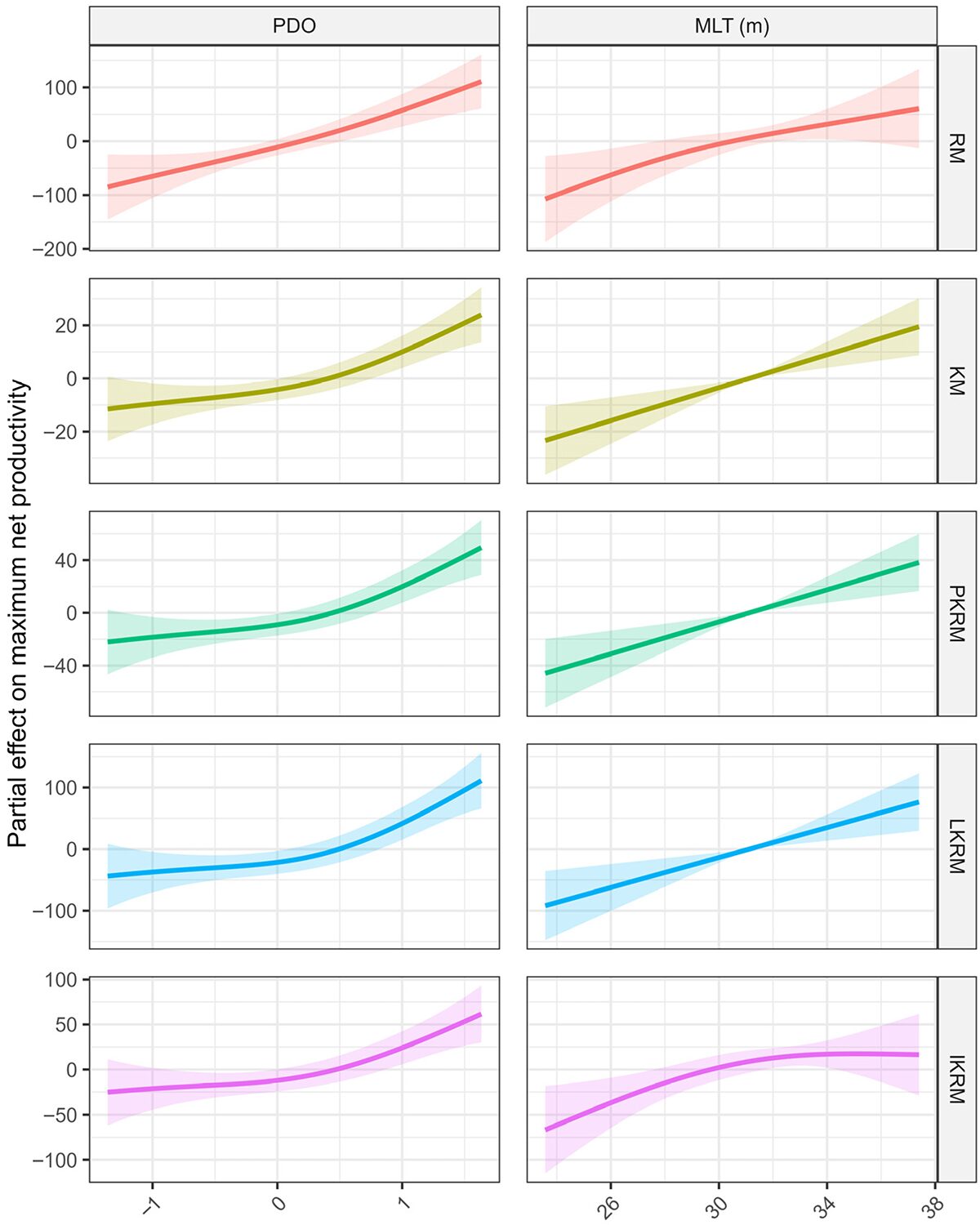
The results show that productivity estimates display consistent temporal patterns across different modeling scenarios, although their magnitude and associated uncertainty are sensitive to the model structure. Among the environmental factors examined, the Pacific Decadal Oscillation (PDO; a strong, recurring pattern of ocean-atmosphere climate variability centered over the mid-latitude Pacific Ocean) and mixed layer thickness (MLT) exhibited consistent and statistically significant associations with maximum net productivity. Higher PDO values and greater MLT were both positively linked to population productivity.
Overall, these findings underscore the important role of environmental variability in driving time-varying productivity in yellowfin tuna and demonstrate the feasibility of integrating key environmental indicators into a state-space modeling framework. This approach offers a useful complementary tool for understanding stock dynamics and can help inform the development of ecosystem-based fisheries management strategies in the western and central Pacific.
![Ad for [membership]](https://www.globalseafood.org/wp-content/uploads/2025/07/membership_web2025_1050x125.gif)
Relevance of research findings to the industry
For the commercial tuna sector – spanning distant-water longliners, purse-seine fleets, and Pacific Island coastal communities – these findings carry immediate practical weight. The Western and Central Pacific Ocean (WCPO) yellowfin fishery boosts livelihoods and export revenues worth billions annually; even modest shifts in productivity can translate into large swings in quotas, catch rates and market supply. By showing that PDO phases and changes in ocean stratification (via MLT) reliably signal periods of higher or lower productivity, the study gives managers at the Western and Central Pacific Fisheries Commission (WCPFC) a concrete way to move beyond static reference points.
Industry players could soon incorporate real-time climate indices into forecasting tools, allowing more responsive quota adjustments and effort controls. For example, during a negative PDO phase, precautionary lower catch limits might prevent localized depletion even when overall biomass appears to be healthy. Processors and traders would also benefit from better advance notice of abundance trends, thus smoothing supply-chain volatility.
Perhaps most importantly, this research lends strong support to ecosystem-based fisheries management (EBFM), encouraging the integration of oceanographic monitoring with traditional stock assessments – an approach that could reduce economic surprises and build resilience against the accelerating pace of climate change.
Perspectives
This study used surplus production models with time-varying parameters to assess yellowfin tuna productivity in the western and Central Pacific Ocean and to examine the effects of environmental variability. Across different time-varying scenarios, the model results consistently show that environmental variability plays a substantial role in driving temporal changes in population productivity.
In particular, the Pacific Decadal Oscillation (PDO) and mixed layer thickness (MLT) displayed statistically significant and consistent associations with maximum net productivity. Higher PDO values were linked to increased productivity, while greater mixed layer thickness was generally associated with higher production potential. These patterns highlight the sensitivity of yellowfin tuna productivity to basin-scale climate variability and upper-ocean conditions.
The findings indicate that incorporating key environmental indicators into surplus production models can improve the interpretation of productivity dynamics without markedly increasing model complexity. More broadly, the results emphasize the value of ecosystem-informed approaches for understanding and managing pelagic fish stocks in a changing climate, and they demonstrate the potential benefits of integrating environmental information into fisheries assessment and management frameworks.
Can puerulus fisheries support spiny lobster aquaculture in Southeast Asia?
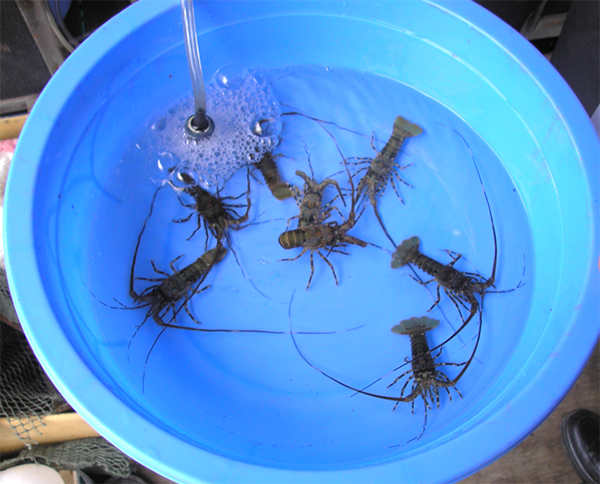
Spiny lobster aquaculture in Southeast Asia is one of the most economically valuable and socially significant forms of small-scale coastal aquaculture worldwide. Unlike most aquaculture sectors, production in Vietnam, Indonesia and the Philippines has relied almost entirely on wild-caught pueruli (postlarval lobsters) rather than hatchery-produced seedstock. This dependence on wild seed has sparked ongoing debate about biological sustainability, environmental risks and alignment with responsible aquaculture standards.
This research by Clive M. Jones and coworkers from Australia, Vietnam and Indonesia synthesizes over two decades of regional production data, fisheries observations, larval biology research, population genetics and oceanographic modeling to assess the sustainability of puerulus fishing in Southeast Asia.
The results show that many major settlement areas act as recruitment sinks, featuring extremely high natural mortality and weak links between local settlement and local adult spawning biomass. Under these conditions, harvesting pueruli before they experience inevitable natural mortality is unlikely to harm adult lobster stocks, provided the fishery is spatially targeted and properly regulated.
Findings also demonstrate that puerulus fisheries have exceptionally low environmental impact while supporting substantial livelihood benefits for coastal communities. The authors conclude that wild seed fisheries, when supported by effective governance frameworks, offer a legitimate and sustainable basis for crustacean aquaculture as the sector transitions toward commercial hatchery technologies.
Relevance of research findings to industry
For the spiny lobster aquaculture sector in Southeast Asia, these insights carry significant practical value. The industry supports small-scale coastal operators who depend on reliable, affordable seed to produce premium live lobsters prized in Chinese and other markets. By demonstrating that well-managed puerulus fisheries can be biologically neutral or even complementary to wild stocks, this study provides a stronger scientific foundation for defending current practices against criticism and for designing better regulations.
Operators and governments can use the findings to prioritize “sink-targeted” harvesting – focusing effort where natural wastage is highest – while implementing simple controls like seasonal or lunar-period limits, species monitoring and catch-per-unit-of-effort (CPUE; an indirect measure of the abundance of a target species) tracking where feasible. In Vietnam, where the model is most mature, stable seed supplies have enabled consistent production and economic returns; similar approaches could help Indonesia scale up responsibly and support the Philippines’ emerging efforts.
Feed and husbandry improvements remain critical pain points, as does reducing environmental side-effects from trash-fish use. The study indirectly encourages investment in better grow-out practices and stock enhancement (releasing cultured juveniles) to bolster resilience. For policymakers at national and regional levels, including bodies like the Southeast Asian Fisheries Development Center (SEAFDEC), this research underscores the need for transboundary cooperation given larval dispersal patterns, and for governance frameworks that avoid blunt prohibitions that drive activity underground. Overall, the results position wild-seed fisheries as a sustainable pillar during the long transition to hatcheries, helping safeguard jobs and export income while minimizing ecological harm.
Perspectives
Spiny lobster aquaculture in Southeast Asia is a rare example of a high-value, small-scale aquaculture sector that delivers substantial livelihood benefits with a minimal environmental footprint.
The evidence strongly indicates that puerulus fisheries supporting this sector can be sustainable when they are spatially targeted, well-regulated and co-managed. Environmental risks stem mainly from grow-out practices rather than from seed collection itself.
Policy frameworks should therefore move away from prohibition and toward regulated utilization, recognizing wild puerulus as a legitimate input for aquaculture during the transition to commercial hatchery technologies.
In regions with exceptionally high natural puerulus settlement, a combination of regulated seed fisheries, progressive improvements in aquaculture systems and targeted stock enhancement initiatives can together offer a balanced pathway to sustainable aquaculture production and the restoration of depleted lobster populations.
Fishery management for enhancing food and nutrition security in Peru amid a changing climate
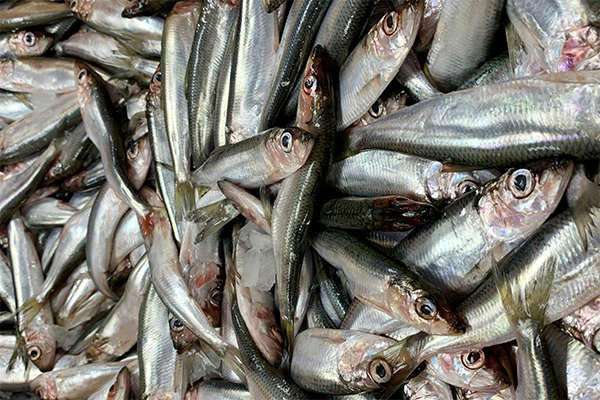
The Humboldt Current System off Peru is one of the world’s most productive marine ecosystems and its seafood provides high-quality protein and essential micronutrients. Nevertheless, malnutrition remains a severe problem in Peru.
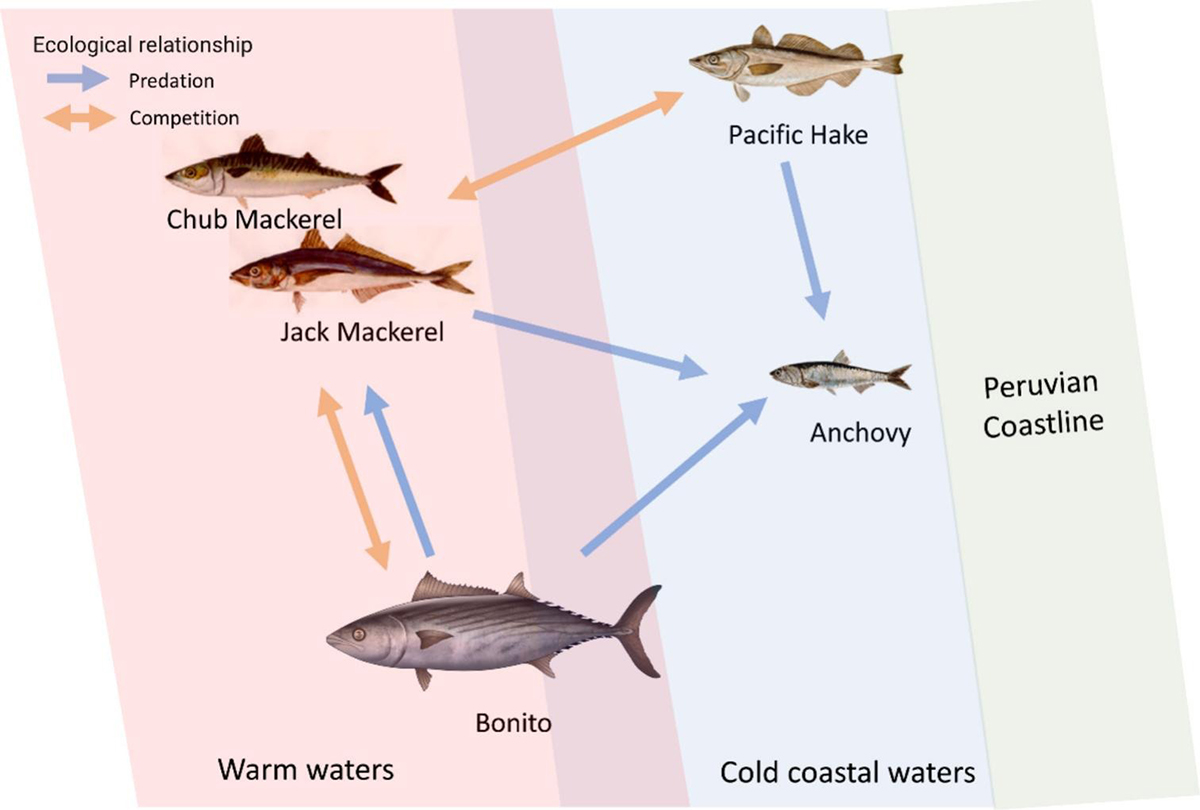
In this study by Bioa Huang and co-workers from Germany, France and Peru, the authors proposed and examined fishery management strategies aimed at increasing nutrient availability for the local population as a potential solution. They empirically estimated a four-species fish model – including Peruvian anchovy (Engraulis ringens), bonito (Sarda chiliensis), hake (Merluccius g. peruanus) and mackerels (Scomber japonicus, Trachurus murphyi) – that accounts for climate change and then developed a nutrient-based optimization model. This allowed an assessment of different fishery management strategies, their production potential for key nutrients (omega-3 fatty acids, protein and iron) and to compare them against Peru’s national nutrient requirements.
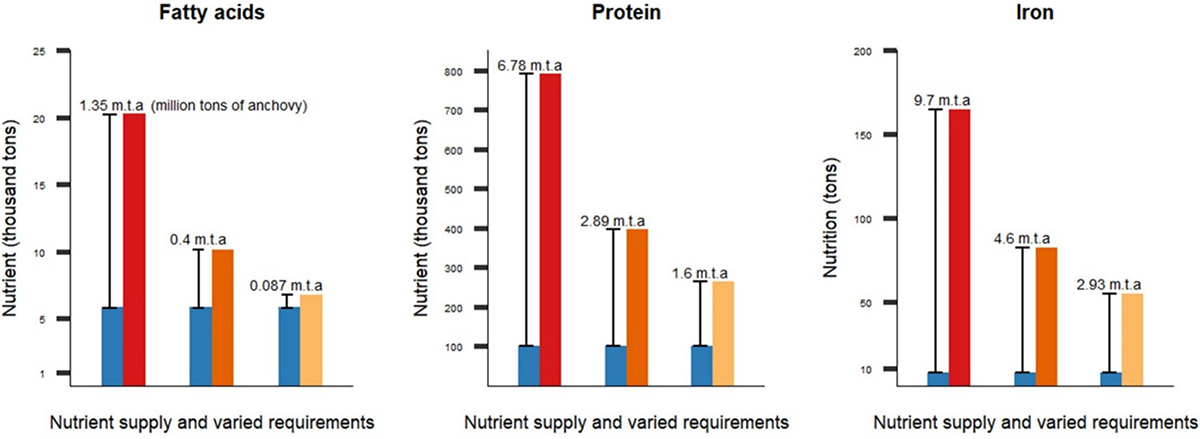
The results show that if anchovy is harvested solely for export as fishmeal and fish oil, the other three species cannot supply even one-third of Peru’s national requirements for these nutrients. The shortfall is equivalent to 0.087, 1.6 and 2.93 million tons of anchovy for omega-3 fatty acids, protein and iron, respectively. Including anchovy in the domestic nutrient supply is sufficient to meet national nutrient security needs. However, this approach would cause significant economic losses for the fishmeal and fish oil industries, highlighting clear trade-offs in fishery management.
The analysis identified pathways for aligning fishery management with national health policies in developing countries facing insufficient nutrition intake, supporting progress toward sustainable development goals.
Relevance of research findings to industry
Peru’s fishing sector, which produces over 6 million tons of seafood a year and ranks among the top globally, stands at a crossroads. The anchovy fishery alone accounts for roughly 80 percent of marine landings and underpins a massive export-oriented fishmeal and fish oil industry that supplies global aquaculture and livestock feed. For industrial processors and exporters, the study signals potential disruption: Reallocating even part of the catch for local human consumption could squeeze revenues and require new infrastructure for canning or value-added products.
At the same time, small-scale and artisanal fleets targeting bonito, hake, and mackerel could gain from policies that prioritize domestic markets. Government bodies like the Ministry of Production (PRODUCE) and the Marine Research Institute (IMARPE) now have clear quantitative evidence to justify “nutrition-sensitive” management – such as dynamic quotas that adjust for climate conditions, minimum landing requirements for human consumption, or incentives to shift some industrial capacity toward ready-to-eat anchovy products.
The findings also matter for food processors and retailers, who could help reshape consumer perceptions (anchovy is often dismissed locally as “stinky” or low in status) through marketing and affordable packaging. For coastal communities and the thousands of households dependent on fisheries, better nutrient access could translate directly into improved health outcomes and more diversified income streams.
Perspectives
The Peruvian government has been combating malnutrition through increasing public expenditure and subsidy programs. Despite these efforts, rates of child anemia, stunting, and malnutrition remain alarmingly high. To effectively reduce and eliminate these nutritional deficits, the government must mobilize all available food and resource production.
As an alternative to current fishery policies that prioritize commercial profit, the authors examined a new management objective: the maximization of nutrient output from the anchovy, bonito, mackerel and hake fisheries. Including anchovy in domestic supply can achieve nutrient security, but it would cause substantial economic losses for Peru’s fishmeal and fish oil industries. This creates a critical trade-off that fishery managers must address when balancing competing uses of marine resources.
While the analysis should be interpreted cautiously to stimulate policy discussion, we believe the results are robust enough to support aligning fishery management with national health policies in coastal developing countries facing insufficient nutrition intake, thereby advancing the “zero hunger” and “good health and well-being” Sustainable Development Goals (SDGs).
Now that you've reached the end of the article ...
… please consider supporting GSA’s mission to advance responsible seafood practices through education, advocacy and third-party assurances. The Advocate aims to document the evolution of responsible seafood practices and share the expansive knowledge of our vast network of contributors.
By becoming a Global Seafood Alliance member, you’re ensuring that all of the pre-competitive work we do through member benefits, resources and events can continue. Individual membership costs just $50 a year.
Not a GSA member? Join us.
Author
-

Editor Emeritus
Related Posts
Fisheries
Catch & Culture Review: How climate change may alter the trajectory of North Sea demersal fisheries
Our monthly fisheries literature review examines fundamentals of fisheries management, fishery dynamics of squid and climate change impacts on Pandalus jordani.
Fisheries
Machine learning approaches for fish age prediction in European hake
Strategy uses predictive equations for practical assessments and more sophisticated machine learning models for higher accuracy and automation.
Fisheries
For Australia’s southern rock lobster fishery, a harvest strategy response to adapt to climate change
Study results support for TACs for rock lobster in proportion to the previous year’s catch per unit effort, and accounting for climate change impacts.
Fisheries
How aging uncertainty of major tuna species impacts the estimation of growth functions
Aging error and age range influences the uncertainty of growth estimation in major tuna species, necessitating improved accuracy of age analysis.