


CSIRO-led research identifies genetic markers to support black tiger shrimp breeding

New genomic tools help shrimp breeders map sex and diversity in black tiger shrimp, improving broodstock management and reliability
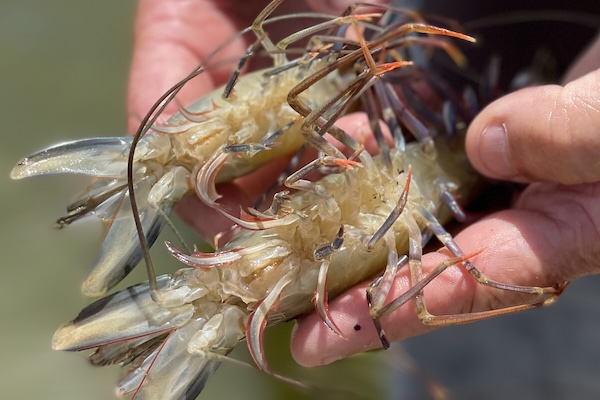
Scientists in Australia have developed new genomic tools that could improve the domestication and breeding of black tiger shrimp (Penaeus monodon), a species widely farmed across the Indo-Pacific.
The research, led by the Commonwealth Scientific and Industrial Research Organisation (CSIRO) in collaboration with biotechnology company Genics, introduces a validated single-nucleotide polymorphism (SNP) array and identifies the genetic marker associated with sex determination in the species. The findings, published in Aquaculture, are expected to support selective breeding and genetic management programs aimed at improving production reliability.
According to the study, the SNP array provides a panel of DNA markers that can measure genetic variation among shrimp populations. Researchers reported that the tool performed consistently across both farmed and wild stocks, suggesting it could be applied in a range of breeding and research settings.
“This custom SNP tool will be invaluable for tracking levels of genetic diversity, managing inbreeding and selecting populations for improved performance,” said Dr. James Kijas, a lead researcher at CSIRO.

The study also mapped the genetic marker for sex to a specific region on one chromosome, addressing uncertainty about inheritance patterns in P. monodon. This could allow breeding programs to identify the genetic sex of animals and manage mating strategies more effectively.
“Putting a validated, species-specific informative genotyping tool into the hands of producers marks a real turning point for P. monodon,” said Dr. Melony Sellars, founder and CEO of Genics. “For years, breeding ambitions have been constrained by inconsistent access to wild broodstock and limited visibility of the underlying genetics. This research changes that equation and allows commercial farmers across the world to quantify diversity, manage risk and accelerate genetic gain in a controlled, sustainable way.”
Dr. Ralf Moser, co-author and chief science officer at Genics, said the research team focused on ensuring that the panel would be useful across different populations and environments.
Strong biosecurity and genetic foundation being built for domesticated black tiger shrimp in Brazil
“We set out to build a panel that performs across multiple lineages and farming contexts, not just in a single reference population,” Dr. Moser said. “The outcome is a validated marker set that breeders can use immediately, whether the objective is diversity spot-checks, guiding mate allocation or building the foundations for genomic selection.”
The new array is designed to complement Genics’ existing ShrimpID platform, which is already used in the Pacific white shrimp (P. vannamei) industry for parentage verification, relatedness analysis and mate allocation. By extending these capabilities to P. monodon, the researchers said producers could gain additional insights into stock performance and genetic diversity.
“This is about giving farmers tools that work in the real world,” Dr. Moser said. “Our genomics panels are informative across different stocks and geographies, and they’re flexible enough to be adapted for lower-density applications as programs scale.”
“When you can see the genetics clearly, you can plan clearly,” Dr. Sellars said. “That’s how the sector moves from potential to performance, with stronger broodstock management, faster improvement, and more consistent results on farm.”
Now that you've reached the end of the article ...
… please consider supporting GSA’s mission to advance responsible seafood practices through education, advocacy and third-party assurances. The Advocate aims to document the evolution of responsible seafood practices and share the expansive knowledge of our vast network of contributors.
By becoming a Global Seafood Alliance member, you’re ensuring that all of the pre-competitive work we do through member benefits, resources and events can continue. Individual membership costs just $50 a year.
Not a GSA member? Join us.
Author

Related Posts
Intelligence
CSIRO introduces pompano to Australian aquaculture to boost economy
A new white-flesh fish for Australian aquaculture, pompano, could boost the economy, reduce imports and offer sustainable seafood options.

Intelligence
New water quality monitoring system could help grow aquaculture in Australia
CSIRO’s AquaWatch technology "significantly" helped water quality monitoring needed to support aquaculture growth in the Spencer Gulf region.
Responsibility
Study: Global warming above 2 degrees-C will lead to ‘irreversible loss in marine ecosystem habitability’
CSIRO determines that global warming above 2 degrees-C will decrease viable ocean habitats and will affect fishing grounds and productivity.
Innovation & Investment
Collaboration drives innovations in super-intensive indoor shrimp farming
A collaboration between Viet-Uc Seafood Corporation and CSIRO of Australia develops improvements in super-intensive indoor shrimp farming technology.