Intelligence
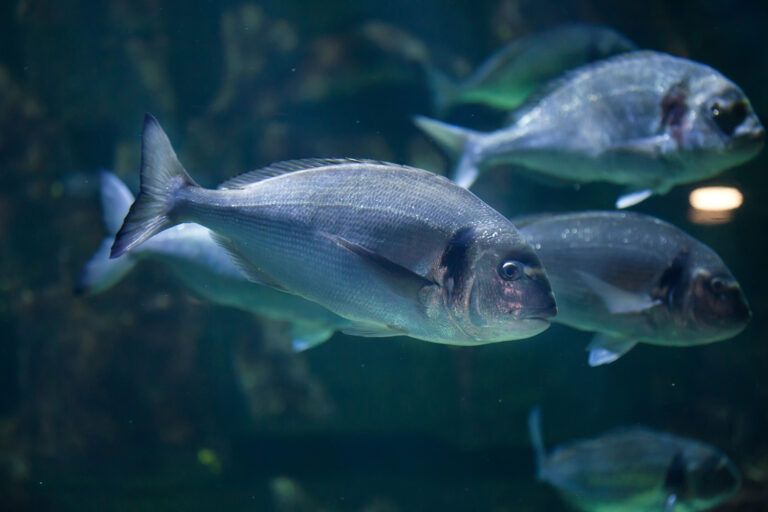
Selective breeding yields long-term genetic progress for gilthead sea bream aquaculture
Study quantifies two decades of genetic improvement for growth in gilthead sea bream with data from a large commercial breeding program in Greece.



Intelligence
The global farmed shrimp sector is undergoing rapid growth while confronting increasingly complex market, biological and geopolitical challenges.
Intelligence
Study quantifies two decades of genetic improvement for growth in gilthead sea bream with data from a large commercial breeding program in Greece.
Health & Welfare
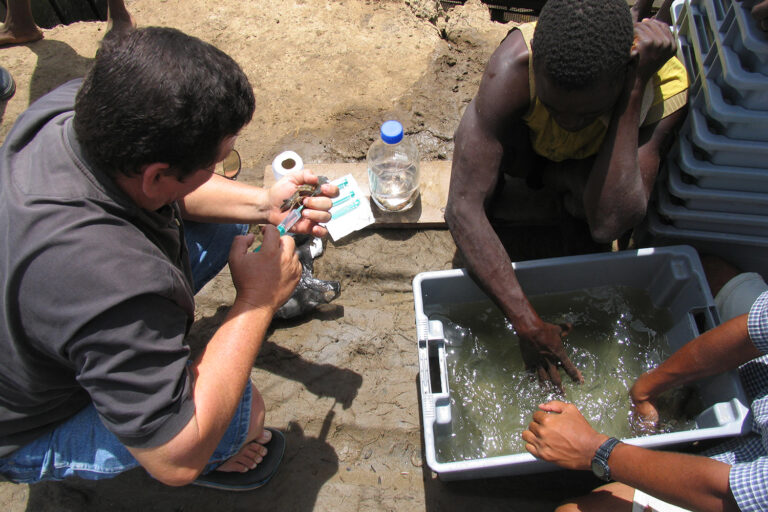
Can genetics help solve a limiting factor for China’s shrimp sector? We look at a study examining the high rates of non-spawning females in hatcheries.
Health & Welfare
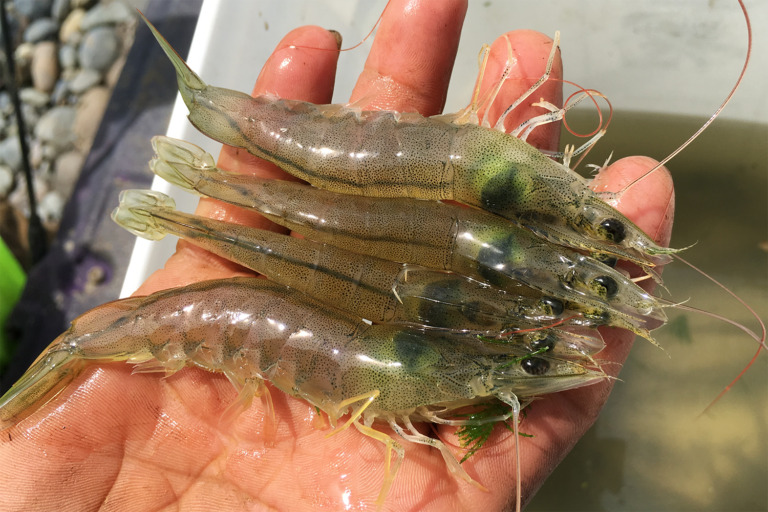
An experimental basis for independent breeding of Pacific white shrimp varieties with high WSSV resistance and fast growth.
Health & Welfare
An estimation model identifies genetic variances across mating combinations for stress resistance traits and families with heightened stress tolerance.
Health & Welfare
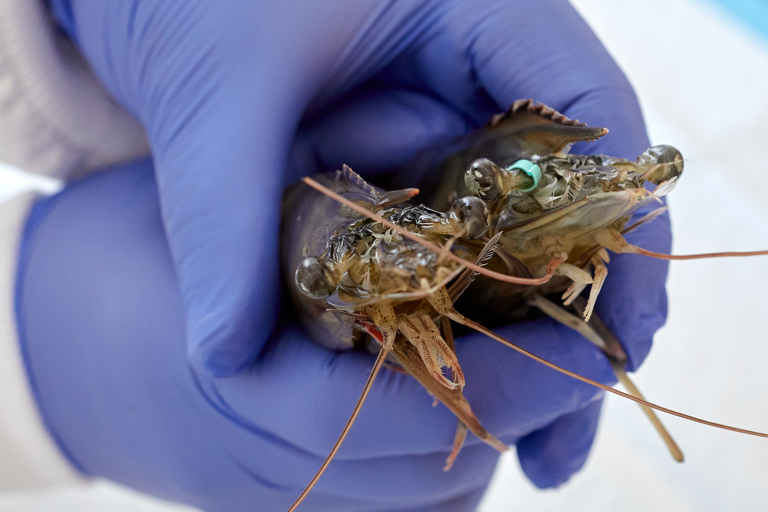
How Indonesian company Prima Larvae Bali is using genetic technology and a partnership with CAT to elevate its shrimp breeding program.
Innovation & Investment
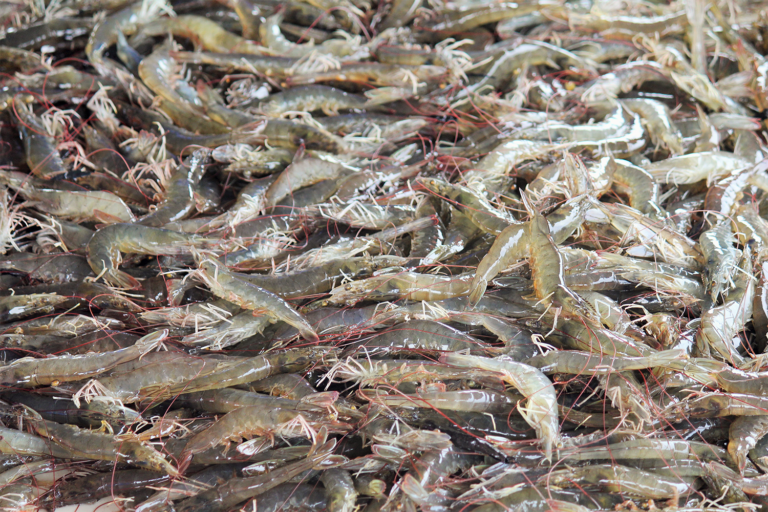
A genome assembly of L. vannamei provides valuable resources for future genetic research, breeding and improvement of traits for aquaculture.
Health & Welfare
Scottish aquaculture genetics company Xelect is partnering with U.K. steelhead trout producer Kames Fish Farming on a selective breeding program.
Health & Welfare
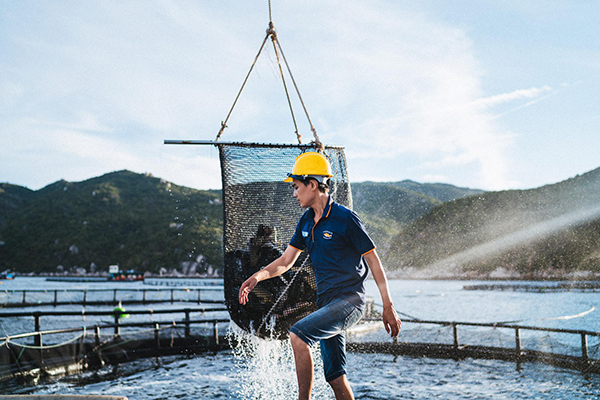
Xelect's advanced genetics-based breeding program with Australis Aquaculture has resulted in major feed-efficiency gains with barramundi.
Health & Welfare
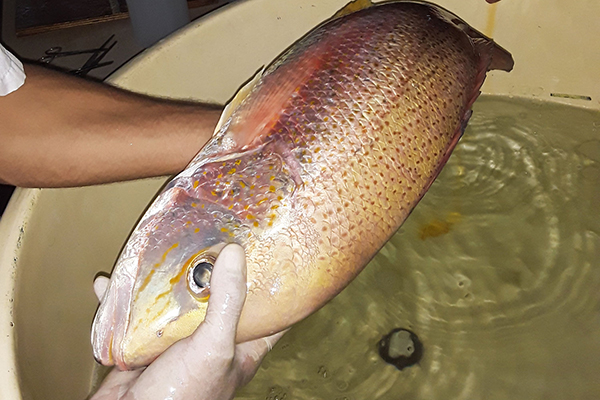
Costa Rica's Martec has partnered with Scottish genetics company Xelect to ramp up production of spotted rose snapper through modern techniques.
Health & Welfare
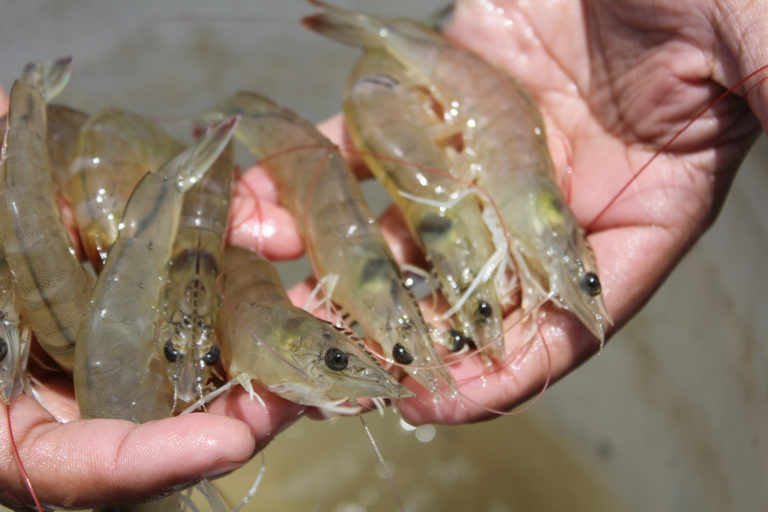
In eight genetic improvement programs in seven different countries, growth improvements have been constant in all programs, with annual improvement rates between 5 and 12 percent. Improvements in survival rates are less predictable and less consistent.
Health & Welfare
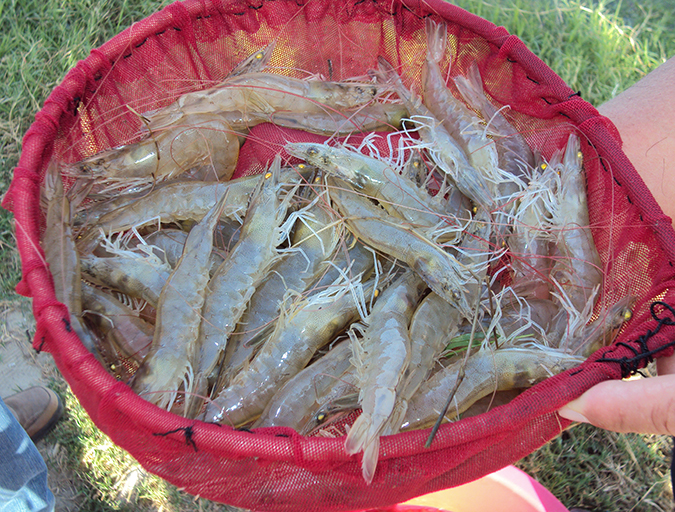
El alcanzar mayores tasas de crecimiento en el camarón cultivado comercialmente tiene muchos beneficios importantes, incluyendo la reducción de varios riesgos, la reducción de costos y el aumento de las oportunidades económicas. La genética del camarón determina principalmente cuanto crecimiento adicional se puede lograr, ya que el camarón típicamente refleja las tasas de crecimiento de sus progenitores.
Health & Welfare
Realizing higher growth rates in commercially cultured shrimp has many important benefits, including reducing various risks, cutting costs and increasing economic opportunities. Shrimp genetics primarily determines the amount of additional growth that can be achieved, as shrimp typically reflect their parents’ growth rates.
Intelligence
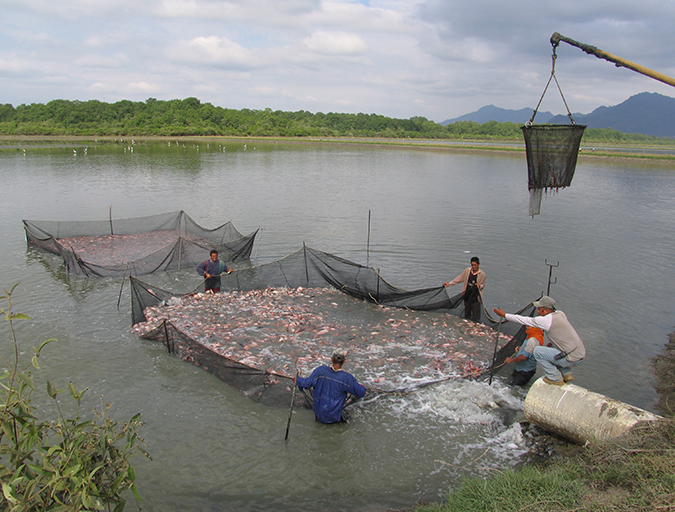
Se pueden crear nuevos mercados para la tilapia y también la expansión de los ya existentes mediante la planificación e implementación de estrategias geográficas adecuadamente diseñadas para satisfacer las preferencias de los consumidores discriminantes. Los costos laborales bajos en la mayoría de los países productores promueven el valor agregado mediante la producción de filetes frescos.
Health & Welfare
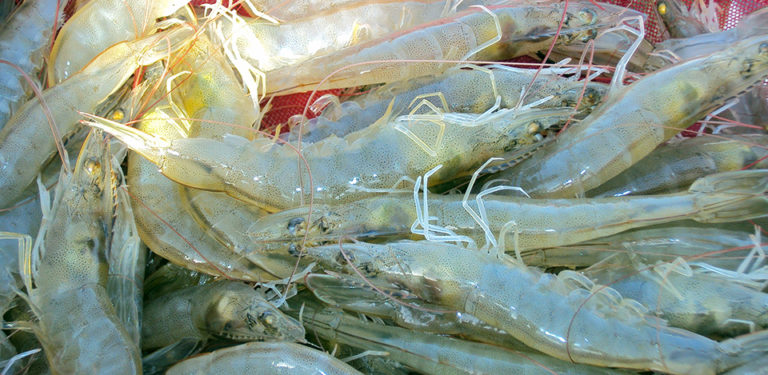
Achieving higher growth rates in shrimp can reduce risks, cut costs and increase economic opportunities. The amount of additional growth that is achievable is related primarily to shrimp genetics.
Health & Welfare
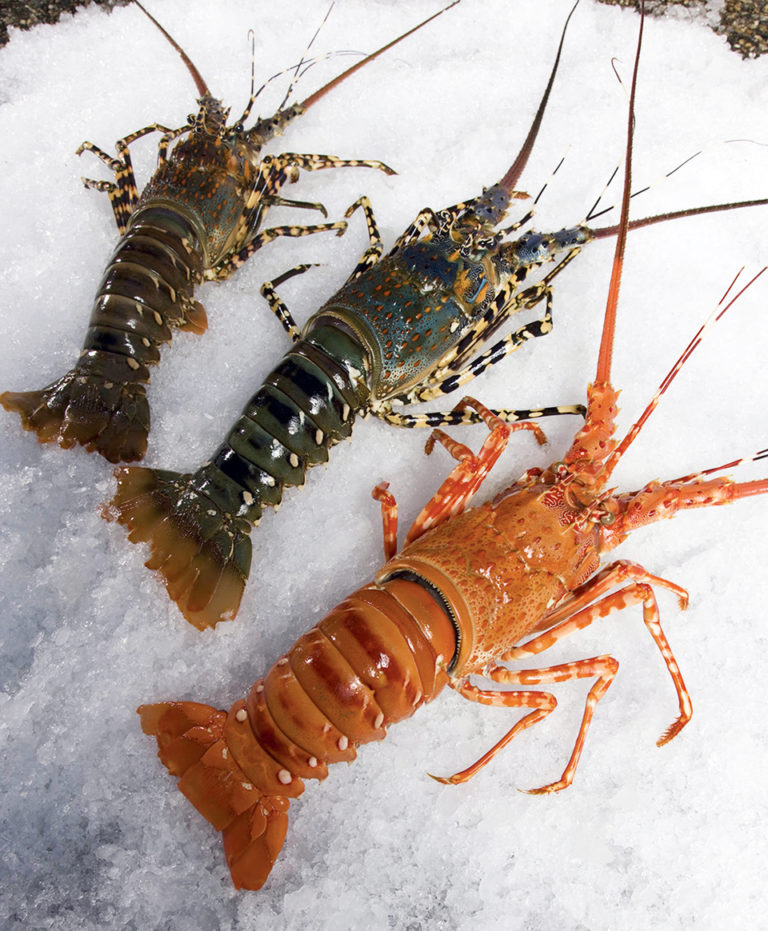
Coloration in crustaceans is affected by a combination of factors: diet, environment and genetics. The genes required for coloration are not present in any other animal, but crustaceans use them to create a variety of colors and shell patterns.