Responsibility
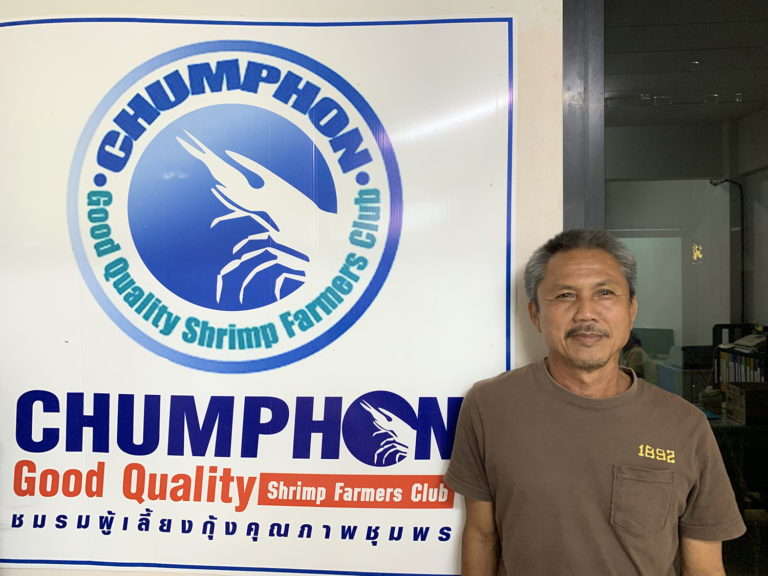
Early-warning pilot project in Thailand aims to reduce risk of shrimp disease
A group of NGOs and businesses is developing tools and interfaces aimed at helping farmers reduce disease outbreaks both individually and at the area level.


Innovation & Investment
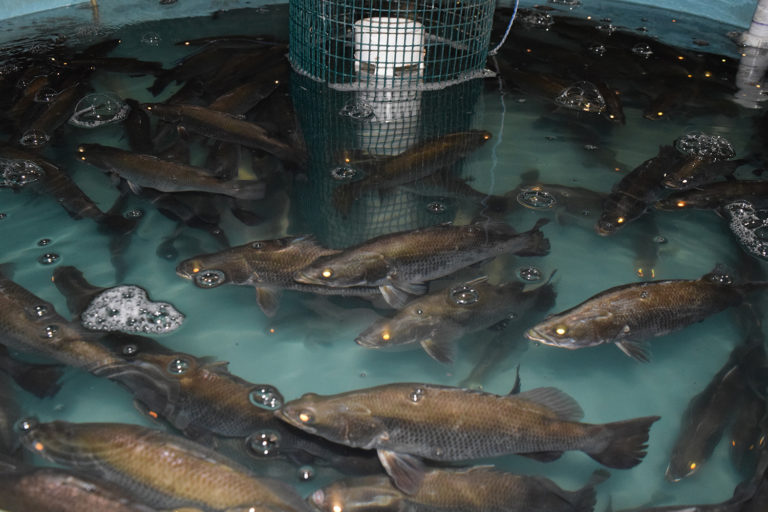
There are lessons to be learned for aquaculture amid the coronavirus pandemic that's impacting life and business at every level. We explore a few perspectives.
Responsibility
A group of NGOs and businesses is developing tools and interfaces aimed at helping farmers reduce disease outbreaks both individually and at the area level.
Health & Welfare
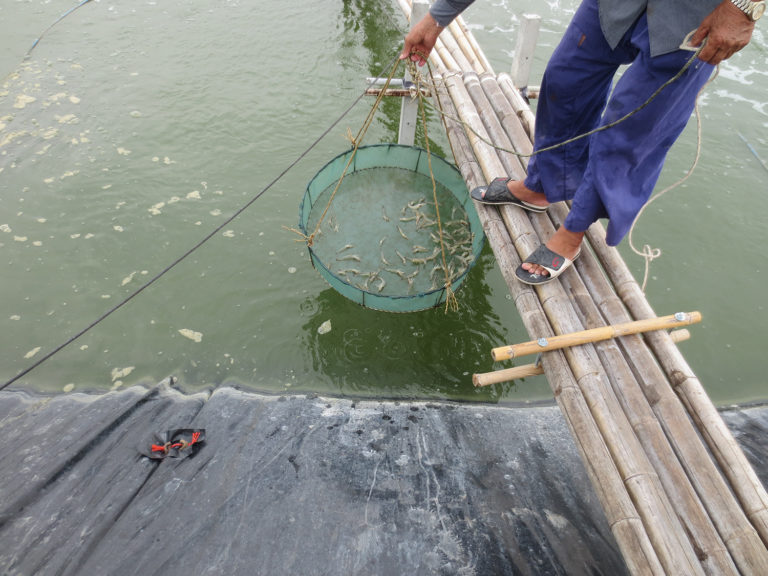
A new generation of technology, portable PCR, offers potential for affordable, immediate, pondside diagnosis in easy-to-use handheld kits. But will it live up to the hype?

Innovation & Investment
Gaskiya Diagnostics’ paper-based diagnostic test kits could allow fish farmers to test for disease-causing pathogens before they impact the entire stock.
Health & Welfare
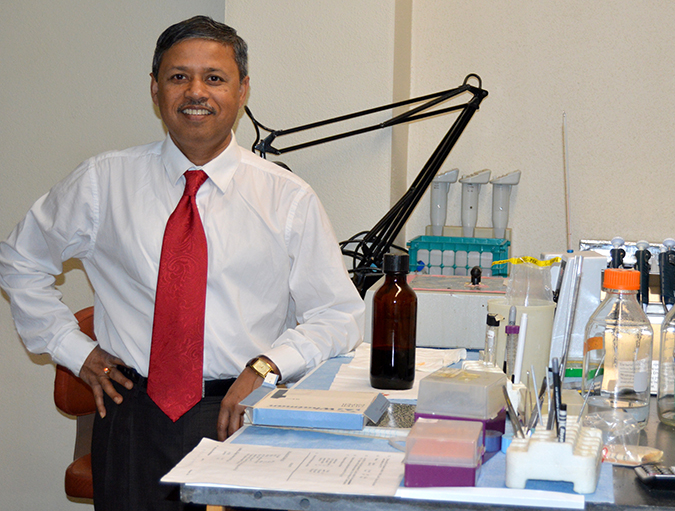
Arun Dhar, Ph.D. will attempt to fill the “big shoes” of Dr. Donald Lightner at the University of Arizona’s Aquaculture Pathology Laboratory, where the shrimp disease EMS was diagnosed.
Responsibility
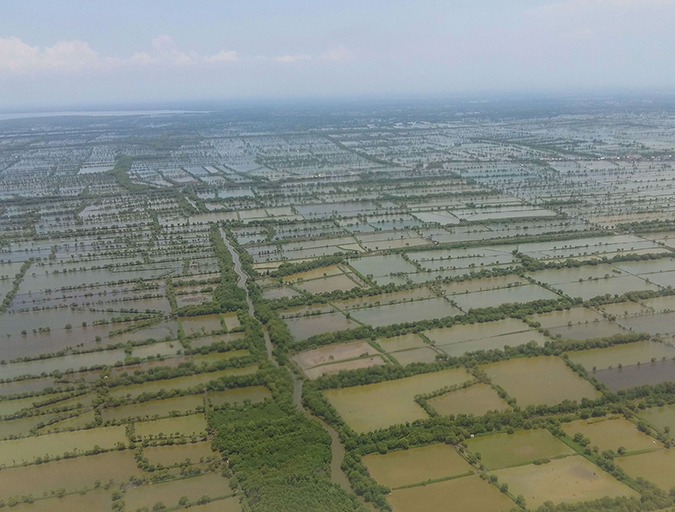
La idea de que la salud y la seguridad de las granjas acuícolas están interconectadas no es nueva. Incluso las granjas mejor gestionadas no están protegidas de enfermedades o la contaminación de otra granja cercana, por lo que son necesarias medidas adicionales, argumenta Anton Immink de Sustainable Fisheries Partnership.
Responsibility
The idea that fish farms’ health and safety are interconnected is not new. Even the best-run farms are not protected from diseases or pollution from another farm close by, so further measures are necessary, argues Anton Immink of Sustainable Fisheries Partnership.
Innovation & Investment
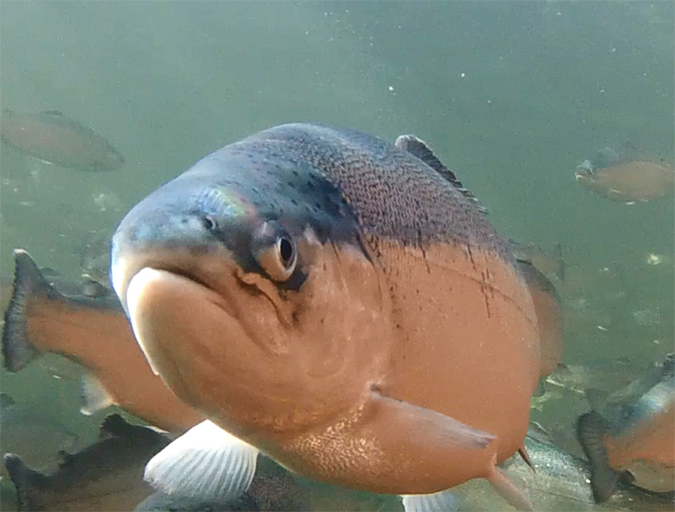
Quantidoc AS in Norway is the commercialization of Prof. Karin Pittman’s years of fish health research. Pittman, winner of this year’s Global Aquaculture Innovation and Leadership Award, utilizes stereology to measure and better understand mucous on gill, gut and skin tissues – the first line of defense for fish.
Health & Welfare
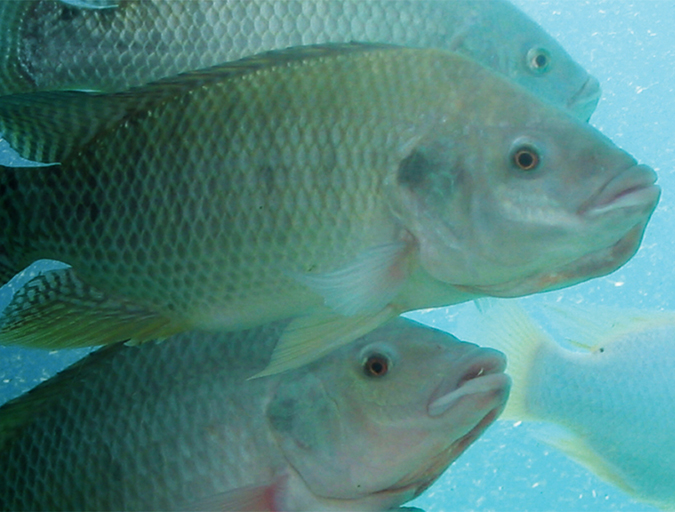
At this year’s GOAL conference in Guangzhou, China, leading animal welfare and aquatic animal disease experts will share knowledge about how producers can gird their operations. EMS, EHP, streptococcosis and sea lice will be addressed, as will the latest in area management.
Health & Welfare
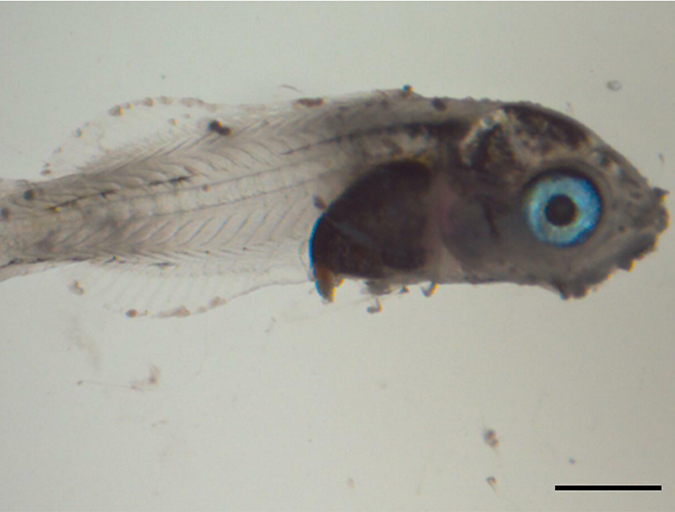
Epitheliocystis is an emerging infection among farmed gilthead seabream and is also lethal in mesocosm cultures of sharpsnout seabream larvae. Two studies of this disease at sites in Greece and Crete have characterized the gill and skin cysts in more detail.
Health & Welfare
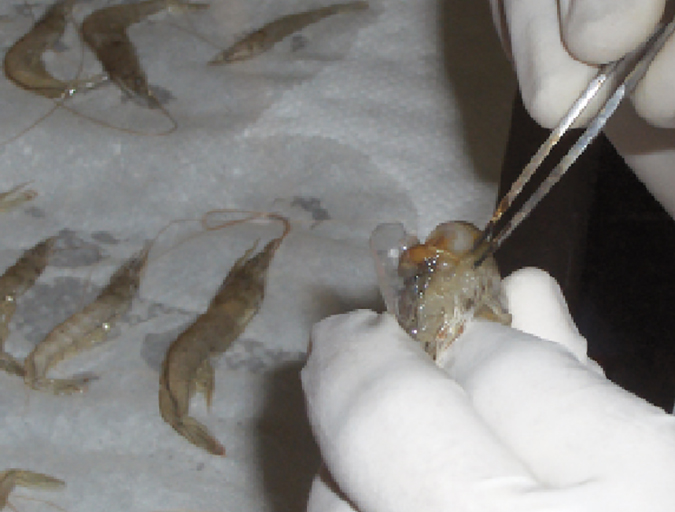
Silencing genes in white spot syndrome virus (WSSV) with critical roles in replication could provide a strong antiviral effect and thus reduce shrimp mortality. The authors therefore established a study to evaluate the antiviral efficacy of double-stranded (ds)RNA against non-structural WSSV genes.
Intelligence
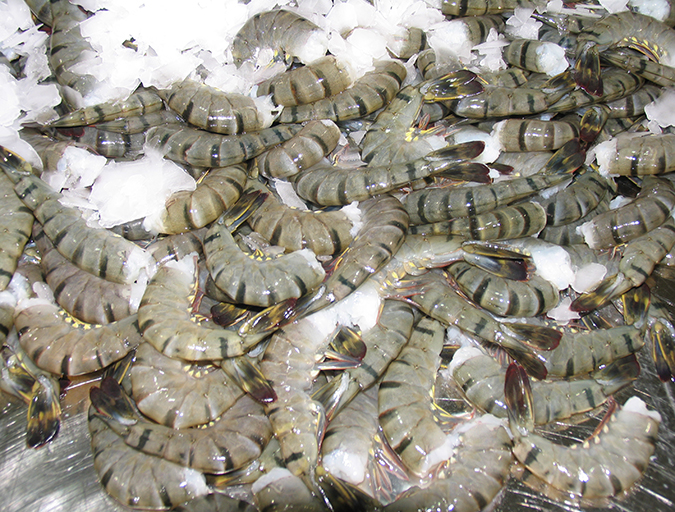
The GOAL 2015 Shrimp Production Survey showed that global farmed shrimp production is rebounding from the decrease seen from 2011 to 2013 due to diseases, and is headed to an all-time high of around 4.8 million metric tons in 2017, barring any new crises.
Health & Welfare
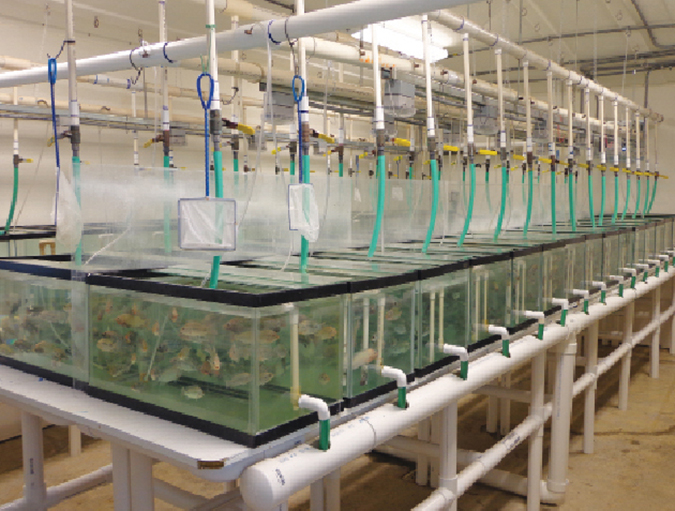
The authors conducted a study to evaluate whether treatment of Trichodina-parasitized tilapia with formalin would improve fish survival and reduce F. columnare infection. Tilapia not treated with formalin showed significantly higher mortality than treated fish.

Innovation & Investment
The 2015 GOAL conference in Vancouver, Canada, kicked off with a First Nations celebration, an industry growth report card and the latest defensive efforts against aquaculture diseases. Simplifying the story, however, may be the tallest obstacle yet.
Responsibility
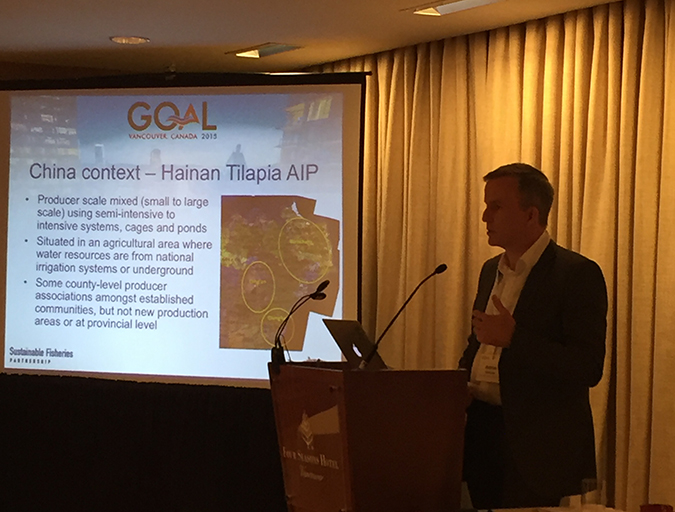
At the GOAL 2015 pre-conference workshop in Vancouver, British Columbia, Canada, a panel of aquaculture management experts determined that producers sharing water resources must work together to prevent the spread of disease and to become more attractive to investors.
Health & Welfare
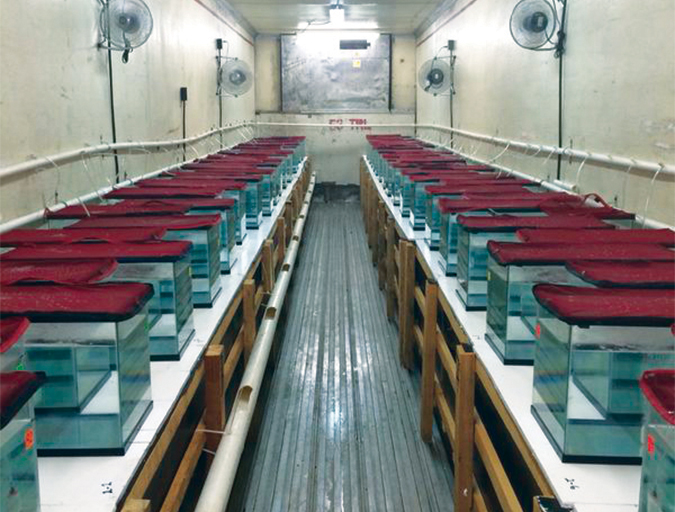
Selection for disease resistance has been used in breeding farm animals and can be a viable option to deal with white spot syndrome and acute hepatopancreatic necrosis disease in commercial shrimp culture. In trials, heritability for AHPND resistance was low, while that for WSS was moderate.