


No more landfills: Great Lakes region commits to full utilization of fish byproducts

Companies signing the 100% Great Lakes Fish Pledge largely end fish waste landfilling by committing to full use of every fish caught
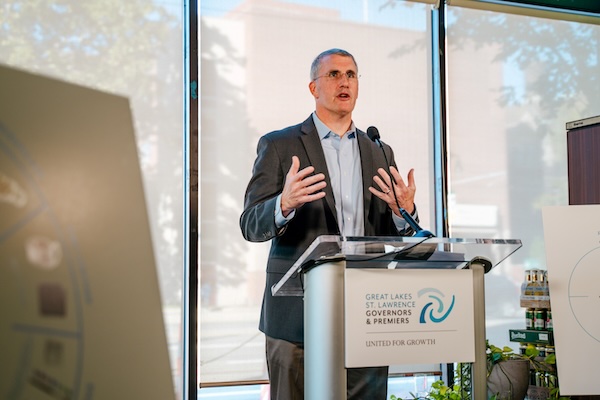
The Great Lakes region has largely eliminated the practice of landfilling byproducts from commercial fish processing, according to an announcement by the Great Lakes St. Lawrence Governors and Premiers (GSGP).
Forty-four companies have signed the group’s 100% Great Lakes Fish Pledge, committing to use all parts of the fish they handle, including heads, guts, skin and scales. The signatories collectively process more than 30 million pounds of fish annually, accounting for roughly 90 percent of the Great Lakes’ commercial catch by volume.
“This milestone reflects the leadership of companies across the Great Lakes seafood value chain—commercial fishers, aquaculture producers, and processors – who are proving that full fish utilization is practical,” said David Naftzger, GSGP’s executive director. “By working to use more of each fish, these organizations are reducing waste, strengthening their businesses, and helping open new markets for Great Lakes-sourced products. We are excited to build on our momentum in 2026 by expanding the pledge and productively using more raw material across the region.”
The Great Lakes support substantial commercial fisheries as well as growing aquaculture and fish processing sectors, but much of the material beyond fillets has historically been discarded or used for low-value purposes. Through the pledge, the region is nearing full utilization of each fish caught, raised or processed.

The 100 percent fish initiative led by the GSGP is also focused on expanding higher-value uses for fish byproducts, including fish leather, meal and oil. Organizers say the approach is intended to increase revenue, create jobs and support rural economic development while reducing emissions and strengthening the long-term resilience of Great Lakes fisheries.
“Across the Great Lakes, fishing businesses like ours have already been finding ways to put more of the fish to use, and this pledge helps align and accelerate that progress,” said Charlie Henriksen, owner of Henriksen Fisheries and Wisconsin commercial fishery advocate. “By committing publicly to full utilization, we’re strengthening our businesses and keeping working waterfronts viable across the region.”
In 2026, GSGP will continue to invite companies to join the pledge and work toward 100 percent participation. Work will also grow with aquaculture companies and fish cleaning stations in the region. Incorporating fish cleaning stations will create new opportunities to build local collection, handling and processing pathways that convert “waste” into inputs for new products and markets.
“When you work with fish every day, you see how much value is left behind if we only focus on fillets,” said Dennis VanLandschoot, CEO of VanLandschoot & Sons Fish Market and Committee Member of the Lake Superior Citizens Fishery Advisory Committee. “The pledge gives our industry a clear commitment and shared direction to reduce waste, build new markets for byproducts, and keep Great Lakes fish supporting jobs and communities long-term.”
More information on 100% Great Lakes Fish, including a copy of the pledge, is available here.
Now that you've reached the end of the article ...
… please consider supporting GSA’s mission to advance responsible seafood practices through education, advocacy and third-party assurances. The Advocate aims to document the evolution of responsible seafood practices and share the expansive knowledge of our vast network of contributors.
By becoming a Global Seafood Alliance member, you’re ensuring that all of the pre-competitive work we do through member benefits, resources and events can continue. Individual membership costs just $50 a year.
Not a GSA member? Join us.
Author

Related Posts
Innovation & Investment
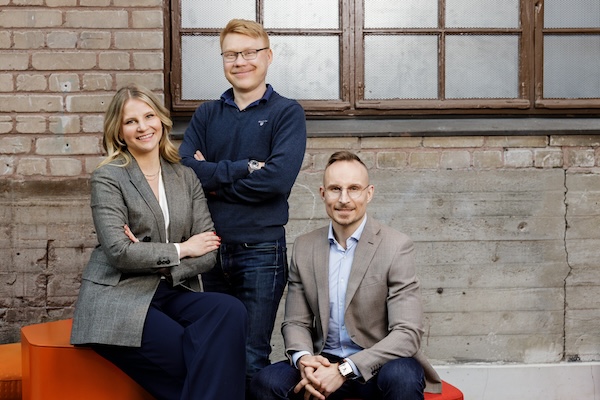
SuperGround to scale food-waste tech that transforms fish scraps and chicken bones into protein
In a funding round led by The Blue Revolution Fund, the Finnish company raises $2.7 million to scale its food waste technology.
Fisheries
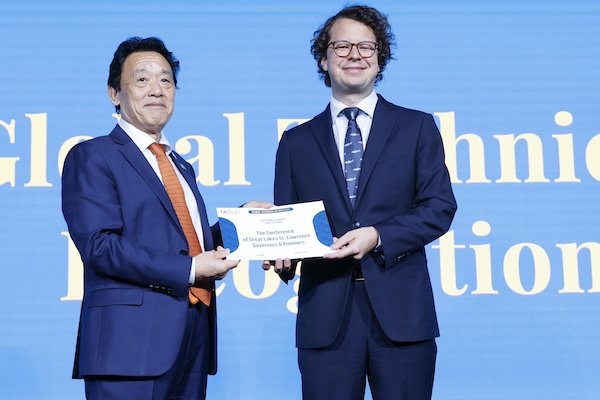
FAO honors Great Lakes initiative valorizing fish waste
FAO recognizes 100% Great Lakes Fish initiative for cutting food waste and creating new products from the whole fish.

Fisheries
Crustacean ‘hotel rooms’ seen as food waste and quality solutions for Norway’s small fishing boats
An onboard cooling system for small fishing boats reduces food waste and fuel use, with one design storing langoustines in "hotel rooms."

Responsibility
Eat the whole fish: A discussion of culture, economics and food waste solutions
The Big Fish Series explored the logistical and cultural challenges in front of greater whole-fish consumption and how much seafood is being wasted.