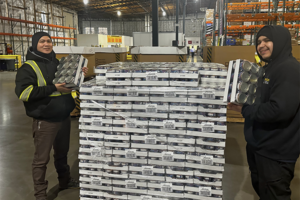
Canned seafood manufacturer eclipses $1 million in food donations in 2023
Wild Planet Foods donated the equivalent of 710,000 nutrient-rich seafood meals to hunger relief organizations last year.



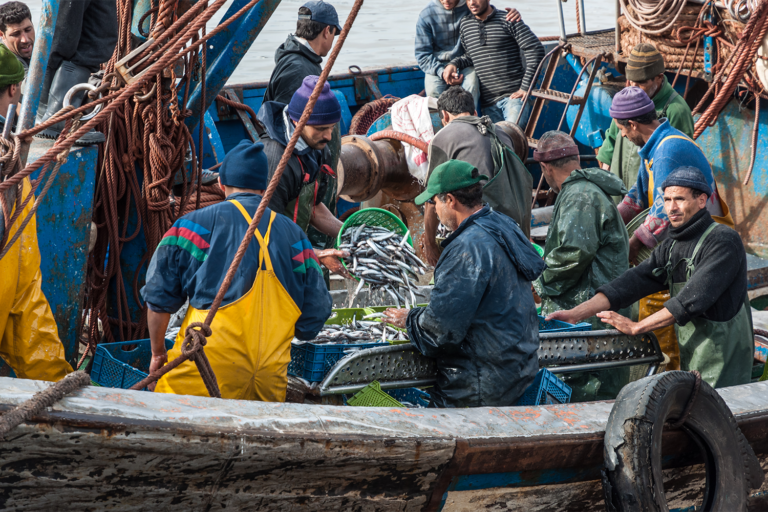
The Financial Transparency Coalition reported that IUU fishing and forced labor often go hand-in-hand and that greater transparency is key.
Wild Planet Foods donated the equivalent of 710,000 nutrient-rich seafood meals to hunger relief organizations last year.
An expert panel of scientists convened by CRC discussed driving the blue economy while improving seafood nutrition, accessibility and sustainability.
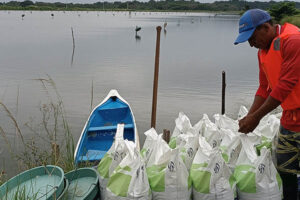
A new product line minimizes the carbon footprint associated with shrimp farming while enhancing social impact initiatives in Ecuador.
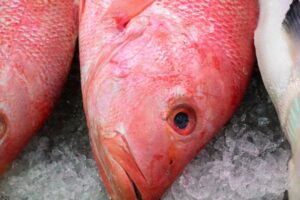
A study puts U.S. seafood loss and waste at 22.7 percent, far lower than earlier estimates reported in the scientific literature.
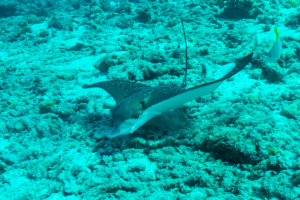
Florida Atlantic University researchers investigate ways to help the state’s clam farmers repel a predatory species cutting into their profits.

The Coalition of First Nations for Finfish Stewardship releases a “responsible, realistic and achievable” plan for an Indigenous-led blue economy.

Faroe Islands salmon producer Bakkafrost shipped cargo on the world's first transatlantic flight using a new eco-friendly jet fuel.
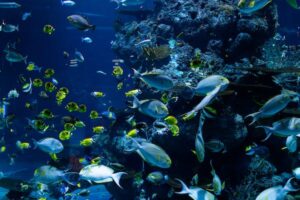
A new global model pinpoints marine regions where extreme temperatures are likely to have particularly harmful effects from climate change.
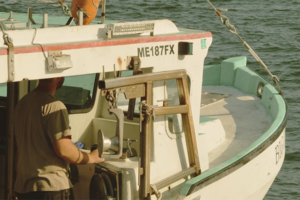
Collaboration between Maine's seafood sector, food banks and schools addressed food insecurity and infused millions into the local economy.
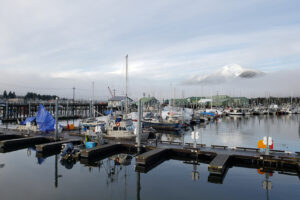
With most global seafood production vulnerable to the impacts of climate change, each sector faces unique adaptability obstacles and opportunities.

An initiative could open up a new avenue for seafood producers to deal with aquaculture waste in a more circular way.
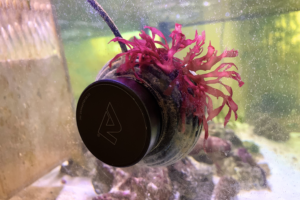
Yield and productivity rates for red macroalgae can exceed terrestrial agriculture, resulting in a carbon-neutral, carbohydrate-rich biomass source.
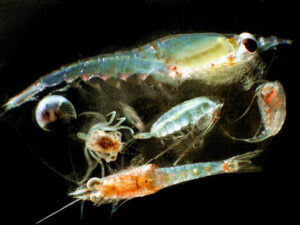
With ocean warming, sea creatures and commercial fishing fleets are migrating northward – potentially endangering Pacific right whales.
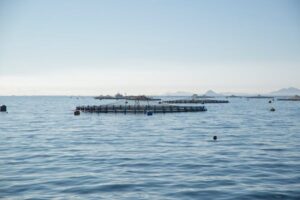
Experts suggest five priority areas to guide economic, policy and environmental planning for the aquaculture sector.
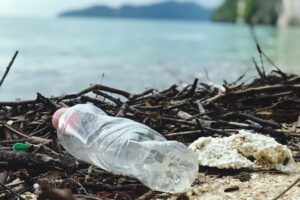
Although less harmful, a new study reveals that fish exposed to biodegradable plastics experienced impaired escape performance.