
Pond fertilization reevaluated
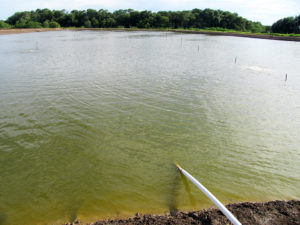
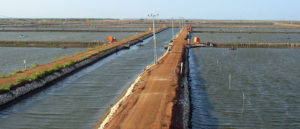
Although higher rates have been promoted, pond fertilization ratios of 2:1 or 1:1 nitrogen to phosphorus should be maintained in older ponds for food fish production.
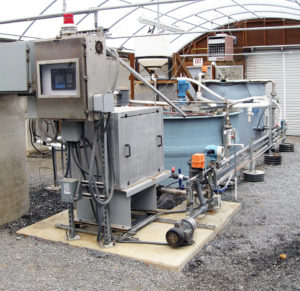
A study examined the effects of removing suspended solids using side-stream settling chambers in a superintensive biofloc shrimp system. The chambers reduced nitrate-nitrogen and phosphate concentrations and improved shrimp growth rate and biomass.
Although higher rates have been promoted, pond fertilization ratios of 2:1 or 1:1 nitrogen to phosphorus should be maintained in older ponds for food fish production.
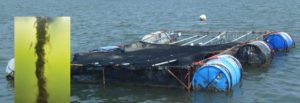
Production of Pacific white shrimp in near-shore floating cages at sea was shown technically and economically feasible at small scale for several growing cycles, as managed by artisanal fishers and their families on the Pacific coast of Costa Rica.
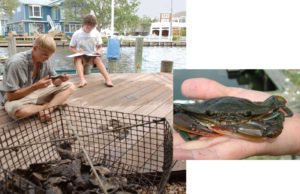
Juvenile blue crabs prefered floats containing three-dimensional structure provided by oysters and shells, which helped provide refuge from predators.
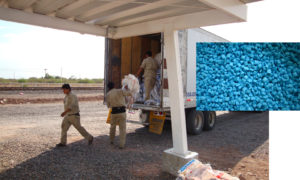
Based on the need to utilize thousands of used plastic feed bags rather than dispose of them, VIMIFOS began selling the bags to companies that reprocess them into pellets used to make plastic utensils.
Life cycle assessment studies the environmental and other potential impacts throughout a product’s life, starting at raw material and following it through production, use and disposal.
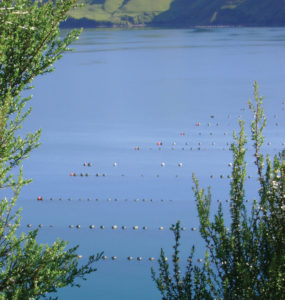
The regulatory system for aquaculture in New Zealand addresses social and cultural factors through legislation and policies that strongly utilize public consultation. The indigenous Mäori people, for example, play an integral role in aquaculture development.
Water temperature is a key water quality variable in aquaculture because it influences other variables, defines growing seasons and dictates what species can be grown at a particular location.
The split-pond culture system offers several advantages over traditional fish ponds. Aerating the small fish-confinement area is more effective at maintaining adequate levels of dissolved oxygen than in traditional ponds.
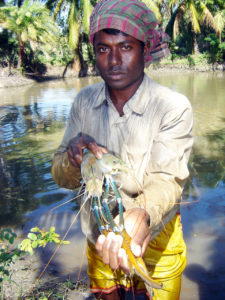
Prawn-fish-rice farming is considered highly efficient in terms of resource utilization through the complementary use of land and water. Integrated prawn farming plays an important role in the economy of Bangladesh, earning foreign exchange, increasing food production and providing employment opportunities.
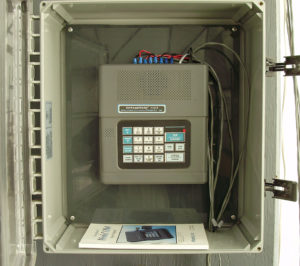
Although essential, emergency backup systems do not have to be complicated or expensive. For power loss, automated phone dialers alert off-site staff. Backup electric generators provide needed power for aerators, pumps and other equipment.
Although 16.6 million metric tons of carbon are annually buried in aquaculture ponds, estimated carbon emissions for culture species have approached several metric tons of carbon per metric ton of aquaculture product.
The use of phages is an alternative to antibiotics in the control of pathogenic bacteria. Phage therapy offers low-cost, low-toxicity treatment and quick bactericidal effects.
Various studies suggest that maintaining minimum daily dissolved oxygen concentrations above 3 mg/L in channel catfish and penaeid shrimp ponds assures better feed consumption and growth.
Hydrogen peroxide is a candidate for water treatment in aquaculture systems for it has antimicrobial effects and easily degrades to harmless byproducts.
In pilot-scale research, researchers found that both sequencing and membrane batch reactors removed ammonia, nitrite and suspended solids with great efficacy.