
Potential benefits and challenges for microalgae in aquaculture wastewater treatment
Integrating microalgae cultivation with aquaculture allows the utilization of aquaculture wastewater to produce valuable bio-based products.



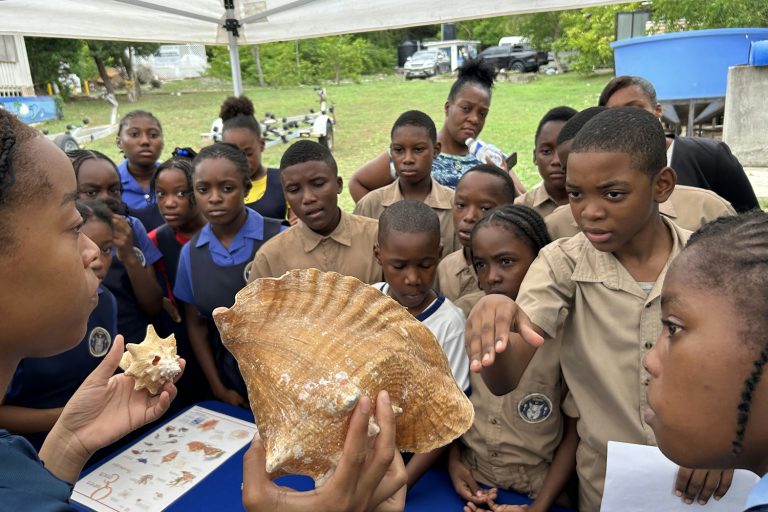
FAU’s mobile hatcheries help restore queen conch, protect Caribbean ecosystems and support local communities through sustainable aquaculture.
Integrating microalgae cultivation with aquaculture allows the utilization of aquaculture wastewater to produce valuable bio-based products.

The Philippines has designated the Bitaug MPA, protecting marine life and supporting local livelihoods through community management.

Scientists say sustainable seafood, less food waste and land restoration can boost food security and protect biodiversity.
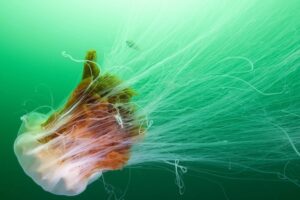
A survey commissioned by Mowi documents thriving marine life around its salmon farm at Loch Hourn, highlighting local biodiversity.
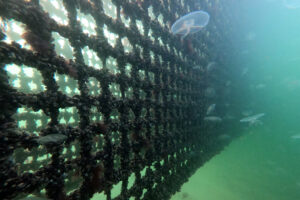
Researchers say mussels and iron sulfide enhancement on fish farms and could sequester hundreds of millions of tons of carbon dioxide.
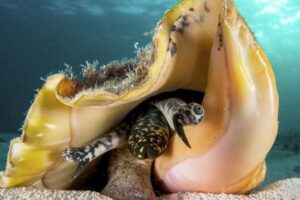
New Bahamas project to restore queen conch will grow 2,000 juveniles yearly and train locals in sustainable fishing and conservation.
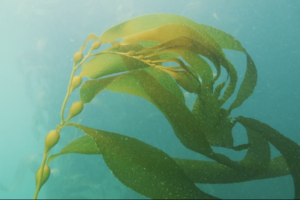
Researchers in New Zealand use environmental DNA to track carbon from giant kelp and assess its potential for carbon sequestration and climate solutions.
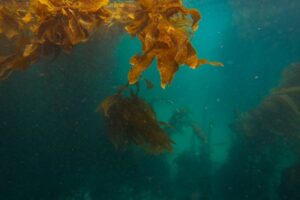
Wild seaweed must be protected like coral reefs, scientists argue, citing its role in climate, food security and ocean ecosystem health.
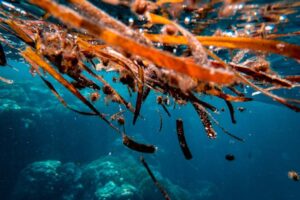
A new report warns seaweed species face local extinction by 2100 and calls for global action to protect these vital marine habitats.
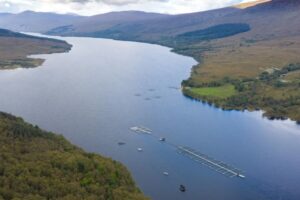
A review of 37 years of data finds that the nutrient status of a freshwater loch was not significantly altered by farming.
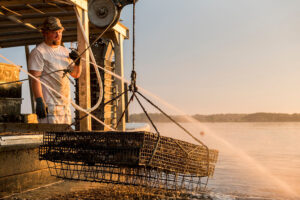
European researchers are investigating the prevalence of Vibrio, common bacteria in many types of shellfish, and identifying high-risk zones.

The Farmers of the Water program empowers young consumers to appreciate farmed fish and actively engage with the aquaculture industry.
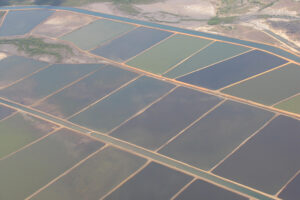
Enhanced sulfide burial seen as a scalable, cost-effective pathway to mitigate the carbon footprint of fish farming and a tool for climate solutions.
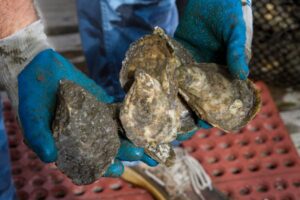
New global research initiative targets more sustainable, resilient mollusk farming in Asia amid climate and food security challenges.
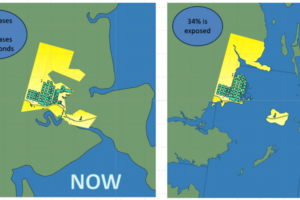
New research warns that more than 43 percent of Queensland’s aquaculture sites could be underwater by 2100 due to rising sea levels.