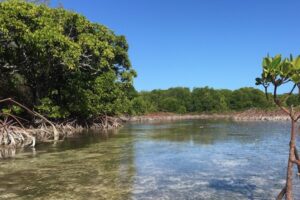
Study: After decades of decline, mangrove forests are recovering worldwide
Four-decade analysis finds mangrove forest restoration and natural regeneration are reversing the trends of mangrove loss globally.



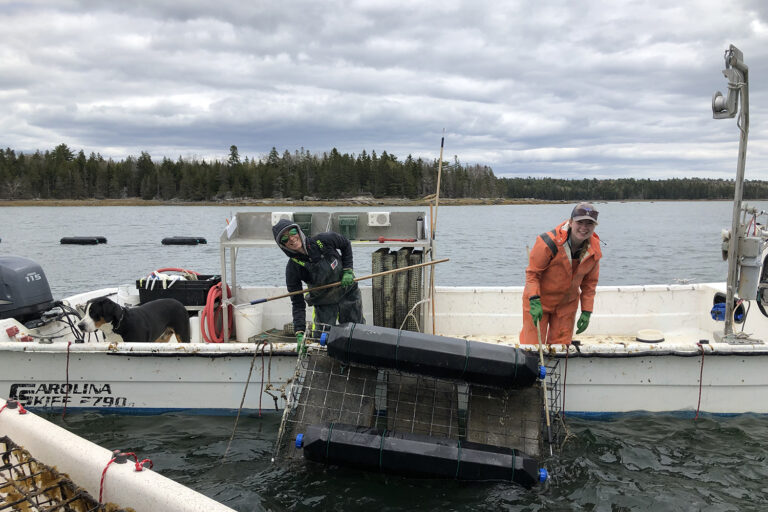
A Maine researcher finds that a seafood industry workforce data gender gap leaves many women’s contributions uncounted.
Four-decade analysis finds mangrove forest restoration and natural regeneration are reversing the trends of mangrove loss globally.
Climate change and declining wild fish stocks are pushing Caribbean states to consider aquaculture as a technical fix and socioeconomic driver.
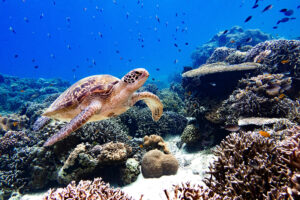
Research shows sewage pollution affects most marine protected areas, raising questions about ocean conservation strategies.
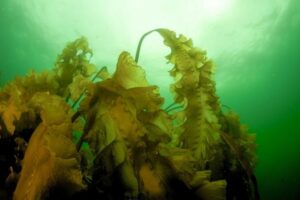
Researchers found ocean warming is accelerating the shift from kelp forests to turf algae along the Maine coast.
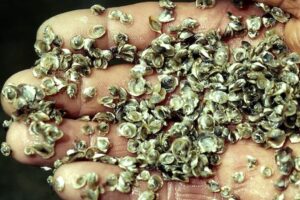
European oyster reef restoration efforts are expanding with new hatchery and feed technologies designed to improve oyster spat survival.
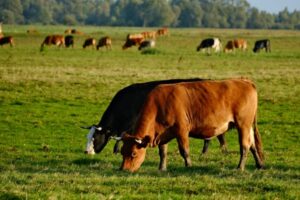
A study shows seaweed-based feed additives can cut methane emissions in cattle, pointing to new opportunities for the seaweed industry.
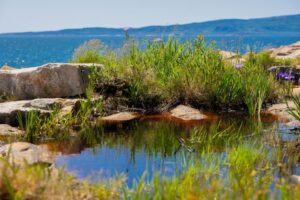
A University of Maine study uses decades of survey data to show how ocean warming is shifting species, biodiversity and fishery conditions.
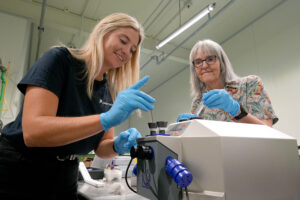
Cawthron Institute researchers are unlocking the cellular power of mitochondria to improve climate resilience in farmed salmon, mussels, oysters and more.

Cambodia designates aquatic foods as a national priority, integrating fish into nutrition, agriculture and development planning.

Alaska seafood processors are turning fish skins and heads into pet products, heeding environmental mandates for greater utilization of byproducts.
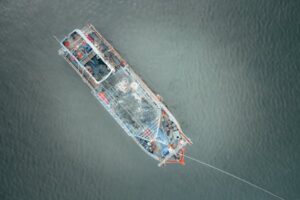
ILO survey finds 13 percent of migrant fishery workers in Southeast Asia face forced labor, with highest risks at sea.
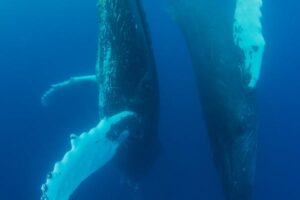
Study finds shrinking cool-water habitat raises humpback whale entanglement risk and could help forecast danger years ahead.
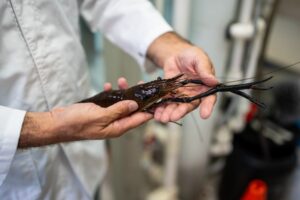
An Indigenous-led partnership in Queensland is developing hatchery methods to enable commercial giant freshwater prawn farming industry.
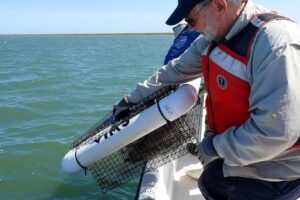
By filtering parasites from the water, oysters can lower disease risk for juvenile blue crabs, adding to the ecological benefits of oyster reefs.
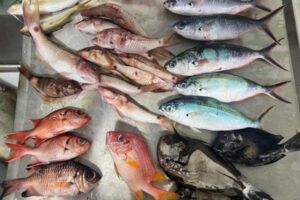
Microplastics in fish are widespread across Pacific island waters, raising risks for ecosystems and food security in remote regions.