Native shrimp cultured in Cameroon
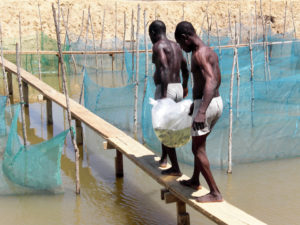
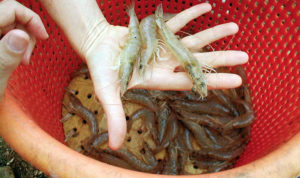
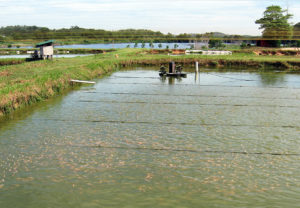
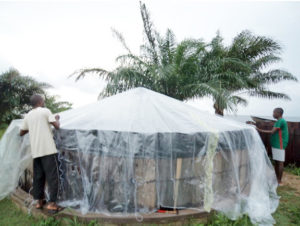
A cooperative project established to study the small-scale culture of the native shrimp Farfantepenaeus notialis in Cameroon aims to develop family- and community-level production in the region.
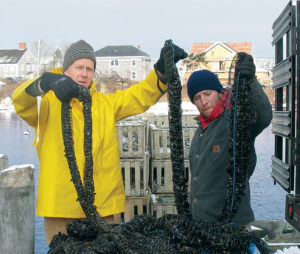
In integrated multi-trophic aquaculture, farmers combine the cultivation of fed species such as finfish or shrimp with extractive seaweeds, aquatic plants and shellfish and other invertebrates that recapture organic and inorganic particulate nutrients for their growth.
A cooperative project established to study the small-scale culture of the native shrimp Farfantepenaeus notialis in Cameroon aims to develop family- and community-level production in the region.
Oxidants are used in aquaculture as disinfectants or to enhance water quality. Hydrogen peroxide and sodium carbonate peroxyhydrate can be sources of dissolved oxygen in emergency situations where mechanical aeration is not possible.
Research at the Texas AgriLife Research Mariculture Laboratory is investigating ways to improve the economic viability of super-intensive raceways for shrimp production.
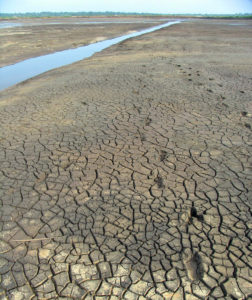
The traditional way of destroying organisms in pond bottoms is thorough dry-out for a week or longer. Fish toxicants and liming can kill unwanted parasites.
A survey of aquaculture partnership participants helped understand problems and perceptions associated with the expansion of U.S. marine aquaculture.
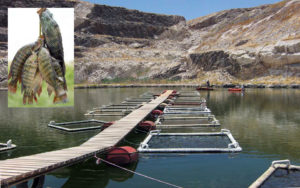
Fish supply is a food security priority in Bangladesh. There is potential for the culture of non-native fish species to meet its growing population's needs.
While there are environmental, social and economic benefits from aquaculture facility certification, farms bear most of the costs, at least initially: procedures, equipment and services to achieve compliance. There are risks that new procedures could affect productivity and raise production costs.
Shrimp production studies using biofloc technology at the AgriLife Research Mariculture Lab in Texas evaluated different approaches to maintain water quality.
At higher stocking densities, the application of all feed via feed trays often results in feed being dropped outside and/or underneath the trays.
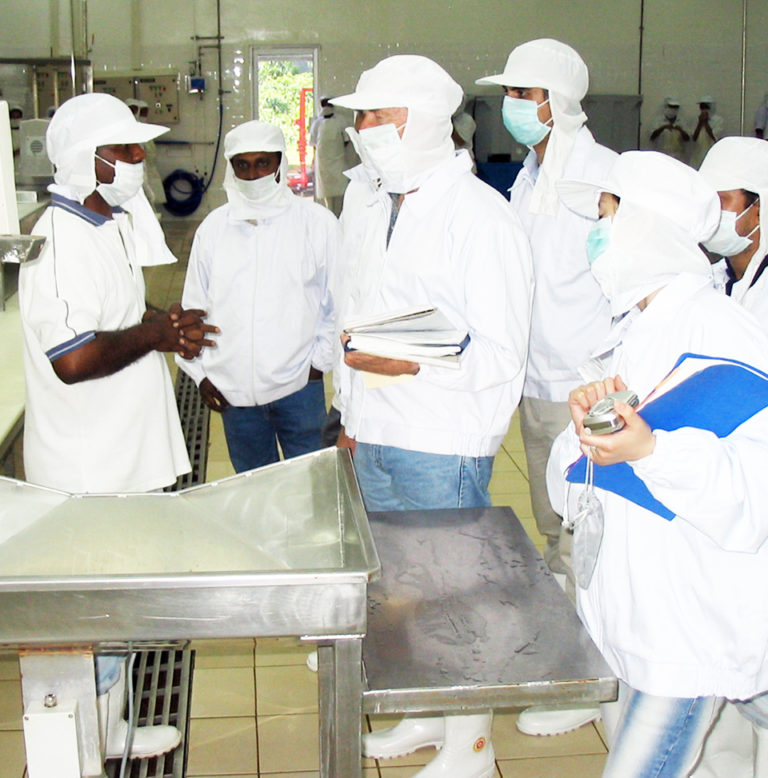
Each farm unit should have a written program that defines measures to prevent food safety problems and a program of regular testing.
Troublesome turbidity in aquaculture pond water often results from clay or fine silt particles that remain suspended due to turbulence or sedimentation.
Research is leading toward a methodology to assess the contribution of marine aquaculture through performance measurements and impacts.
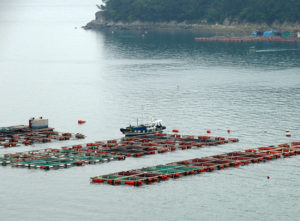
While most marine aquaculture in Vietnam has been based on traditional small-scale cage operations in protected locations, the development of larger offshore cage systems could lead to industry expansion.
Fish farming in Egypt is not formally recognized as an agricultural activity, so aquaculture cannot use water from irrigation canals. However, fish are raised as primary or secondary crops in combination with fruit and other plant crops.
Seaweed remains a relatively untapped resource with potential as edible food, feed ingredients, cosmetics, agrichemicals, biomaterials and bioenergy molecules.