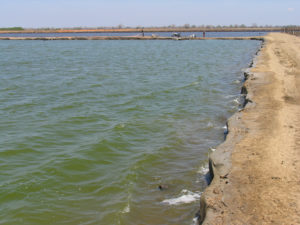
Dissolved and suspended solids in aquaculture systems
Prof. Boyd on dissolved and suspended solids in aquaculture production systems and their importance to water and pond-bottom quality.



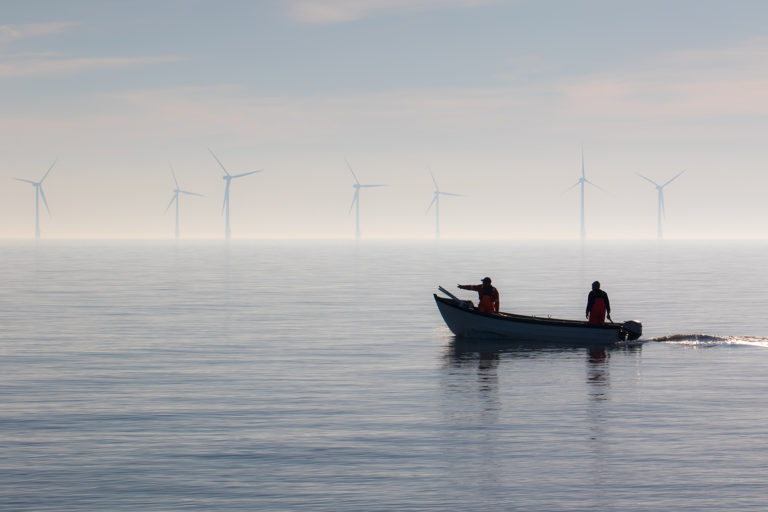
To mitigate the impacts of climate change and bolster ocean health, research suggests turning to one of the planet’s powerful forces: The ocean itself.
Prof. Boyd on dissolved and suspended solids in aquaculture production systems and their importance to water and pond-bottom quality.
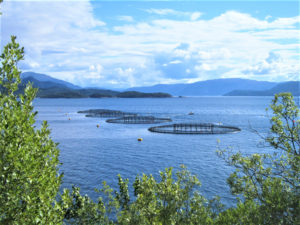
Quantifying greenhouse gas emissions for global aquaculture indicated that the industry accounted for only 0.49 percent of anthropogenic GHG emissions in 2017.
“Ocean Solutions that Benefit People, Nature and the Economy” encourages a new ocean narrative that touts mariculture’s three major benefits.
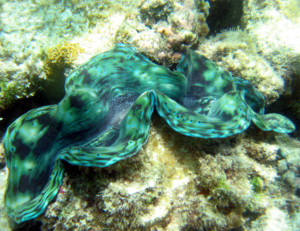
A review of restorative shellfish mariculture case studies around the world to identify emergent patterns across species and ecoregions.
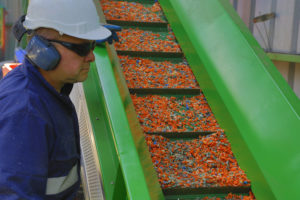
With sustainability and environmental protection becoming increasingly prominent in Chile, recycling firms like Greenspot are drawing attention.
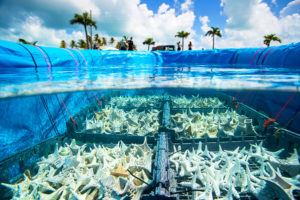
Half a billion people depend on coral reefs for food, income, coastal protection and more. The need to protect and restore their biodiversity is urgent.
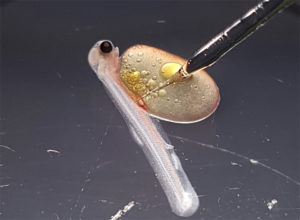
Tokyo University researchers have learned to spawn fish from germline stem cells in vitro, a method that can be deployed to help endangered species.
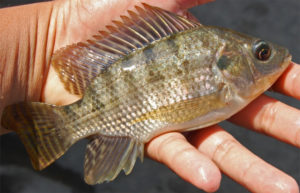
Trial evaluates the productive performance of Nile tilapia juveniles reared at high density using water reused from prior biofloc technology cultures.
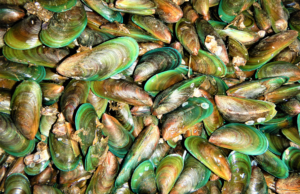
Study compares green mussel culture using longlines and the traditional bamboo stake method with different mussel densities in a rural area of Indonesia.
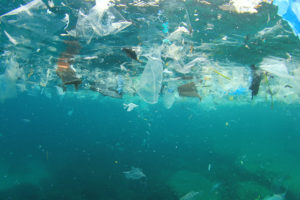
A Trends in Microbiology paper posits that ocean microplastics could be a vector for pathogens, spreading antimicrobial-resistant genes.
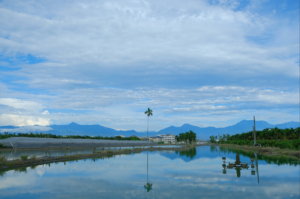
Prof. Boyd discusses how weather and climate events affect aquaculture and why producers should operate their facilities to protect against such events.
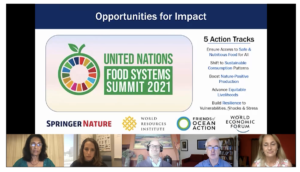
During the virtual event, researchers discussed the importance of aquatic foods, which billions worldwide rely on for protein and micronutrients.

Top-to-bottom value-chain collaboration is crucial to maintaining a sustainable seafood industry, presenters on Day 2 of GAA’s GOAL conference agreed.
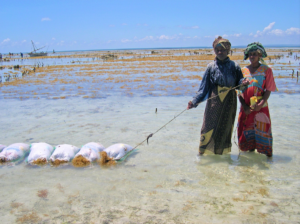
This study examined physiological and biochemical responses of the red alga Kappaphycus alvarezii to elevated water temperature.
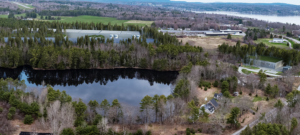
Recirculating aquaculture systems in theory solve many environmental impact issues, yet they're not immune to NIMBY (not in my backyard).