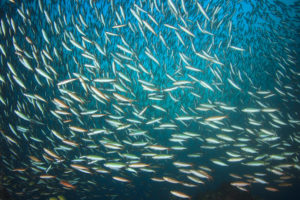
Study: Climate change will shuffle marine ecosystems in unexpected ways as ocean temperature warms
A study found that, as the ocean temperature warms, fish will continue to exist in certain areas but are not likely to be as abundant.



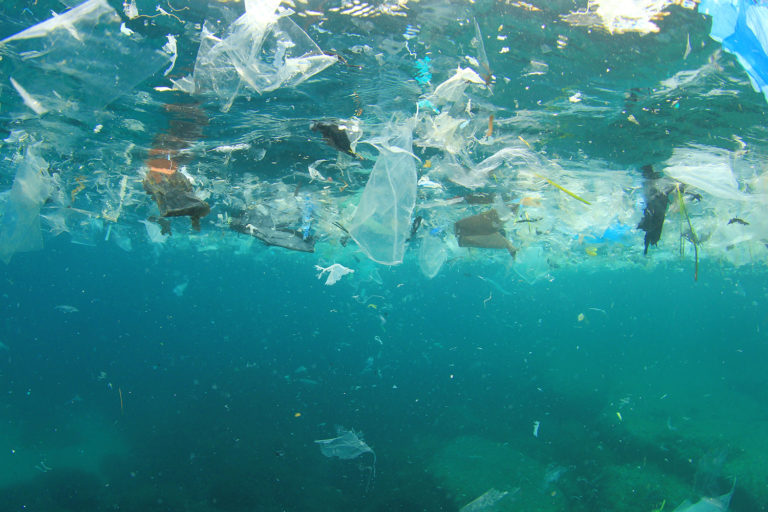
Researchers at Flinders University in Adelaide are warning about the presence of microplastics in both farmed and wild-caught seafood.
A study found that, as the ocean temperature warms, fish will continue to exist in certain areas but are not likely to be as abundant.
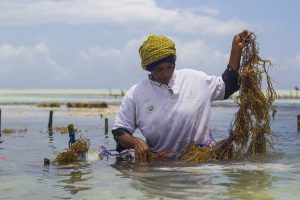
In quantifying habitat provisioning in and around macroalgae cultivation sites, authors recommend future ecological valuation.
With rising sea levels inevitable, aquaculture faces existential uncertainties and confronts its own contributions to the problem.
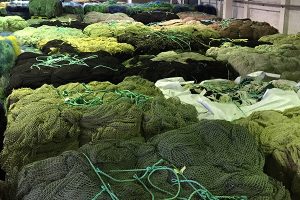
Egersund Net has helped recycle 17,000 metric tons of aquaculture equipment over 12 years, saving an estimated 51,000 metric tons of CO2.
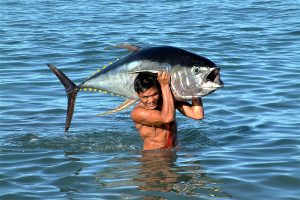
Study argues for the protection of 30 percent of the world’s oceans by 2030 to conserve biodiversity, avoid extinctions and maintain food security.
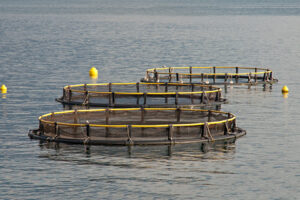
The European Commission has activated new crisis measures to support the seafood sectors impacted by the Ukraine-Russian war.
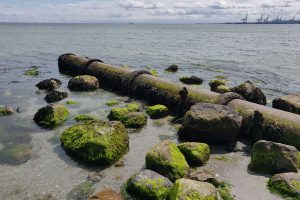
Dr. Barry Costa-Pierce on the connection between nitrogen, carbon dioxide and ocean acidification, and the importance of restorative aquaculture.
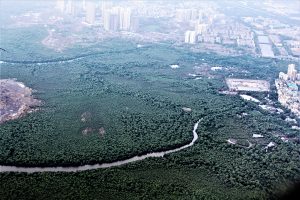
Developing a spatial model that projects emissions caused by mangrove forest loss to overcome current limitations in global estimations.
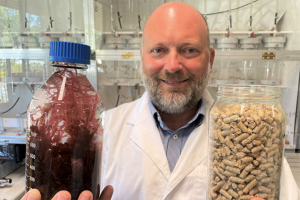
SeaStock Pty Ltd has been granted a license in Western Australia to commercially sell a 'methane-busting' seaweed supplement for livestock.
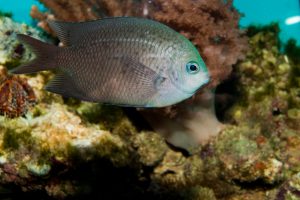
A new study found that some fish species evolve faster to cope with ocean acidification, helping maintain population size and biodiversity.
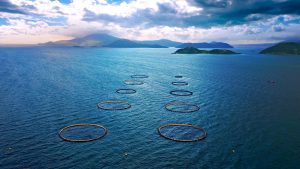
With rising ocean temperatures, are efforts to breed a heat-resistant salmon a race against nature? Or does the ideal fish for tropical aquaculture already exist?
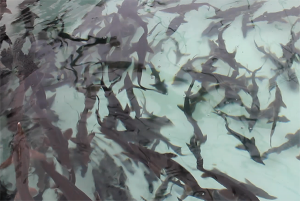
Reviewing the main innovative applications in sturgeon aquaculture and conservation, and the research needed for production and management programs.
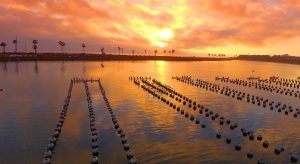
Despite the dangers to shellfish posed by ocean acidification, a forward-thinking California oyster farm is producing oysters resistant to climate change.
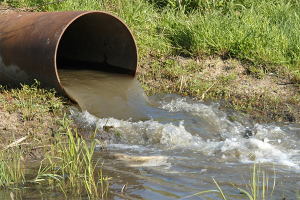
Disposal of aquaculture wastewater using injection wells has a much lower pollution risk than the dispersal of municipal and industrial wastewaters.
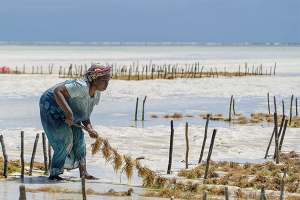
A new report from the International Union for Conservation of Nature suggests some aquaculture systems may be "nature-based solutions."