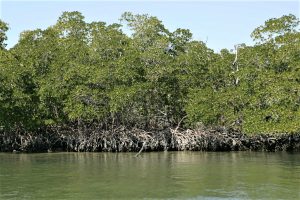
Assessment of restored mangrove forests in abandoned aquaculture ponds in Perancak, Indonesia
Restored mangroves had significantly higher plant litterfall production than intact mangroves, but no significant difference in leaf litter decomposition.



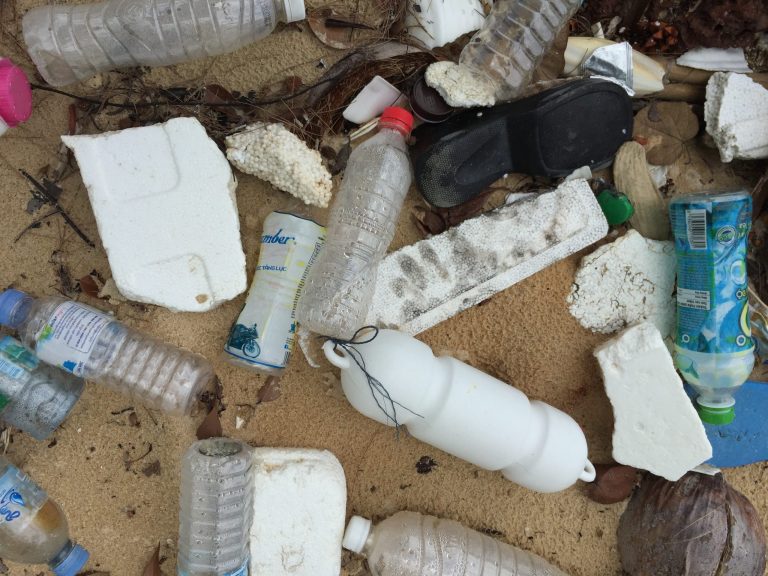
Expanded polystyrene is common in seafood packaging, but threatens marine life and human health as ocean pollution. A growing number of alternatives are emerging.
Restored mangroves had significantly higher plant litterfall production than intact mangroves, but no significant difference in leaf litter decomposition.
A new study indicates that mid-depth waters off the United States East Coast are getting saltier, possibly due to ocean warming caused by climate change.
A barrier to expanding seaweed cultivation in California is the “complex, costly and time-consuming” permitting process, says new white paper.

BioMar has released a plan for achieving net-zero under the Science Based Targets initiative (SBTi) by no later than 2050.
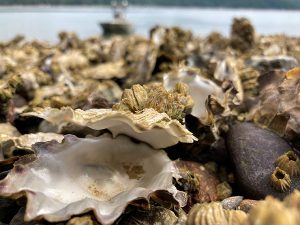
Researchers have produced the first comprehensive report detailing the impacts of the 2021 Pacific Northwest heat wave on shellfish.
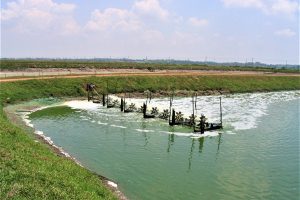
In part three of this series, the authors say lower energy use in shrimp farming requires producers to focus on water exchange and aeration.
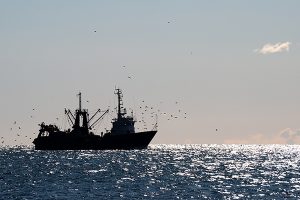
Encompass™, Scoular’s fishmeal brand, is launching a new marine sustainability program to improve seafood traceability and transparency.

With salmon farm closures imminent, some First Nations are taking action to preserve ocean-based farming and assert Indigenous sovereignty.
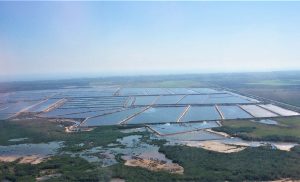
In part two of this series, the authors suggest steps to reduce the pollution potential of shrimp farming by paying special attention to uneaten feed.
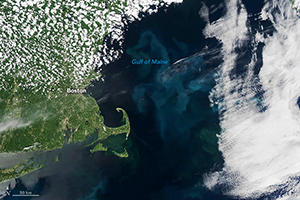
Phytoplankton are about 65 percent less productive in the Gulf of Maine than they were two decades ago, according to a new NASA-funded study.
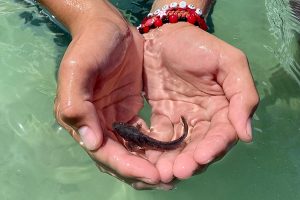
Earth Ocean Farms has released another 30,000 juvenile totoaba into the Sea of Cortez in an effort to replenish stocks of the endangered fish.
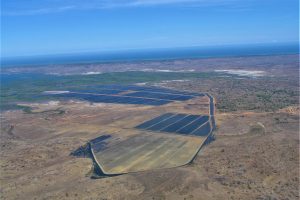
Prof. Boyd discusses land use in shrimp farming in the five major exporting countries of farmed shrimp: Ecuador, India, Indonesia, Thailand and Vietnam.
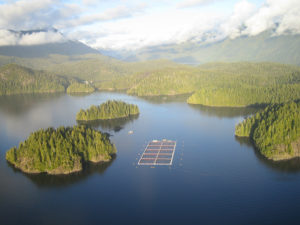
Nine top scientists are publicly defending the science and advice presented on salmon farming by the Canadian Science Advisory Secretariat.
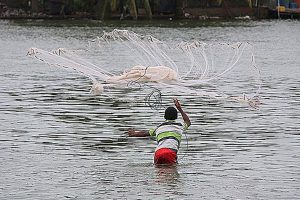
FAO and Norad are helping develop the aquaculture and fisheries in Sri Lanka, with issues including IUU fishing and climate change.

With the loan, Morocco will develop institutional frameworks, improve natural resources management and build a climate-resilient blue economy.